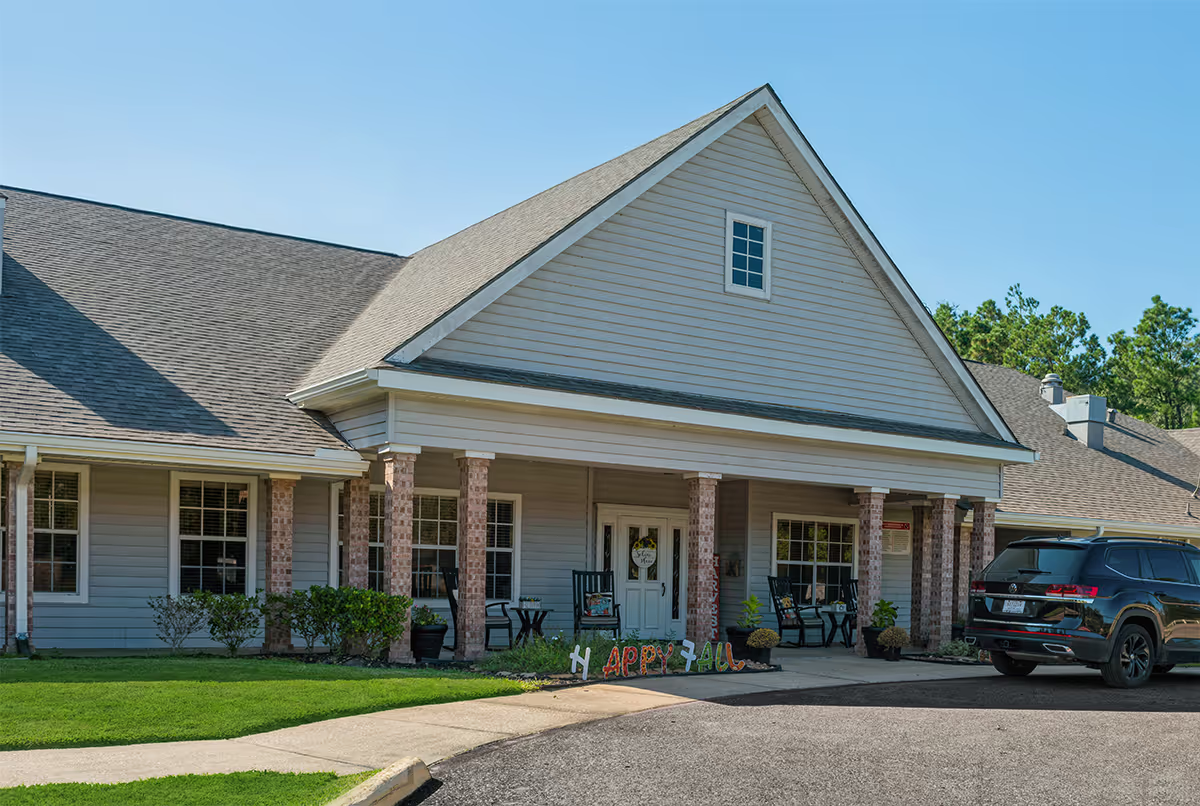
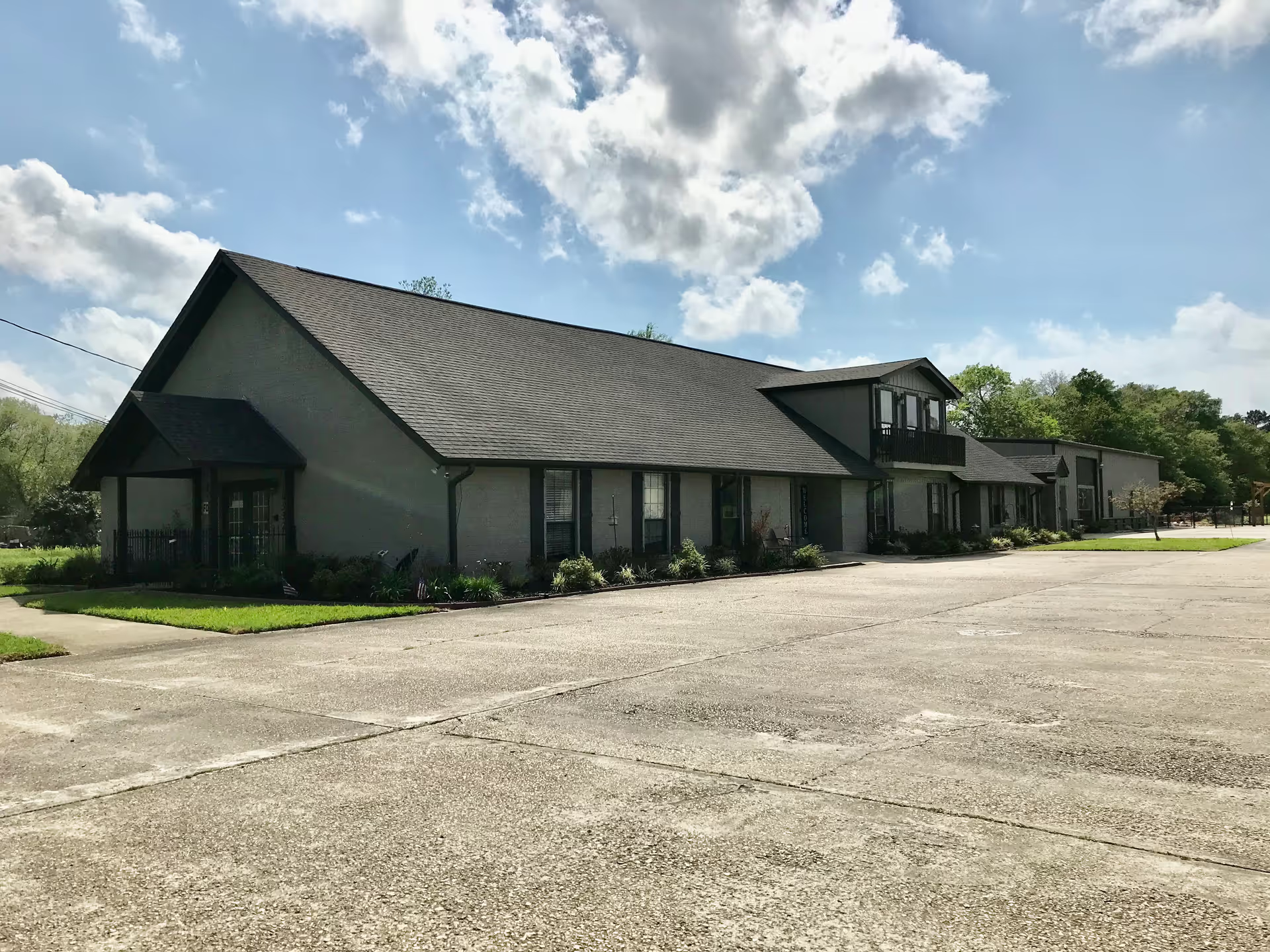
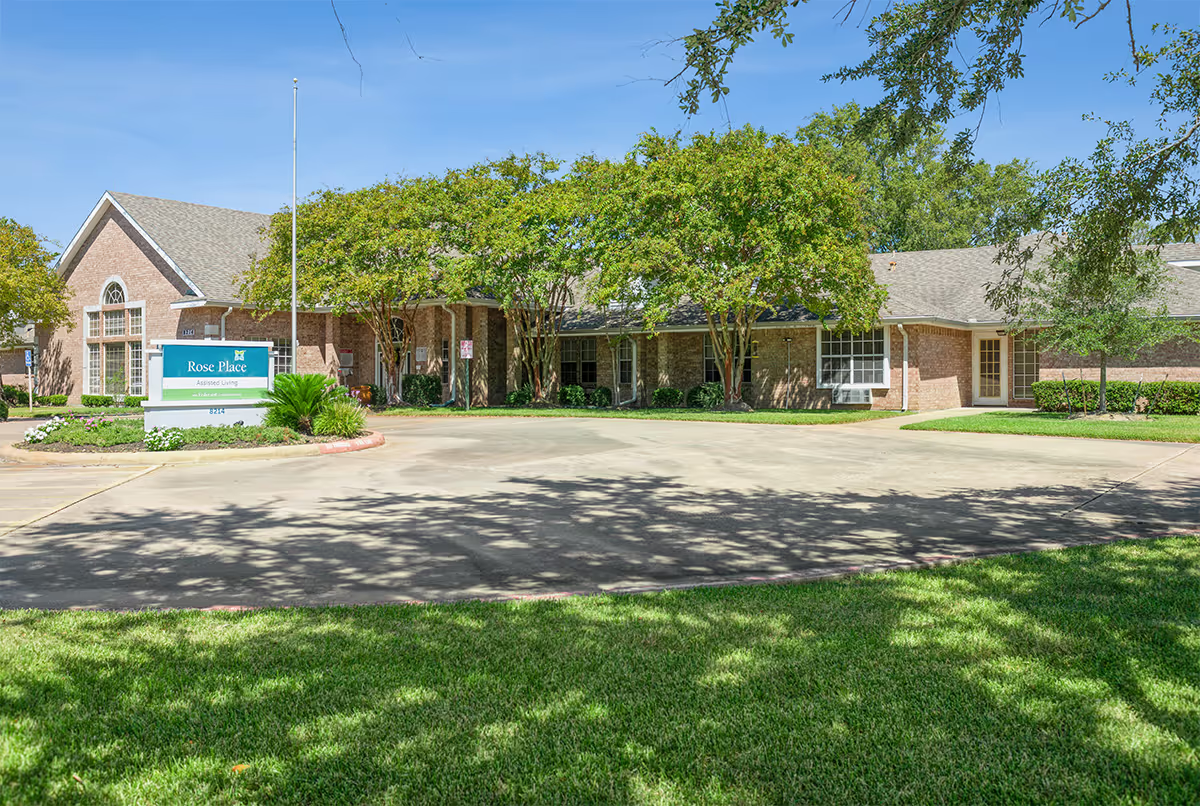
Overall impression: Reviews present a mixed but informative picture. Many families and visitors describe High Hope Care Center as a clean, welcoming facility with an active social program and a well-regarded rehabilitation department. At the same time, a subset of accounts raise substantive operational and clinical concerns that prospective residents and families should evaluate during a tour and intake discussion.
Care and clinical oversight: Positive feedback emphasizes attentive, kind direct-care staff and skilled therapy teams; physical therapy and the rehabilitation space are frequently highlighted as strengths. However, several accounts indicate gaps in clinical monitoring and escalation — examples include delayed follow-up on abnormal test results, missed physician contact, and delays in recognizing or responding to acute infections. These descriptions point toward potential weaknesses in the facility's clinical surveillance, transfer/escalation practices, and family notification procedures rather than consistent competence across all cases.
Staff and management: Staffing is described in polarized terms. Many reviews praise compassionate, helpful nurses, aides, and administrative personnel, and some families single out effective leadership and quick, organized admissions. Conversely, other accounts describe unprofessional interactions, brusque communication, and variability in shift coverage or responsiveness. This pattern suggests generally strong staff performance in many units, with occasional lapses in conduct, consistency, and human-resources responsiveness that can affect family experience.
Dining, housekeeping, and sanitation: The dining room and food service receive favorable comments for ambiance and meal presentation, and housekeeping is commonly described as proactive and attentive. Nonetheless, there are also mentions of inconsistent meal accommodations (notably for specialized diets) and localized sanitation or odor-control issues. These mixed observations imply generally adequate environmental services with uneven performance in certain areas or shifts.
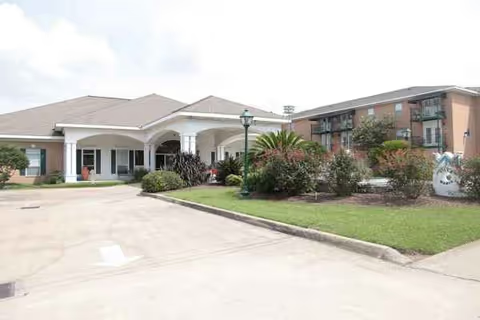
Activities and amenities: Activity programming, spiritual services, and communal events are frequent positives — residents are described as socially engaged, participating in classes, concerts, and celebrations. Facility amenities such as a spacious gym, walking paths, and outdoor areas support rehabilitation and socialization. The facility is secure with controlled entry, which reviewers value for safety.
Safety and facility layout: Concerns raised about falls, monitoring, and delays in bedside checks point to potential weaknesses in resident observation and fall-prevention practices. Facility-level constraints mentioned include limited private rooms and small family visiting spaces, as well as occasional noise issues from open common areas and nearby train traffic. These are operational and design considerations families should review relative to a prospective resident's needs.
Patterns and practical guidance: The dominant pattern is one of generally high marks for rehabilitation, activities, and a caring culture balanced against inconsistent clinical communication, occasional medication and monitoring problems, and staffing variability. Prospective families should schedule an in-person visit, ask for current staffing ratios and clinical escalation protocols, review medication-administration and lab-notification procedures, confirm dietary accommodations, and inspect visiting spaces and private-room availability. Those steps will help determine whether the facility's strengths align with the prospective resident's clinical and social needs.