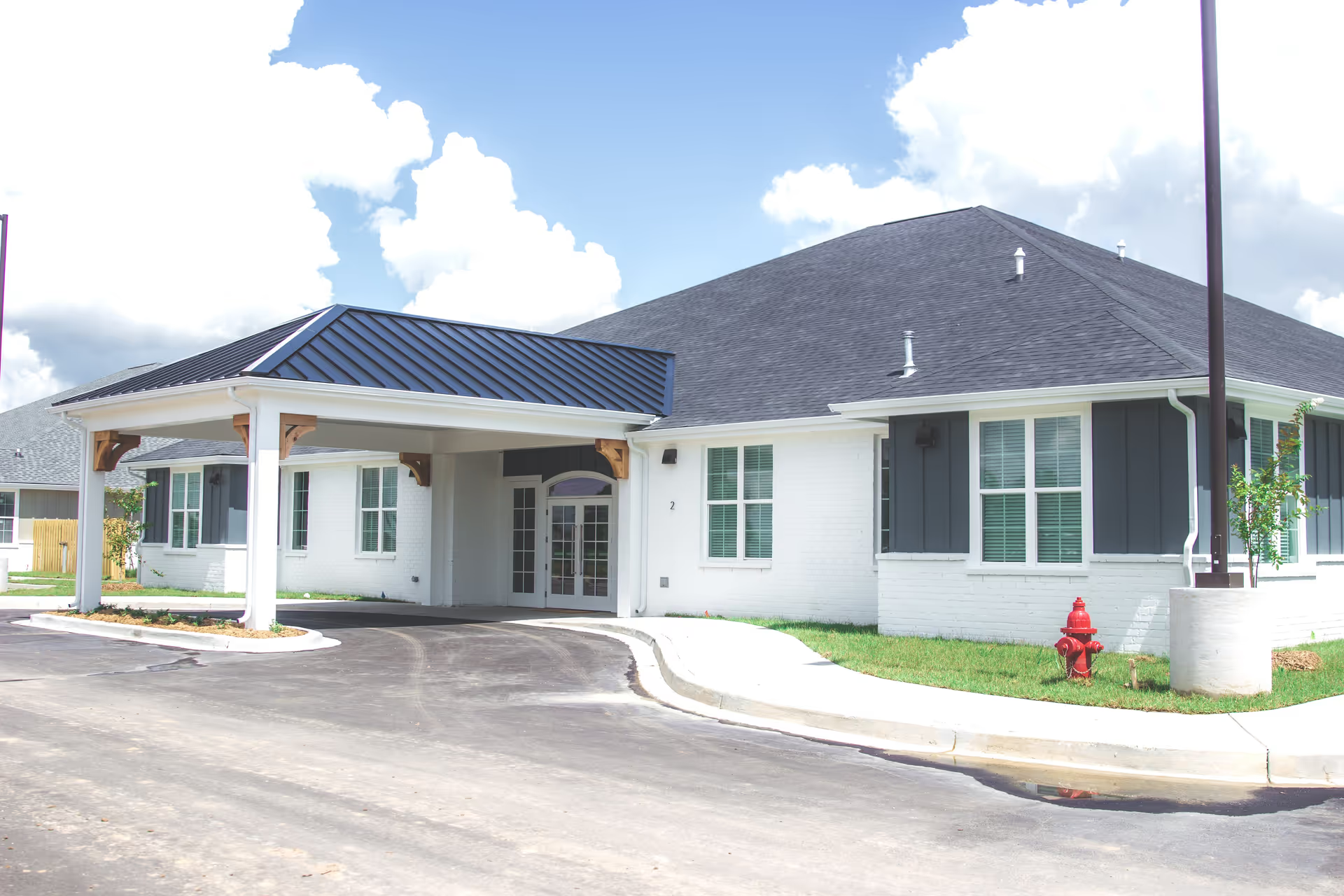
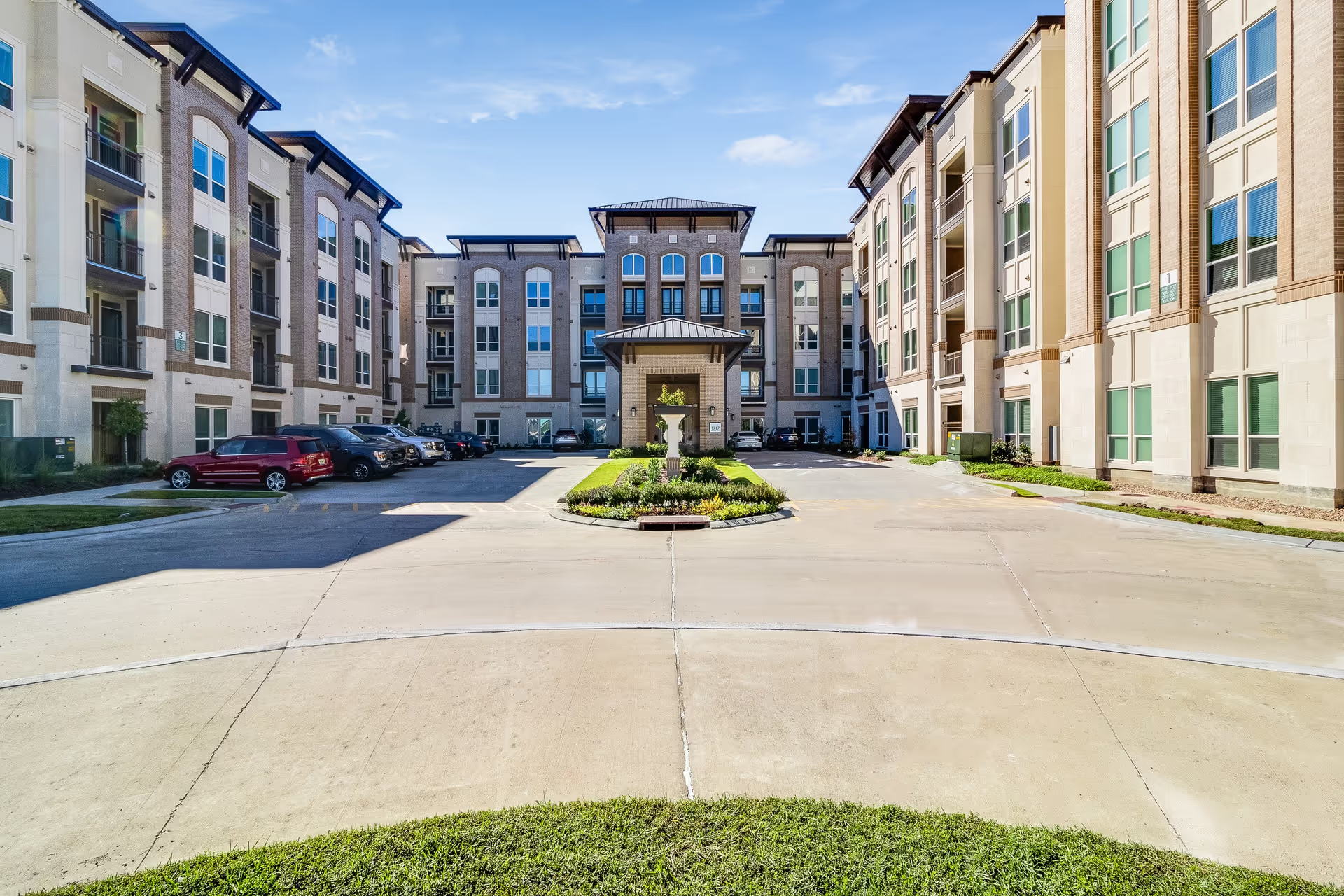
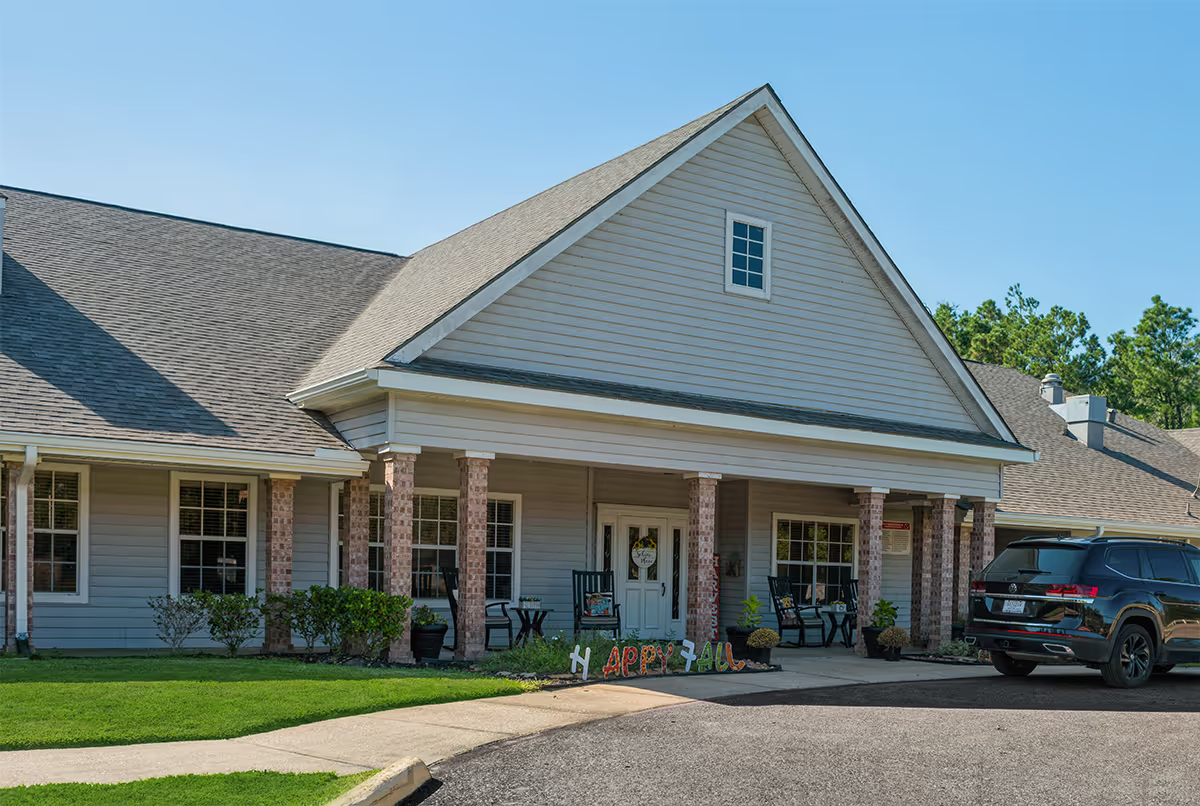
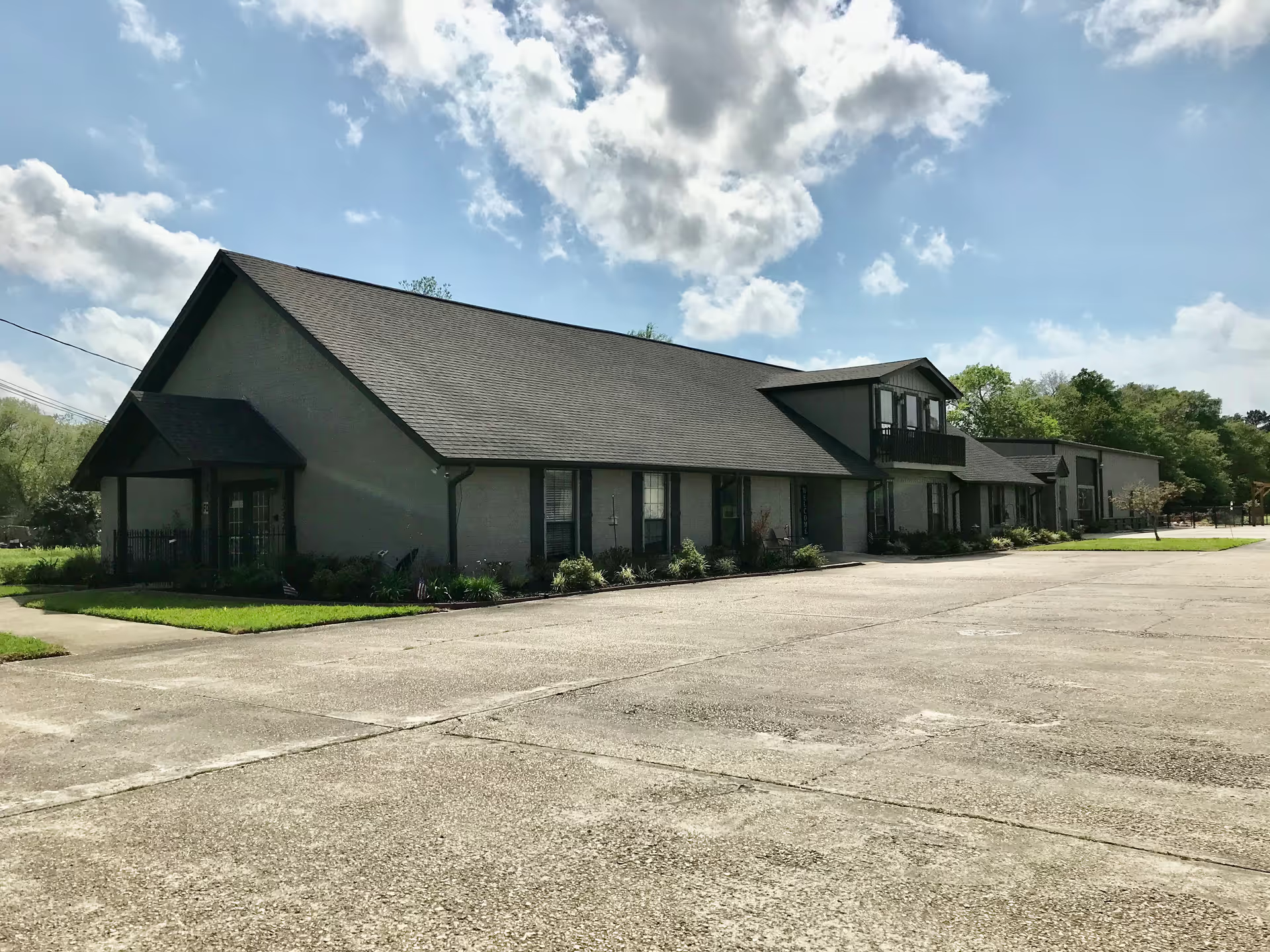
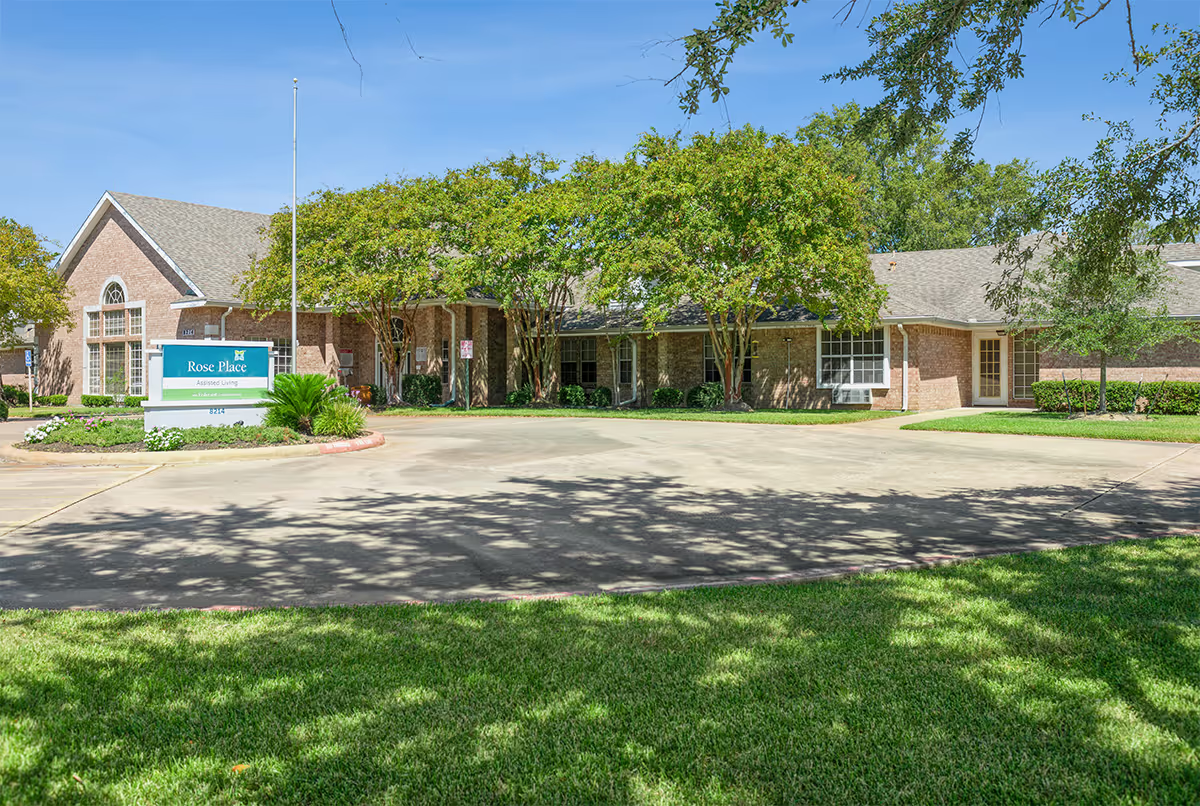
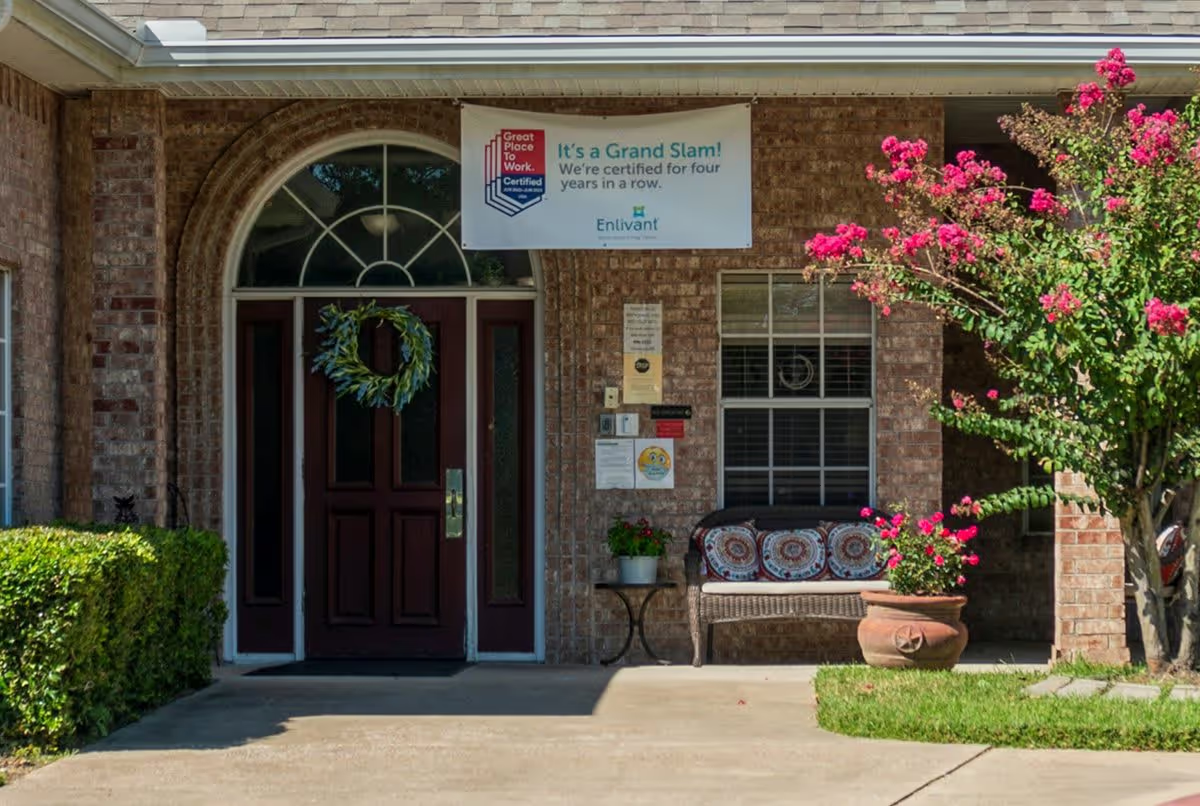
Stonebridge Place presents a mixed but discernible profile: it is frequently praised for its hospitality, physical environment, and amenity set, while also drawing concern for operational inconsistencies tied to clinical care and maintenance. Many families and visitors describe a bright, updated facility with apartment-style units, private kitchenettes, a newer wing, and attractive public spaces such as a courtyard, dining rooms, a salon, and a worship area. Transportation services, housekeeping, laundry, medication administration, and on-site memory-care are commonly cited as strengths, and the activities program often includes outings, arts and exercise offerings, an ice cream parlor-style feature, and social events that contribute to a lively atmosphere.
Staffing and direct care receive generally positive comments about compassion and attentiveness; however, there are repeated accounts of uneven care responsiveness. Concerns cluster around missed night checks and bathing, delays in attending to toileting or incontinence needs, and variable attention during certain shifts. These patterns are paired with mentions of staff turnover and administrator changes, which families link to fluctuations in day-to-day care consistency. The facility does not appear to provide a full on-site nursing unit; families seeking high-dependency clinical oversight should confirm staffing models and emergency protocols.
Dining and programming are polarizing. Numerous reviewers praise restaurant-style service, diverse menu options, fresh salad bars, and enjoyable meals and desserts. Conversely, other reports note inconsistent food quality and at least one food-safety concern; prospective residents should sample meals and ask about kitchen procedures and quality-control practices. Activity offerings are broad in scope — bingo, karaoke, crafts, exercise classes, and organized outings — but several reviewers found the calendar reliant on lower-intensity options and desired more variety or a larger activity space.
Facility condition and logistics show both strengths and limitations. The campus includes spacious units and common areas described as clean and well-kept, yet there are references to storm-related damage and ongoing repair needs in parts of the property. Operationally, limited elevator capacity and some smaller studio footprints can create mobility constraints and a sense of confinement for certain residents. Maintenance and groundskeeping quality appears generally good, though some areas such as the courtyard need more consistent grooming.
Management and communication elicit mixed impressions. Some families report proactive, responsive leadership that facilitates transitions and resolves concerns promptly. Others describe breakdowns in communication, inconsistent follow-up, and managerial turnover that correlated with perceived declines in service. Given these contrasting accounts, visiting the community, meeting unit managers and current staff, and asking specific questions about staffing ratios, clinical oversight, cleaning protocols, and contingency plans for storms or staff shortages are advisable.
Overall, Stonebridge Place may be a strong match for prospective residents prioritizing accommodations, social programming, and an active assisted-living environment with memory-care availability. Families for whom reliable, continuous clinical supervision and consistent assistance with incontinence and nighttime checks are primary needs should verify care processes, staffing stability, and maintenance practices before committing. A thorough in-person tour focused on clinical staffing, meal sampling, activity schedules, and safety/maintenance procedures will help determine fit.