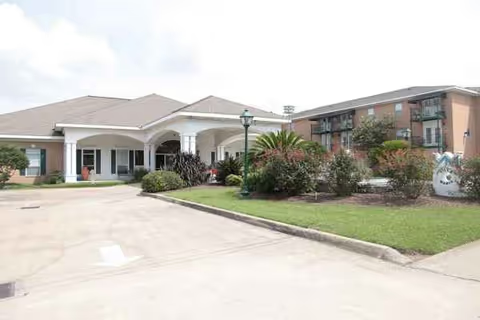
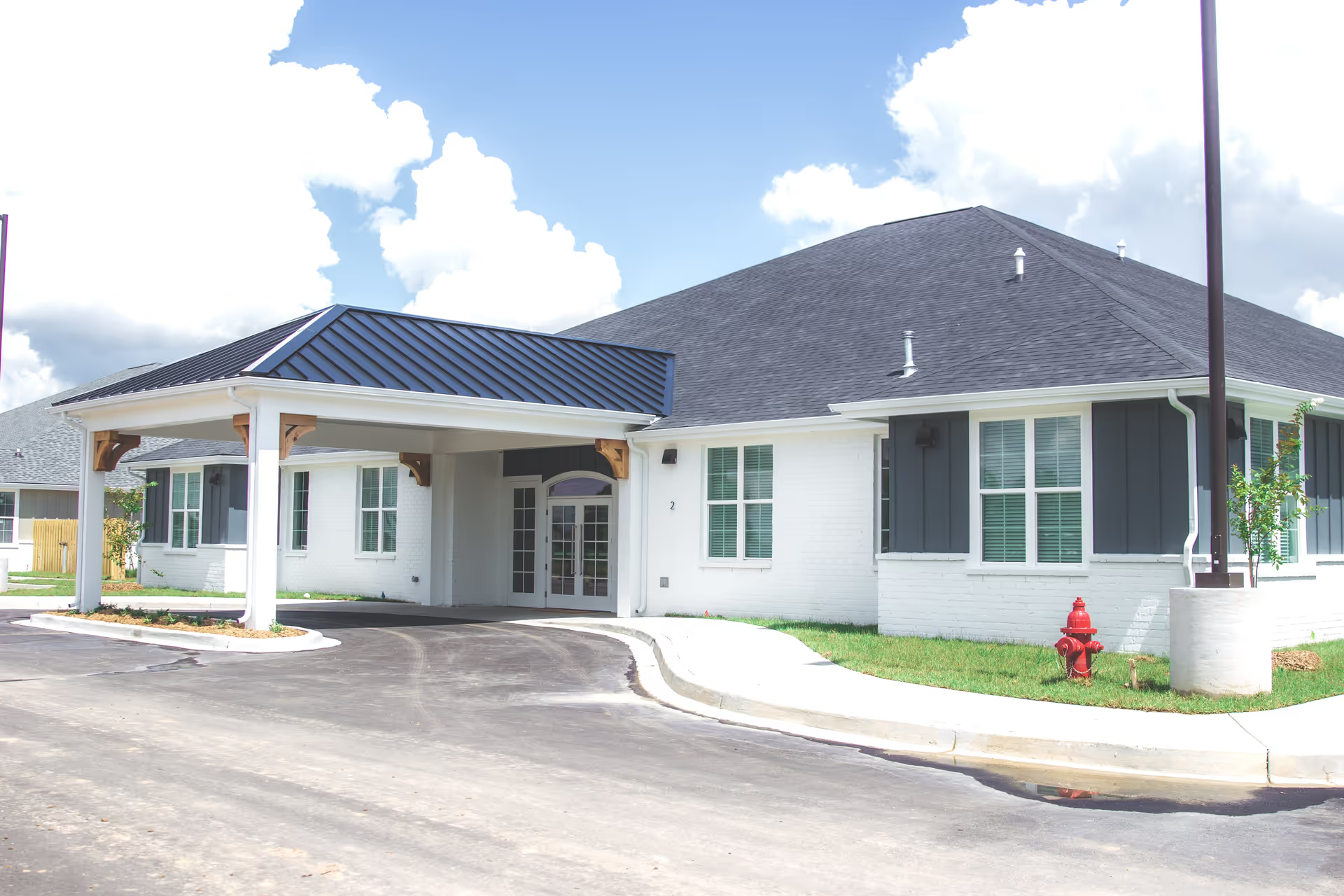
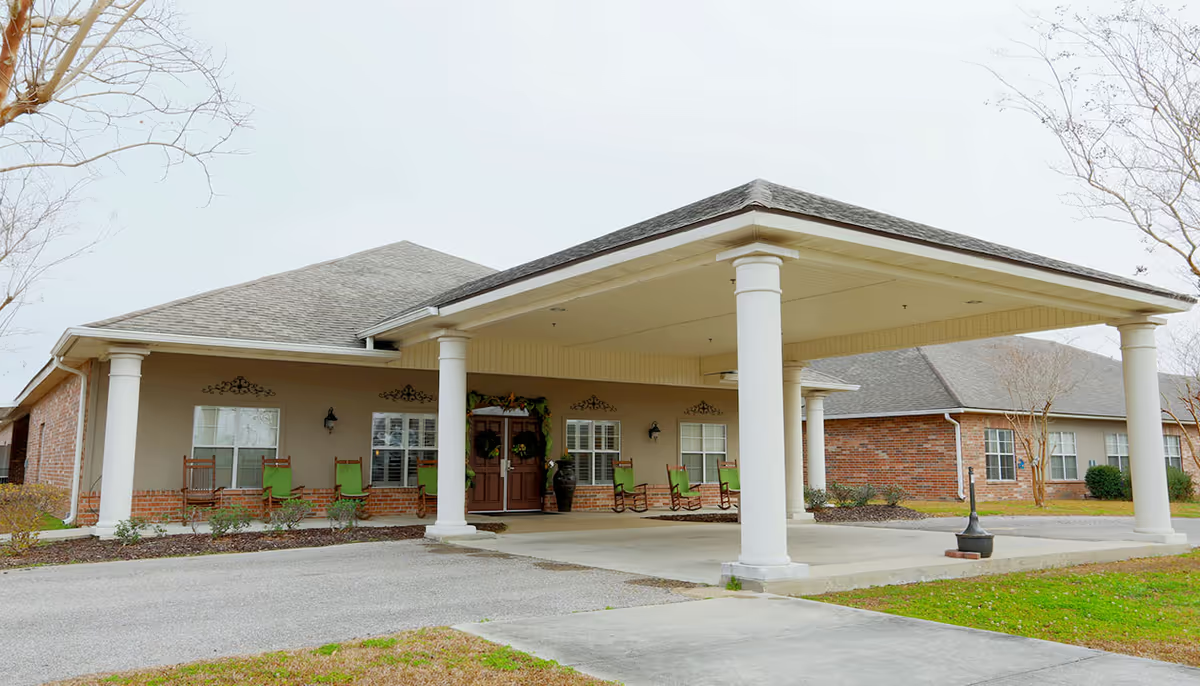
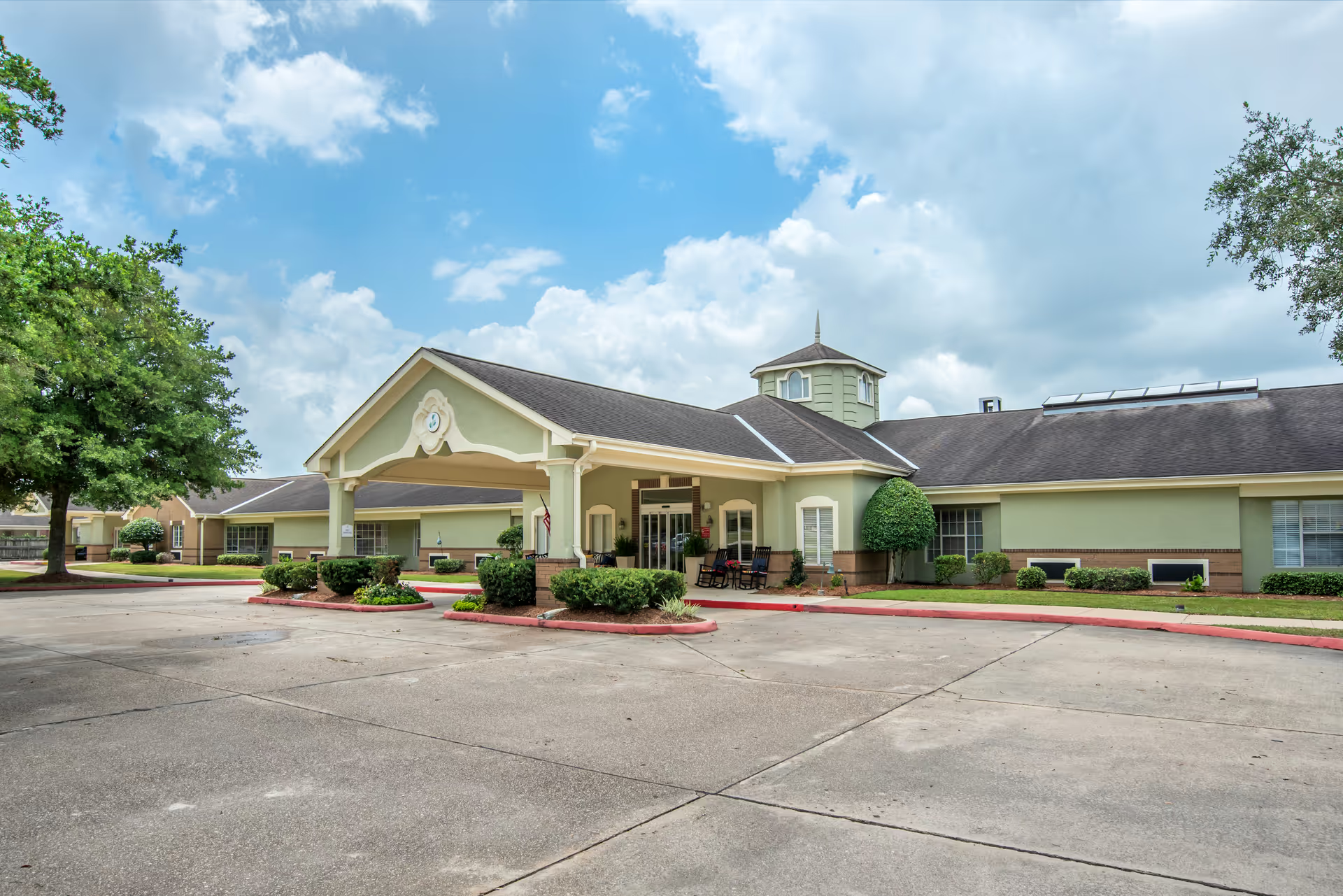
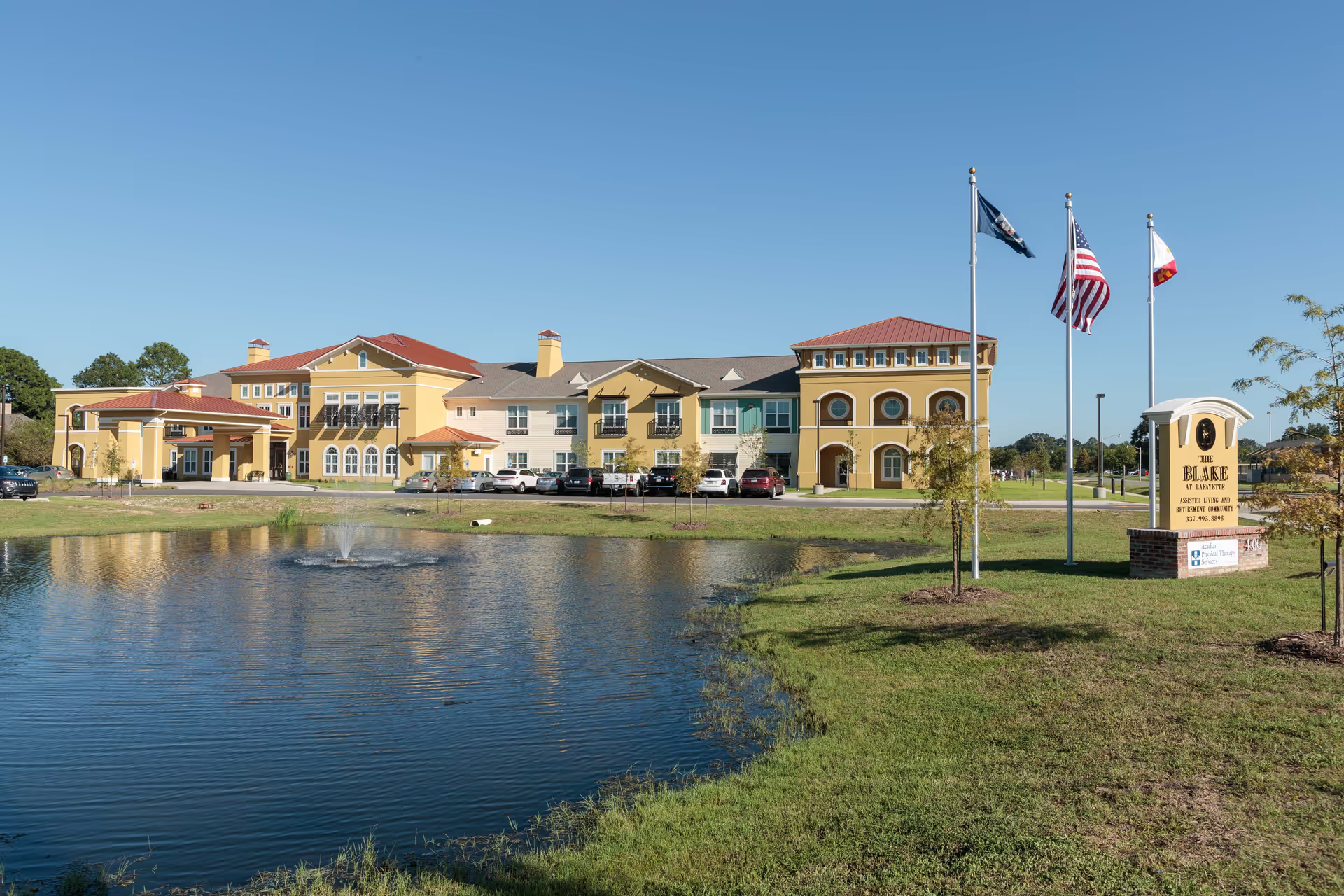
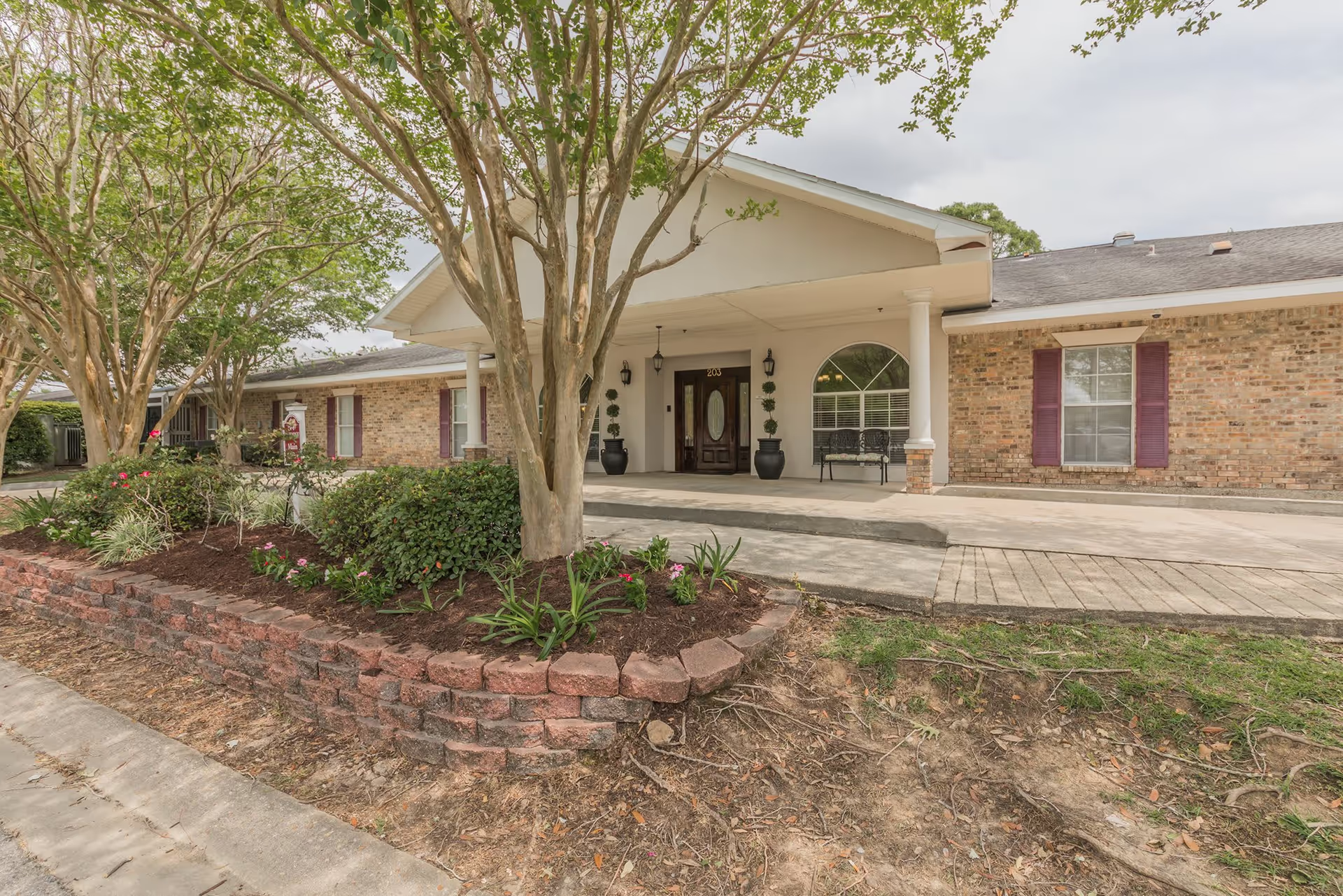
Golden Age of Welsh elicits a mixed but clear pattern: many families describe a warm, hometown environment with staff who are knowledgeable, personable, and supportive, while a subset of reports raises significant operational and interpersonal concerns. Clinical care and end-of-life services receive consistent praise; reviewers note competent nursing, effective hospice support, and staff who create a familial atmosphere for residents. Physical accommodations are frequently described as clean and welcoming, with spacious rooms, in-room climate control, a pleasant visiting area, and a recently renovated section. Dining and social life are strengths for many residents — home-style cooked meals, regular activities such as bingo, concerts, and barbecues, and an overall sense of resident enjoyment and community involvement.
At the same time, multiple themes point to areas requiring close scrutiny. Several accounts indicate concerns about staff conduct and communication tone toward residents and families; these are framed as interpersonal and responsiveness issues rather than uniform clinical failure, but they do indicate variability in how staff interactions are handled. Related operational patterns include inconsistent responsiveness to call requests and perceived staffing shortages that families say can affect timeliness of care. There are also sanitation and infection-control concerns raised by some families that warrant direct verification on a prospective visit.
Administrative and financial processes emerge as another cluster of concerns. Reviews reference unclear or problematic handling of insurance and billing, gaps in discharge planning, and instances described by families as coercive or involving threats. Because these are serious matters, prospective families should request clear written policies on billing, insurance coordination, discharge criteria, and escalation procedures. Several reviewers also noted difficulty reaching the facility by phone and frustrations with how complaints were managed, suggesting weaknesses in grievance-resolution and communication systems.
In practical terms: for families considering this facility, the positive indicators are strong community engagement, active programming, competent clinical and hospice care, and comfortable rooms. Areas to evaluate in person include staff-to-resident ratios and response times, infection-control and sanitation practices, documented discharge and billing policies, and the facility’s formal complaint-resolution process. If there are specific concerns about conduct or financial handling, families may want written commitments about oversight and follow-up, and to clarify contact points for escalation prior to admission.