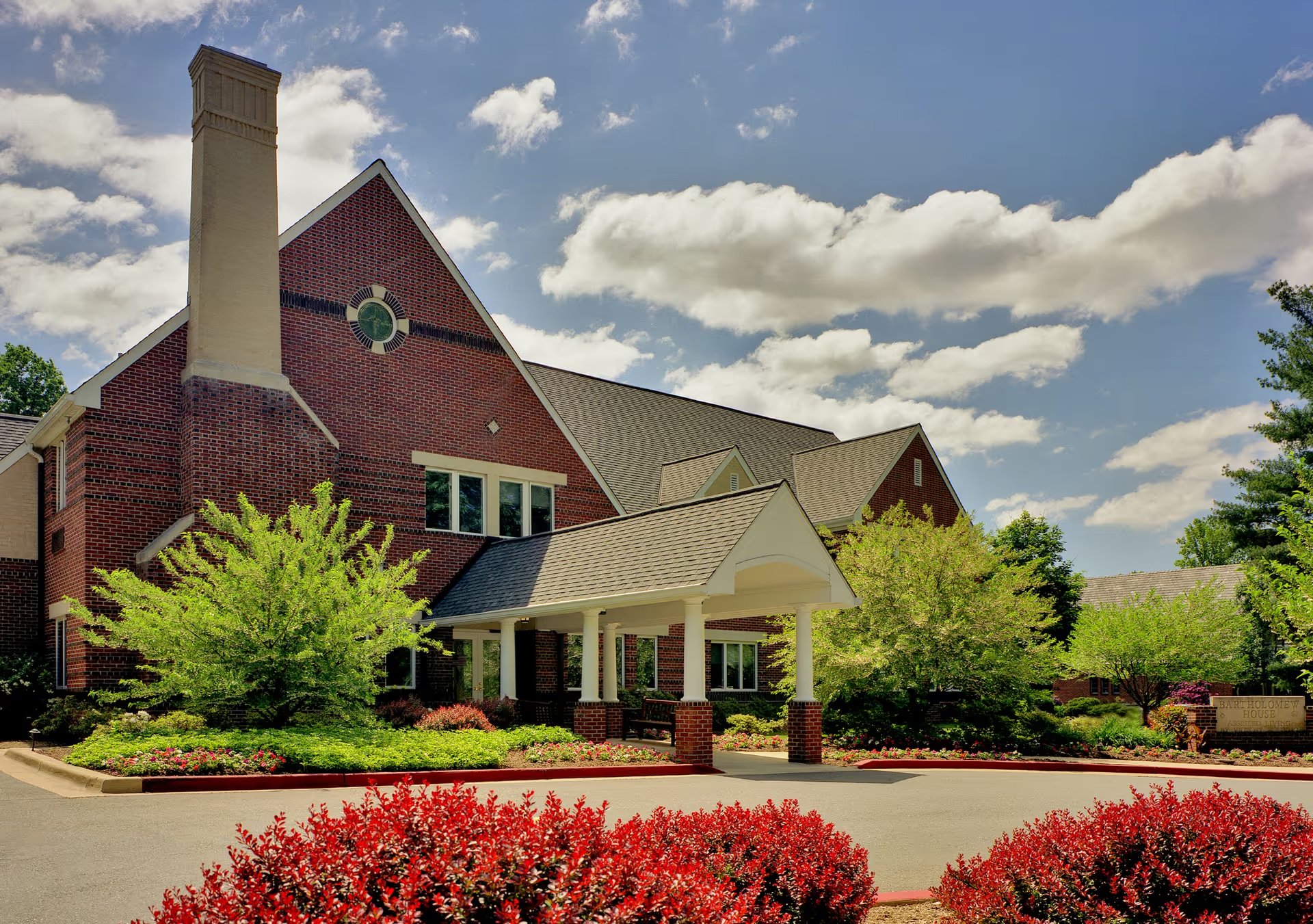
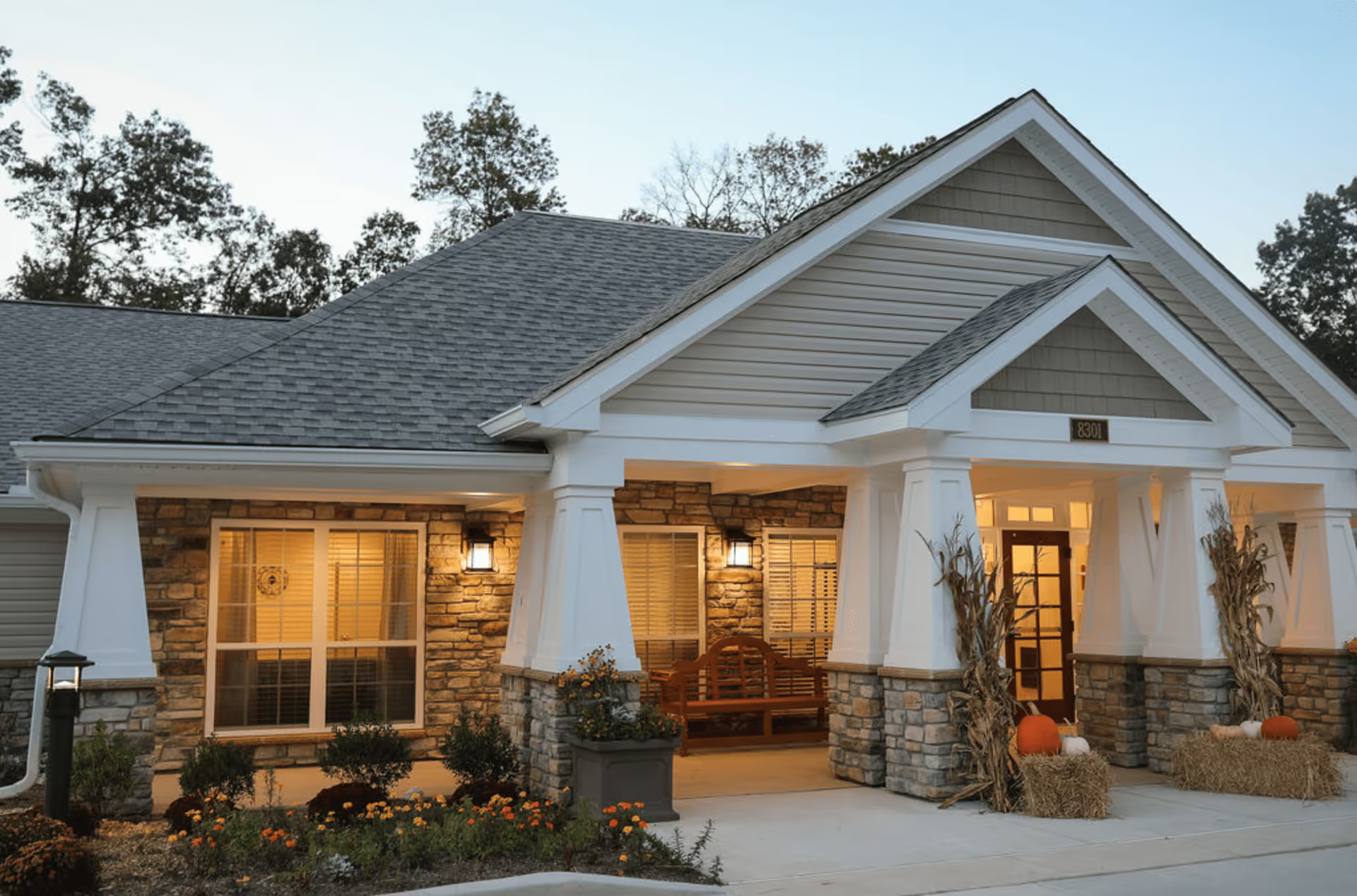
Overall impression Sunrise at Fox Hill presents as an upscale, well-maintained senior living community with a hotel-like atmosphere and a broad program of services. Reviews consistently emphasize cleanliness, attractive common spaces, and thoughtfully furnished private apartments. The community is positioned toward higher-acuity care and memory services while also supporting independent living, which shapes both the clinical emphasis and the social environment. Cost is a recurring theme: offerings are presented as premium and many families consider the pricing substantial.
Care quality and staff Care and staffing are the facility's strongest elements in the available feedback. Caregivers are described as attentive, compassionate, and responsive; management and executive leadership are frequently characterized as accessible and communicative. Clinical resources noted include staff training specific to Parkinson’s disease and 24-hour registered nursing coverage on the memory-care unit. Families describe quick responses to needs, coordinated support through acute episodes (including cancer treatment), and ongoing involvement by staff with residents’ individual care plans. These elements combine to a consistent pattern of improved quality of life for many residents.
Dining and nutrition Dining is generally positioned as a strength: restaurant-style service, large portions, attractive dining rooms, and special events (Sunday brunch, sushi Tuesdays) are highlighted. At the same time, operational limitations are noted. Several comments point to constrained options for residents with strict dietary restrictions (for example, limited choices for modified or specialized menus) and occasional instances where items are out of stock during meals. These issues suggest a need for more robust menu-planning and inventory processes to reliably meet specialized dietary needs.
Activities and social programming The community offers a broad and active calendar that includes arts and educational classes, bridge and reading groups, live music and concerts, painting classes, exercise programs, and scheduled outings with transportation and limo service. Programming appears tailored to create engagement for independent and memory-care residents alike. A pattern to be aware of is the community demographic mix: the population includes a notable proportion of residents receiving long-term or end-stage care, which can influence activity participation and the overall social tenor; some younger or more independent residents may find the atmosphere less aligned with their expectations for a solely independence-focused community.
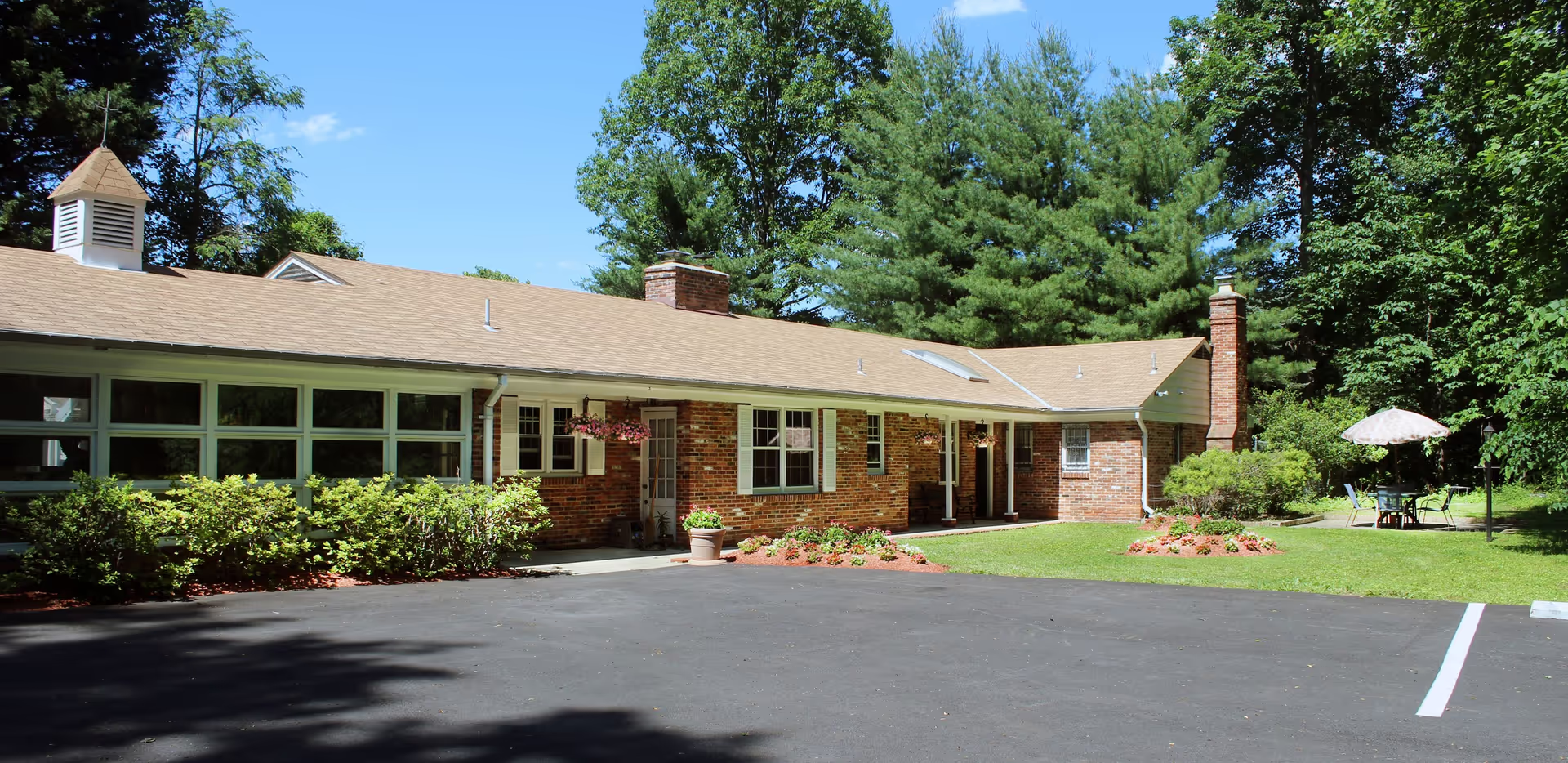
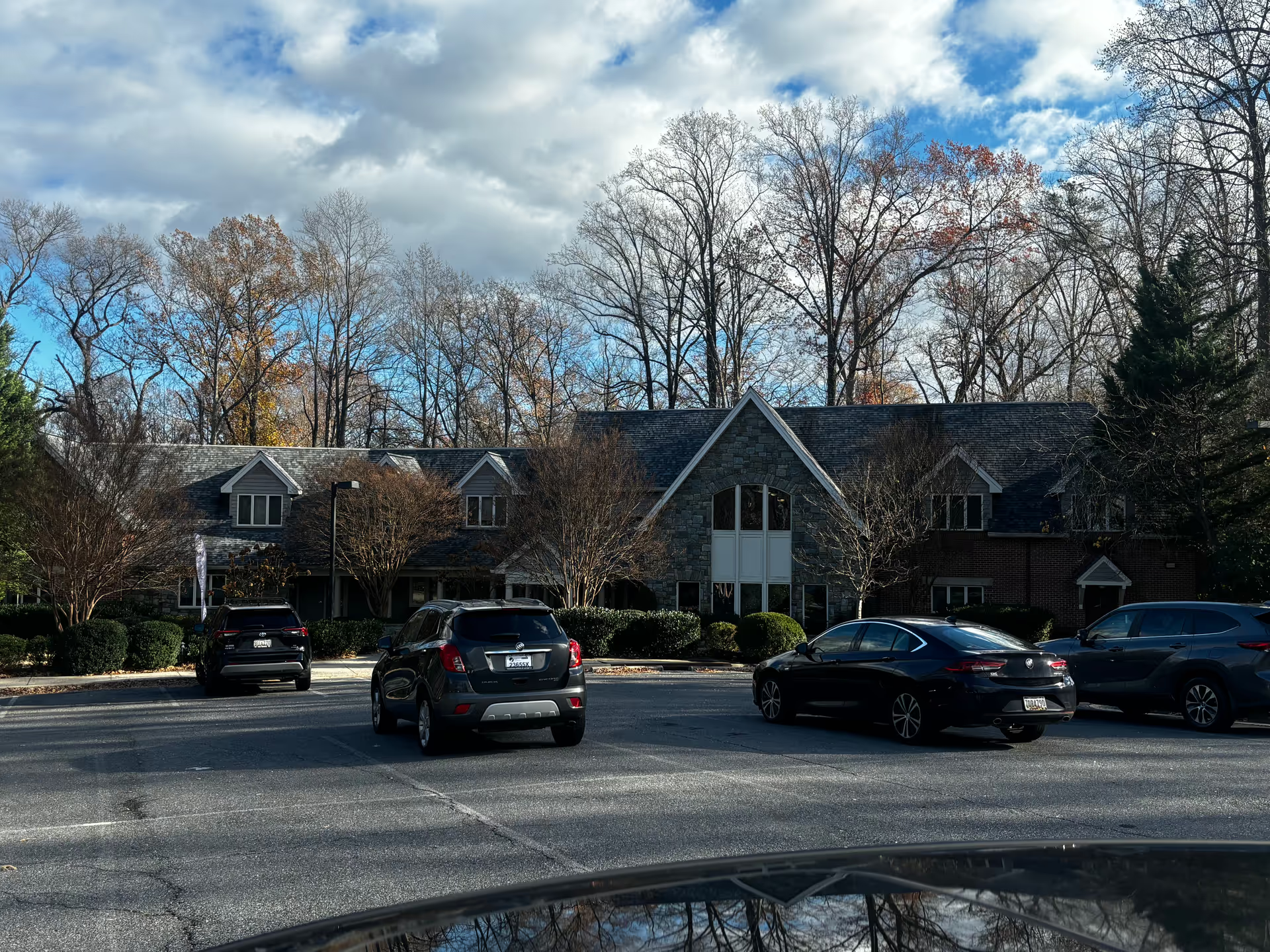
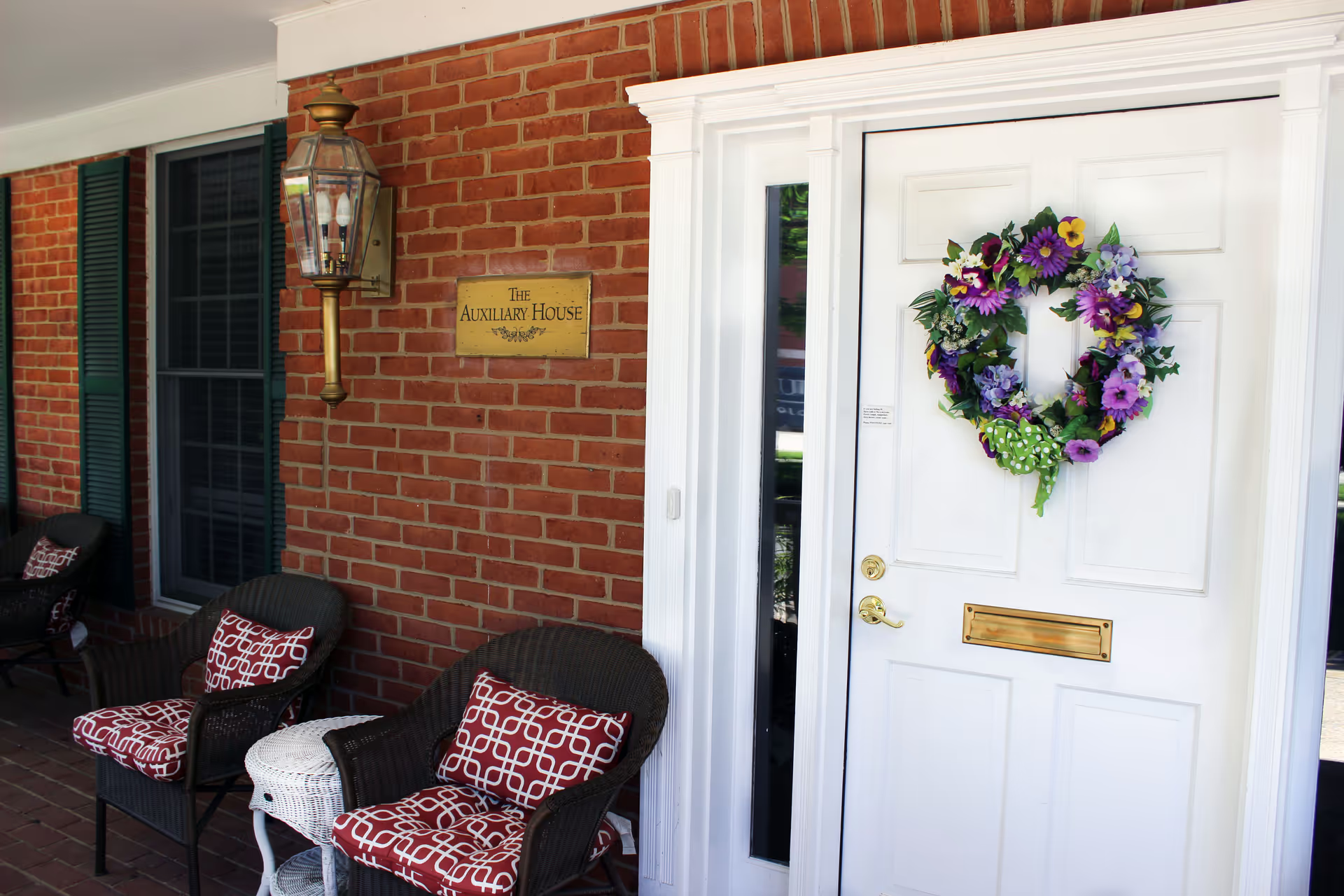
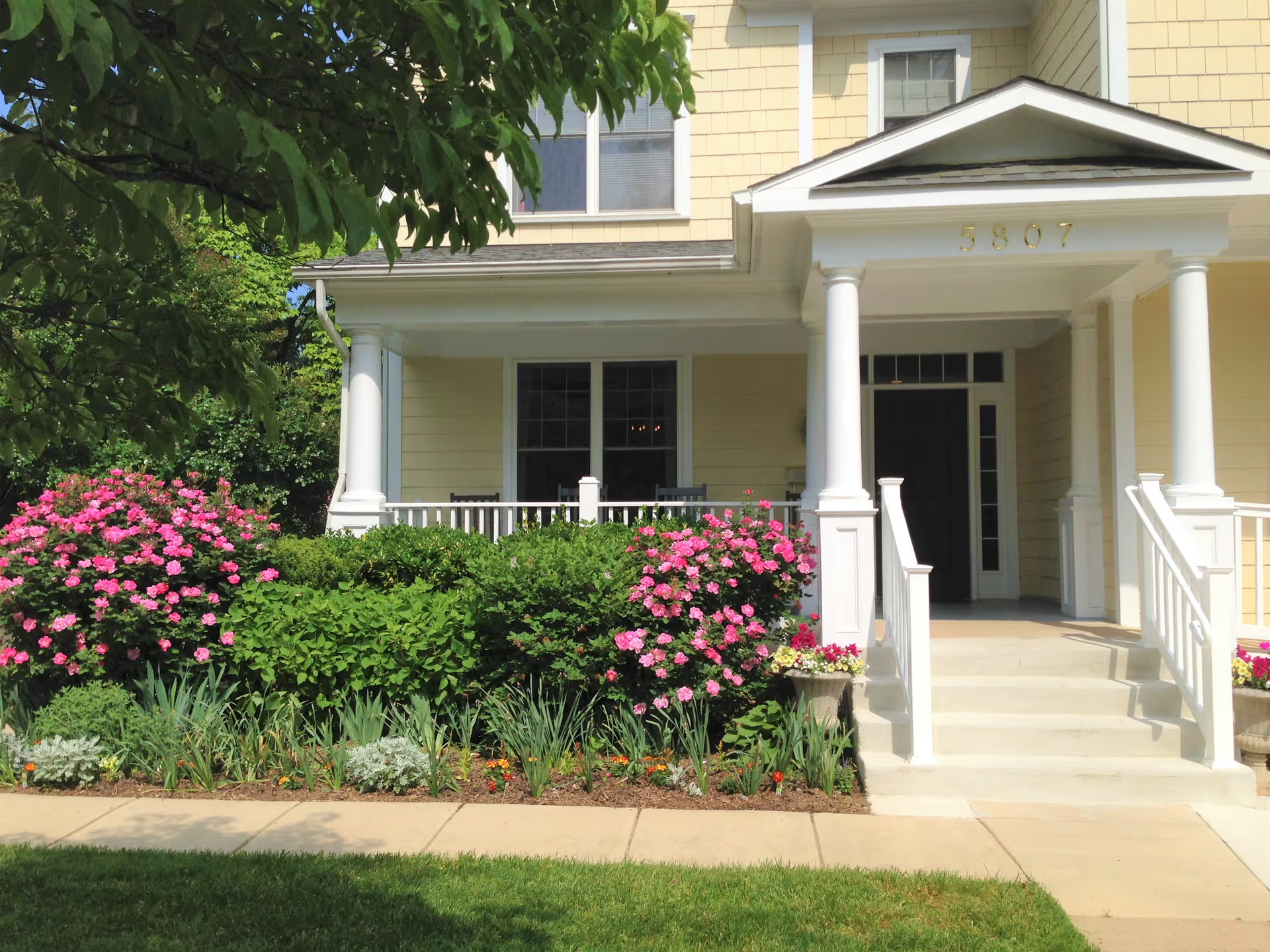
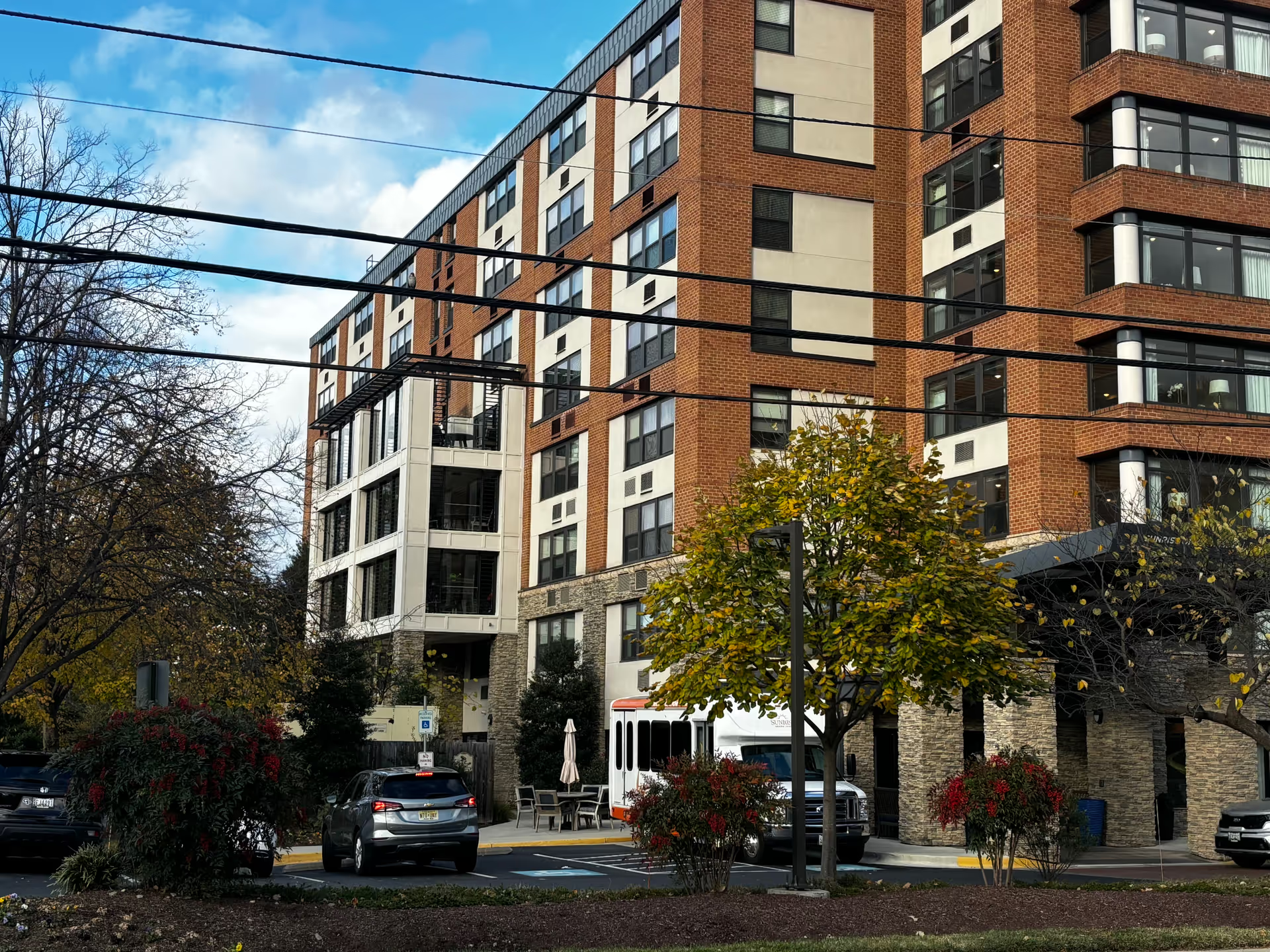
Facilities and logistics Facilities are described as modern, sophisticated, and carefully maintained. Design features called out include private apartments with small kitchenettes, attractive bathrooms and showers, a greenhouse/flower amenities, locked memory floors with outdoor patio access, and a variety of apartment models. Practical limitations mentioned include relatively small apartment footprints for some units, a lack of a dedicated garden area, and parking or distance concerns for visitors. These operational and design trade-offs are relevant for families weighing living-space needs and access.
Management, value, and fit Leadership responsiveness and communication receive positive mention, including crisis-era responsiveness. The financial model (including move-in fees and daily rates) is an important determinant of fit; while many families and residents describe the community as "worth the price," affordability is a limiting factor for others. The community appears best suited to prospective residents and families seeking a high-touch, well-resourced setting with strong memory- and end-of-life care capabilities, and who can absorb premium pricing. Those looking primarily for a lower-cost independent-living, small-scale, or garden-centric environment should consider whether the campus size, resident acuity mix, and pricing align with their priorities.
Notable patterns to consider Two operational themes recur: (1) staffing quality and responsiveness are consistent strengths that drive positive experiences across care levels; (2) dining-service limitations around specialized diets and occasional stockouts are a repeat operational gap. Cost and community composition (higher-acuity focus) are other consistent considerations when assessing fit. For families prioritizing clinical competence, structured activities, and upscale facilities, Sunrise at Fox Hill presents a strong option; for those with tighter budgets or specific preferences for a small, purely independent community with extensive garden space, there may be better fits elsewhere.