Overall impression: Reviews indicate a highly mixed set of experiences at this facility. Many families and visitors describe a clean, attractive environment with warm, compassionate staff and strong rehabilitative services. At the same time, other accounts identify operational weaknesses that have materially affected care continuity and family confidence. Prospective residents and families should expect both demonstrable strengths and variability in day-to-day performance.
Care quality: Clinical and day-to-day care appears inconsistent. Positive comments highlight attentive nursing and therapy during rehabilitation stays and improvements in resident wellbeing under the facility’s programs. Conversely, several accounts describe delays in attending to resident needs, slow responses to call bells, and gaps in follow-through on medical orders. There are also multiple references to limitations in on-site physician availability and fewer in-person doctor visits, which can affect timely clinical decision-making for higher-acuity residents.
Staffing and conduct: Staff demeanor and responsiveness vary across reports. Many reviewers praise kind, patient, and engaged caregivers who create a family-like atmosphere; other reviewers cite brusque or rude interactions and express concern that aides are overworked. The pattern suggests staffing levels or scheduling may contribute to uneven resident experience and to longer wait times for basic assistance when census or acuity is high.
Dining and activities: Dining and social programming are consistent strengths. Numerous comments note well-seasoned, adequately portioned meals and an enjoyable dining environment. Activities and social engagement are described as meaningful and supportive of resident wellbeing; the facility’s rehabilitation focus is often cited positively in this area.
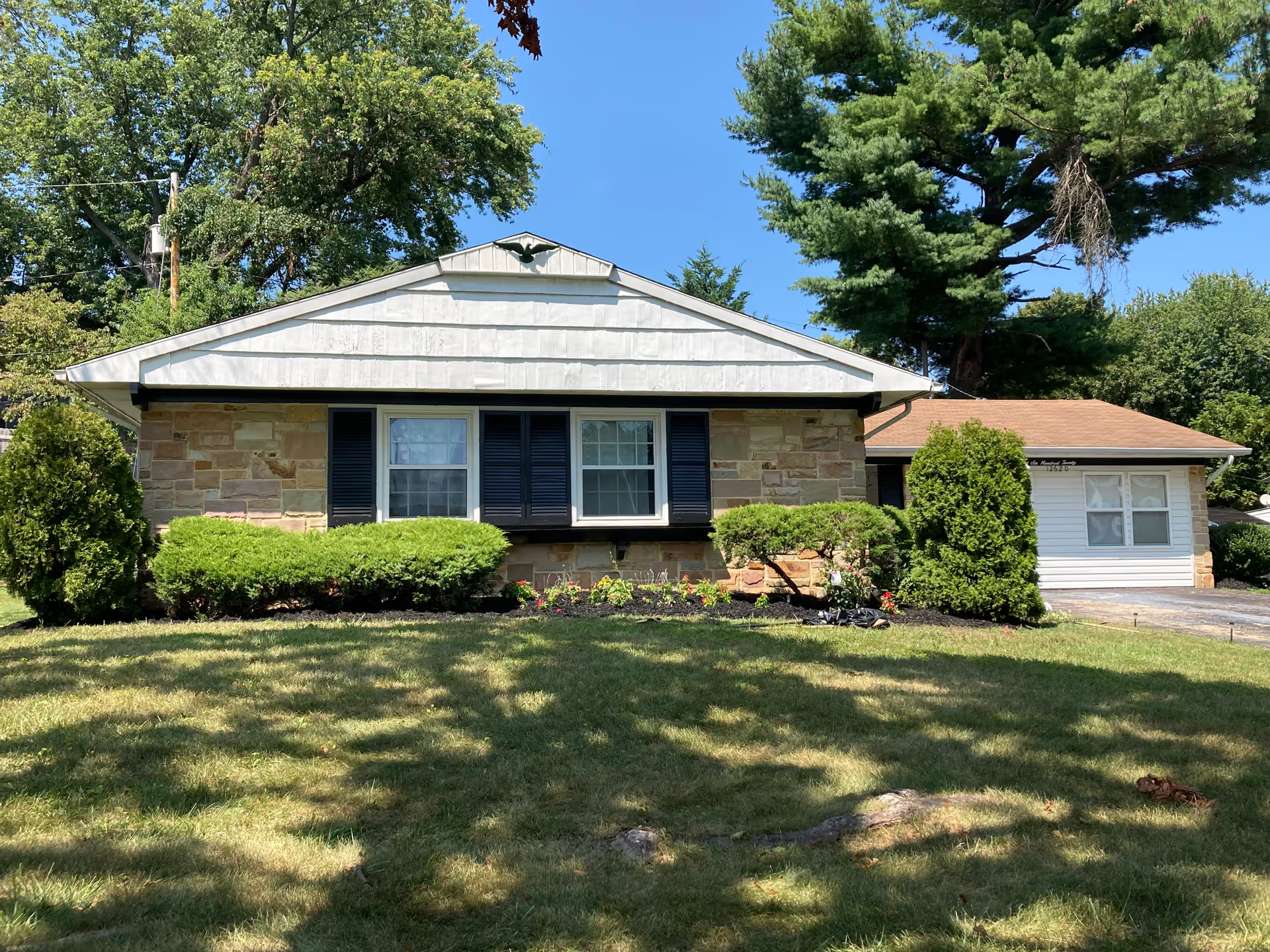
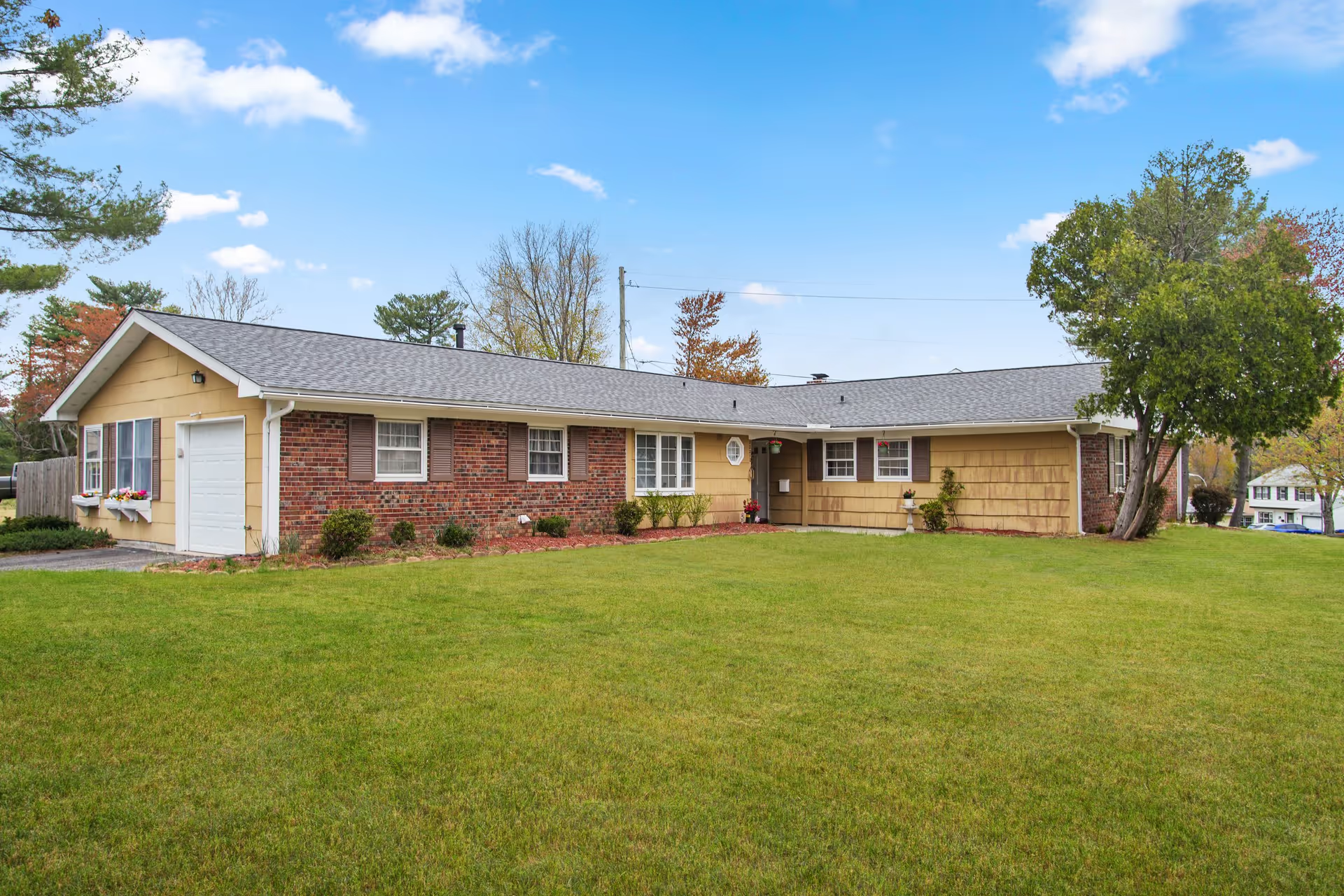
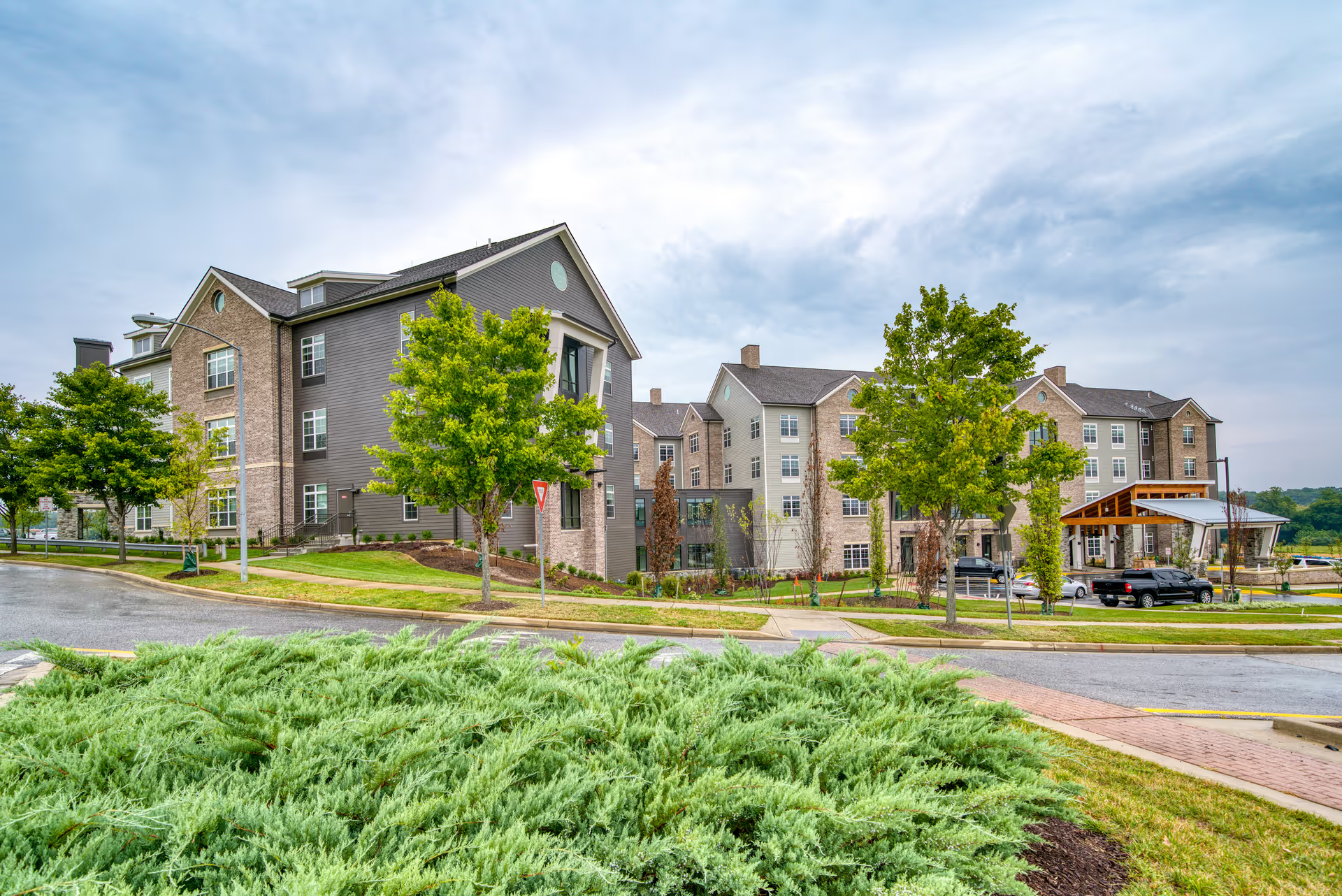
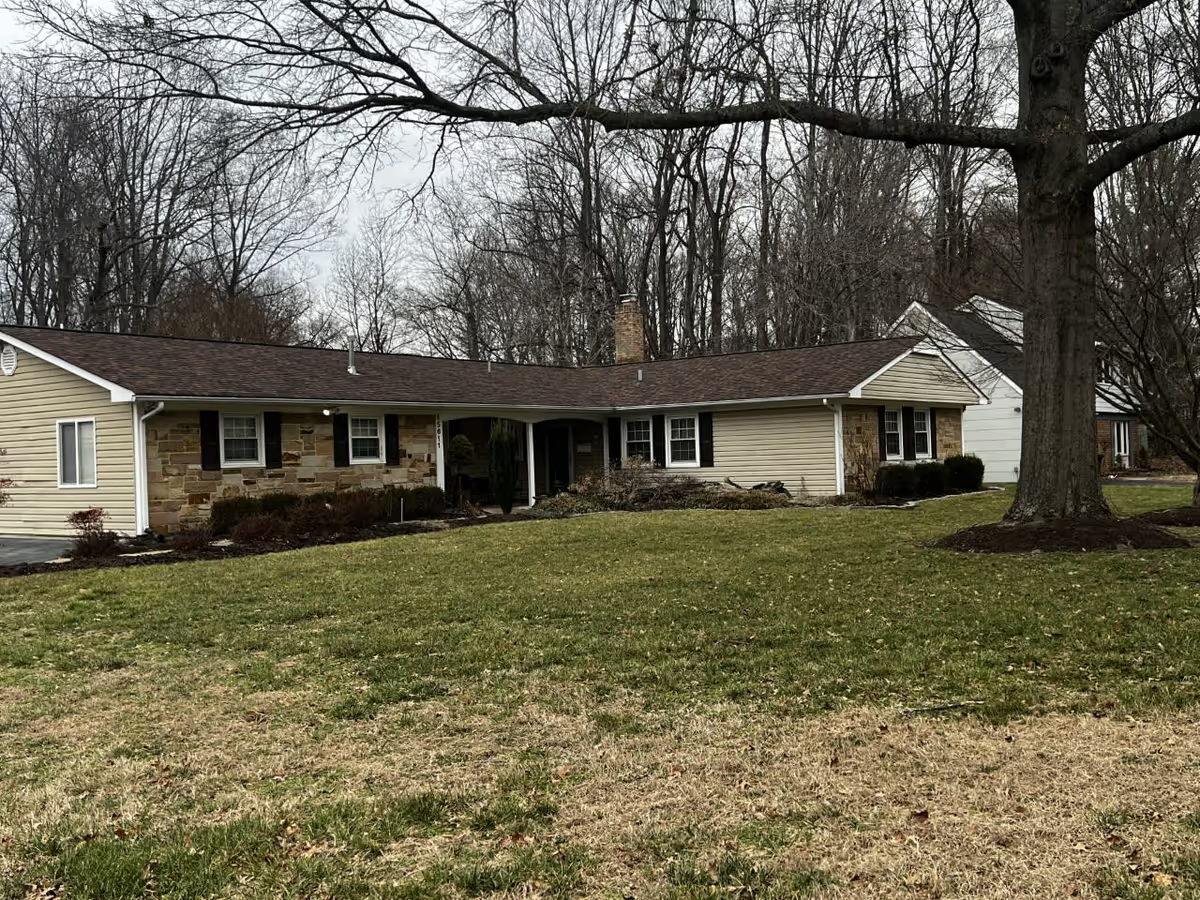
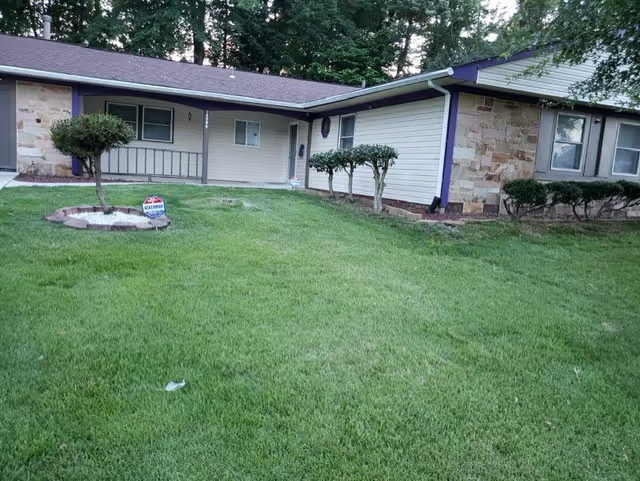
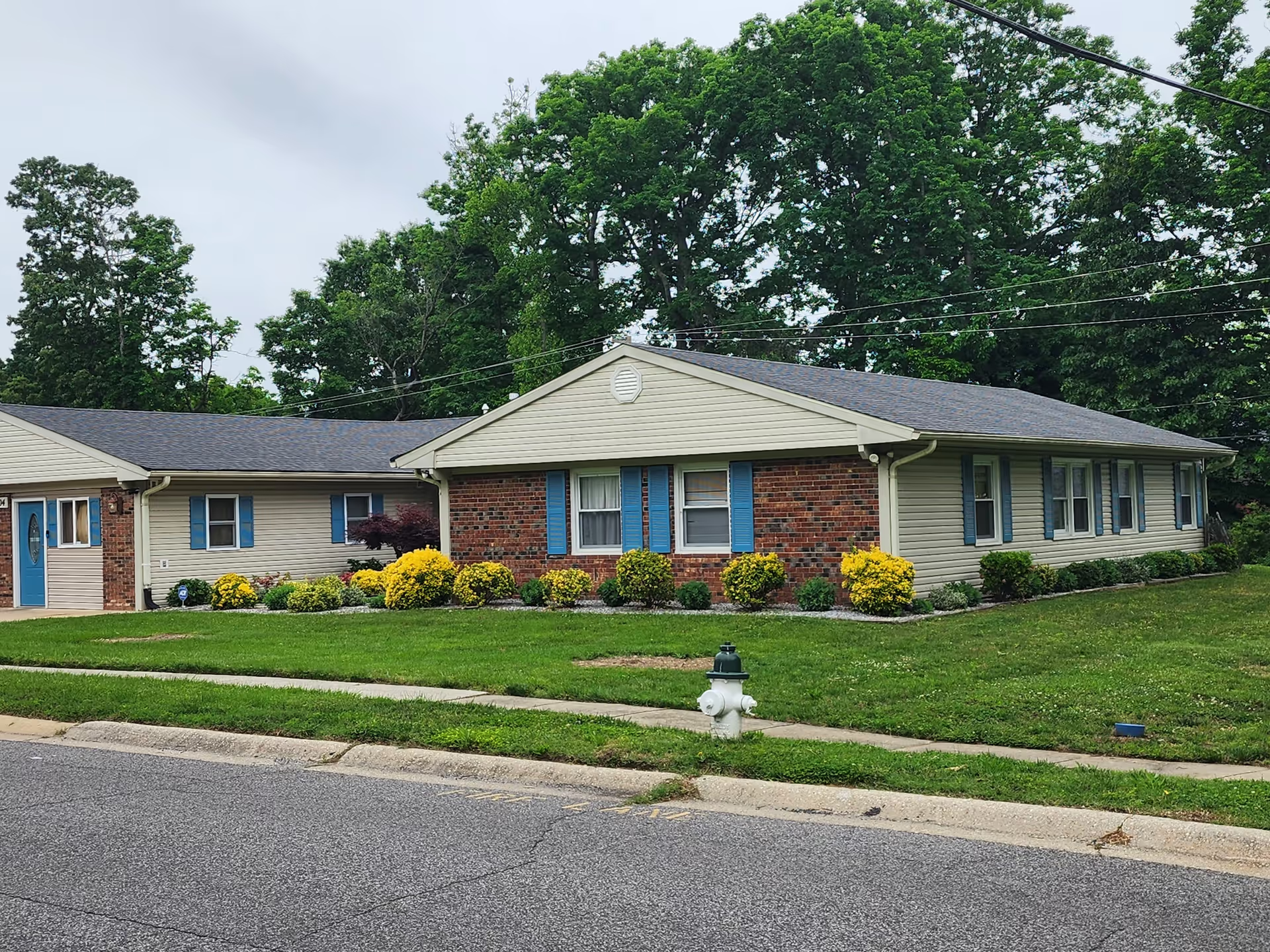
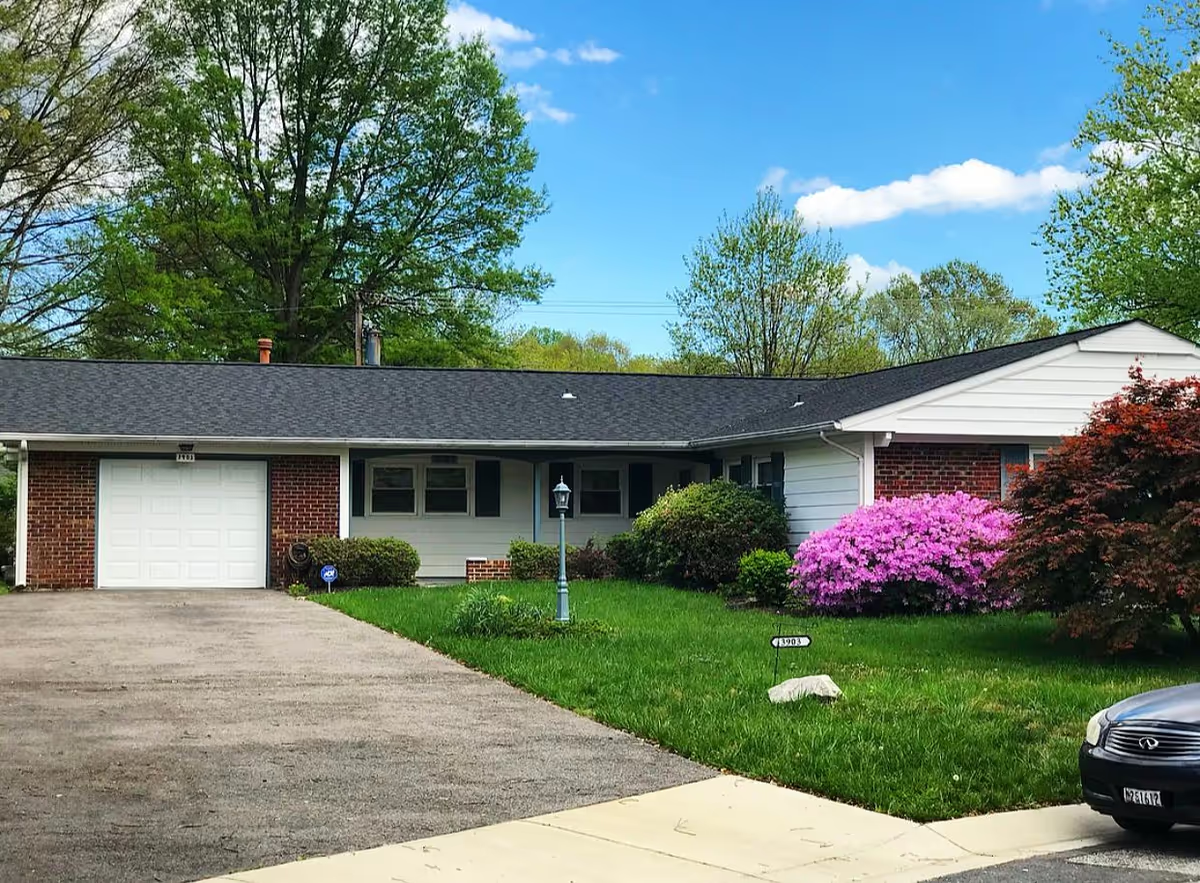
Facilities and sanitation: The physical facility is frequently described as very clean, attractive, and comfortable. However, there are isolated but recurrent sanitation and odor concerns linked to incontinence-care practices in some areas, plus a few remarks about temperature-control variability. Additionally, some comments raise questions about availability of basic infection-control supplies and consistent housekeeping practices in specific units.
Safety, discharge planning, and management: Safety monitoring and discharge processes show notable variability. Some families reported gaps in resident monitoring (including elopement/wandering risk management) and concerns about security of personal belongings. Discharge planning and provision of home equipment (hospital bed, wheelchair) are also identified as weak points in some transitions, with insufficient coordination or social-work follow-through. Management and admissions staff receive positive mentions for welcoming tours and clear communication at intake, but longer-term administrative follow-through is described as uneven. There is at least one isolated reference to external regulatory attention; families should verify current compliance and follow-up information directly with the facility.
Actionable considerations for families: The reviews suggest that prospective residents will benefit from an in-person tour and direct questions about staffing ratios on the unit, typical call-bell response times, incontinence-care protocols, physician coverage, discharge planning procedures, and equipment provision. Ask to speak with the unit manager about recent staffing and quality-improvement efforts, and request information on how the facility monitors safety events and secures resident belongings. Given the variability in experiences, individualized due diligence is recommended to assess fit for a specific care level and family expectations.