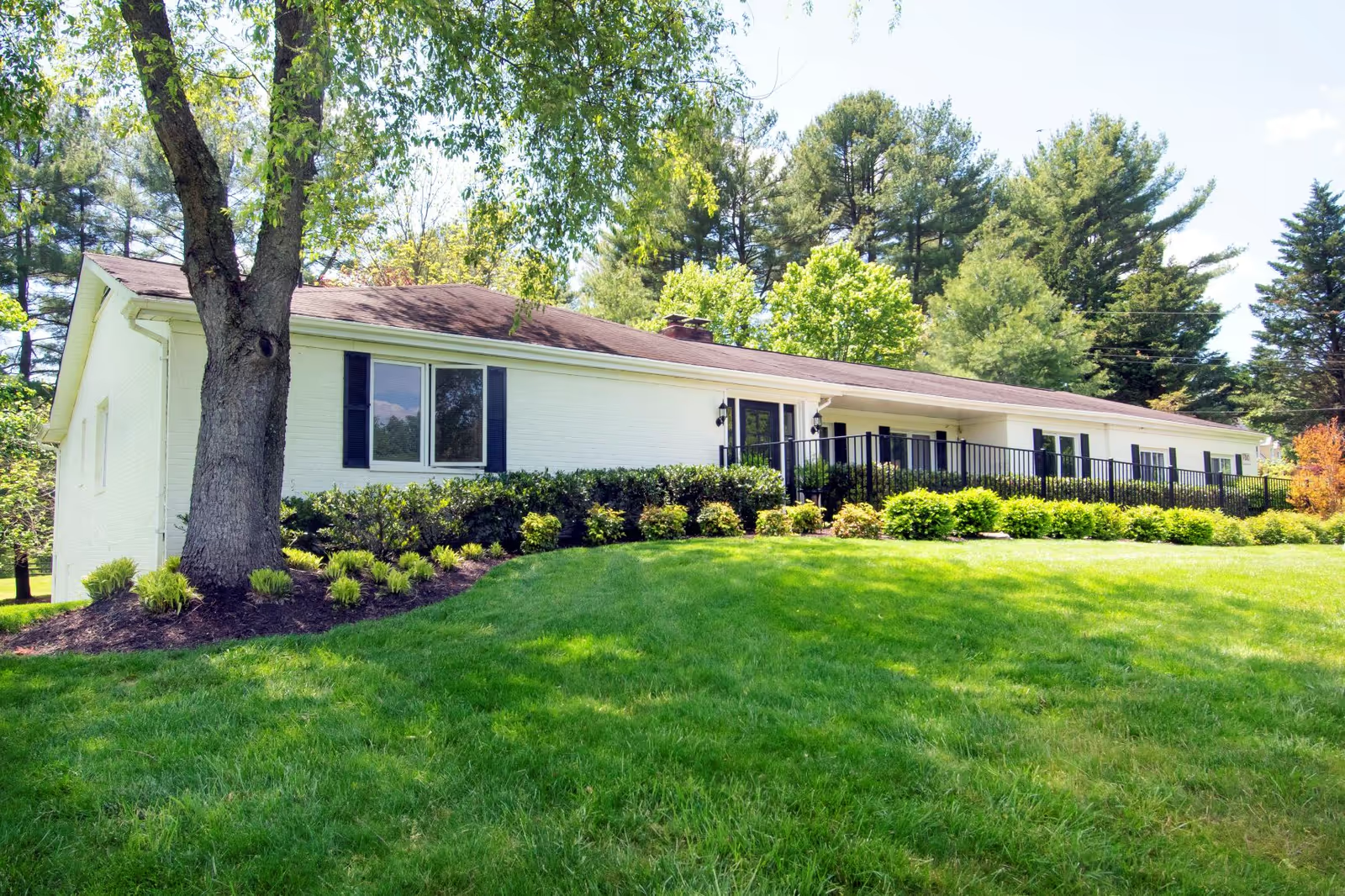
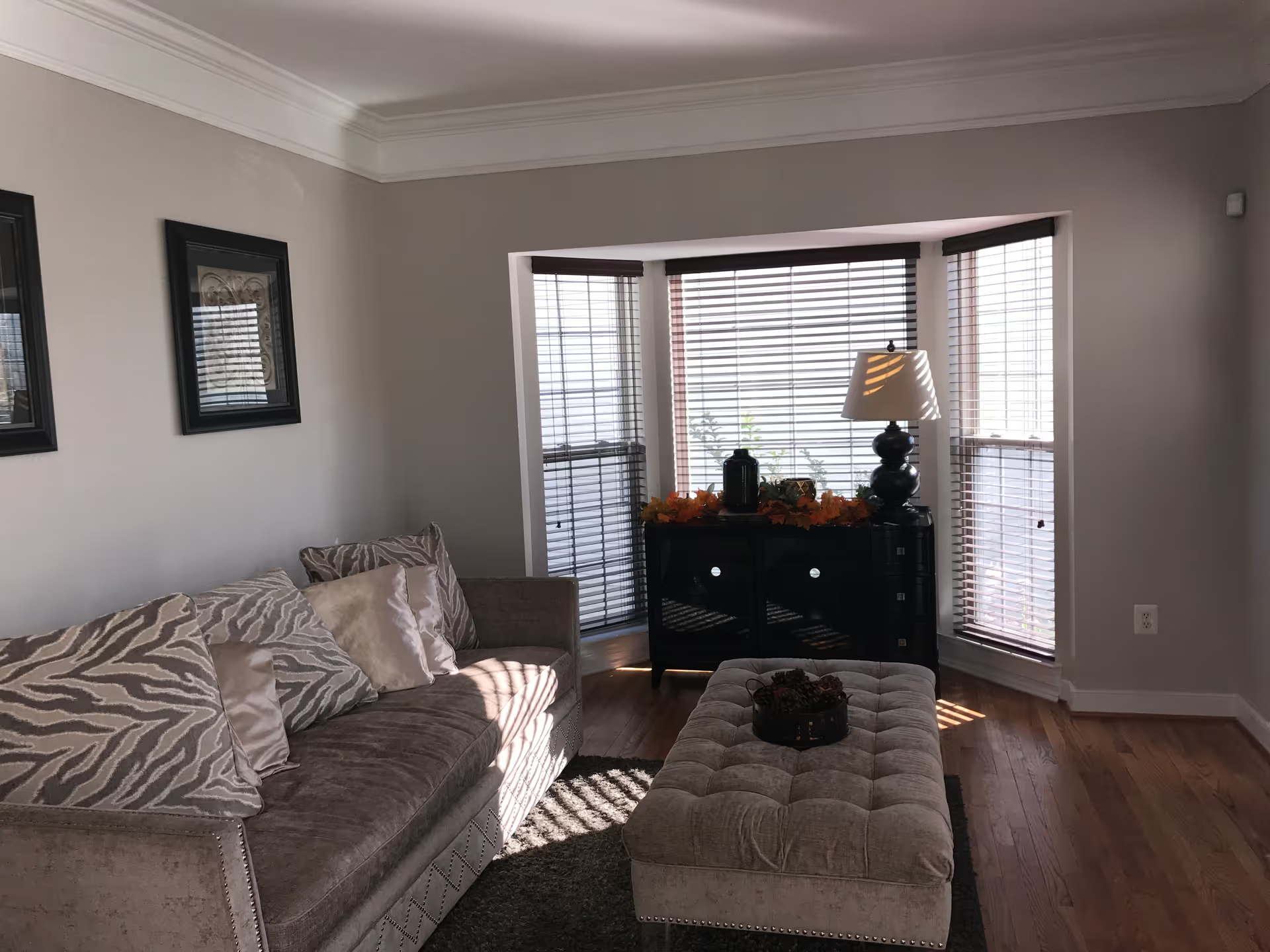
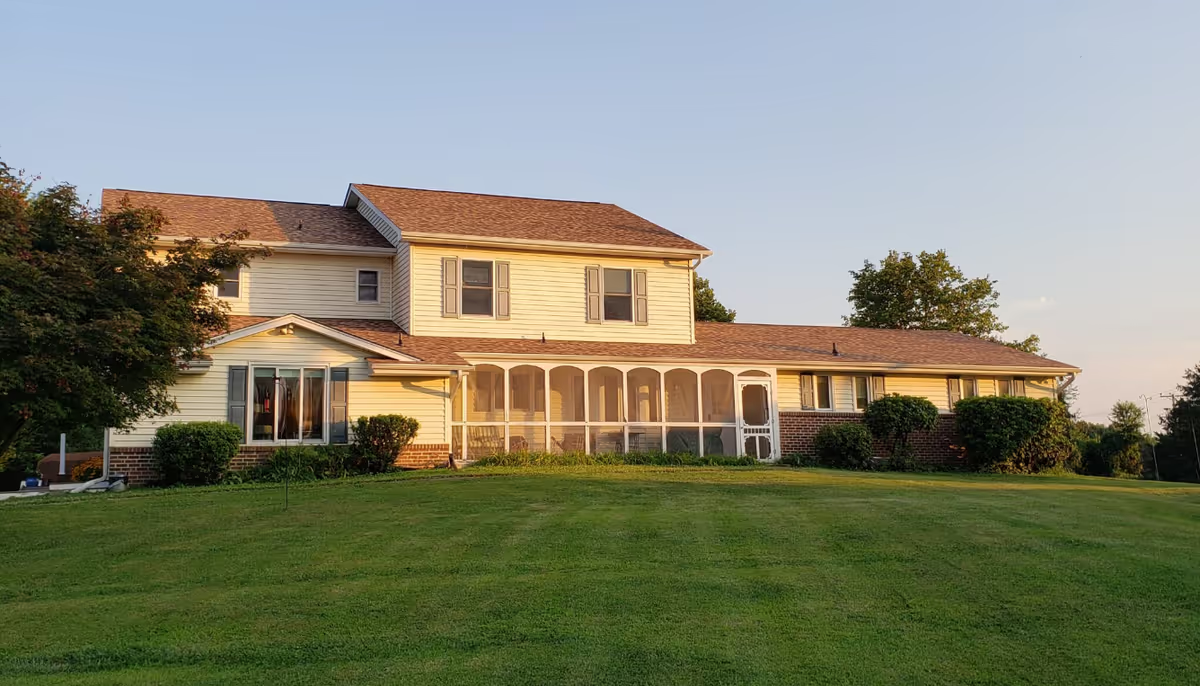
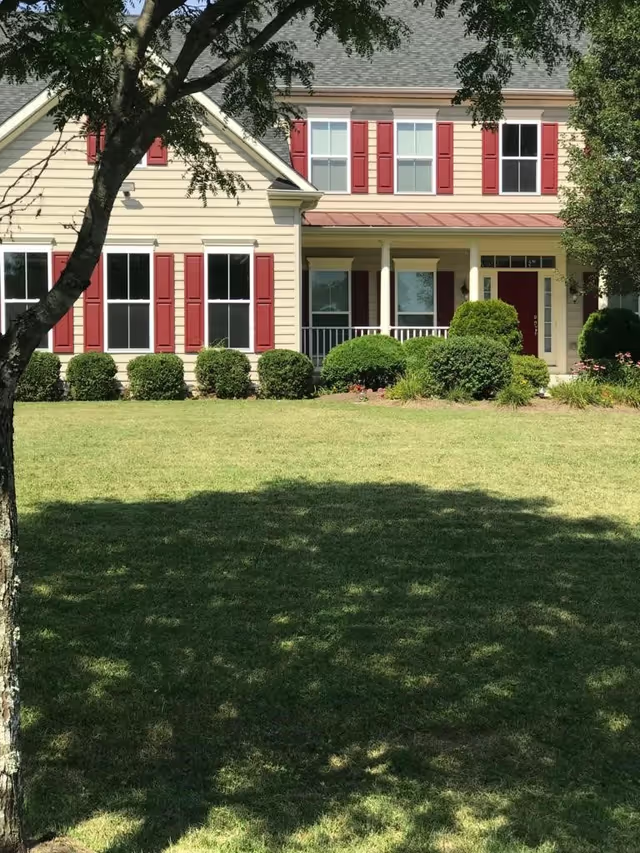
Brookeville House Assisted Living Home II presents as a small, residentially converted assisted-living home with a pronounced family-oriented atmosphere. Multiple accounts emphasize a warm, home-like environment, attractive grounds and interiors, and a small census that many families find comforting. The facility maintains 24/7 on-site caregiving with regular nursing visits, and several reviewers praised attentive nursing leadership and individualized care plans. Dining, activities, and family engagement are frequently cited strengths: many families note plentiful, well-prepared meals, daily programming, community outings such as library visits, and monthly family nights that support social connection.
Care quality and staff conduct are described in mixed terms. Numerous reviewers highlight compassionate, supportive caregivers and prompt, individualized care—examples include staff and nurses who provided strong end-of-life support and whose responsiveness exceeded expectations. At the same time, there are recurrent concerns about inconsistent staff responsiveness and conduct. Specific operational behaviors described by families include staff appearing distracted during shifts and the use of personal audio devices; these point to variability in how attentiveness and supervision are maintained across shifts.
Dining and activities are generally strengths, but reviewers are not unanimous. While many describe delicious, plentiful meals and engaging activity schedules, others reported unappetizing food on occasion, indicating some inconsistency in meal quality. The small-house model supports frequent interaction and tailored activities but also means fewer amenities and on-site services than larger assisted-living communities; prospective residents should weigh the trade-off between a homelike scale and broader program offerings.
Facility maintenance, cleanliness, and safety controls are areas of concern in several accounts. Although the property and rooms are often described as pleasant, reviewers also raised sanitation and pest-control concerns, surface-cleaning lapses, and examples of maintenance items not being addressed promptly. Operational gaps were also noted in environmental safety controls (for example, unsecured medical tubing or similar hazards), and in the absence or unreliability of in-room call-button and intercom systems, which can affect timely staff response.
Management and clinical oversight receive both praise and criticism. The owner and some managers are described as attentive, communicative, and engaged with families, and specific staff were singled out for responsiveness. Conversely, there are concerns about inconsistent management oversight, medication-administration and reminder-process gaps, and gaps in incident response and family communication. One review references an alleged serious resident incident and delayed acknowledgement from management; this raises the importance of clear incident-reporting procedures and timely family notification.
Overall, Brookeville House appears to offer a supportive, intimate setting with many families experiencing high-quality, compassionate care and strong personalization. However, recurring operational themes—cleanliness and pest-control controls, maintenance follow-through, communication systems (call buttons/intercom), staff consistency, medication-process controls, and incident-response practices—warrant careful inquiry. Prospective residents and families should tour the home, observe staff interactions across multiple shifts, ask about pest-control and sanitation protocols, review medication-management and incident-reporting procedures, and confirm available amenities to determine whether the facility’s small-house strengths align with their care and safety expectations.