Brighton Gardens of Friendship Heights is generally described as a polished, comfortable assisted-living community in a convenient residential area. Families and residents frequently praise the professional, caring staff, approachable administrators, and responsiveness to questions and individual needs. Communication with families is often described as regular and helpful, including updates from nursing staff. Residents have made positive transitions into the community, including into memory care and short-term respite care. Experiences are not uniform, however: a few accounts raise concerns about staff continuity or warmth in resident interactions, and one family found that a resident with especially intensive support needs benefited from having a privately arranged caregiver. Families should clarify the level of hands-on care included for their relative’s specific needs.
Dining is a notable strength in many accounts. Reviewers describe restaurant-style service, menu choices, attractive dining spaces, and meals they found tasty and varied. Other feedback suggests that food may not suit every resident’s preferences or cultural background, and one visitor was not impressed by the appearance of a displayed meal. Activities are frequently praised and include music, movies, games, classes, social gatherings, and trips to museums, performances, restaurants, and other local destinations. Some residents also value the opportunities to dine and socialize with peers.
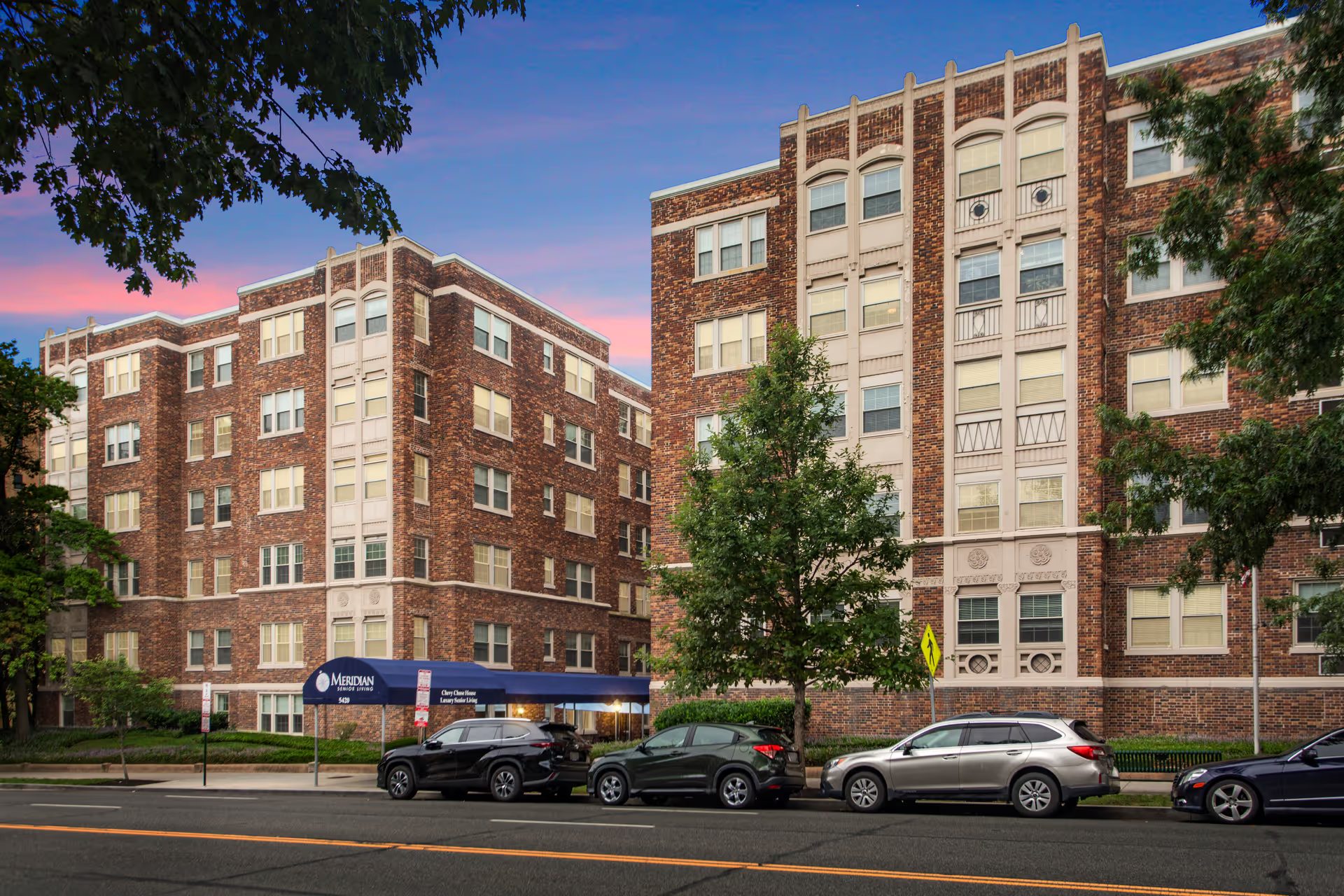
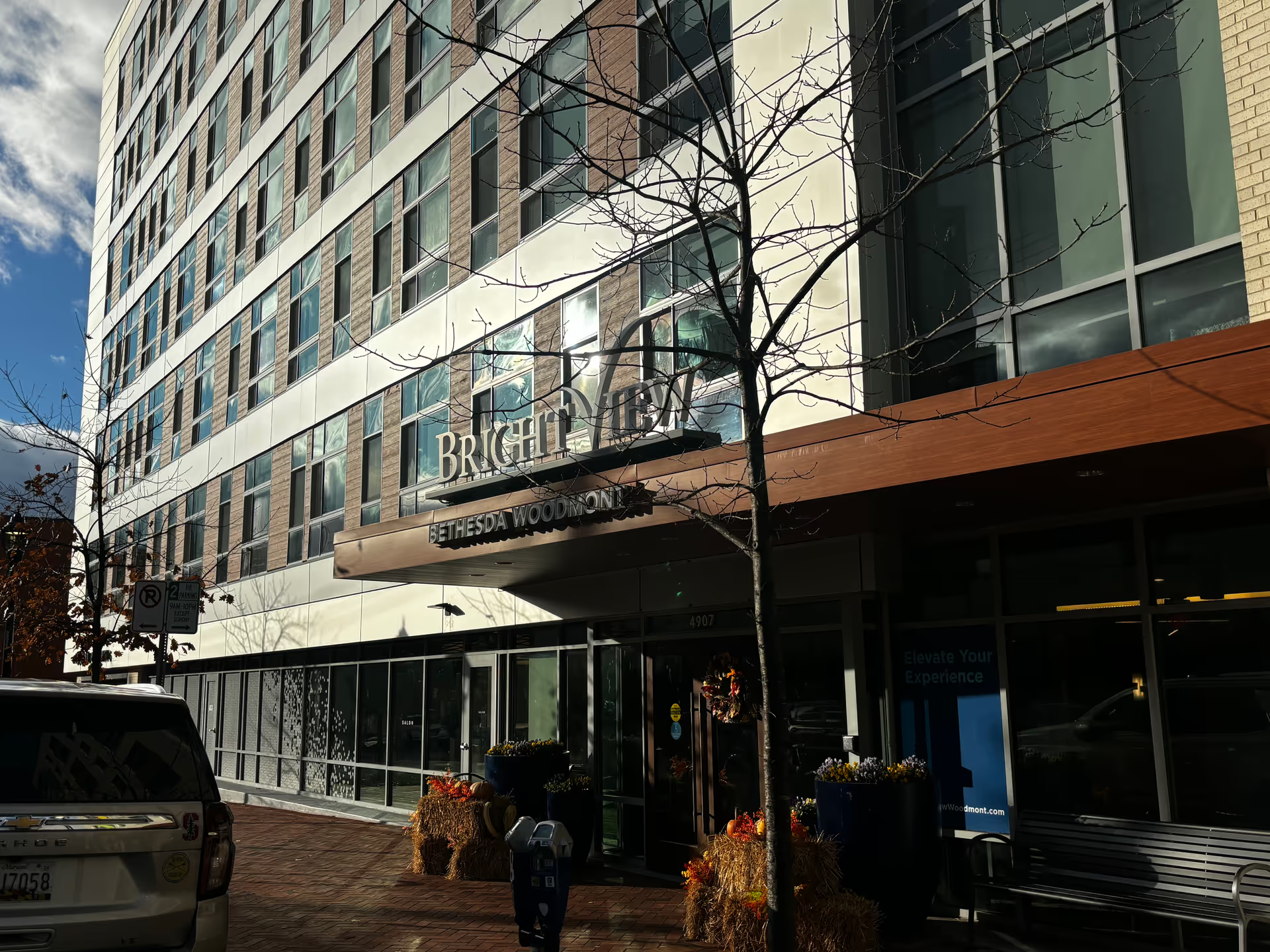
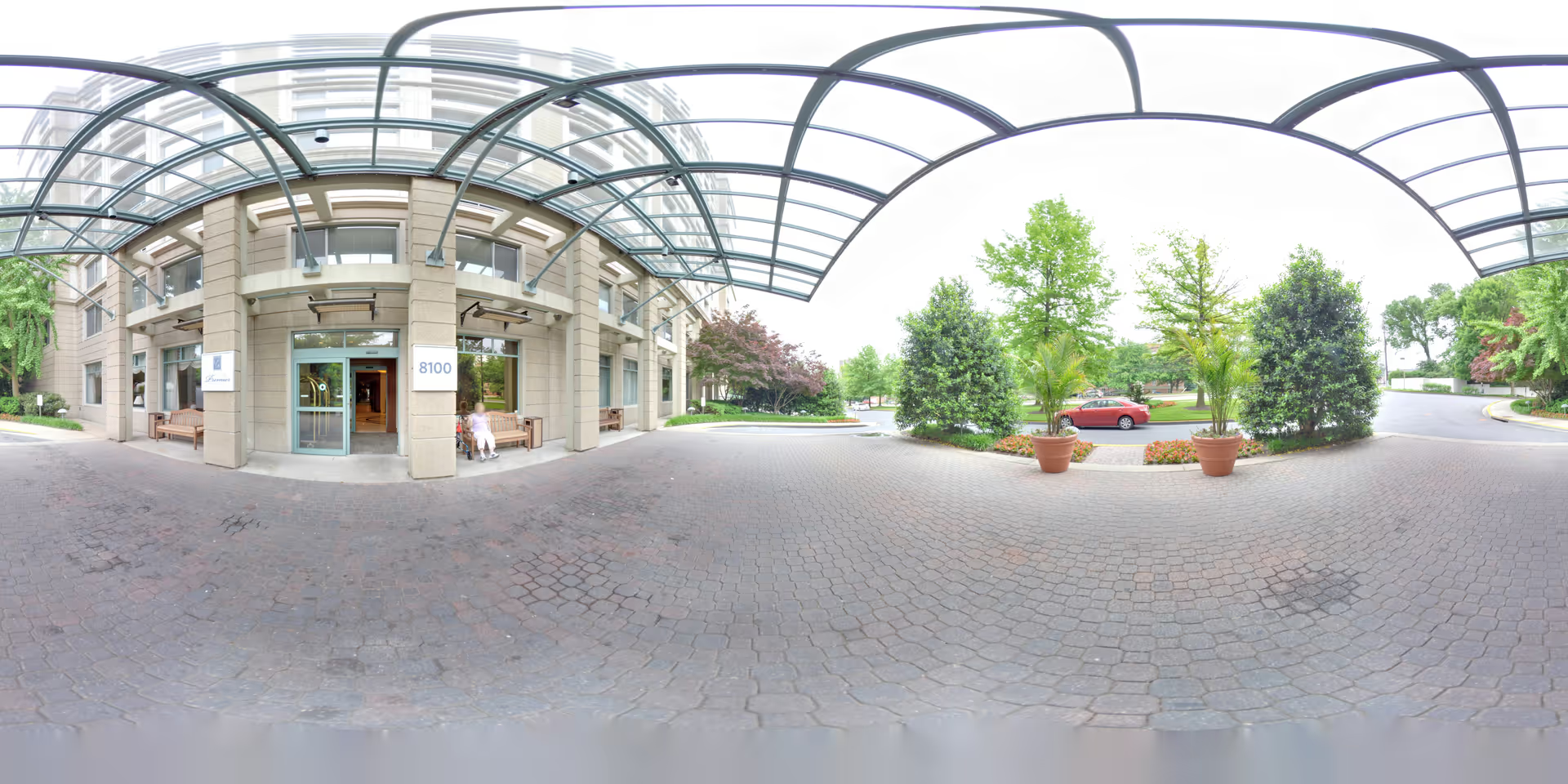
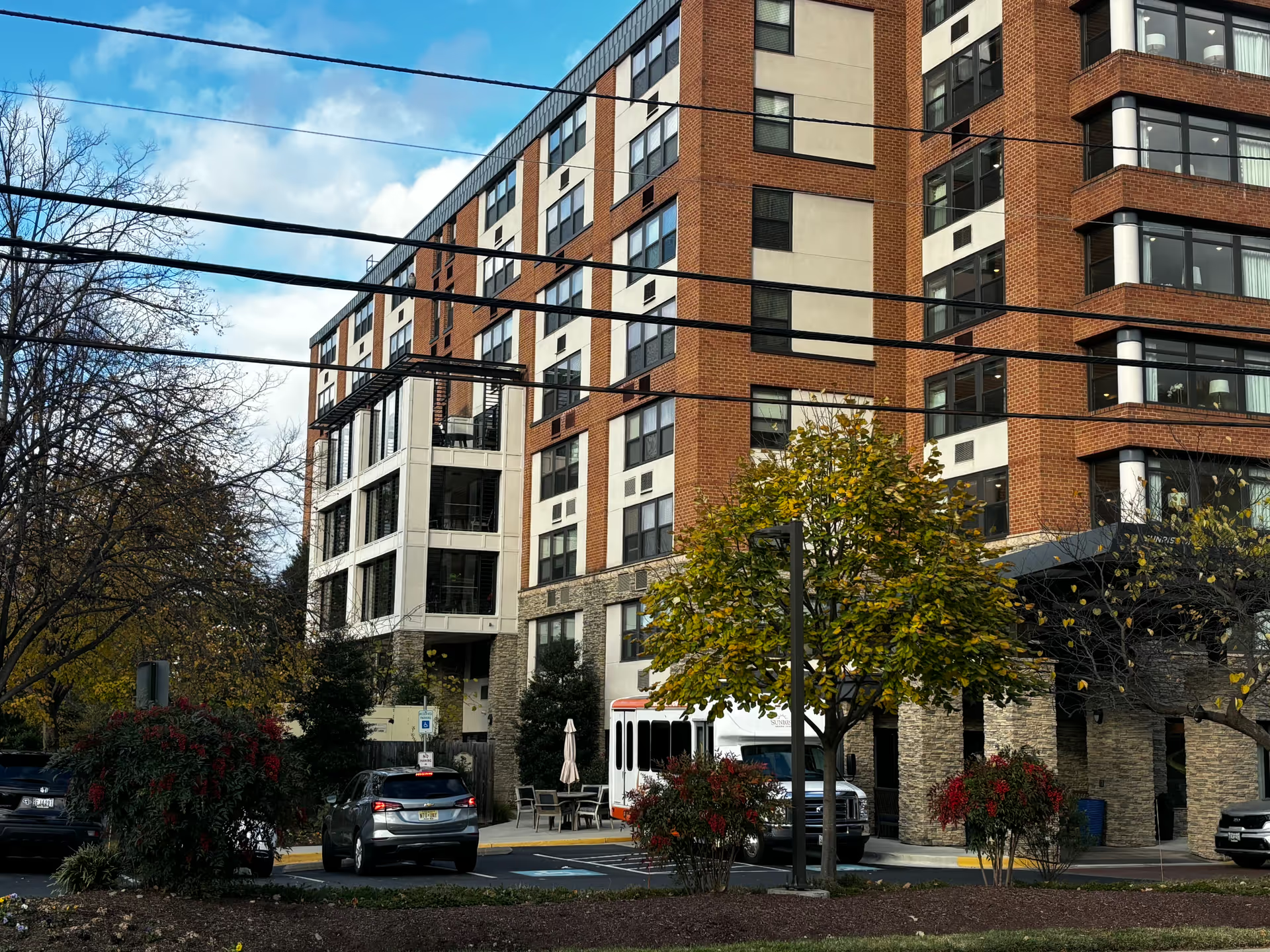
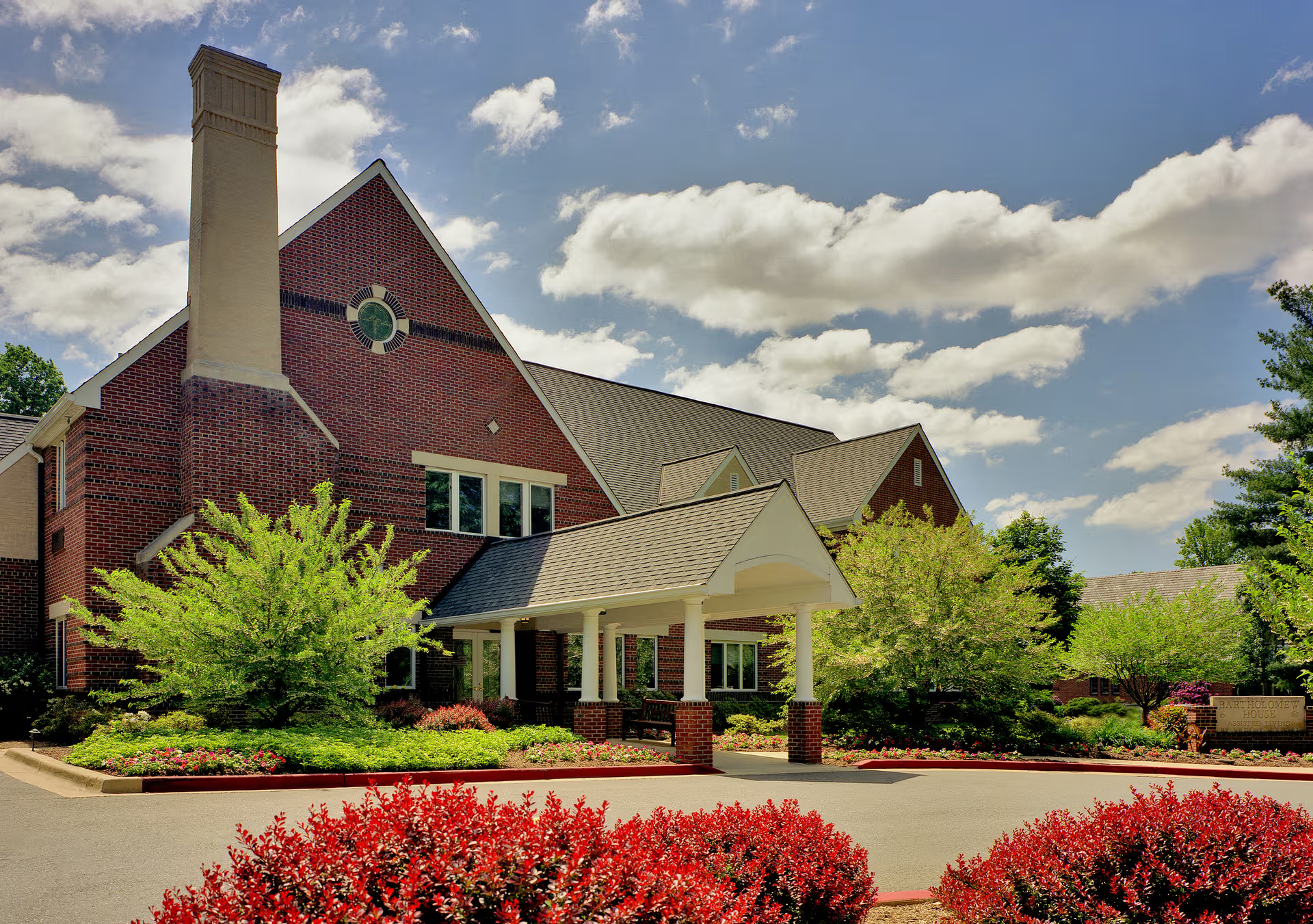
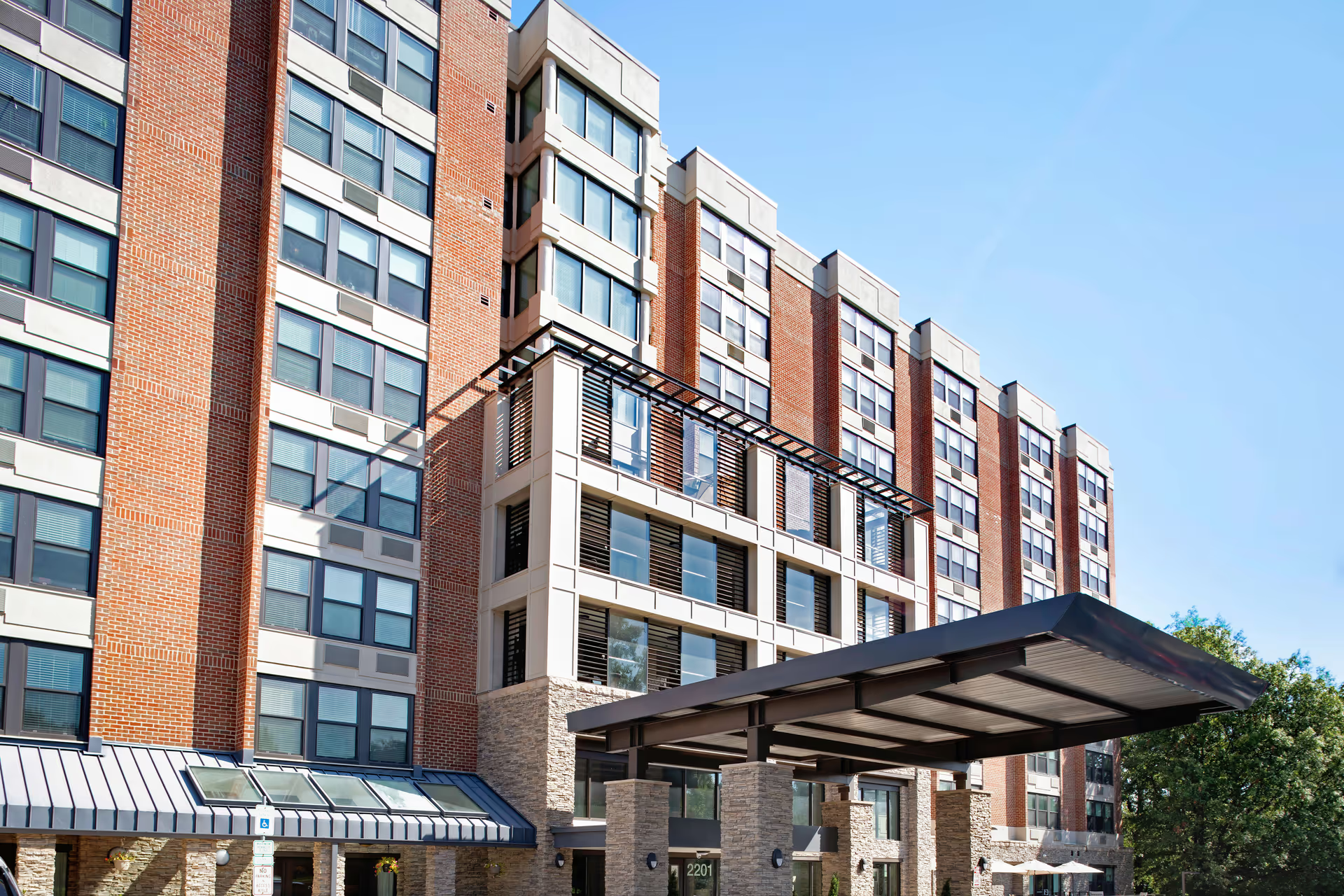
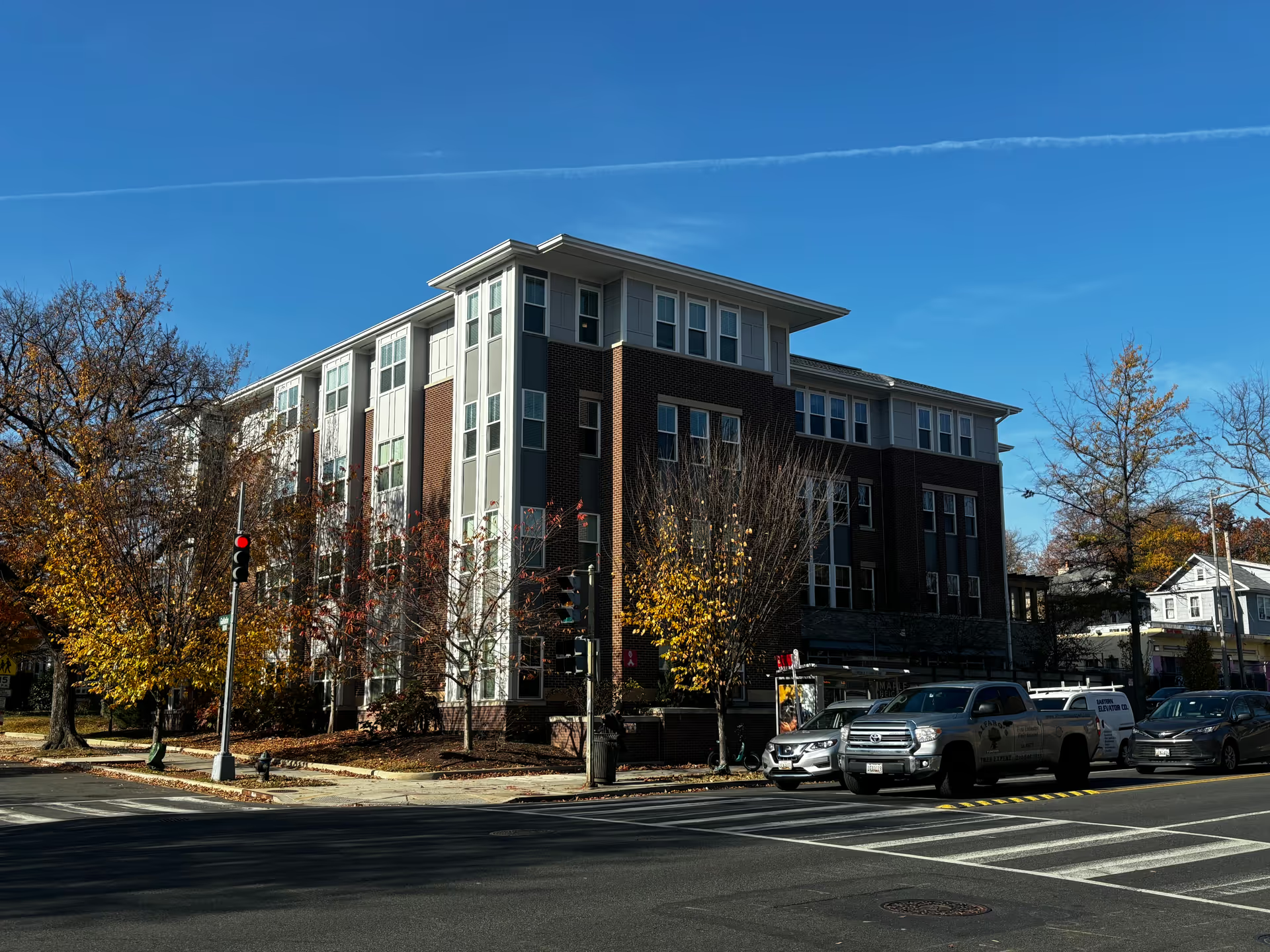
The building and surroundings are commonly described as clean, bright, elegant, and well maintained. Amenities mentioned include outdoor gardens and patios, secured outdoor space for memory-care residents, transportation, laundry service, and an on-site salon. Apartment impressions differ: some residents and families describe spacious or comfortable rooms, while some prospective residents found them too small for their needs. The location is a consistent advantage for families who live nearby and for residents who use neighborhood shops, restaurants, parks, and community facilities.
Cost is the clearest recurring drawback. Reviewers characterize the community as expensive, and some prospective families found it difficult to obtain a clear financial picture early in the decision process; others found the admissions team helpful and flexible. Care scope is also worth discussing in advance: the community offers assisted living and memory care, but reviewers note that skilled-nursing capacity is limited, and acute medical needs may require hospital care. Families may also want to confirm medication schedules, how care instructions are coordinated, and the expected housekeeping frequency. Overall, feedback is strongly favorable about the environment, activities, location, and staff, with affordability and clarity about services and care limits being important considerations.