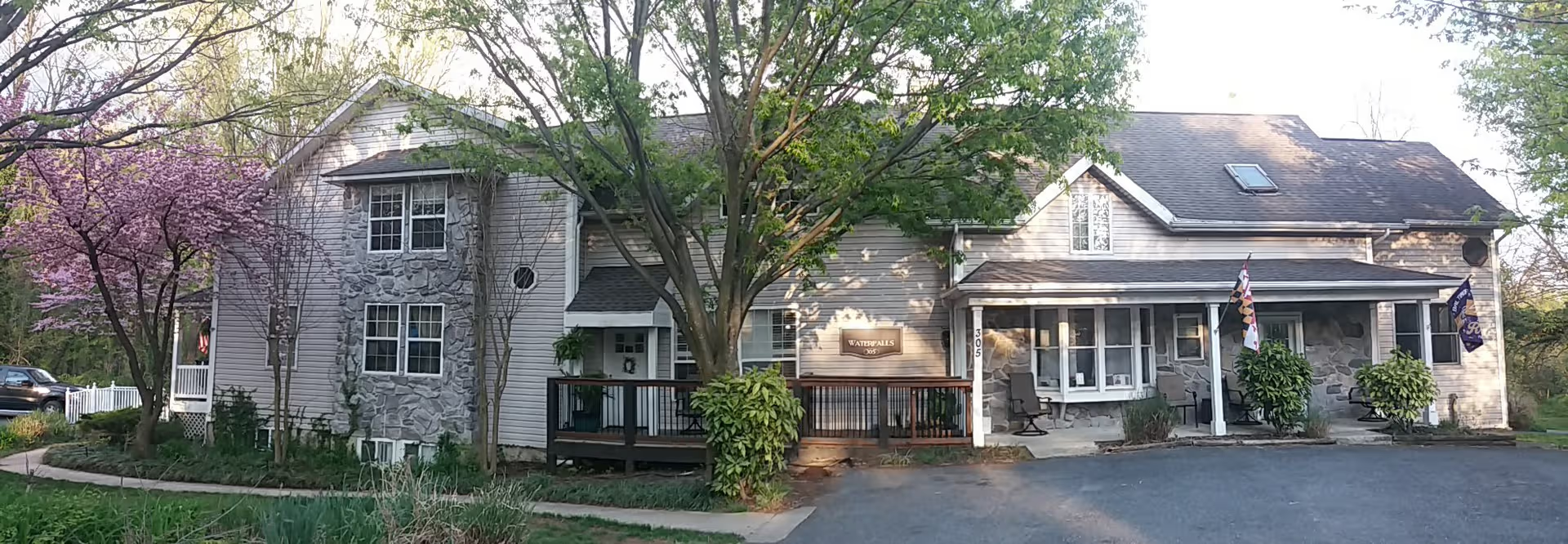
Ivy Manor Normandy presents as a small, owner-operated assisted living option that is repeatedly described as home-like and family focused. The facility is organized as two eight-resident houses, which reviewers link to a high caregiver-to-resident ratio, personalized attention, and continuity of care. Ownership and management are described as hands-on and responsive; families frequently cite warm, compassionate staff interactions, strong communication, and examples of staff providing emotional support beyond routine care.
Clinical supports include 24-hour assisted living coverage, licensed medication technicians, and an on-call nurse. The community also coordinates hospice and visiting specialty providers (primary care, podiatry), which many families found helpful for end-of-life and ongoing medical needs. At the same time, the facility’s small scale appears to constrain its ability to manage higher-acuity medical or complex behavioral cases; several remarks suggest families should confirm clinical capacity if advanced care needs are anticipated.
Dining and daily life are emphasized as strengths. Reviewers describe homemade, varied meals served on real dishes, weekly input on menus, snacks, and attention to nutrition. Programming is active for a small community: daily walking and exercise, gardening, art-therapy offerings, weekly piano sing‑alongs, holiday events, and bus trips to a nearby senior center. These elements reinforce the facility’s social and rehabilitative focus rather than institutional programming.
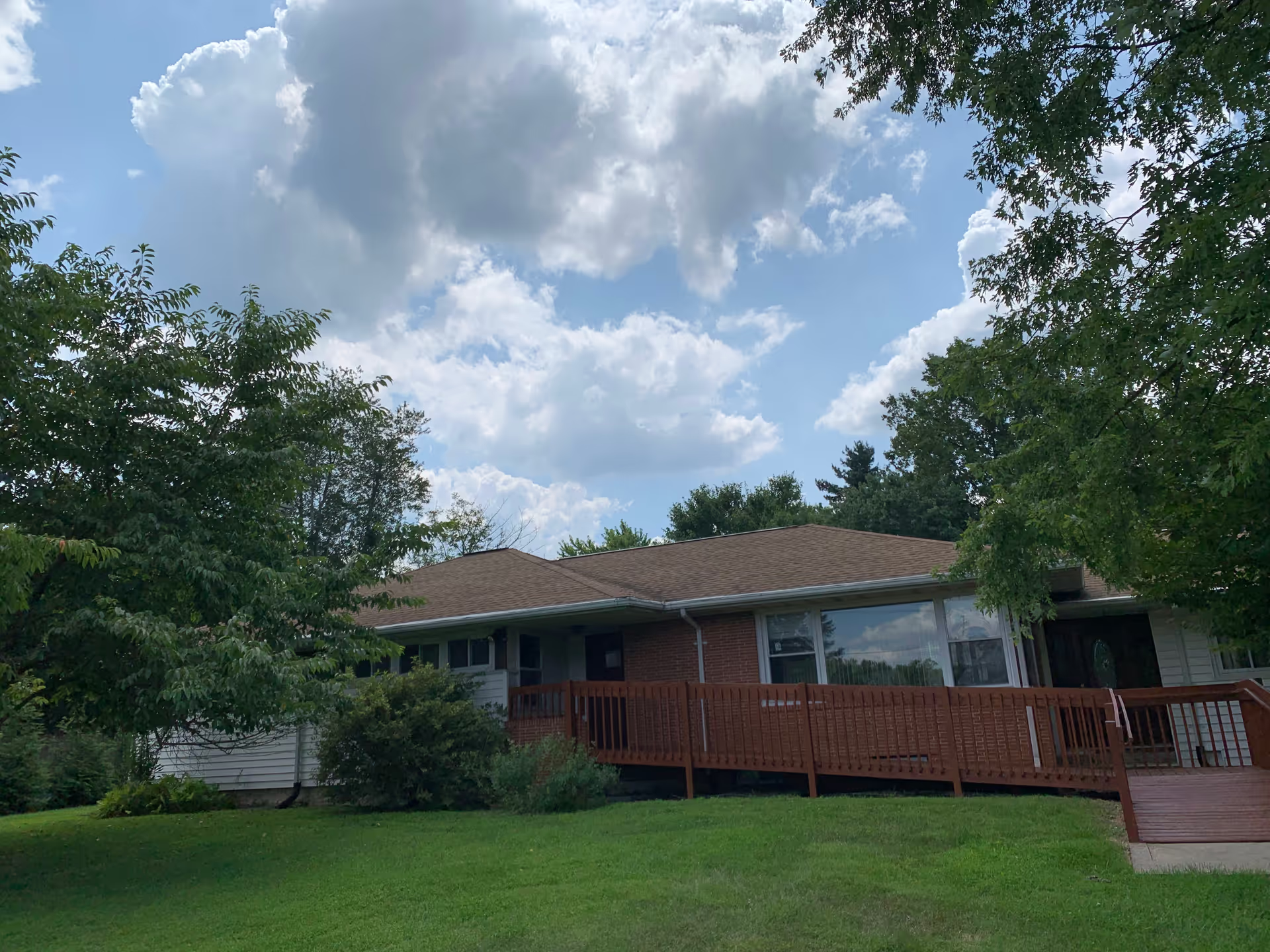
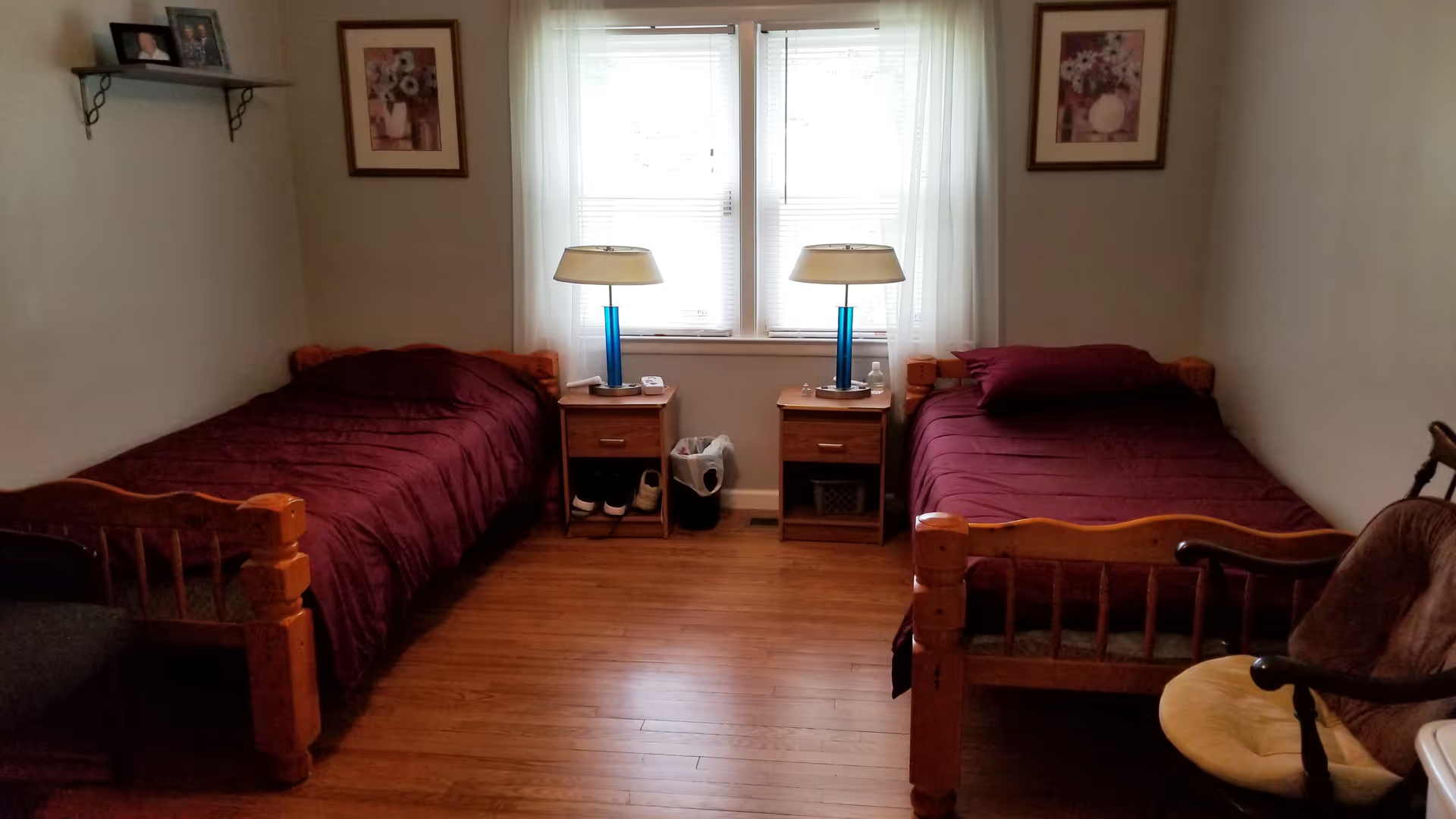
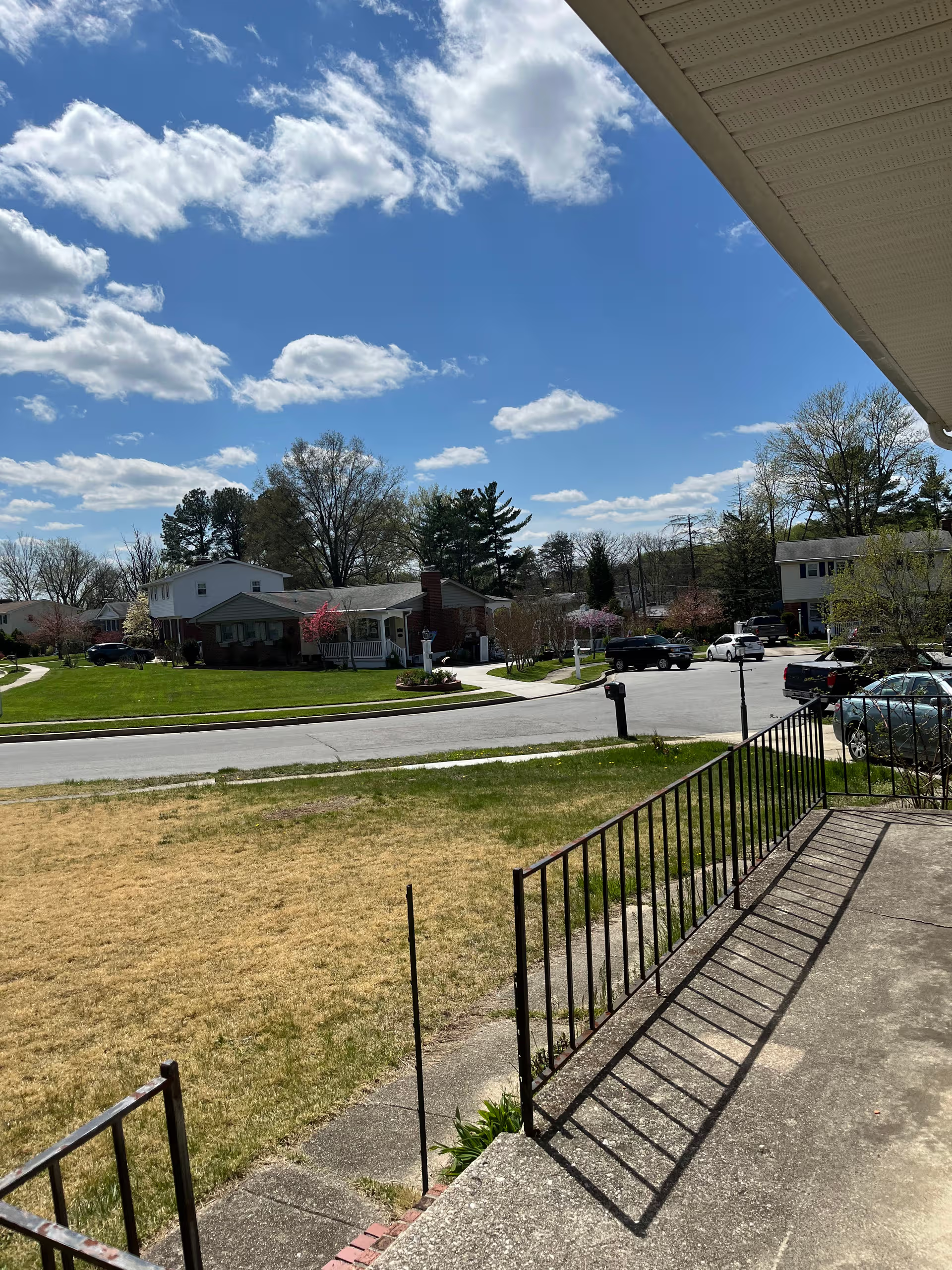
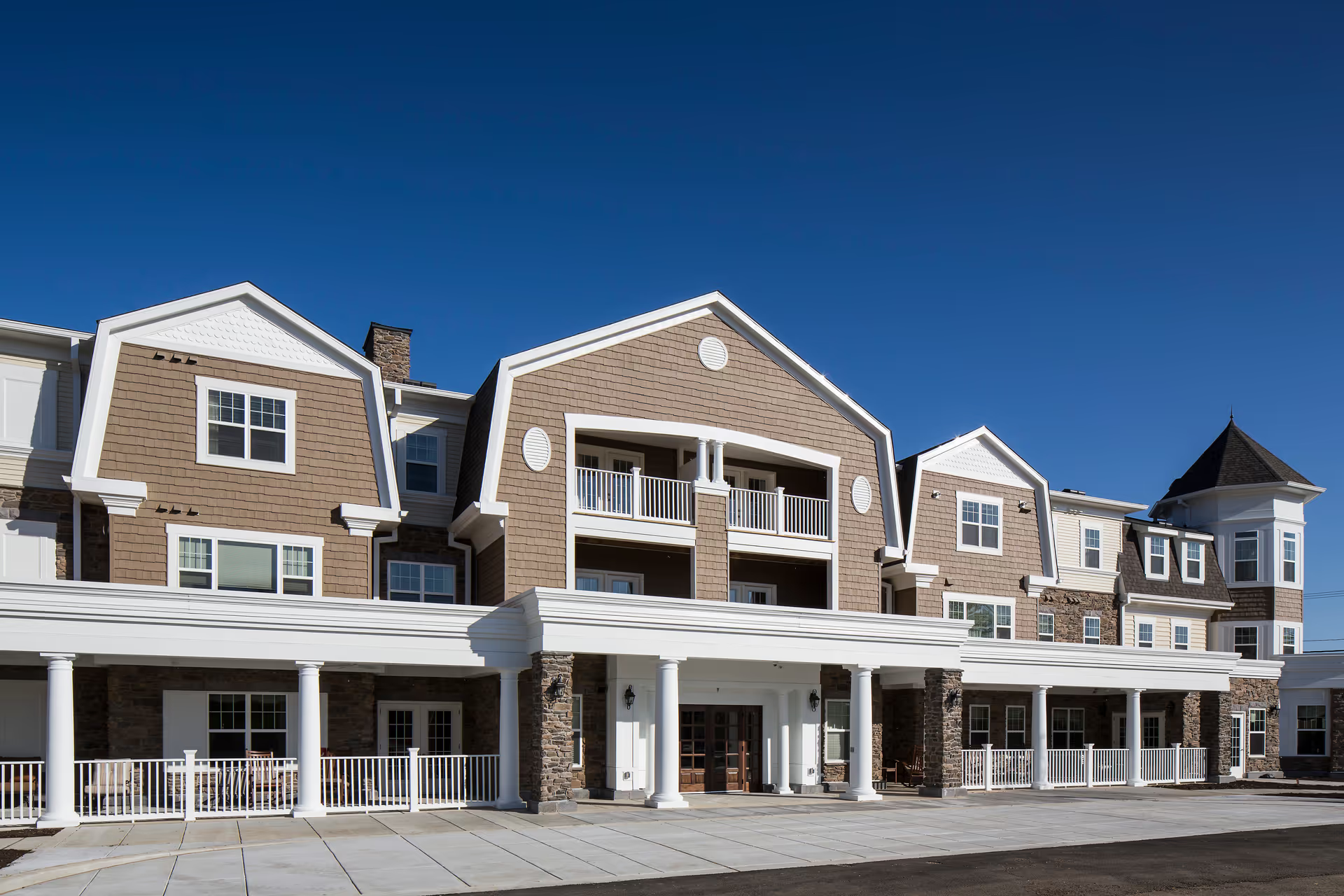
Facilities are consistently described as clean, recently renovated in parts, and furnished to feel residential rather than clinical. Rooms may include cable/TV and flexible layouts; grounds are maintained and provide outdoor access. However, the property has accessibility limitations — unavoidable steps in places and reliance on a stair or chair-lift solution — and seasonal exterior maintenance (e.g., leaf-covered walkways) can affect driveway/sidewalk access. Private room availability can be constrained, and the small-house model naturally limits the range of on-site clinical services and amenities compared with larger communities.
Operationally, the provider accepts Medicaid waivers and subsidies and offers transportation to appointments, which supports families managing costs and logistics. Financial policies include a premium monthly fee range and a one-month non‑refundable deposit; prospective residents should review contract terms and room availability in advance. Overall, the prevailing pattern in the reviews is consistent praise for staff warmth, individualized attention, and a residential atmosphere, balanced with practical limitations related to accessibility, private-room availability, and the facility’s capacity for more intensive medical needs.