Overall impression: Reviews present a broadly favorable view of the facility’s caregiving and community life while also identifying several operational weak spots. Many families praise the staff as compassionate, well trained, and highly engaged: caregivers, supportive case managers, and front-desk/security personnel receive repeated positive mention. Families also describe clear strengths in safety monitoring and in-family communication when incidents occur, along with an active program of events, musicians, field trips, and on-campus clubs that contribute to resident engagement and a family-like atmosphere.
Care and staff: Care quality is commonly described as strong. Reviewers note frequent staff check-ins, personalized attention, and effective case-management support. Administration and some clinical staff are characterized as responsive and attentive, particularly around incident follow-up and COVID-era precautions. At the same time, several descriptions point to inconsistent staffing levels that can leave caregivers stretched thin; that operational pattern is associated with delays in attending to resident needs and variability in day-to-day responsiveness.
Dining and activities: The community offers a lively activities calendar and a variety of social opportunities that many families find meaningful. Dining is a mixed area: a number of residents and families enjoy the food, menu customization, and dining-room options on each floor, while others report limited menu variety, uneven meal freshness, and meals they find less appetizing. This suggests that meal quality and menu rotation may vary by unit, shift, or time of year.
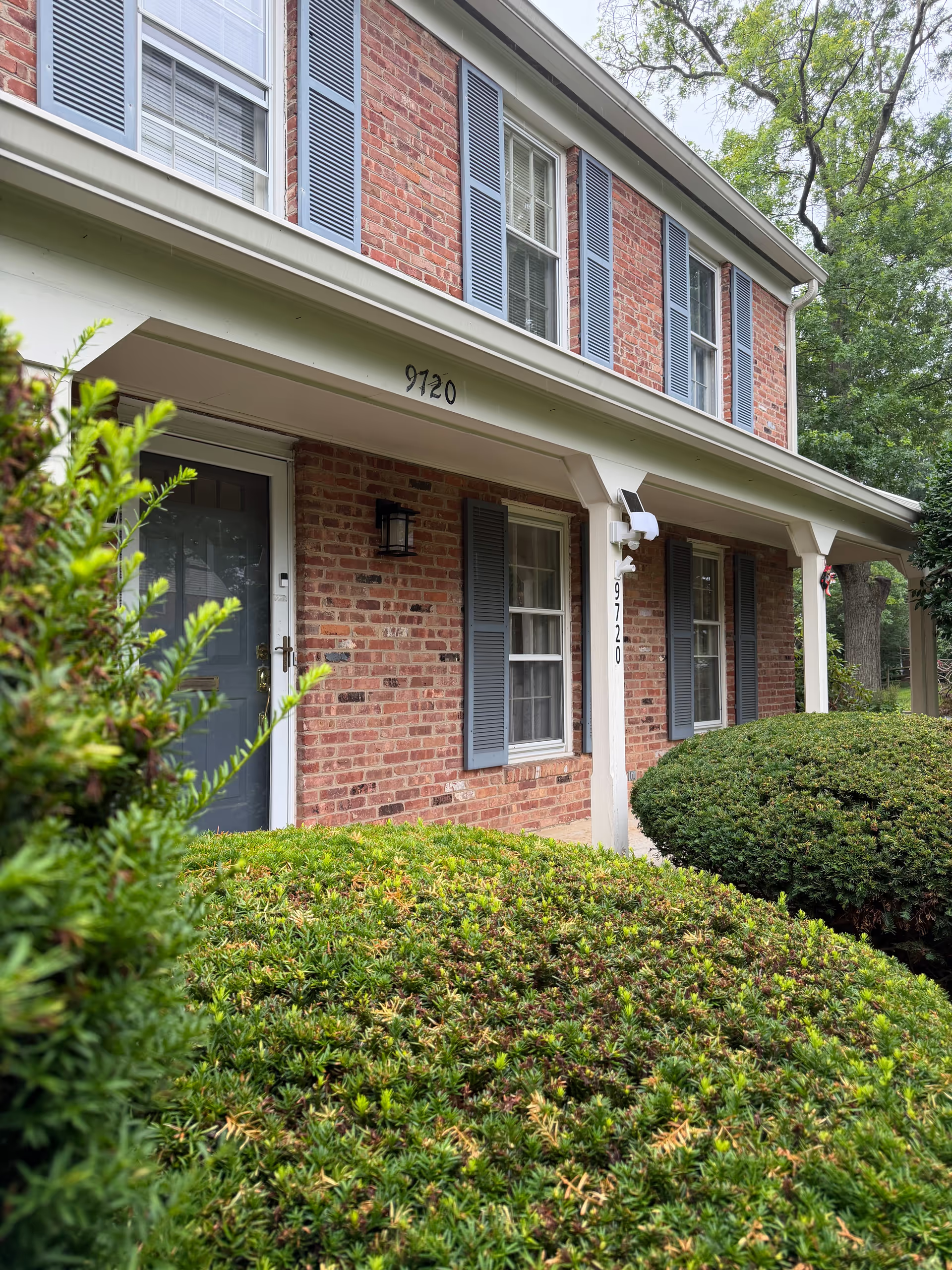
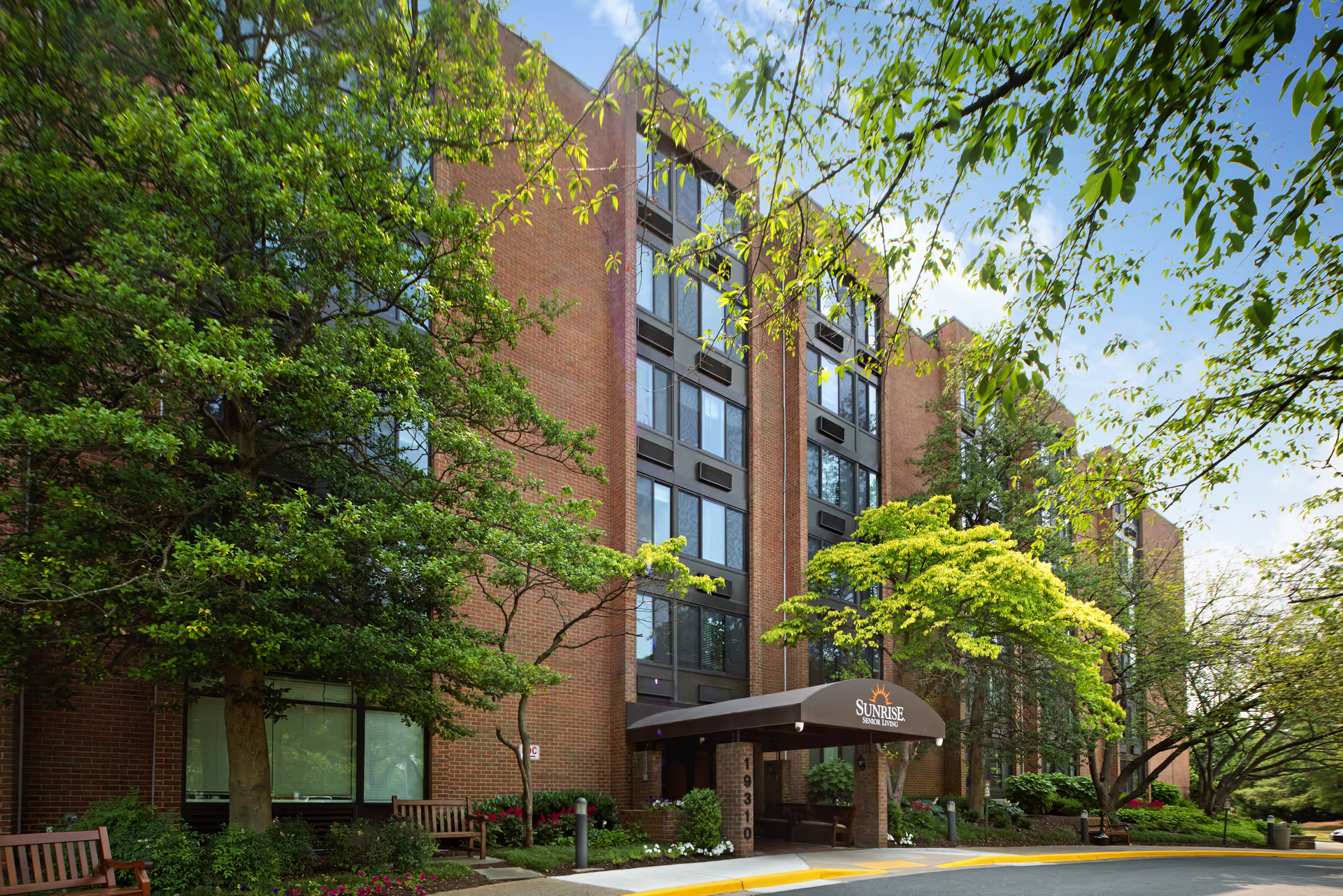
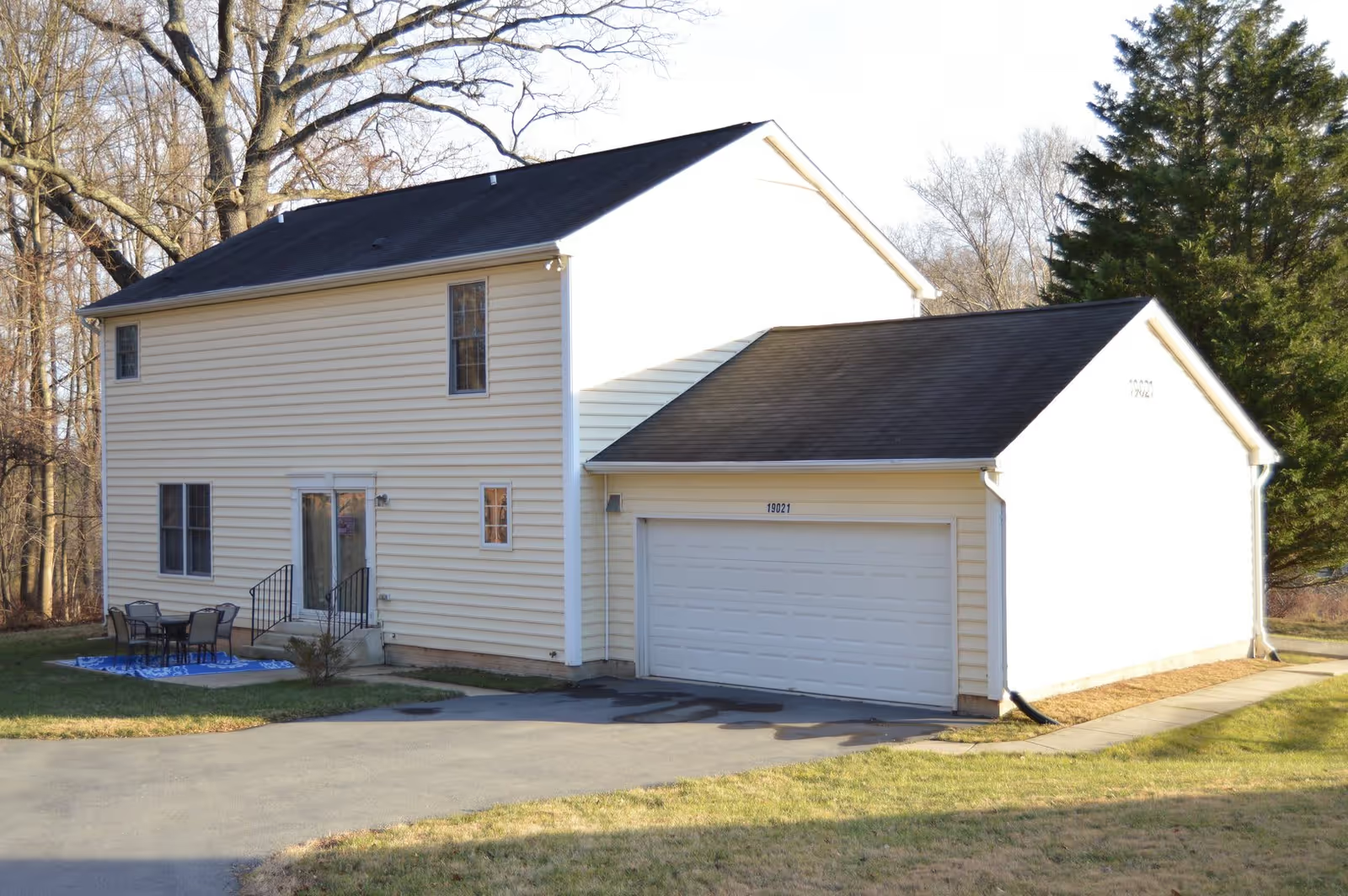
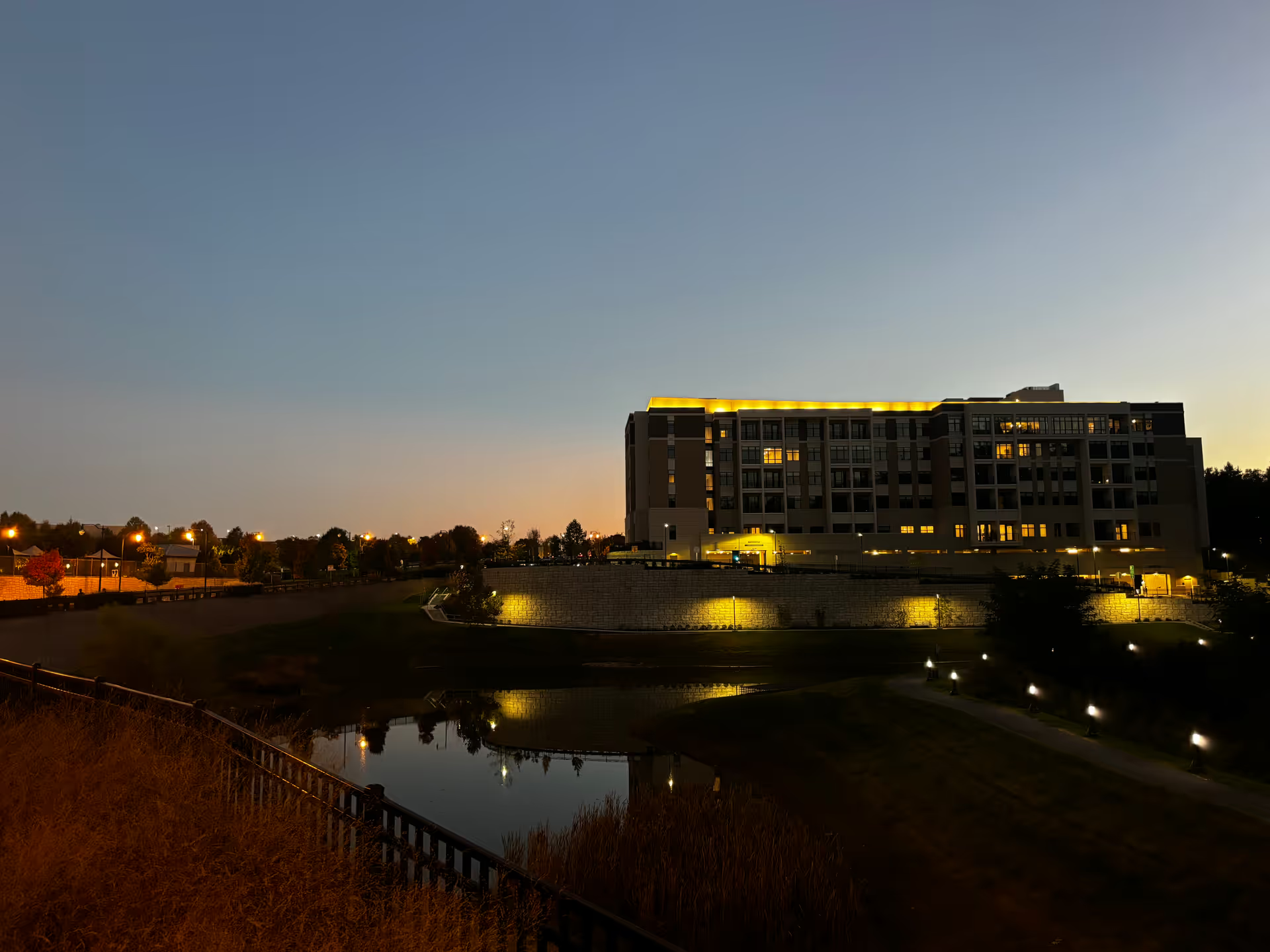
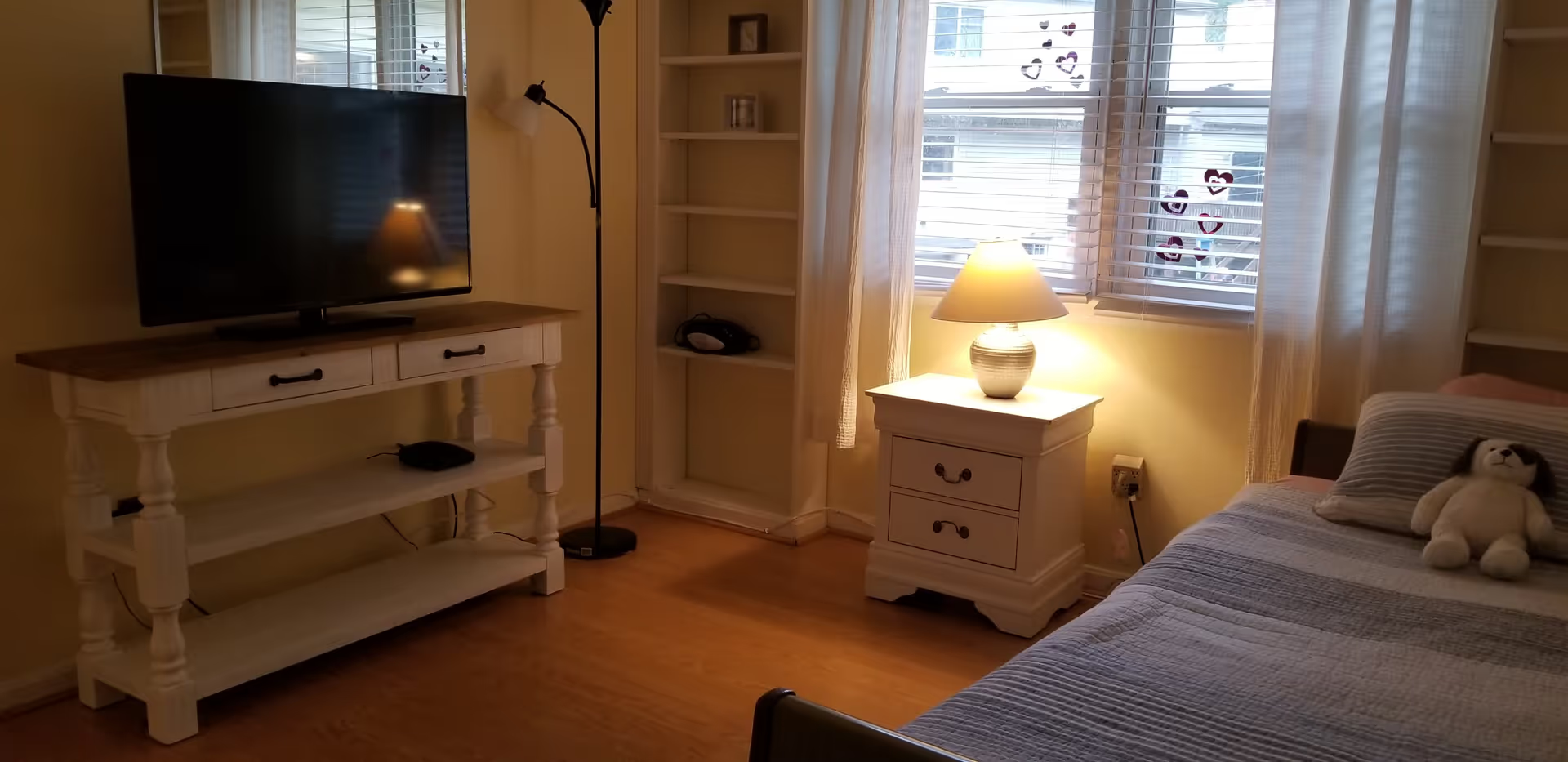
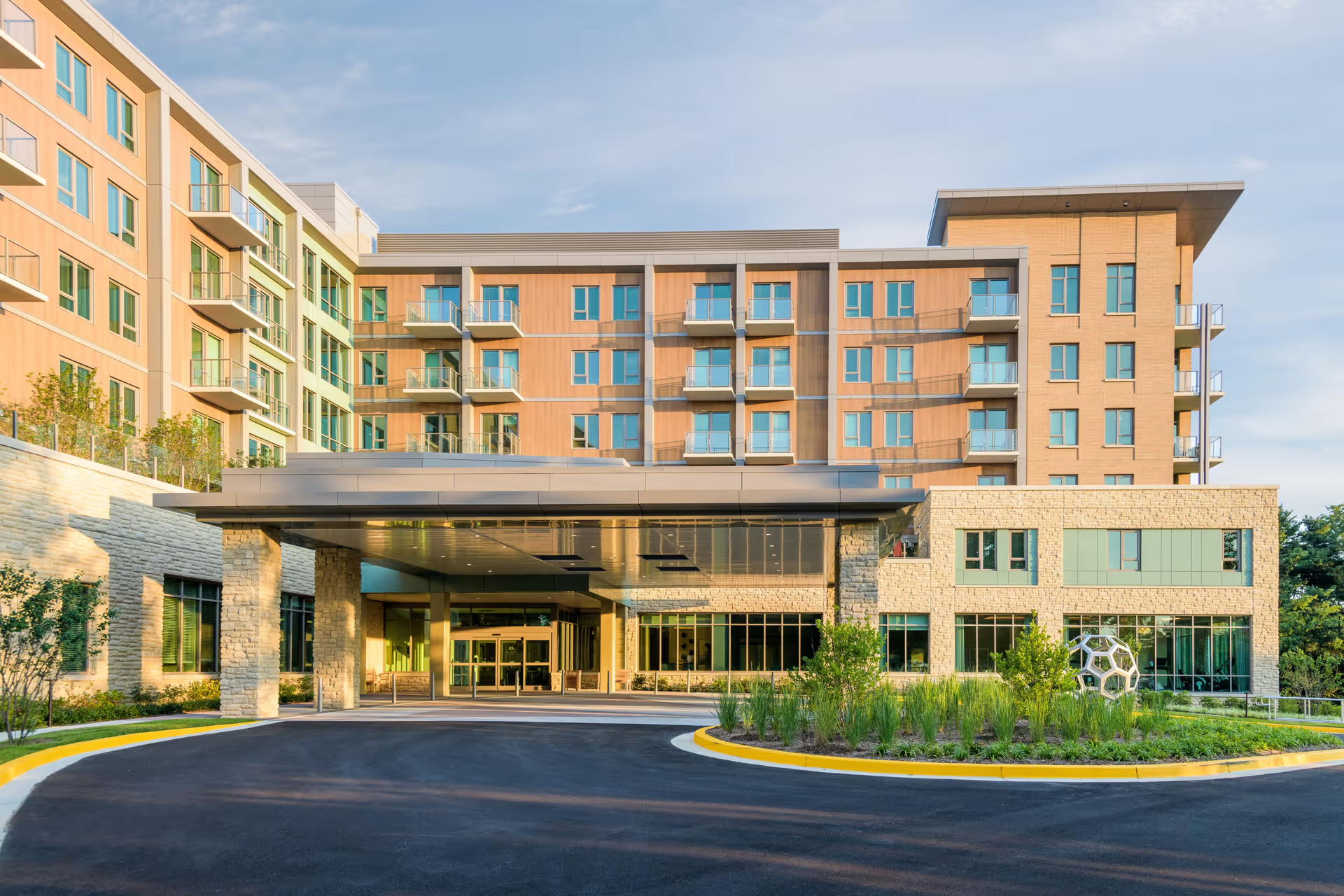
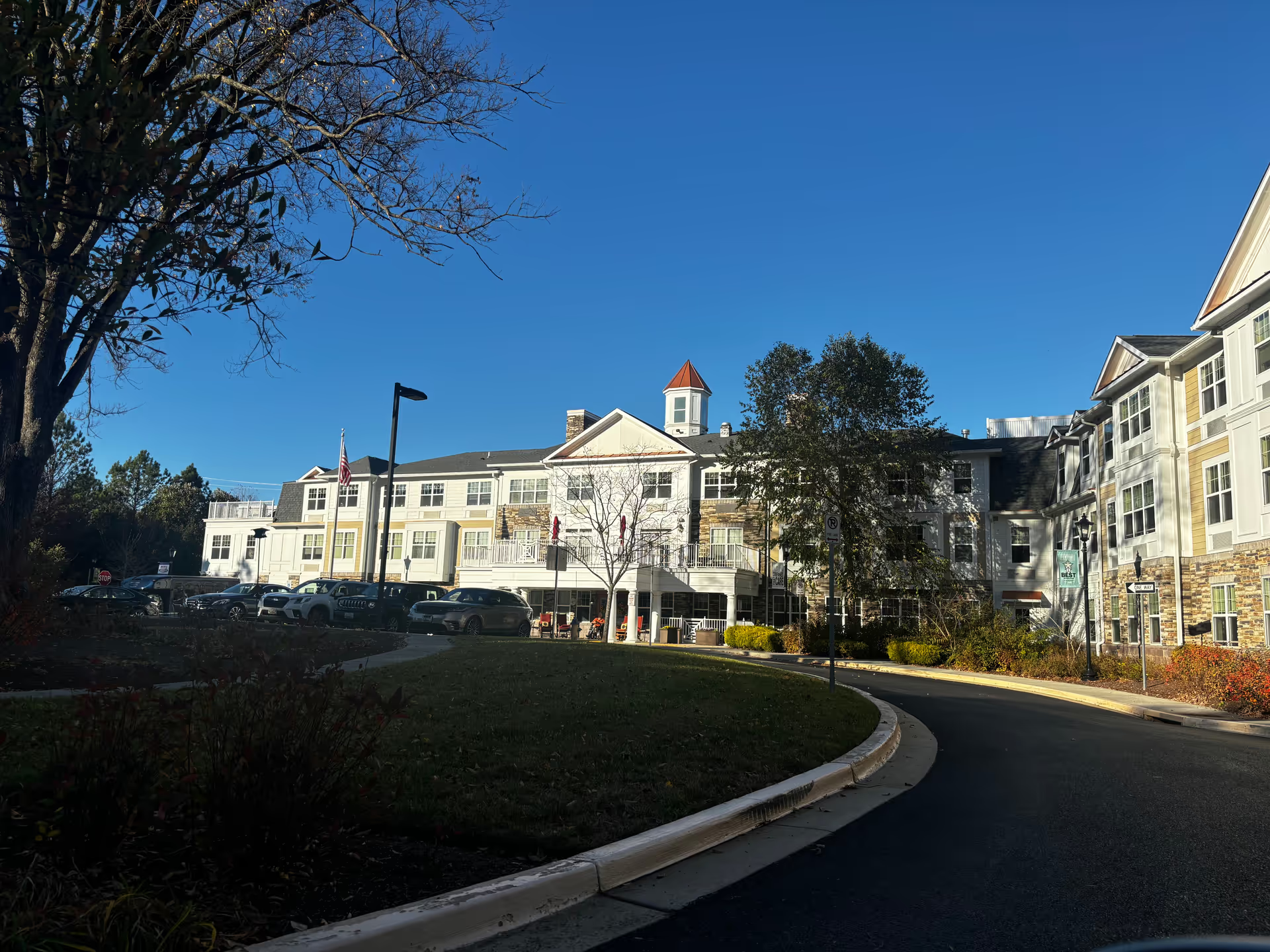
Facilities and campus: The campus offers substantial amenities — multiple housing options (cottages and apartments), fitness spaces, pool, and attractive grounds with plentiful daylight. Public areas and newer cottages are described as clean and recently refreshed. Conversely, some parts of the physical plant feel older and more institutional, and there are mentions of inconsistent housekeeping and dust or cleanliness issues in certain resident rooms. Prospective families should expect unevenness between renovated and older areas.
Management, safety, and notable patterns: Administrative responsiveness is often seen as a strength, with prompt communication following events and effective security interventions in some cases. However, a few reviews raise serious, isolated concerns — including allegations of theft and episodes where staff appeared overwhelmed — that point to a need for stronger controls around medication/property security and incident-response protocols. There are also intermittent difficulties reaching physicians or coordinating medical communication quickly. Price perception varies: some families consider the cost justified by the level of care and amenities, while others feel pricing is high relative to the experience in specific areas.
Bottom line and recommendations: The facility appears to deliver strong interpersonal care, a rich activity program, and a range of on-campus amenities, but experiences can vary depending on staffing, unit, and building age. When evaluating this community in person, prospective residents and families should ask about current staffing ratios, housekeeping schedules and standards, kitchen/menu rotation and dietary accommodations, on-call physician coverage and clinical-communication protocols, and medication/property-security procedures. A targeted tour of both renovated and older units, and conversations with case managers about incident-response practices, will help clarify whether the facility’s strengths match your priorities and whether the noted operational gaps have been addressed.