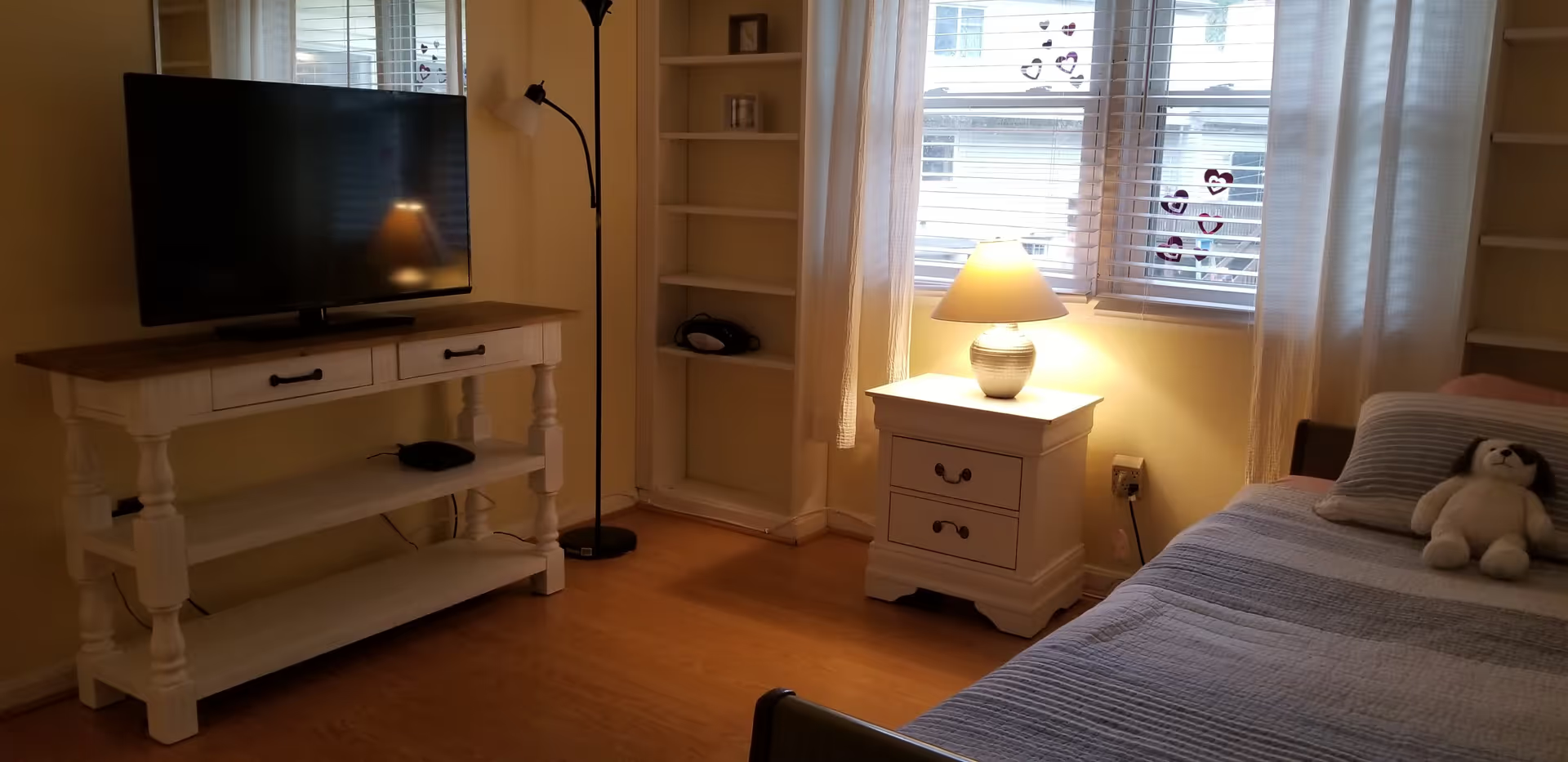
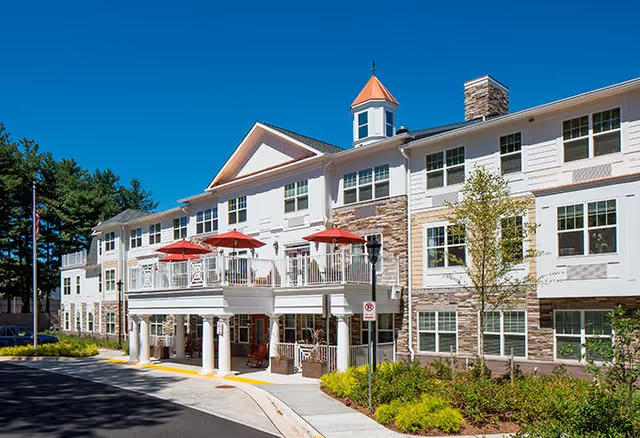
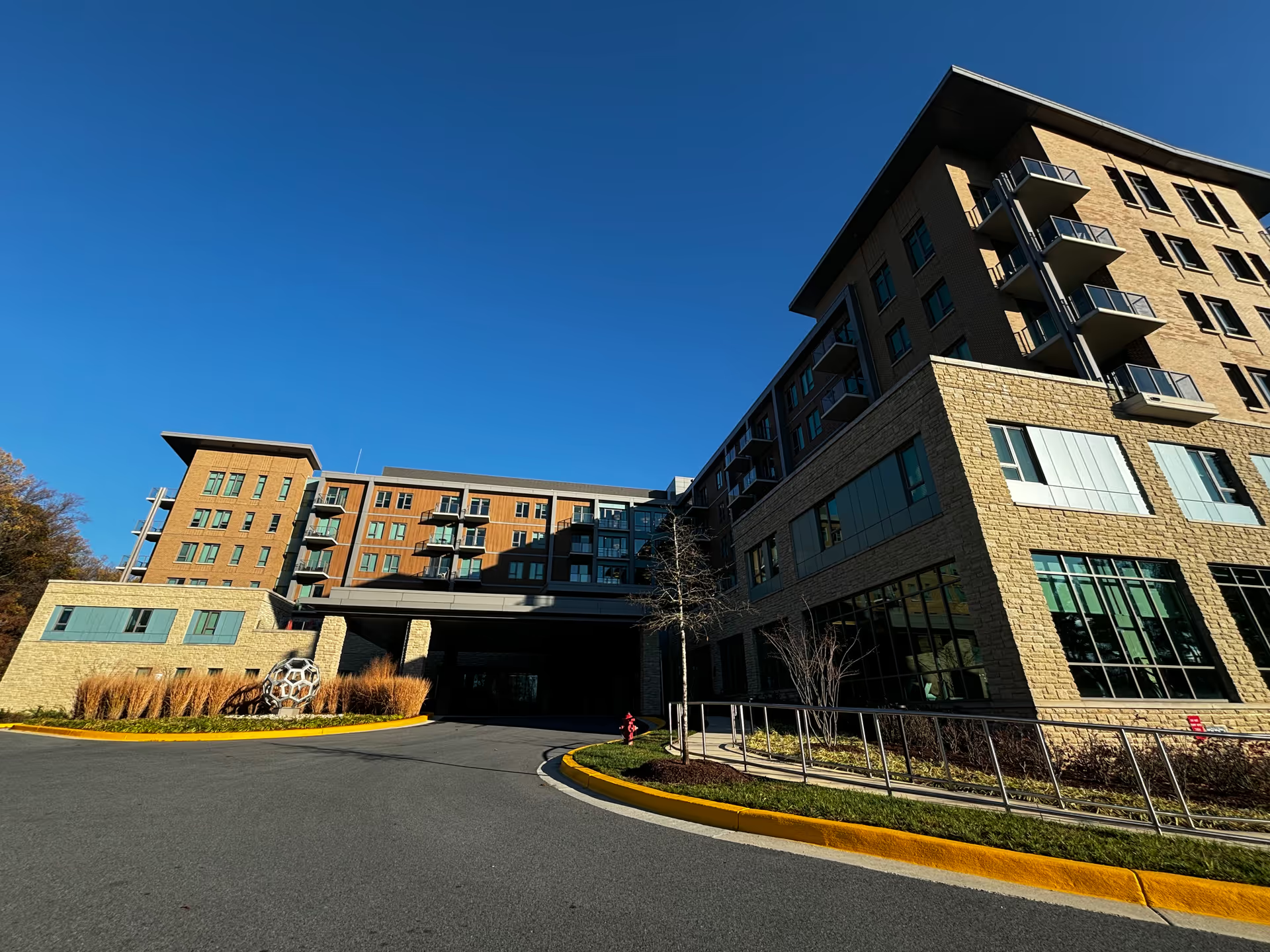
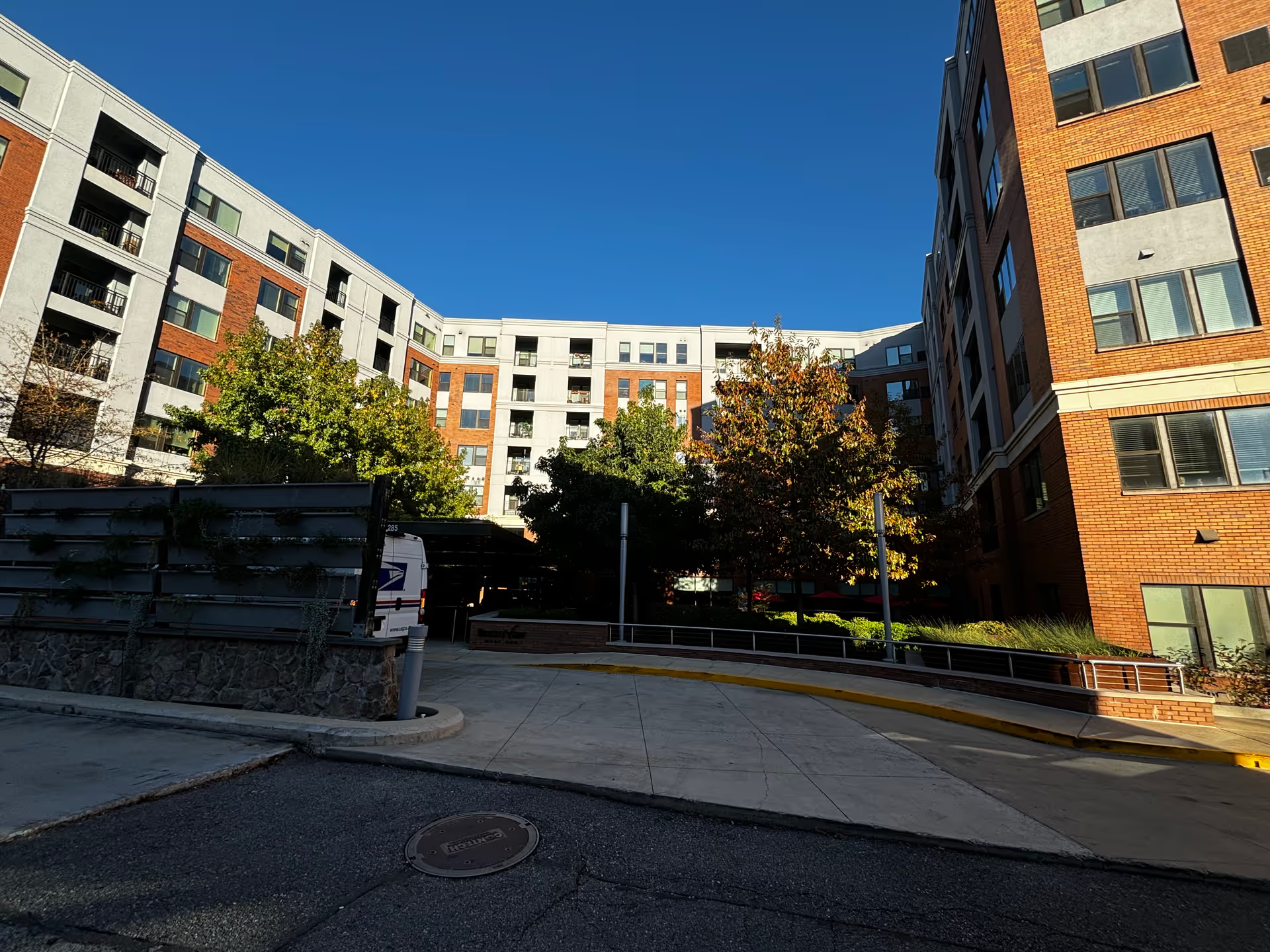
The Carnegie at Washingtonian Center is portrayed as a newly built, amenity-rich independent living community with a strong emphasis on hospitality, wellness, and social engagement. Reviewers consistently describe a contemporary facility with concrete, soundproof construction, spacious floorplans, attractive grounds, and convenient placement near shopping, cultural venues, and medical services. The physical plant and service model are positioned to deliver a resort-like experience for older adults who value dining, fitness, and active programming.
Staffing and care-quality impressions are predominantly positive. Feedback highlights a knowledgeable, responsive, and generally warm team, with active on-site leadership credited for accessibility and responsiveness. Families and prospective residents note helpful concierge and front-office staff, quick response times for requests, grocery and transportation assistance, and attentive communication. There are also references to an institutional focus on respectful resident interactions and assistance with transitions into the community.
Dining and programming are central strengths. The community's culinary program is frequently described as upscale and restaurant-style, with specific praise for menu items and a bistro offering. Programming is described as broad and continuous: group outings, field trips, cultural events, academic partnerships, intergenerational clubs, and learning opportunities are emphasized. On-site wellness features—fitness centers, pools (saltwater/indoor), and structured health programming—complement the social calendar and support an active lifestyle and an aging-in-place orientation.
Facility services and conveniences are extensive. Residents and families cite included utilities, housekeeping, maintenance, tech concierge support, valet parking, and an on-call private car fleet. The site’s proximity to retail and entertainment districts is seen as an advantage for independent lifestyles. Reviewers also point to the building’s security and the perception of value when amenities align with expectations for a high-end senior-living community.
Notable patterns of concern center on pricing transparency, availability, and early operational consistency. The community is described as premium-priced, and reviewers call out a lack of clear online pricing and fee disclosure, which can complicate comparisons. There are serious allegations by some reviewers regarding differential pricing tied to demographic markers; this is a significant reputational and contractual concern that prospective residents should investigate directly with management and, if necessary, in writing. Reviewers also note occasional start-up operational kinks—process inconsistencies that are typical with new openings—and some variability in the degree of individualized attention residents experience.
Practical guidance: prospective residents and families who value upscale dining, robust activities, and concierge-level services will likely find the Carnegie’s offerings attractive. Visitors should assess unit availability, request full, itemized fee schedules in writing, and discuss any concerns about pricing practices with management. A walkthrough of service workflows (housekeeping schedules, transportation booking, tech support response expectations) and conversations with current residents can help clarify personalization of care and day-to-day operations before making a decision.