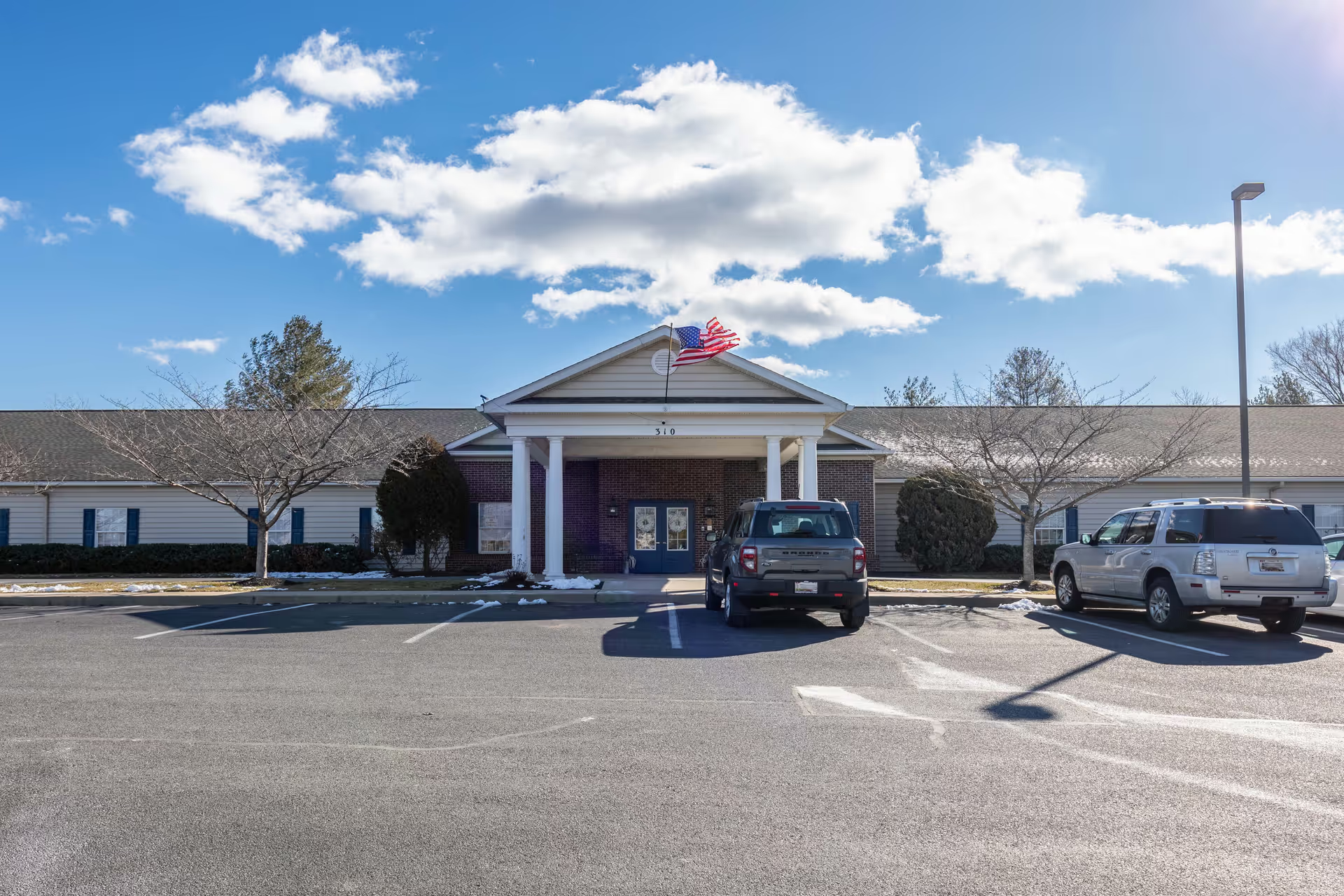
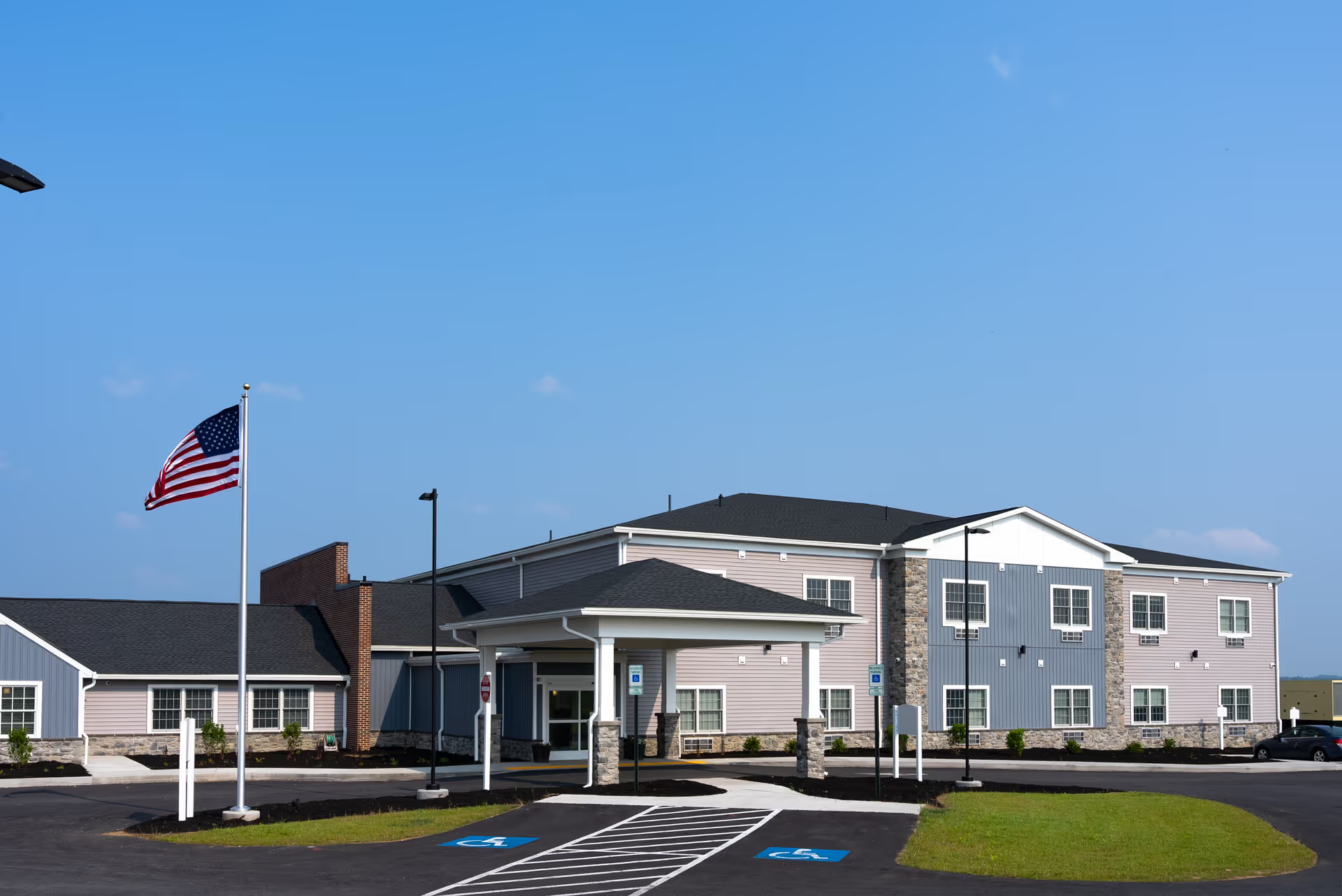
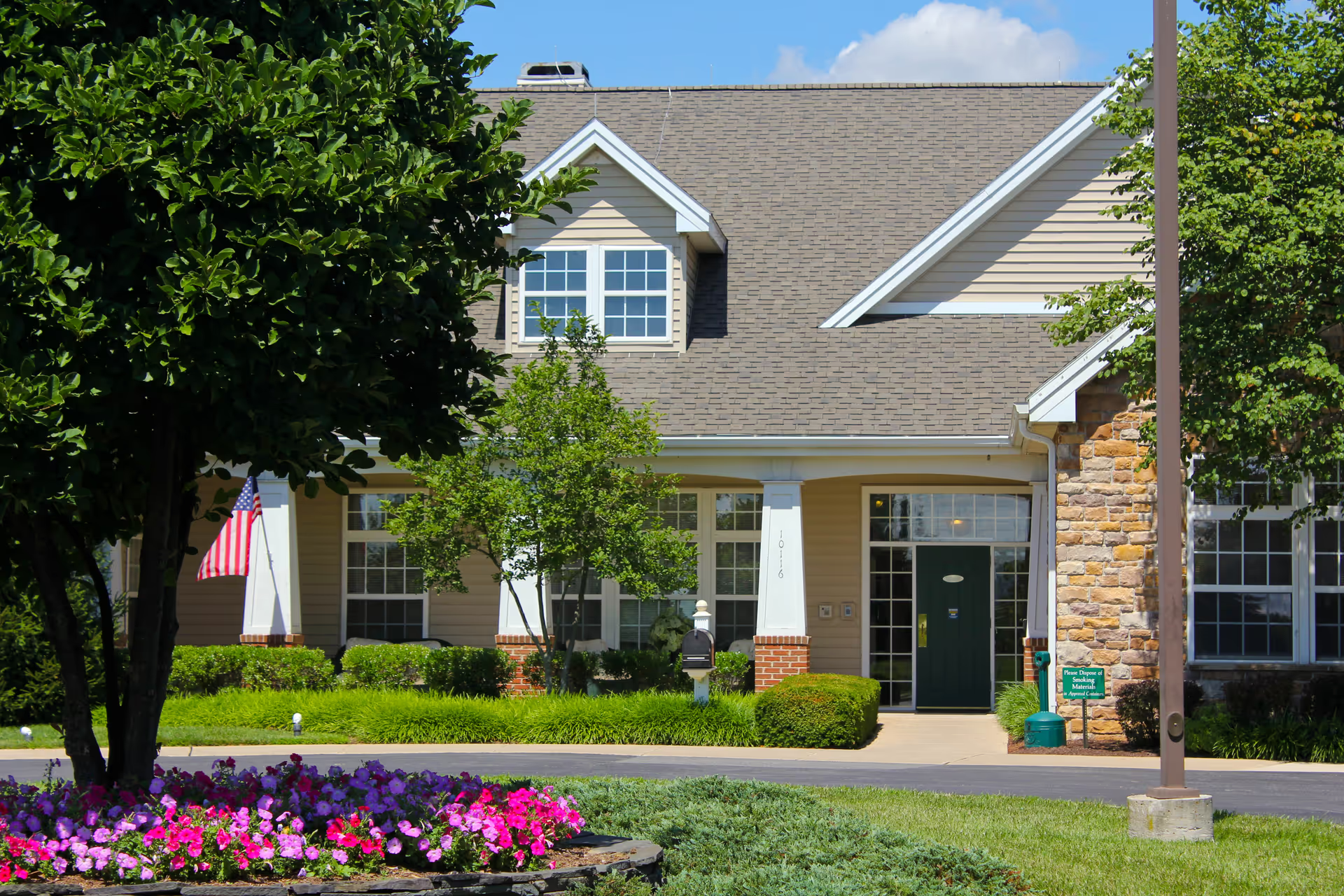
Complete Care at Hagerstown elicits strongly polarized impressions across reviewers. A clear strength is the facility's rehabilitation program: reviewers frequently describe an intensive, well-equipped physical-therapy center staffed by professional therapists who produce measurable functional gains. Many families and former patients praised the therapy staff and named individual caregivers and receptionists as particularly helpful. The building and grounds are often described as clean, modern, and welcoming, with large windows and pleasant outdoor areas that contribute to a resort-like ambiance for some residents.
At the same time, reviewers identify recurring operational weaknesses that affect day-to-day care. Staffing levels and turnover are consistent themes: delays in attending to call lights, slower-than-expected assistance with toileting and transfers, and variable competence among staff are commonly described. These staffing constraints are linked to other care concerns such as inconsistent bathing and room-cleaning practices, skin-integrity and wound-management issues, and perceived gaps in medication administration and infection-control procedures. Several reviewers also reported delays or shortcomings in clinical oversight and availability of on-site medical decision-makers.
Communication and administrative practices are additional areas of concern. Families cite poor communication about care plans, unreturned calls, limited information after hospital transitions, and occasional missing or mishandled medical records. Multiple accounts raise serious financial and billing worries, including disputed charges and difficulties obtaining resolution; given the nature of those comments, reviewers characterize them as allegations that warrant direct clarification with management. There are also reports of regulatory action and documented safety citations; these elevate the importance of assessing current compliance and corrective activities with facility leadership before placement.
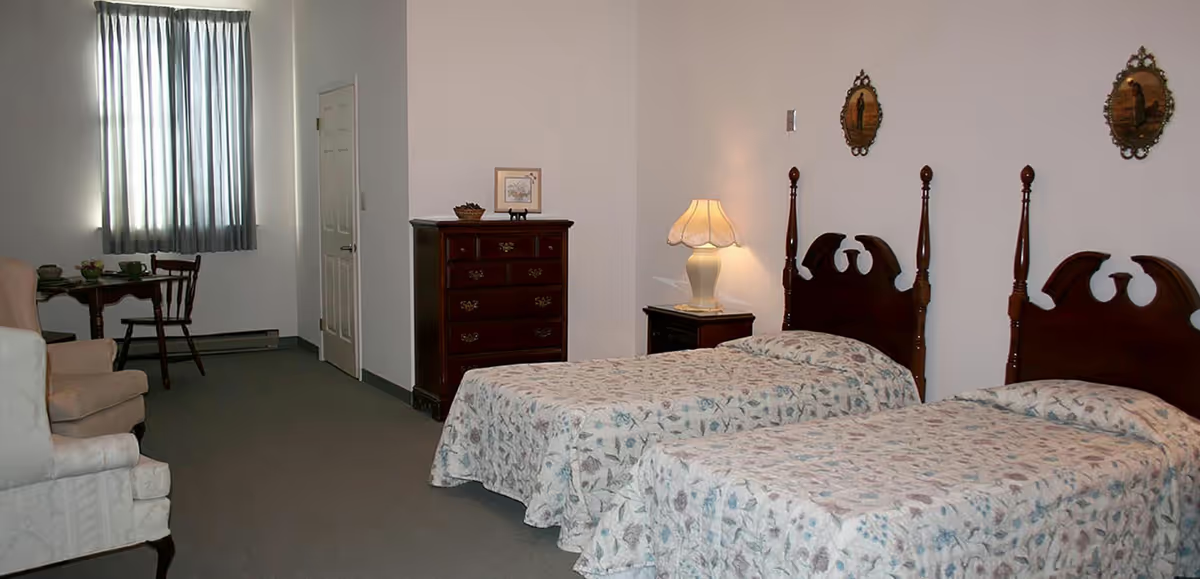
Dining and activity programming present mixed feedback. Some residents and families appreciate plentiful portions, flexible dining to appetite, and organized outings and music programs. Others note limited menu choices, inconsistent meal temperature, and occasional service interruptions (for example, advertised amenities that are not available). Facility amenities such as private-room options, on-site therapy, transportation, and social activities are positives but appear to be experienced unevenly depending on unit and timing.
Taken together, the pattern is of a facility that can deliver excellent, rehabilitation-focused care and has many dedicated staff members, yet also shows operational and systemic lapses that have significant implications for long-term nursing care and family confidence. Prospective residents and their families should weigh the strong rehab capabilities and facility environment against the reported variability in nursing responsiveness, housekeeping consistency, clinical oversight, emergency protocols, and billing practices. When considering placement, ask direct questions about current staffing ratios, recent regulatory findings and corrective actions, infection-control and medication-administration policies, family communication protocols, and billing dispute resolution procedures to gauge whether the facility’s present operations match your care priorities.