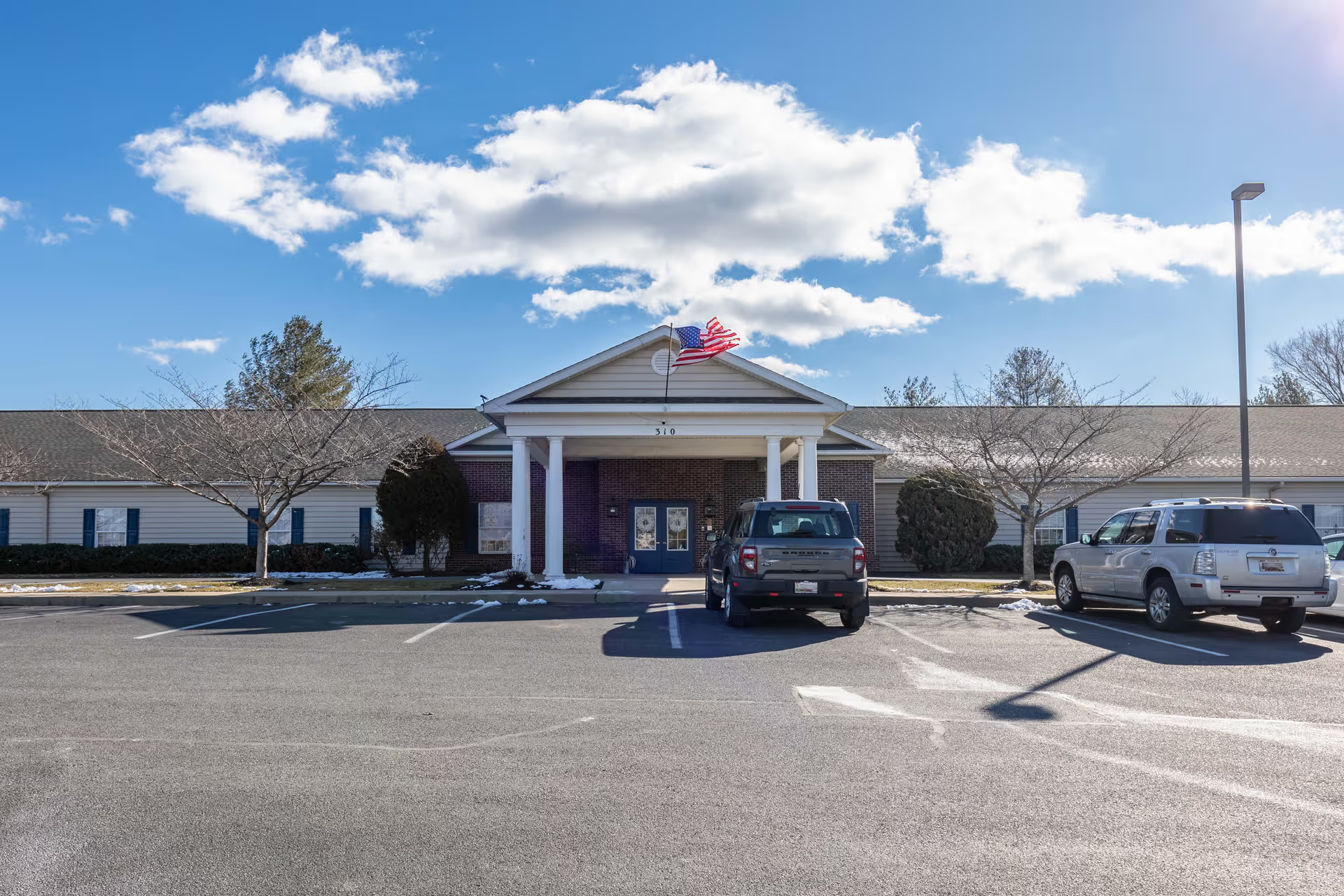
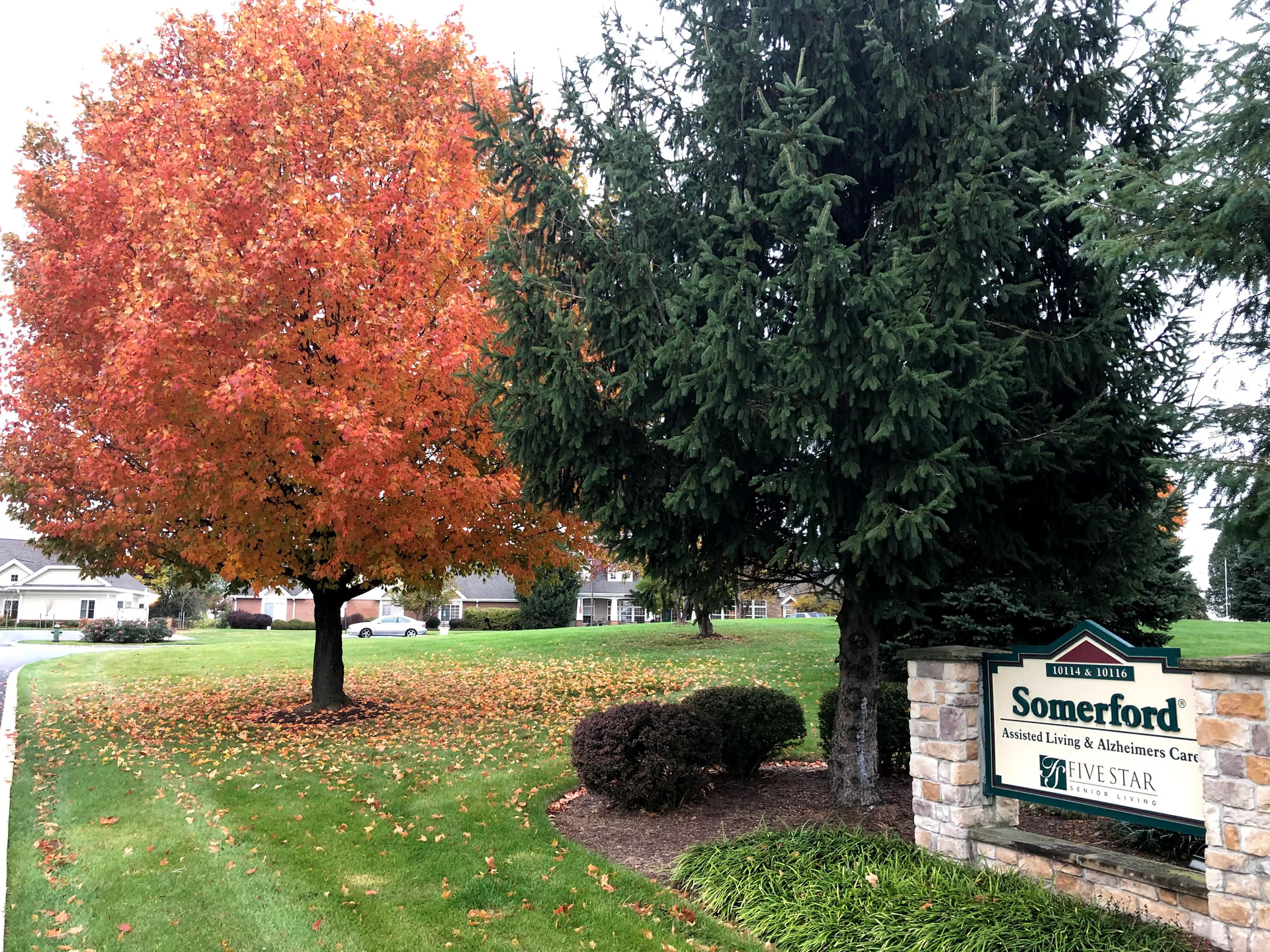
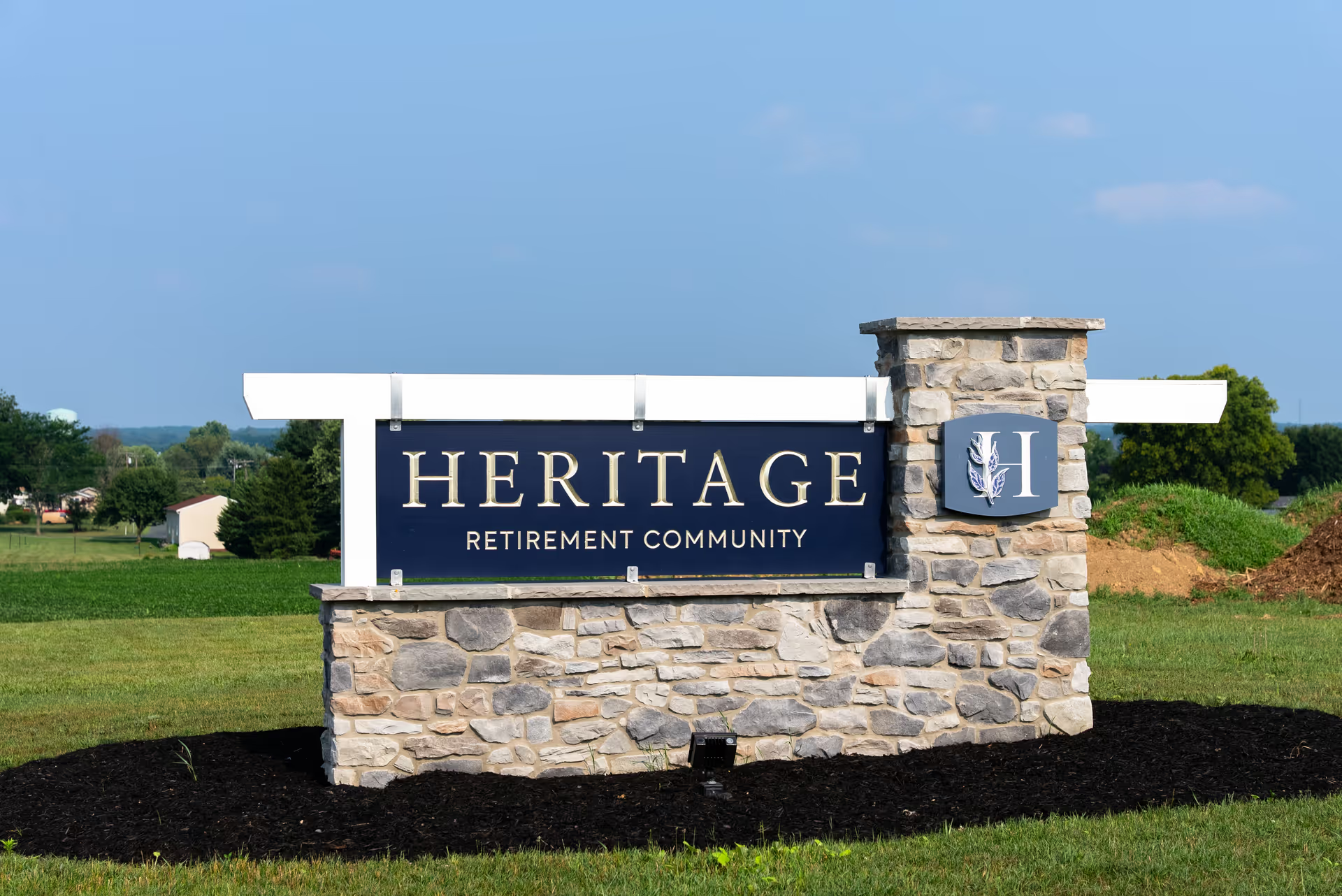
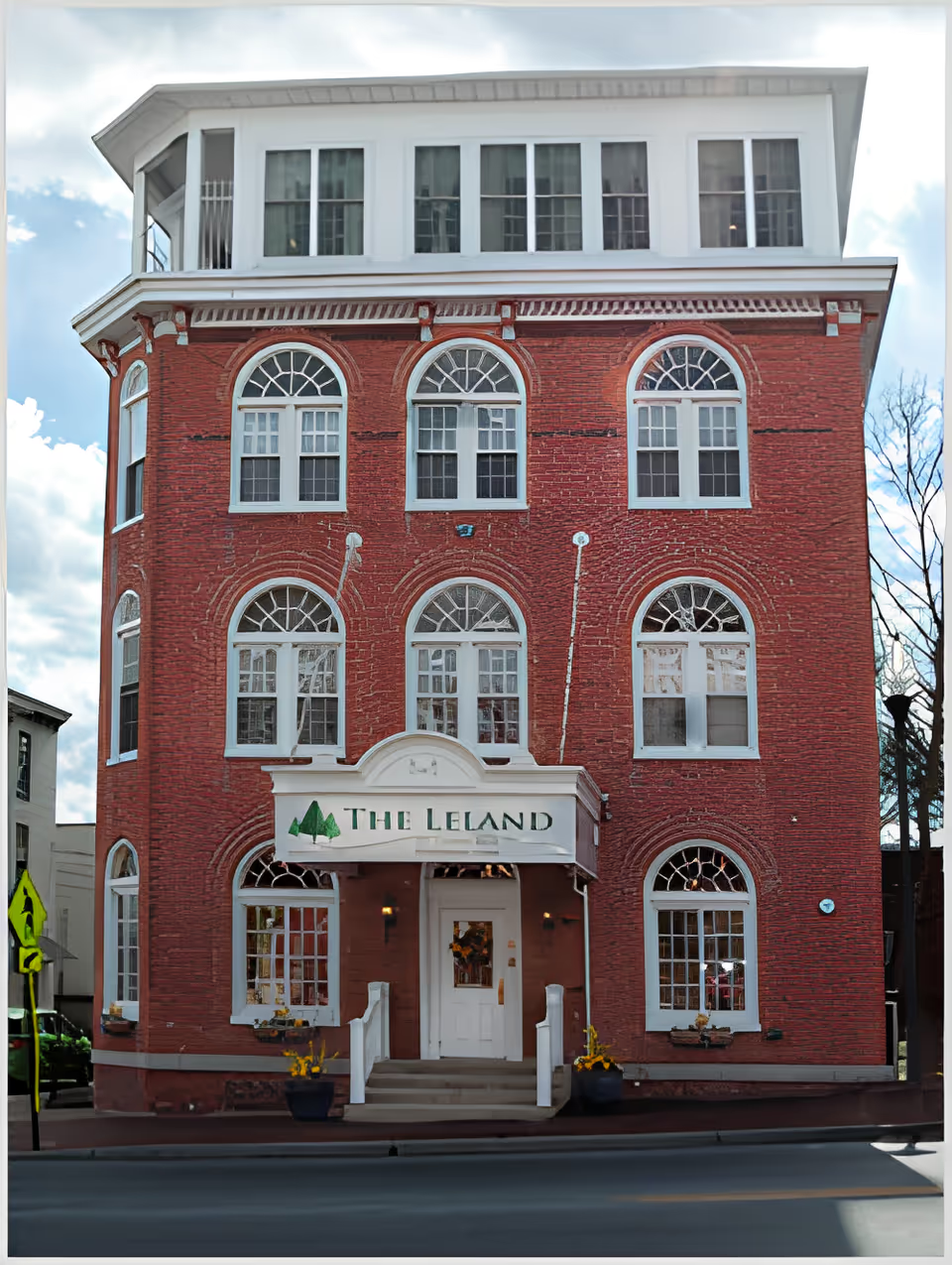
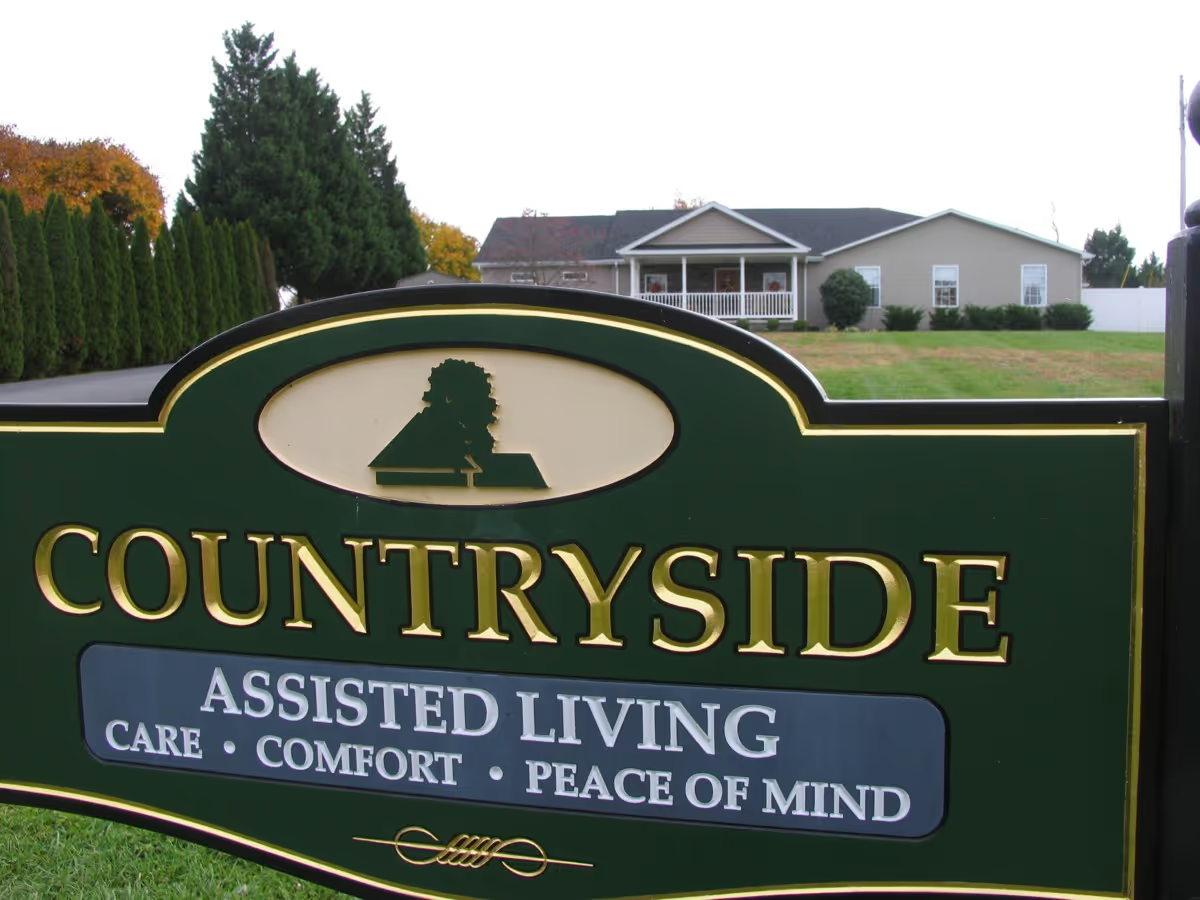
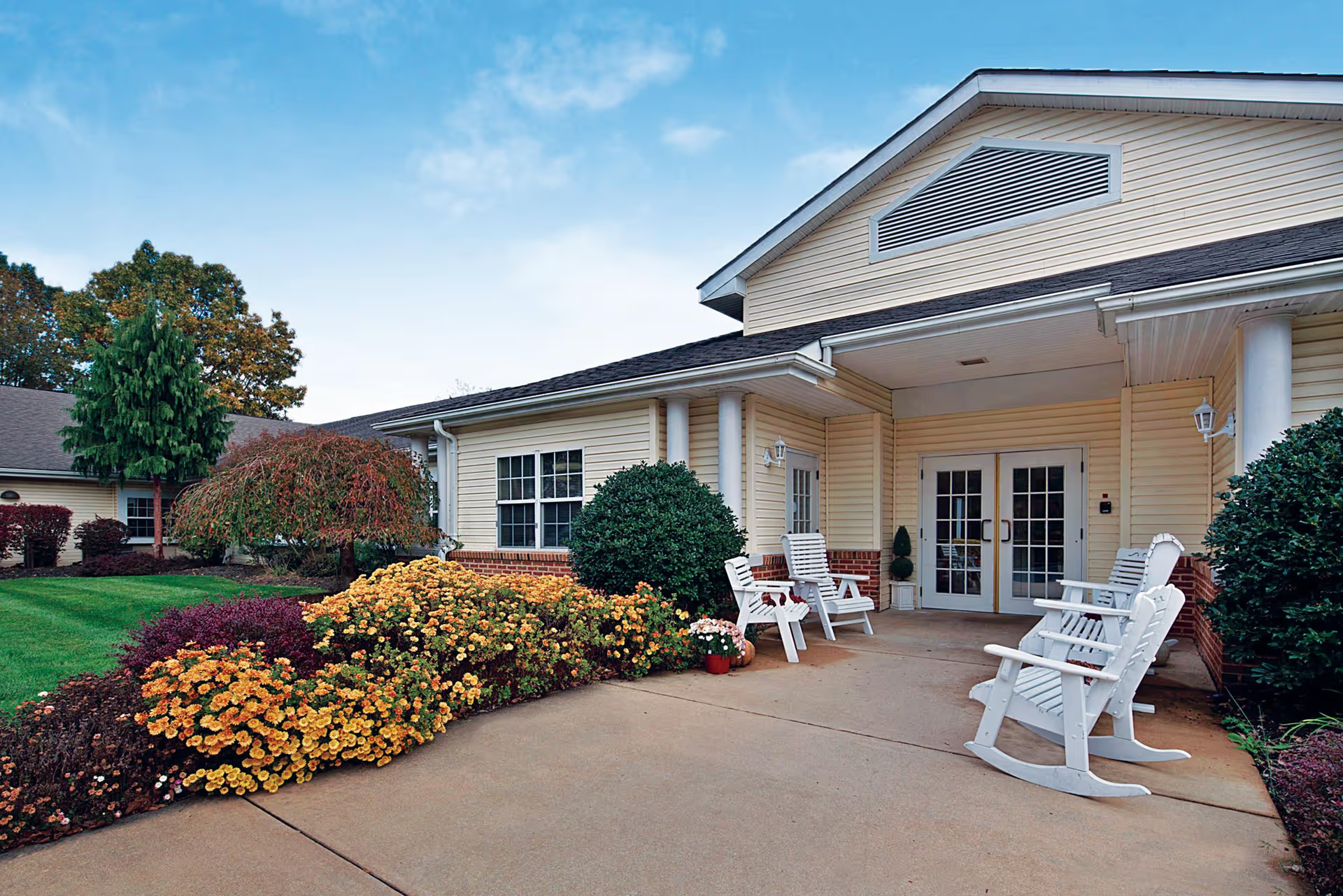
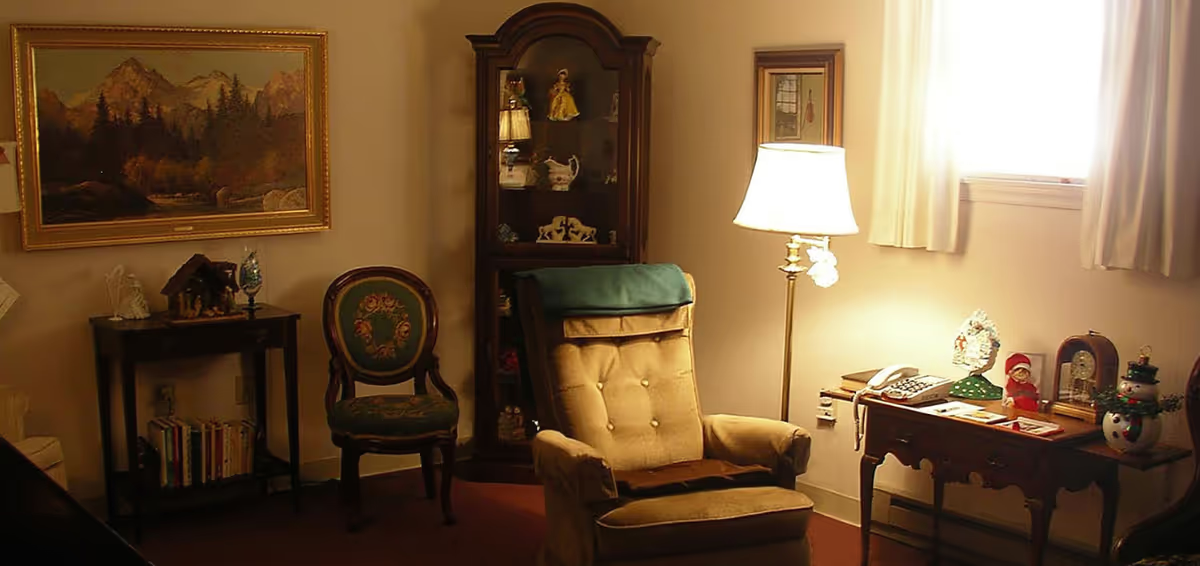
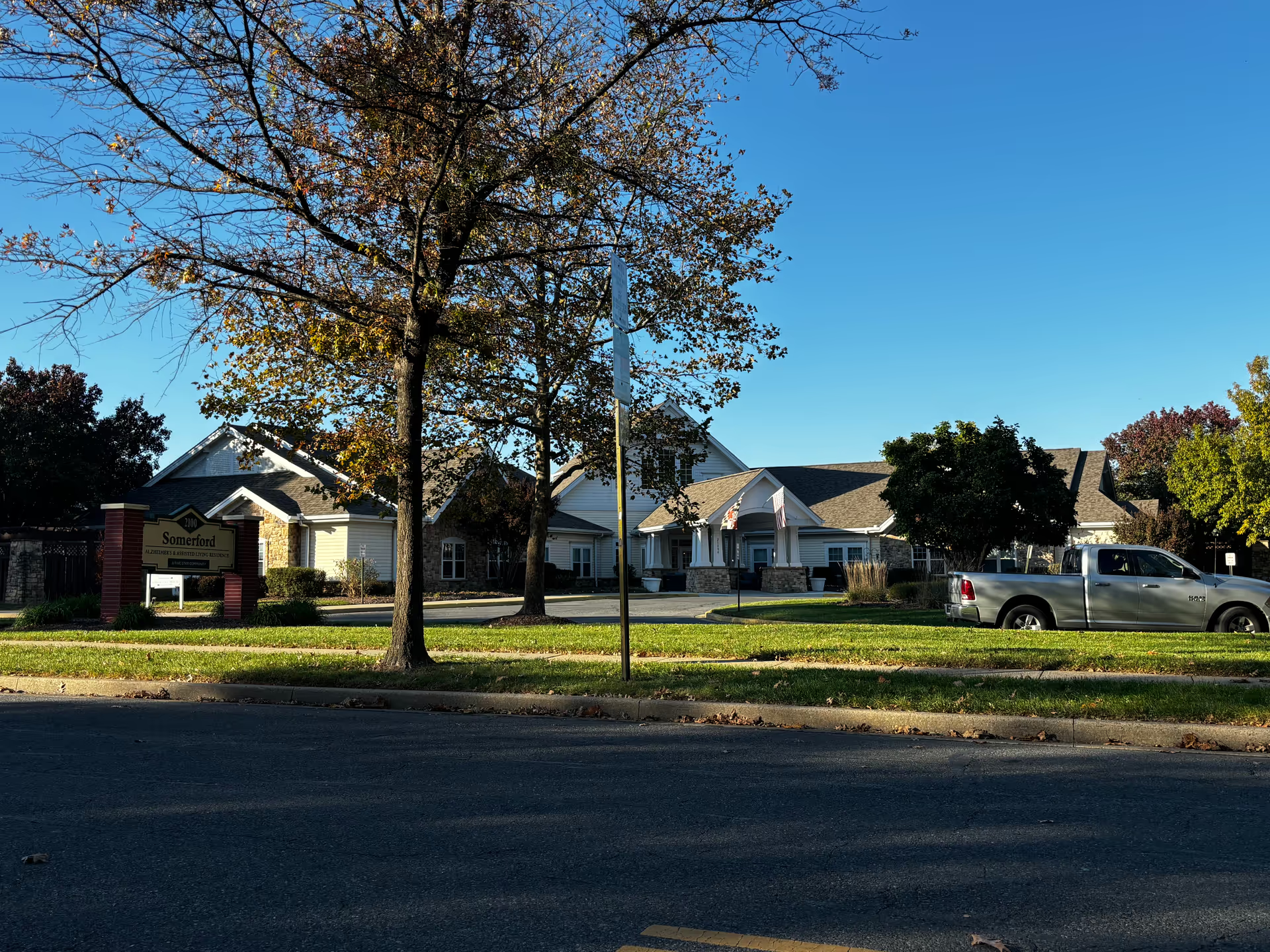
Overall impression: Reviews emphasize a warm, small-scale facility with a home-like atmosphere and staff who are described as caring and attentive. Families and visitors highlighted personalized rooms, a welcoming visitation environment, and a sense of continuity from long-tenured employees. The facility’s community connections — for example, acceptance of donations from local organizations — reinforce a neighborhood, faith-linked feel.
Care and staff: Multiple comments characterize staff as compassionate and willing to go beyond basic duties. This suggests strengths in staff–resident interactions and individualized attention. The presence of long-tenured staff is a positive operational indicator, but prospective families should confirm current staffing levels and turnover during a tour to evaluate consistency over time.
Dining: Several reviewers praised home-cooked meals and occasional flexibility around outside food. However, there is also commentary that implies variability in meal availability and menu variety. Prospective residents should review the facility’s posted menus, meal schedules, and outside-food policy to determine whether the dining program matches their expectations and nutritional needs.
Activities and social engagement: A notable pattern in the feedback concerns limited daytime programming and low engagement opportunities for residents. Some reviewers described periods when residents were not engaged in activities, which can translate into reduced social stimulation. Families should ask for a current activity calendar, examples of daily programming, and how individualized social needs are addressed.
Facilities and management: The setting is described as domestic and personalized rather than institutional. Management appears open to community involvement, but the mixed comments about dining and activities point to operational variability. Before deciding, visitors should tour common areas and resident rooms, speak with staff about programming and dining operations, and request information on staffing ratios and activity staffing to form a complete picture.
Notable patterns and recommendations: The dominant strengths are staff warmth, a home-like environment, and community ties. The primary operational concerns center on the consistency of dining services and the breadth of engagement programming. Prospective residents and families will benefit from direct questions about meal continuity, menu planning, activity schedules, and how the facility prevents prolonged periods of inactivity for residents.