Overall impression Julia Manor presents a mixed but informative picture for prospective residents and families. The facility is frequently praised for its rehabilitation services, committed clinical teams, and hospitality-related offerings; many reviews highlight effective physical and occupational therapy, engaged nursing and aide staff, a welcoming foyer and home-like atmosphere, and chef-led meals with substantial portions. At the same time, recurring operational issues—most notably staffing variability, maintenance shortcomings, and communication gaps—appear across reviews and warrant attention during the decision process.
Care and staff Clinical strengths are a consistent theme: reviewers commend the physical therapy and occupational therapy teams, several individual nurses and CNAs, the social work and concierge services, and the facility's hospice coordination. Families describe personalized care plans, responsive case management at admission, and compassionate day-to-day interactions. However, staffing appears inconsistent. Reviews indicate periods when staffing levels limit timely assistance, with delayed call-light responses and slower clinical reaction times. These delays are associated with family distress and in isolated cases have prompted concerns following a resident's death; such severe claims suggest a need to confirm current staffing ratios, on-shift skill mix, and incident-response protocols with facility leadership.
Dining and activities Dining and activity programming are clear strengths. The facility offers chef-led menus that reflect local tastes, plentiful servings, and a range of meal-service options (including family trays). Daily activities, frequent musical programs, outings, and an on-site salon contribute to resident engagement and socialization. That said, some reviews point to inconsistent assistance during meals and variability in therapeutic feeding processes; prospective families may wish to ask about meal-assistance staffing at peak dining times and protocols for therapeutic diets.
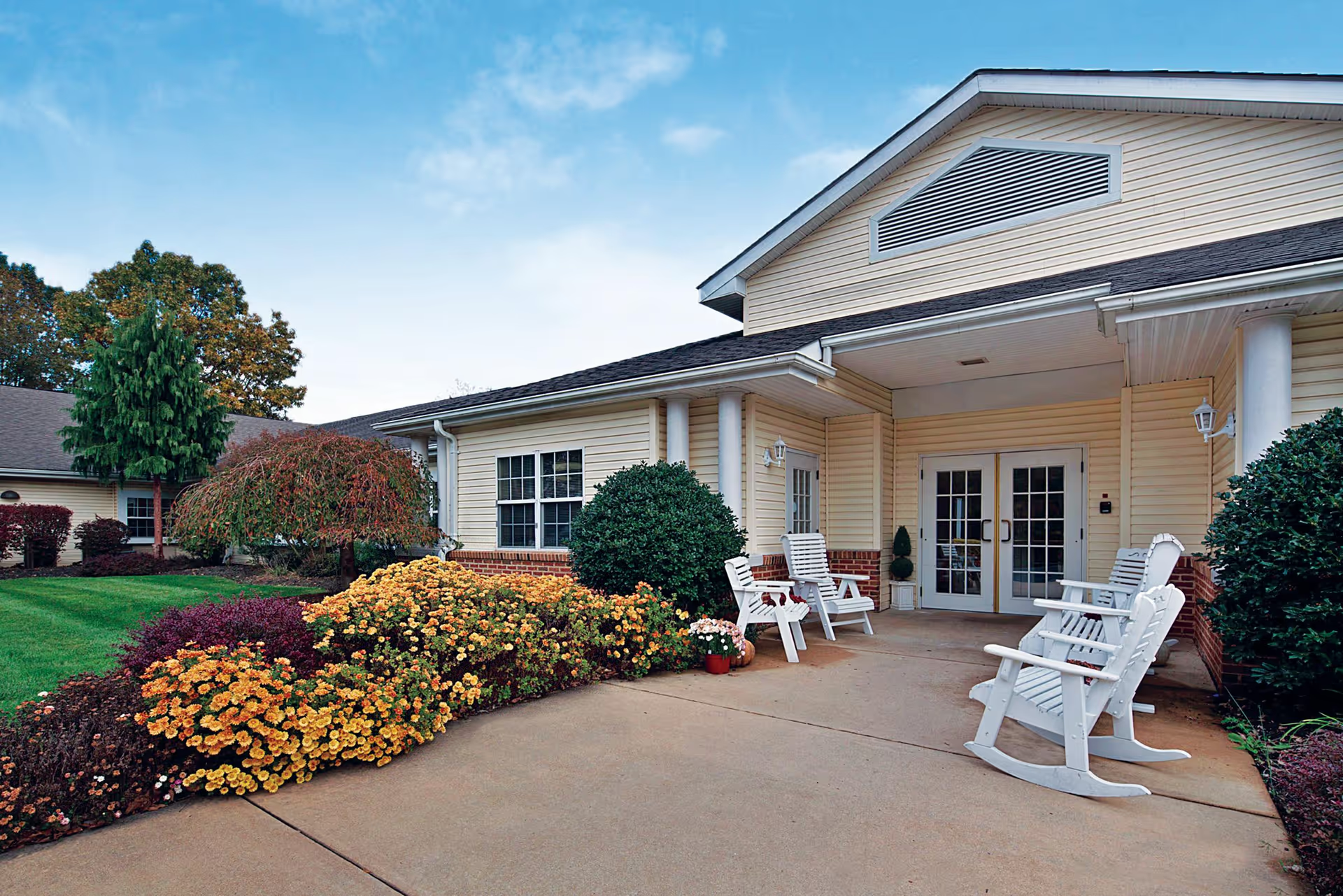
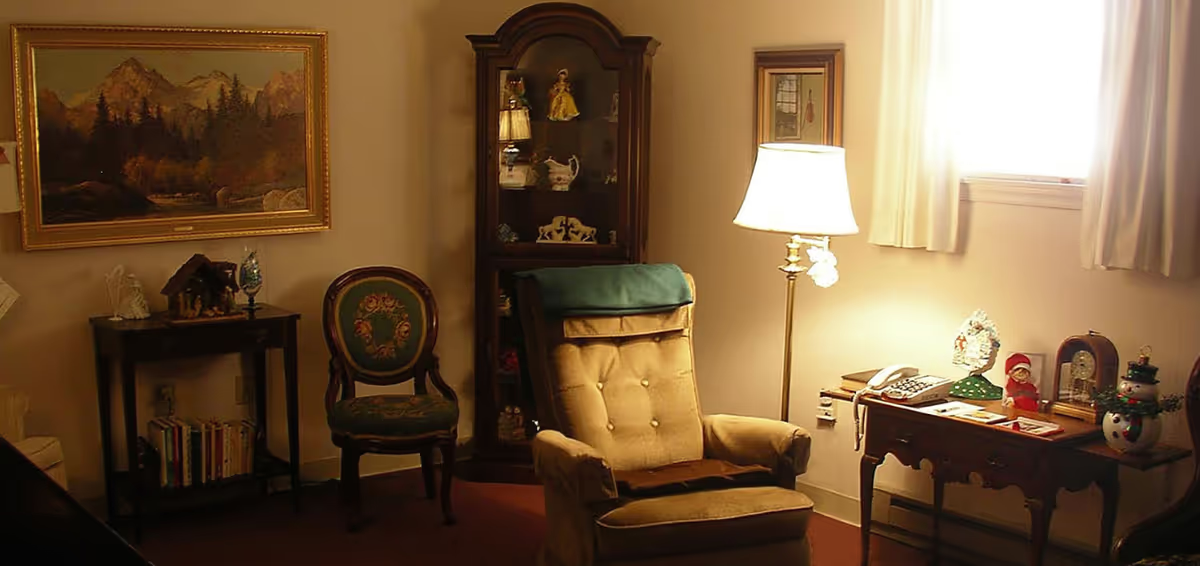
Facilities and maintenance Physical amenities receive mixed feedback. Many reviewers find rooms and common areas clean, comfortable, and well-maintained, and they appreciate features such as a dedicated therapy wing and the welcoming foyer. Conversely, several comments identify older rooms (notably on higher floors), unresolved repair requests, broken equipment, and HVAC-related concerns including mold in specific areas. These items suggest uneven maintenance follow-through and indicate it is prudent to inspect the specific unit, request recent maintenance logs, and inquire about HVAC and mold remediation practices.
Management, communication, and operational patterns Administrative and admissions staff receive positive mention in several reviews, and leadership is credited when families feel supported. At the same time, a pattern of communication gaps and limited managerial follow-through emerges from other reviews: missed or delayed follow-up on therapy evaluations, inconsistent family communication after clinical incidents, and perceptions of weak accountability for repairs or staff conduct. Reviewers also cite limited long-term bed availability and instances where families felt pressured about transfers. Pricing and perceived value are additional recurring themes—some families find the cost reasonable given the services, while others express concern about value relative to operational shortcomings.
What prospective families should ask and monitor Given the mix of strengths and operational concerns, prospective residents and family members should balance clinical excellence against evidence of consistent operations. Recommended questions include: current staffing ratios (day/evening/night), average call-light response times and monitoring systems, recent maintenance and HVAC remediation records, protocols for medication administration and urgent clinical response, how therapy follow-up and progress reviews are documented, availability of long-term beds, and transparent pricing/contract terms. Visiting the actual unit where a resident would be placed, observing meal service and an activity, and asking for names and contact information for the therapy team and primary social worker can provide additional context.
Bottom line Julia Manor demonstrates notable strengths in rehabilitation, compassionate caregiving, food quality, and resident engagement. These positives are counterbalanced by operational and management issues—particularly around staffing consistency, maintenance follow-through, and communication—that can materially affect day-to-day resident experience. Families who value strong therapy and a hospitable environment may find Julia Manor appealing, but should perform targeted due diligence on staffing, maintenance, and incident-response processes before making a placement decision.