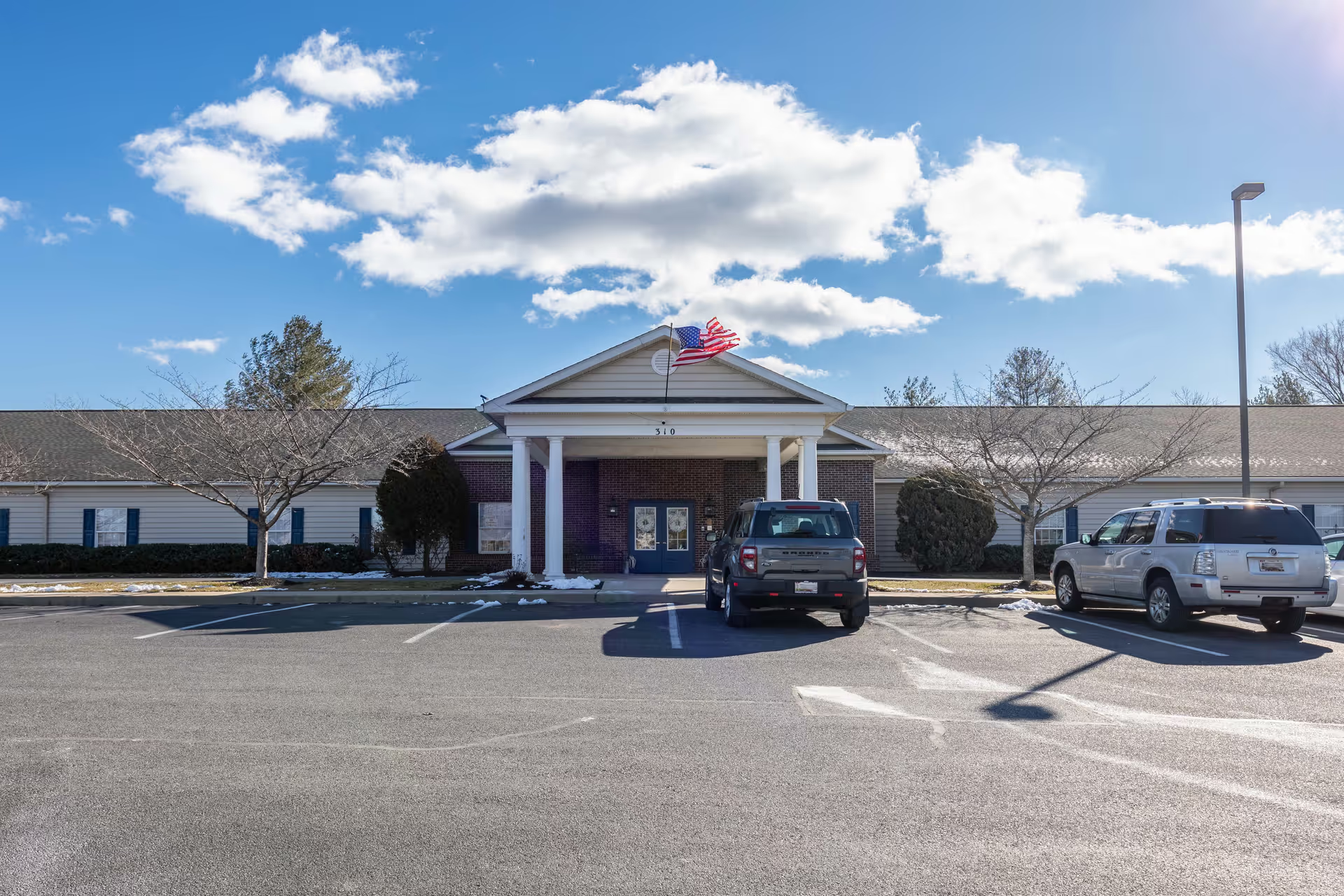
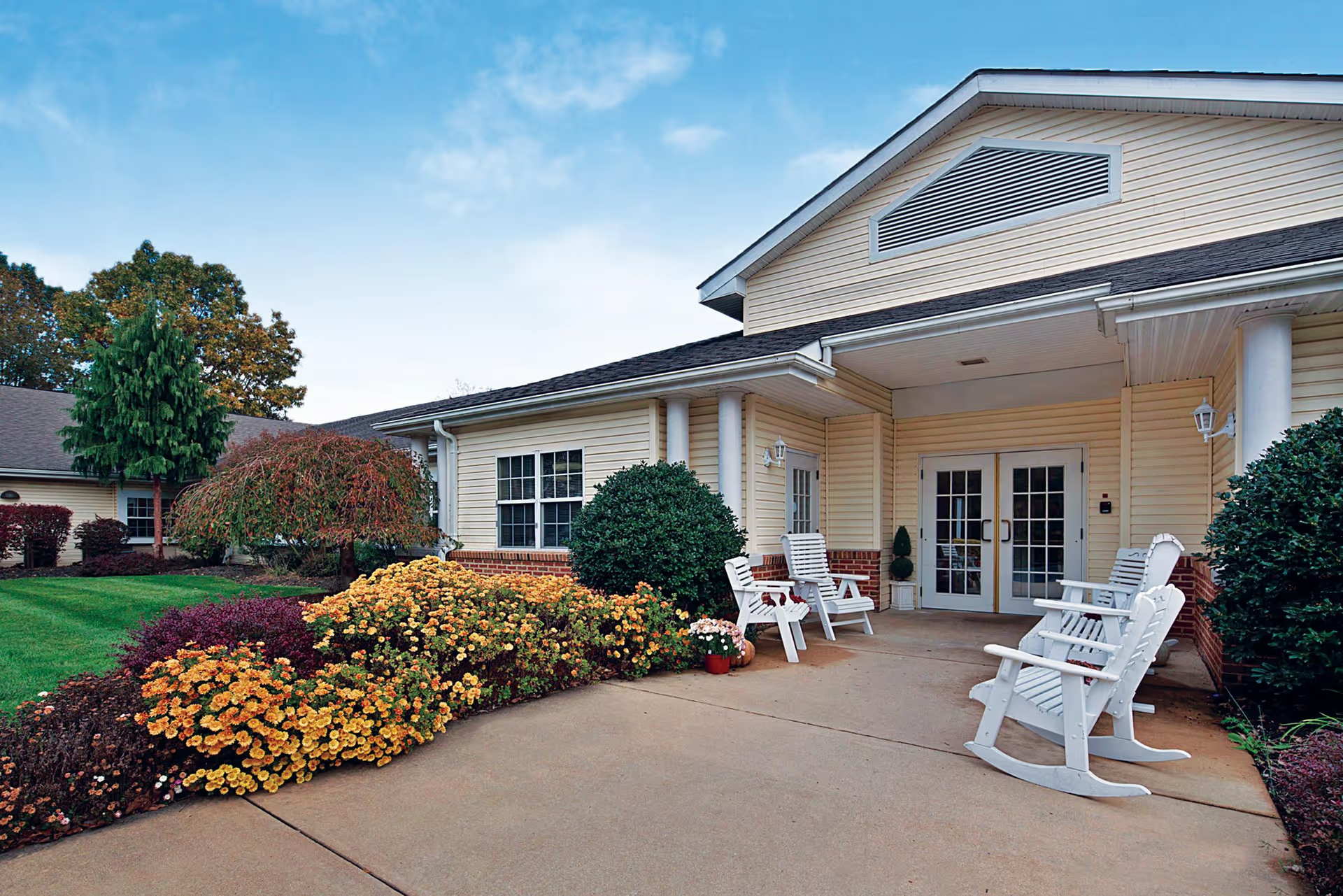
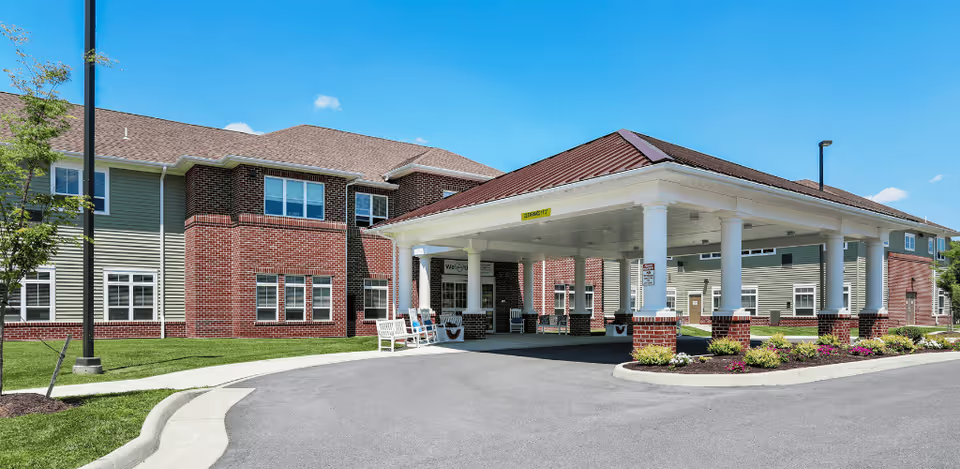
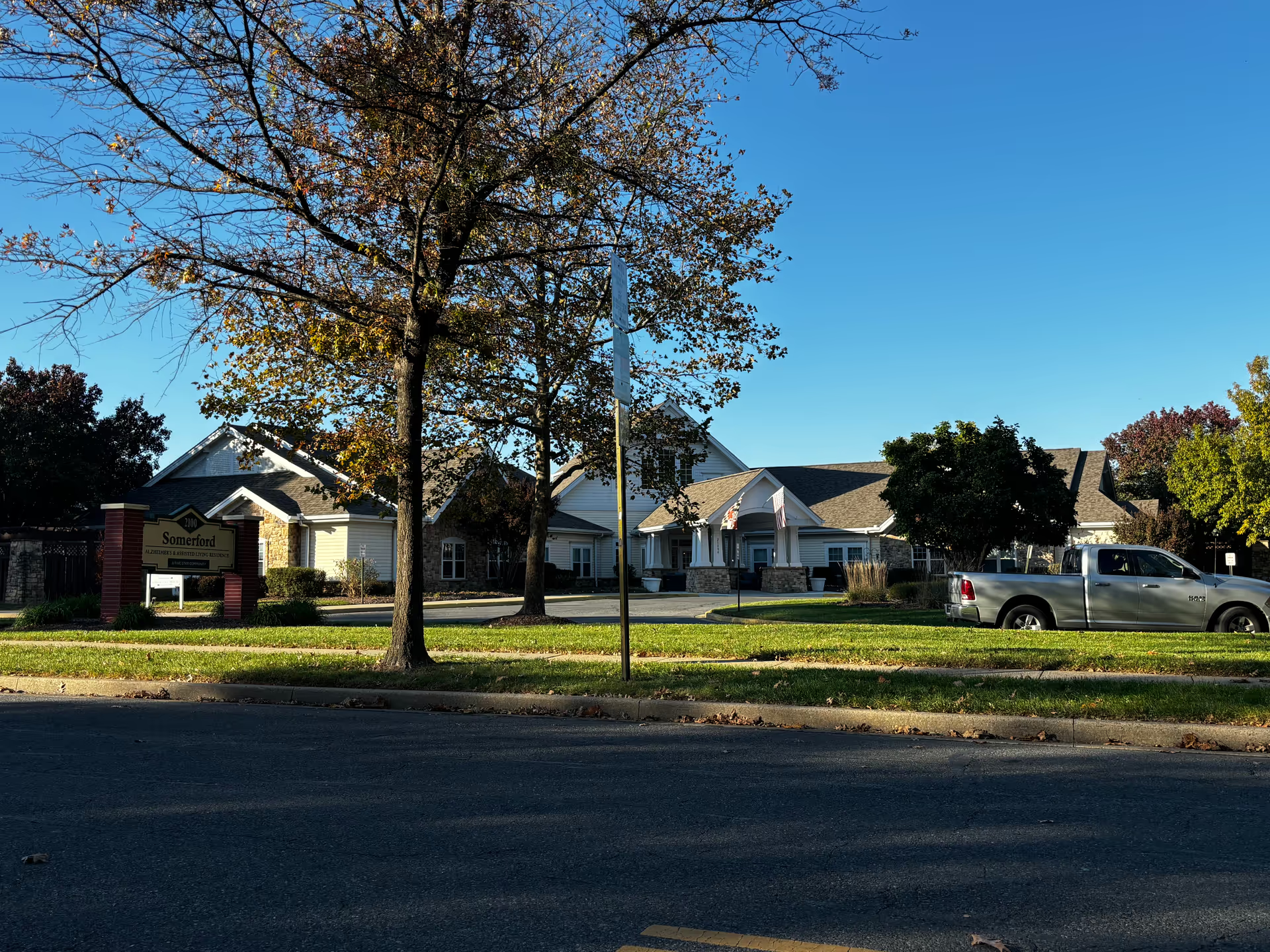
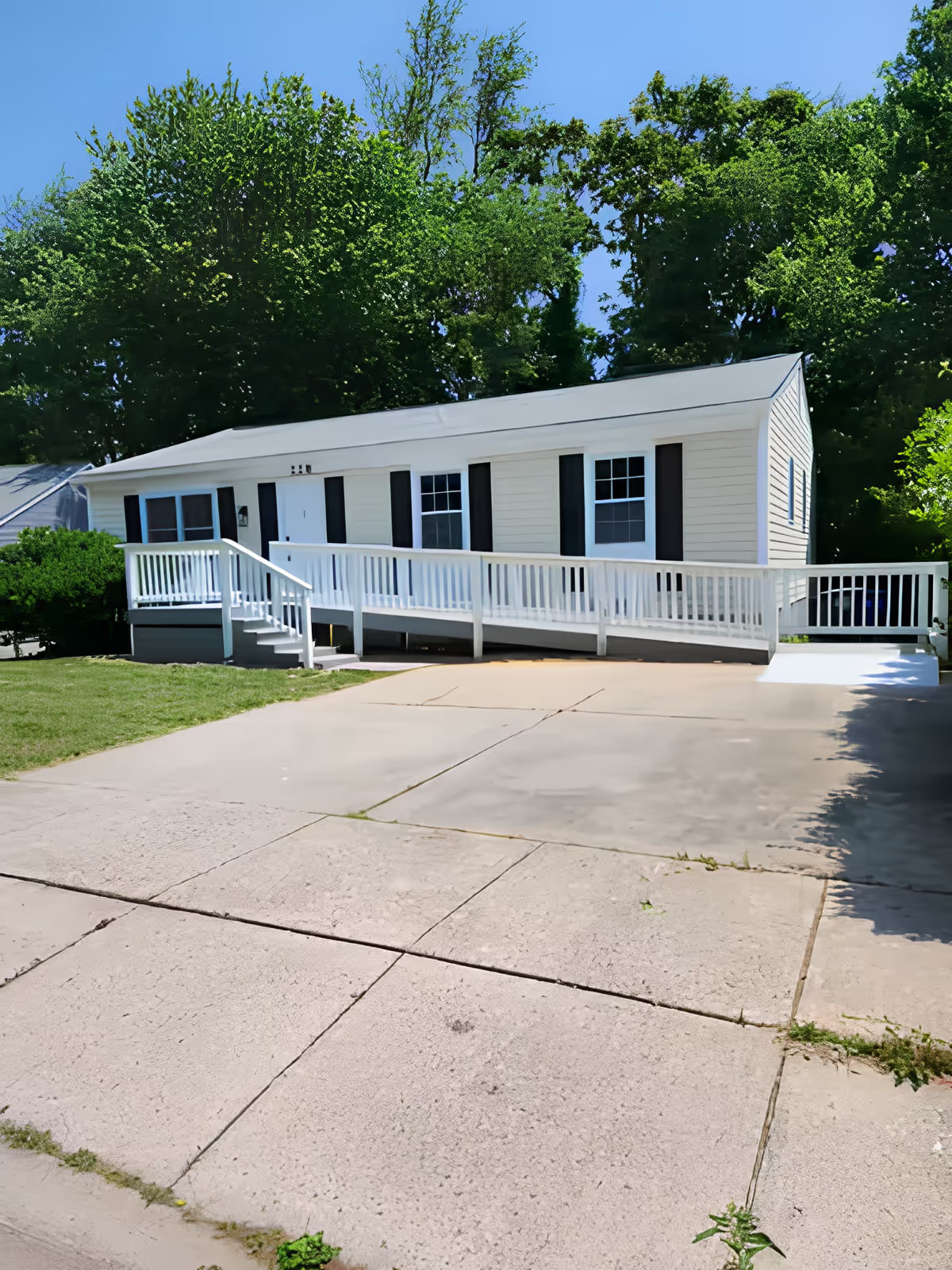
Overall assessment: Somerford House / Place Hagerstown presents as a well-maintained, campus-style assisted living and memory-care provider with many operational strengths. Reviewers consistently highlight the facility's cleanliness, attractive and modern living spaces, and a homelike design that includes a park-style lobby, small shops, and enclosed outdoor areas. The physical environment and recent expansion appear to support both social engagement and mobility needs.
Care quality and staff: Caregiving staff receive frequent praise for being attentive, compassionate, and proactive. The presence of 24/7 nursing support, on-site physicians or telehealth options, and dedicated memory-care expertise are notable strengths for families seeking higher-acuity oversight. At the same time, reviewers describe variability in staff continuity and engagement across units, and some families experienced decreased communication or slower responses from management. There are also concerns about medication-management oversight and how acute clinical incidents are handled and communicated to families; these concerns, including a small number of serious individual incident descriptions, suggest families should review staffing ratios, medication protocols, and incident escalation procedures during tours.
Dining and daily living: The facility offers structured meal service with three meals a day, snacks, bakery items, and beverages; many families called out meals as nutritious and well-prepared. There is also flexibility for alternative meal requests. That said, dining quality was not uniformly rated — some reviewers noted variability in meal satisfaction — so prospective residents may wish to sample meals and ask about menu rotation and accommodations for preferences or dietary needs.
Activities and therapies: Activity programming is a clear strength. The community features a broad roster of daily activities, organized outings, exercise classes, and memory-focused engagement led by an active activities director. On-site amenities such as a hair salon, library, shops, and therapy services (PT/OT) support social and rehabilitative goals. A potential gap is the relative absence of dedicated workshop or woodworking space and some limitations in male-targeted program offerings; families with specific activity preferences should inquire about tailored programming.
Facilities and safety: Physical design elements — single-level lockdown memory suite layouts, secure outdoor walking areas, multiple communal spaces, and recent construction — contribute to a safe, navigable environment for residents with memory impairment. Many families praised prompt assistance (including organized hospital transport) and an orderly campus. However, given the mixed feedback on crisis handling and communication, confirm emergency-response protocols, transfer policies, and how families are notified during incidents.
Management, costs, and placement: The community is positioned as upscale in several respects; multiple reviewers described premium pricing and instances of rising monthly fees or high charges for private nursing. At the same time, some noted value-oriented pricing for certain care levels. Another recurring theme is concern about the accuracy of initial placement assessments — a few families experienced rapid transitions to higher-acuity memory care shortly after admission. Prospective residents should request a clear explanation of assessment criteria, contract terms, fee schedules, and any potential additional charges.
Recommendations for prospective families: The facility demonstrates many operational strengths—cleanliness, engaging activities, on-site clinical resources, and an inviting campus—but also exhibits recurring administrative and clinical communication gaps and some variability in service consistency. When evaluating the community, ask for staffing ratios by shift and unit, medication-management policies, examples of family communication workflows, recent inspection reports, incident logs or summaries, and a sample care plan. Touring during activity times and speaking with current residents and families can help validate cultural fit and program quality.