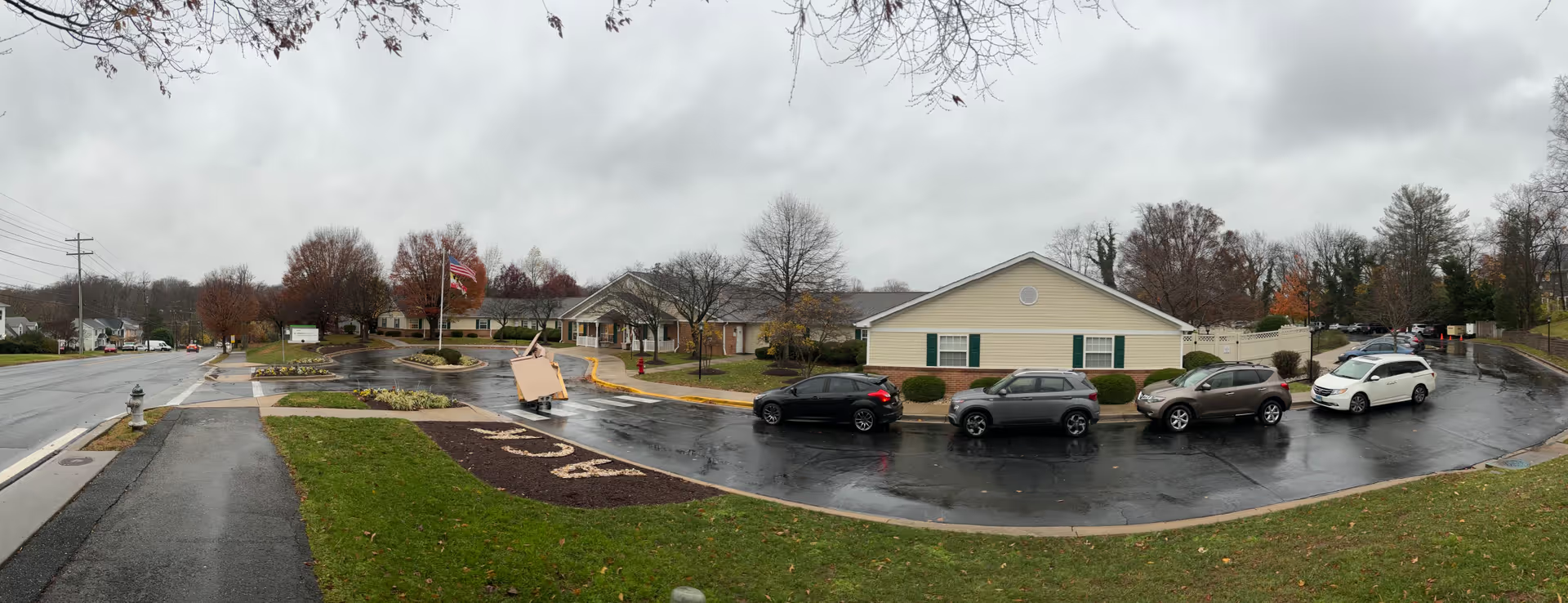
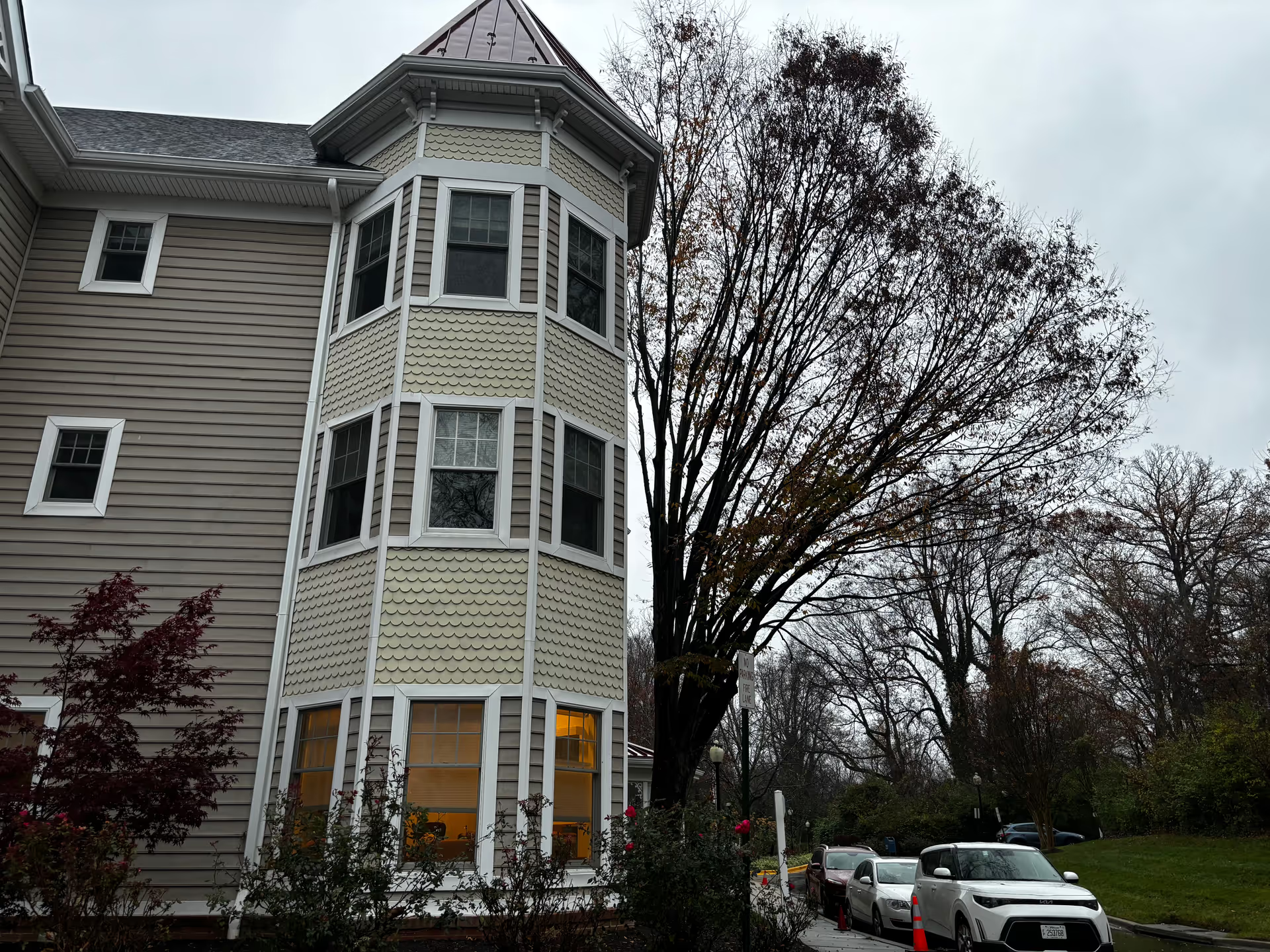
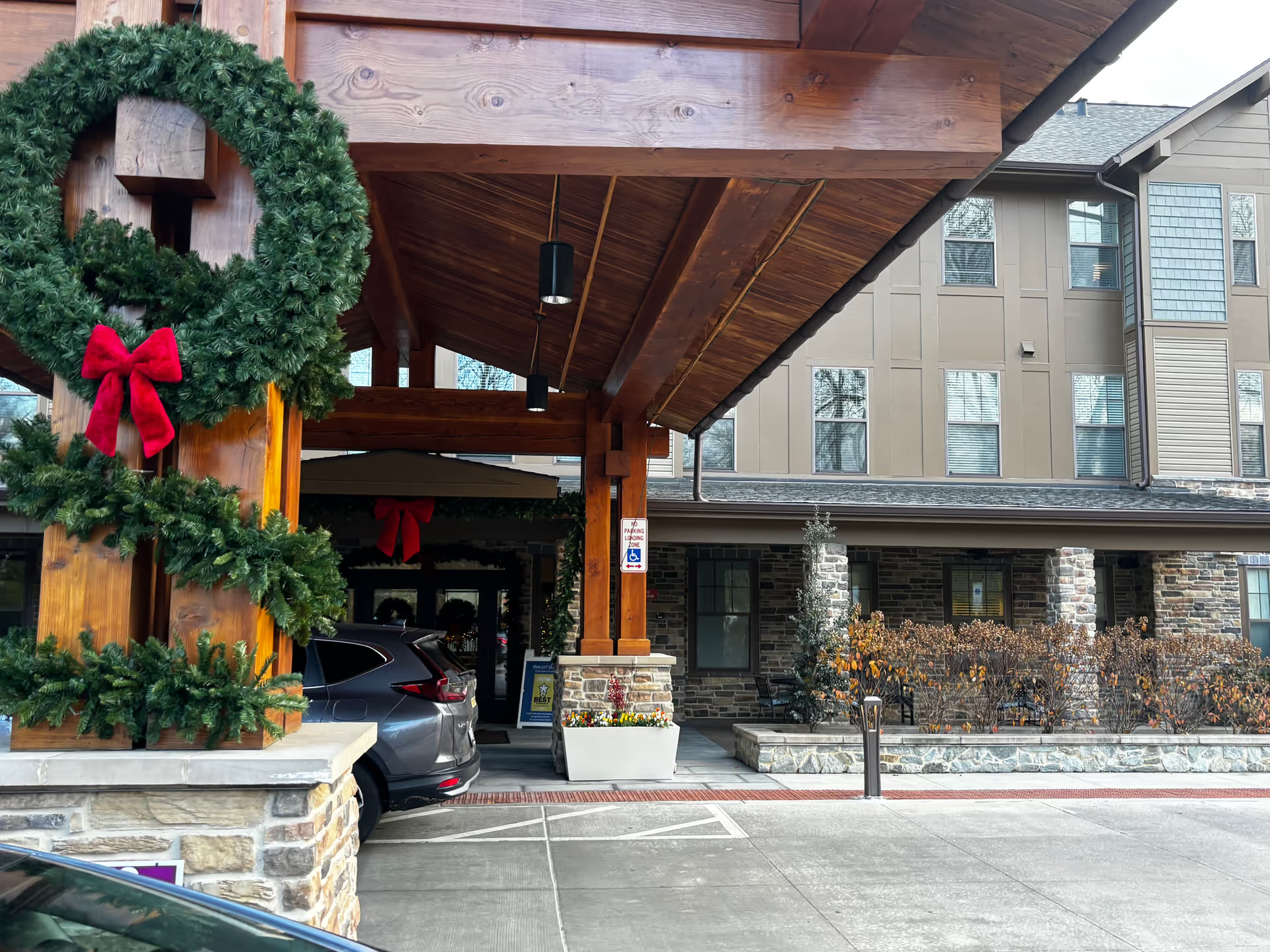
The collected reviews present a notably mixed picture of Kensington Healthcare Center, with clear strengths concentrated in rehabilitation, activities, and individual staff relationships, and recurring operational weaknesses that affect daily resident experience. The therapy teams (physical and occupational therapy) receive consistent praise for clinical skill, teamwork, and measurable progress in mobility and independence. Several reviewers also highlighted compassionate caregivers, an effective social-work presence, proactive admissions/onboarding, engaging activity programming, pleasant outdoor grounds, and volunteer involvement as assets that contribute to resident well‑being.
Contrasting those positives are persistent operational concerns. Families and visitors frequently describe inconsistent responsiveness from staff, including long waits after call-button use and difficulties reaching the front desk by phone. Cleanliness and sanitation issues in rooms and corridors, together with maintenance shortfalls (air-conditioning problems, broken fixtures, cramped or undersized rooms), are recurring themes that affect comfort and perceived safety. Reviewers raised specific clinical worries such as gaps in medication processes, wound and catheter management, and instances where infection‑control practices appeared inadequate. These clinical concerns are sometimes linked to more serious outcomes in the accounts provided.
Communication and management practices also surface as a dividing line in these reviews. Some accounts commend social work, admissions staff, dietary teams, and administrators for timely, compassionate coordination and for resolving problems when escalated. Other accounts describe poor communication, unreturned calls, ownership or administrative changes, and limited transparency around safety incidents. There are also references to language-barrier challenges and allegations of unethical management behavior; these items suggest variability in leadership consistency and staff training.
Dining and activities receive mixed feedback. Multiple reviewers appreciate the dietary staff and the availability of social and outdoor programming, noting residents enjoy walks, outings, and events. Conversely, several families reported inadequate mealtime assistance for residents who need help eating, and intermittent issues with personal belongings and room accommodations. Staffing variability appears to explain much of the inconsistency: when direct-care staffing and nursing oversight are strong, reviewers report high-quality, attentive care; when staffing is thin or uneven across shifts, service shortfalls become apparent.
For prospective residents and families, the notable pattern is polarization — strong rehabilitation services and pockets of very compassionate staff exist alongside operational gaps that can materially affect daily care, cleanliness, and communication. An on-site tour that includes observation of mealtime, nurse-station staffing, room condition, and opportunities to speak with social work and therapy staff may help evaluate whether the facility’s current state matches a family’s expectations. Asking specific questions about staffing ratios, infection-control protocols, medication-administration checks, and escalation/communication procedures is advisable given the variability reflected in these reviews.