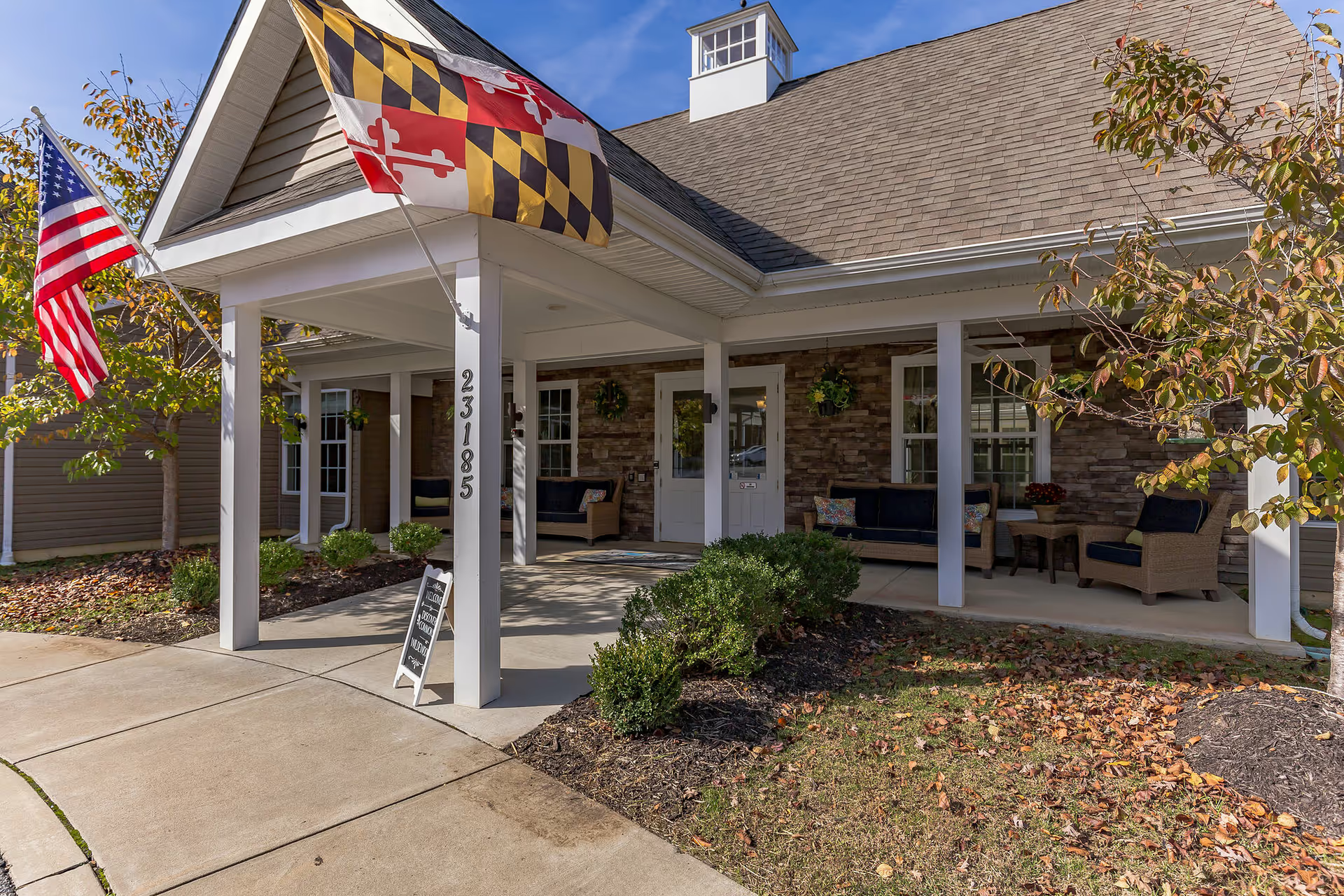
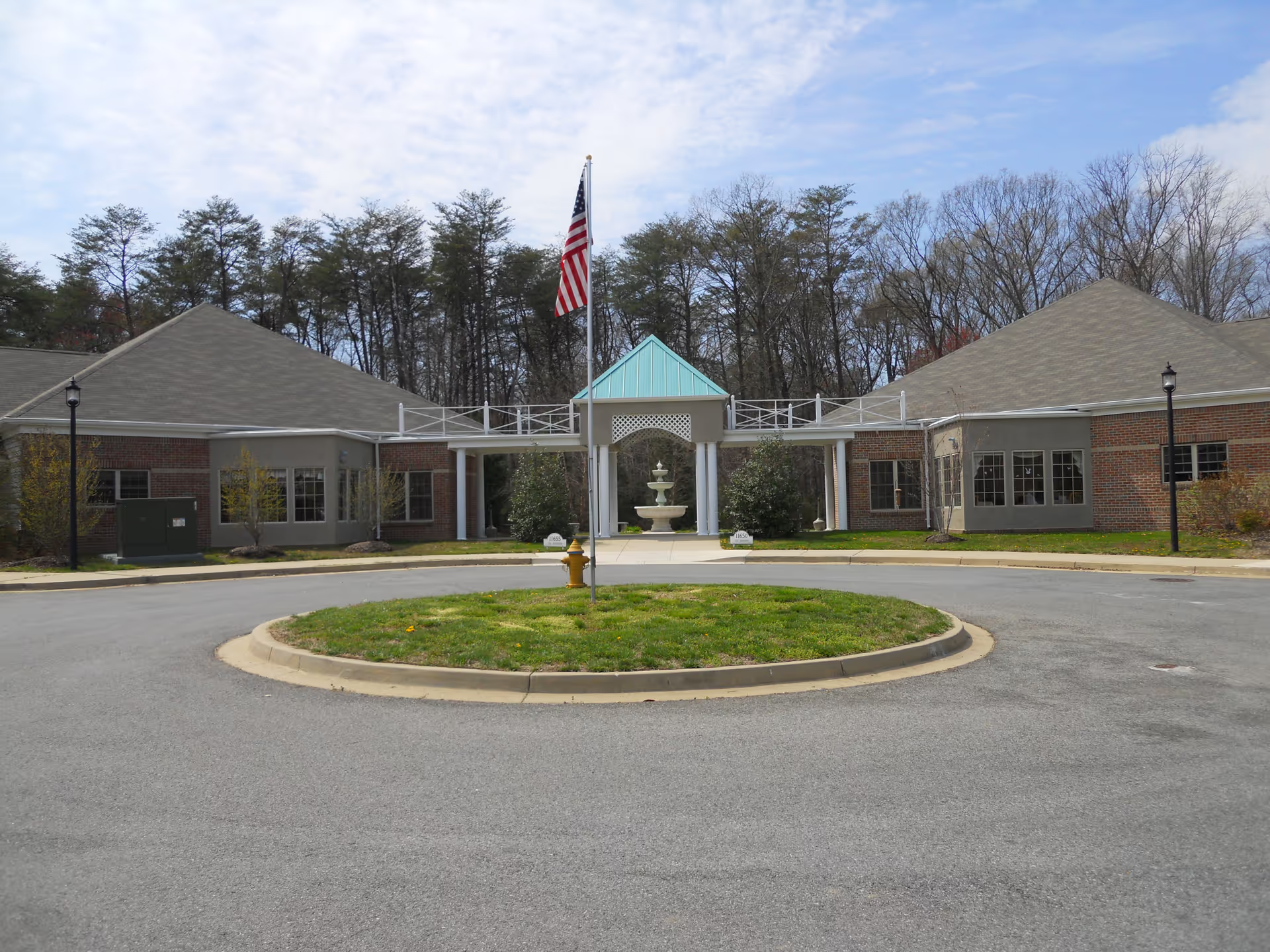
Cedar Lane Senior Living Community presents a mixed picture: it offers many operational strengths commonly sought by prospective residents, including a consistently described friendly and courteous caregiving team, 24/7 security, on-site amenities (chapel, salon, library, small store), and practical features such as wide, wheelchair-accessible corridors and apartment safety elements (grab bars, emergency call buttons). Several accounts highlight renovated units with full kitchens and in-unit laundry in some apartments, plus routine services such as pharmacy delivery and scheduled transportation that support resident independence and access to external health care.
Staff interactions and programming are frequently cited as strong points. Reviewers emphasize warm, helpful staff, prompt maintenance response, active daily activities (bingo, birthday gatherings, social meals), and a sense of community among residents. Management-level responsiveness is described positively in many accounts, and there are options for additional services like housekeeping and laundry that families can purchase.
Dining and clinical-care patterns are areas of recurring concern. The facility operates a meal program that some find mandatory and relatively costly; several accounts describe additional charges and dissatisfaction with food quality. Separately, clinical responsiveness is described as uneven: staffing levels and compensation pressures are linked to delays in assistance and occasions when families perceived care gaps. Emergency response processes and nursing proactivity are raised as operational issues to clarify before move-in.
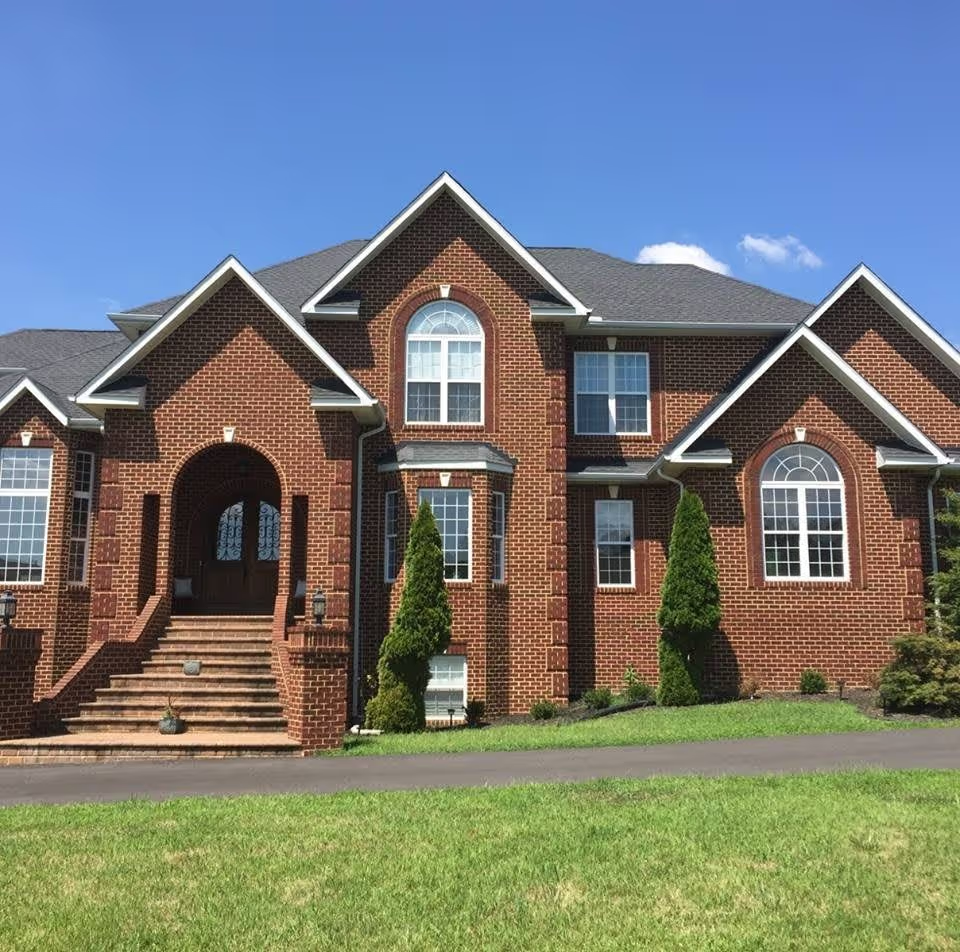
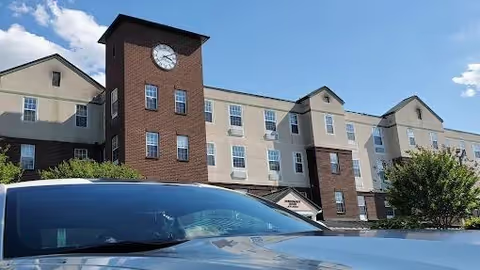
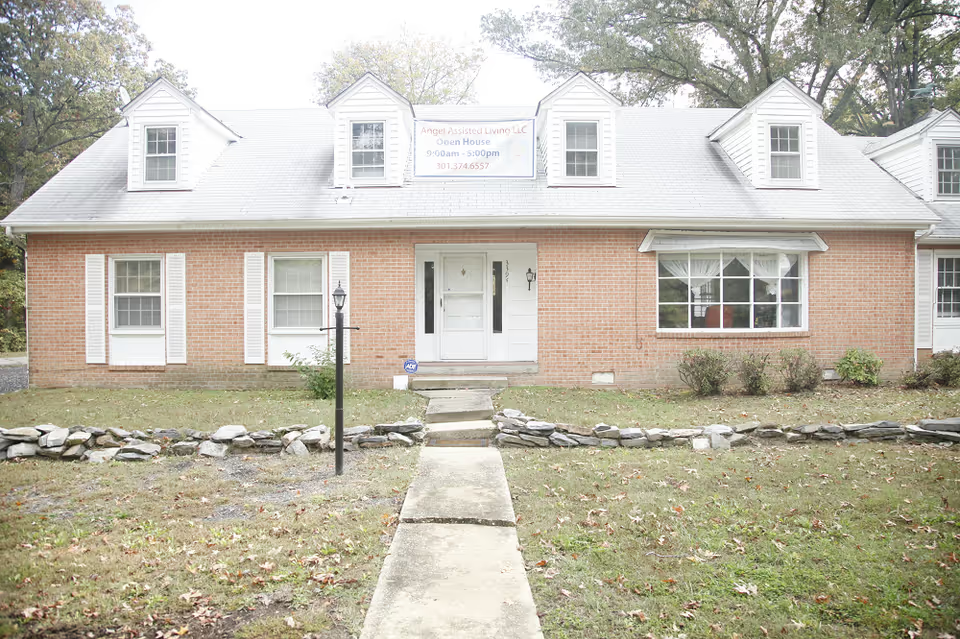
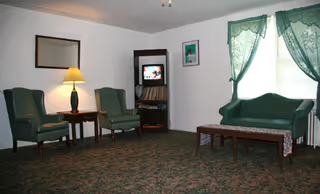
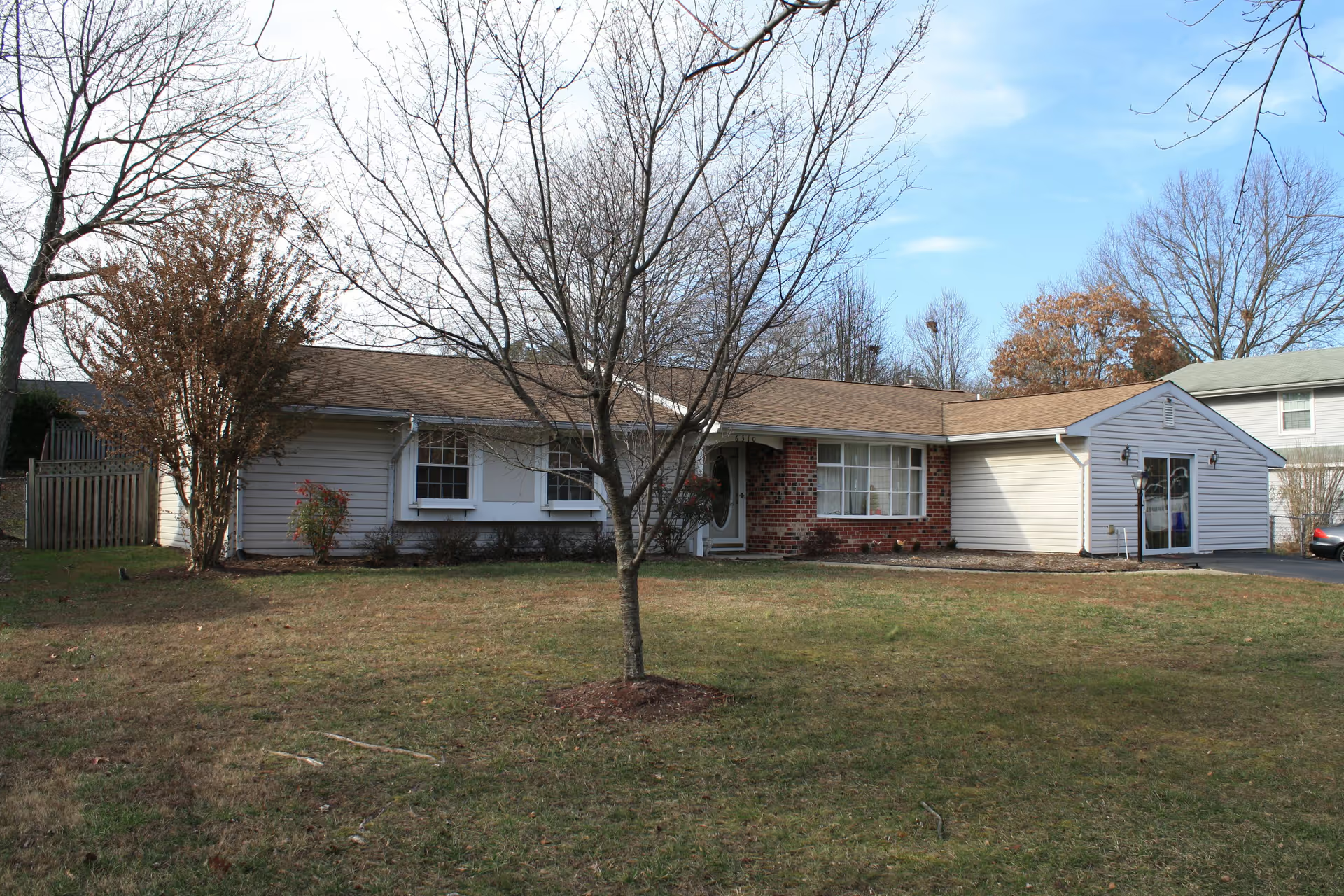
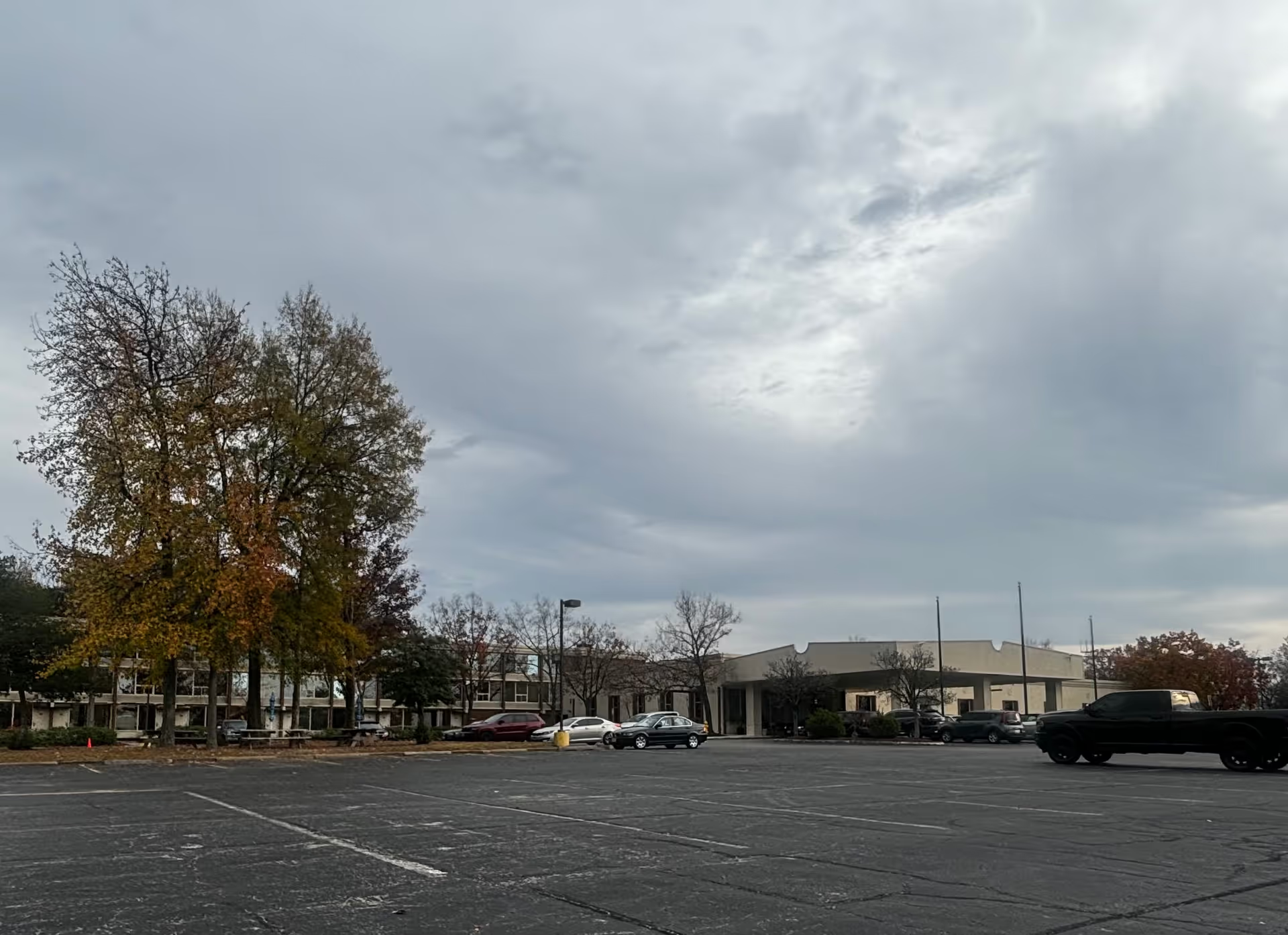
Physical plant and operational consistency vary by building. While some buildings are renovated and well-maintained, others are characterized by dated interiors, darker hallways, and odor concerns in common areas. Apartment size also varies, with some one-bedrooms and efficiencies described as compact. These contrasts suggest that condition and experience can differ depending on which building or unit a resident occupies.
Communication and policy clarity are other notable patterns. Families and visitors noted unclear or inconsistent guidance on parking, pet policies, and information-sharing practices, which can create confusion around daily logistics and privacy expectations. For prospective residents and families, recommended next steps include an in-person tour of the specific building/unit under consideration, a review of dining plan costs and options, direct questions about staffing ratios and emergency procedures, and written clarification of parking, pet, and privacy policies.
Overall, Cedar Lane offers a community with substantial social programming, helpful staff, and useful resident services, coupled with operational and physical-plant variability that warrants careful, unit-specific evaluation prior to placement.