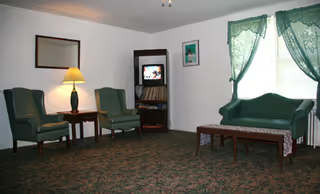
Overall impression: Reviews present a mixed picture. Several families described positive short-term experiences — staff who were attentive, helpful phone and administrative interactions, and common areas that are clean and attractively decorated. At the same time, a number of reviews describe operational and care-delivery issues that could materially affect resident experience and safety.
Care quality and staff: Accounts vary between reports of attentive caregiving and accounts of delayed responses, inadequate pain management, and problematic interpersonal communication. Reviewers raised concerns about responsiveness during visits and about staff conduct and tone. There are also serious individual-level complaints, including allegations of harsh treatment; those merit follow-up by families and regulators as appropriate. Chronic understaffing and inconsistent staffing coverage are recurring themes that likely contribute to the variability in observed care.
Dining, therapy, and activities: Several reviewers indicated limitations in therapy scheduling — notably short combined OT/PT sessions and an overall reduction in therapy hours compared with expectations. Meal provision and access to basic supplies were also cited as inconsistent, with at least one account describing restricted availability of essentials; these comments suggest potential gaps in supply-chain or policy practices that affect resident nourishment and comfort. There is limited information about structured social activities beyond therapy; prospective families should ask about activity schedules during a tour.
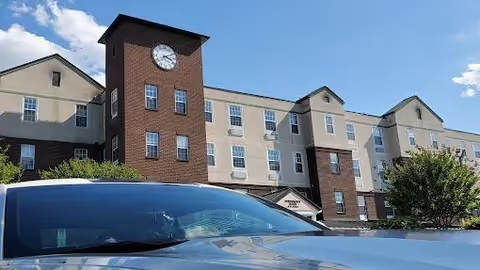
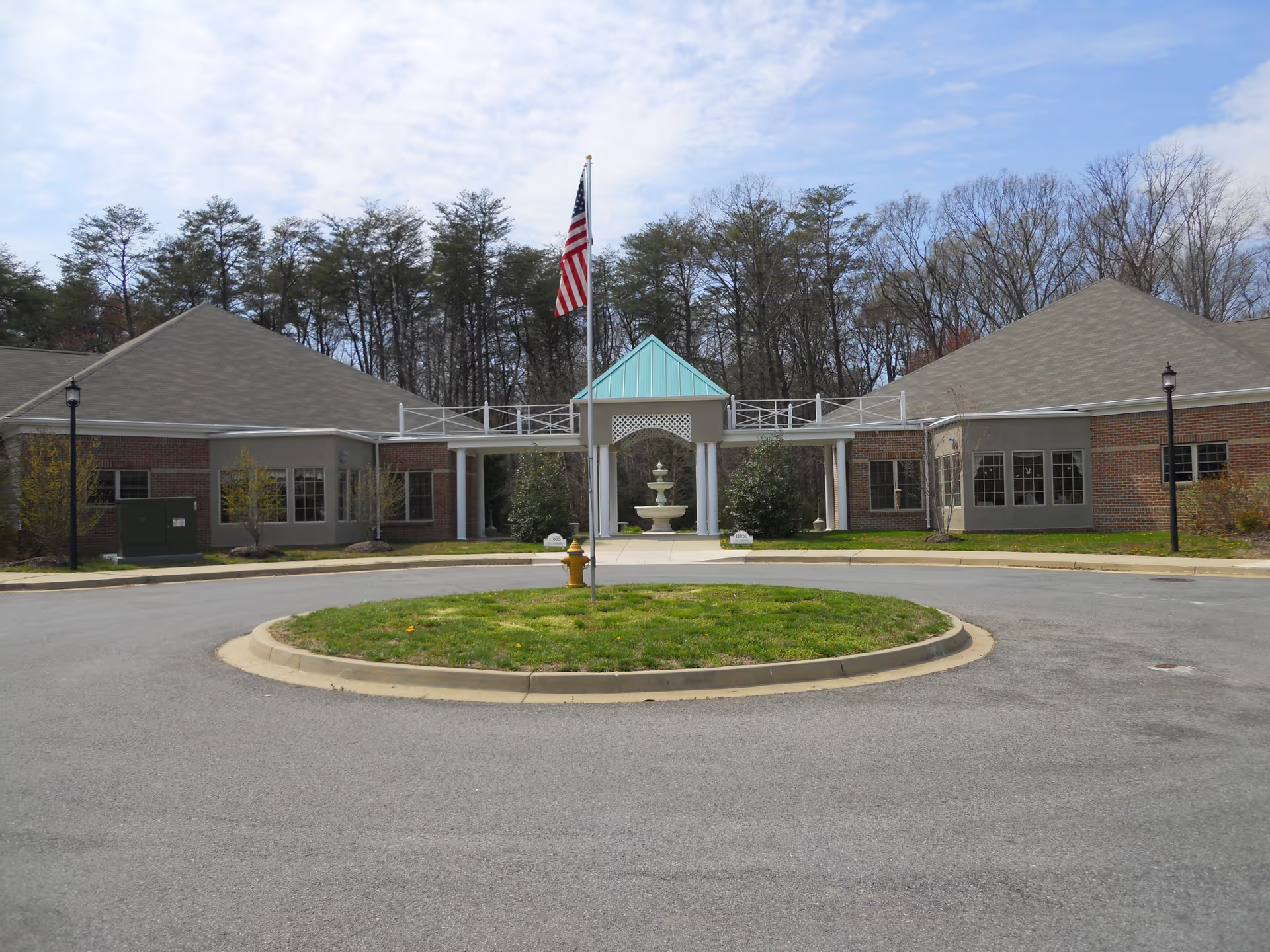
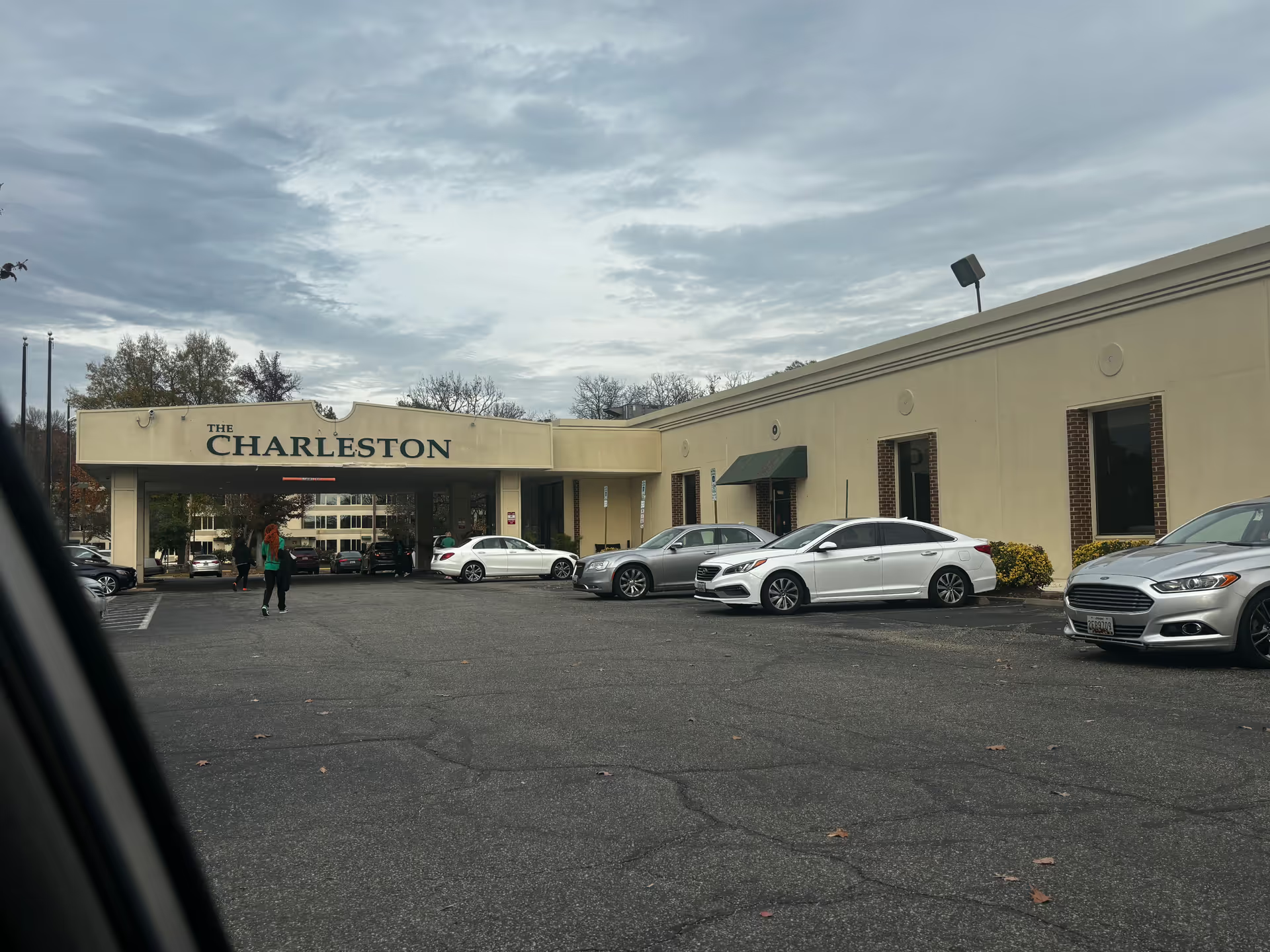
Facilities and cleanliness: The facility appears to be an older building with some attractive, well-decorated spaces. However, multiple reviewers raised sanitation and odor concerns in resident areas and flagged issues with temperature control and ventilation. These facility-level maintenance items — including consistent housekeeping and environmental controls — are important to verify in person, especially for residents with respiratory or temperature-sensitivity issues.
Management and communication: Reviewers identified weaknesses in care planning, discharge communication, and relocation practices (for example, transfers to distant facilities or perceived bed misrepresentation). Phone communications were described as helpful by some, but others reported unanswered calls and poor follow-up. There are also indications of gaps in visitor oversight and boundary enforcement. Taken together, these items point to opportunities for stronger policies, clearer family communication, and more transparent discharge planning.
Notable patterns and guidance for families: The facility elicits both positive and concerning feedback. If you are considering placement, prioritize an in-person tour that includes: inspection of resident rooms and common areas for cleanliness and ventilation; discussion of staffing ratios and typical nurse aide/ RN coverage; clarification of toileting and incontinence protocols; a review of therapy frequency and how OT/PT time is scheduled; and clear information on meal service policies and access to essential supplies. Ask management about care-planning processes, discharge/transfer criteria, and visitor-safety procedures. Where serious conduct or safety concerns are suggested, request documentation of corrective actions and, if appropriate, consult licensing or oversight agencies for any inspection history.