Brookdale Potomac draws consistently positive commentary for its frontline caregivers and programming. Many families and residents describe direct-care staff and nurses as compassionate, attentive, and personally engaged; long-tenured employees and an active activities leadership are frequently cited as contributors to a warm, home-like atmosphere. The community offers a broad calendar of activities—gardening, art projects, music and concerts, themed cooking days, outings, and memory-care–specific events—that reviewers credit with keeping residents socially engaged and stimulated. On-site therapy (PT/OT) and partnerships with reputable rehab providers are seen as strengths that support recovery and functional independence for many residents.
Dining and nutrition receive mixed but notable attention. The chef and dining leadership are praised for creative menus, European items, off-menu flexibility, and sensitivity to dietary restrictions; residents and families appreciate regular contact with the chef and menu variety. At the operational level, reviewers also raise concerns about dining-room service continuity, staffing shortages in the dining area, and occasional issues with meal temperature or service pace. These service inconsistencies can affect the dining experience despite generally favorable comments about food quality and menu selection.
Operational and management patterns show both positive and problematic elements. Several accounts highlight improvements under newer leadership, proactive community engagement, and clear strengths in therapy and resident programming. Conversely, recurring themes include uneven staffing—particularly on weekends—communication lapses during staff handoffs, and administrative disorganization tied to transitions in ownership or management. Financial processes are another area of concern: families reported unclear invoices, delayed refunds, and unexpected billing items, indicating a need for more consistent billing transparency and follow-through.
Care-quality themes are mixed and worth attention from prospective families. Many reviews describe highly personalized, dignity-preserving care, strong hospice and comfort-directed options, and excellent memory-care programming that uses validation techniques and individualized activities. However, other reports point to inconsistent execution of daily personal-care tasks, delays in responding to calls, and variability in CNA skill levels—issues that suggest the quality of hands-on care can vary by shift. Reviewers also note limitations in aging-in-place capacity and in some cases limited readiness for higher-acuity nursing needs.
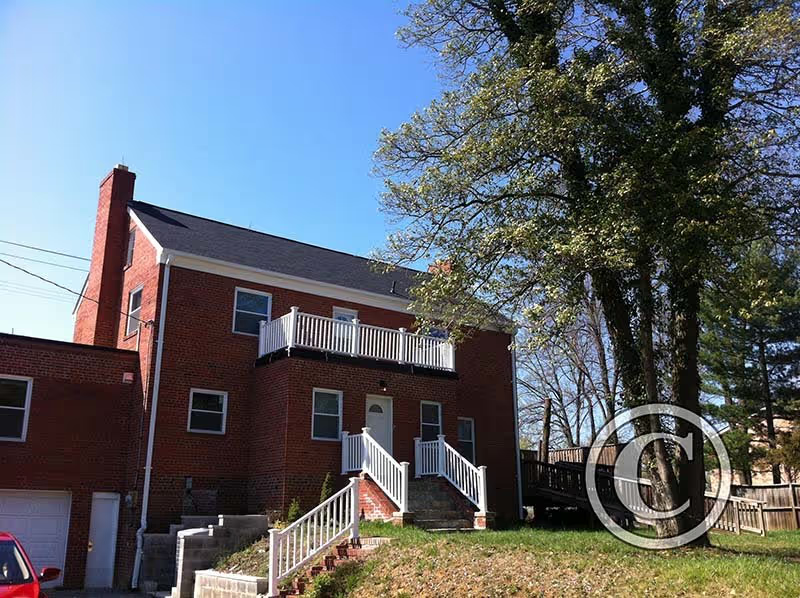
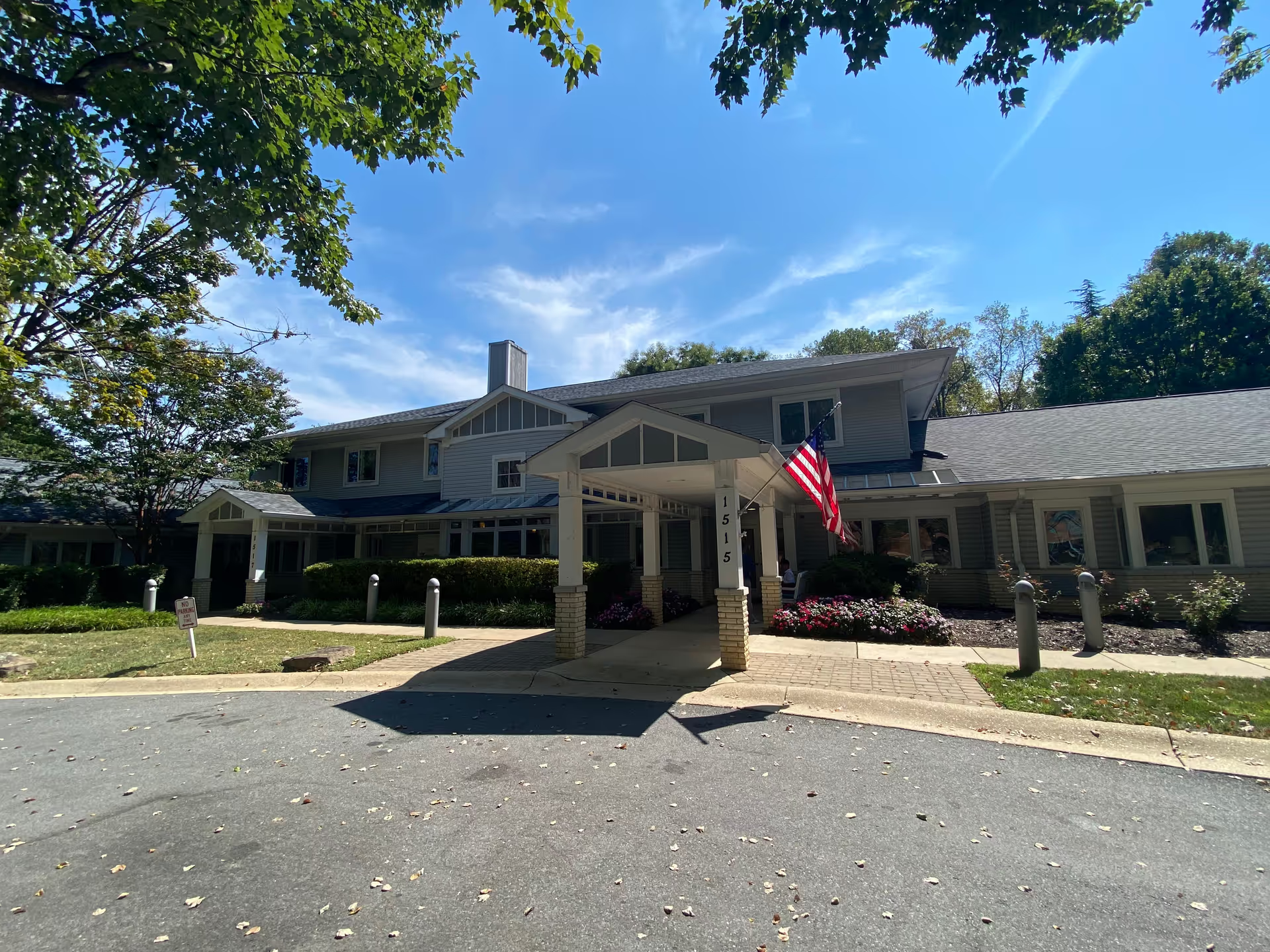
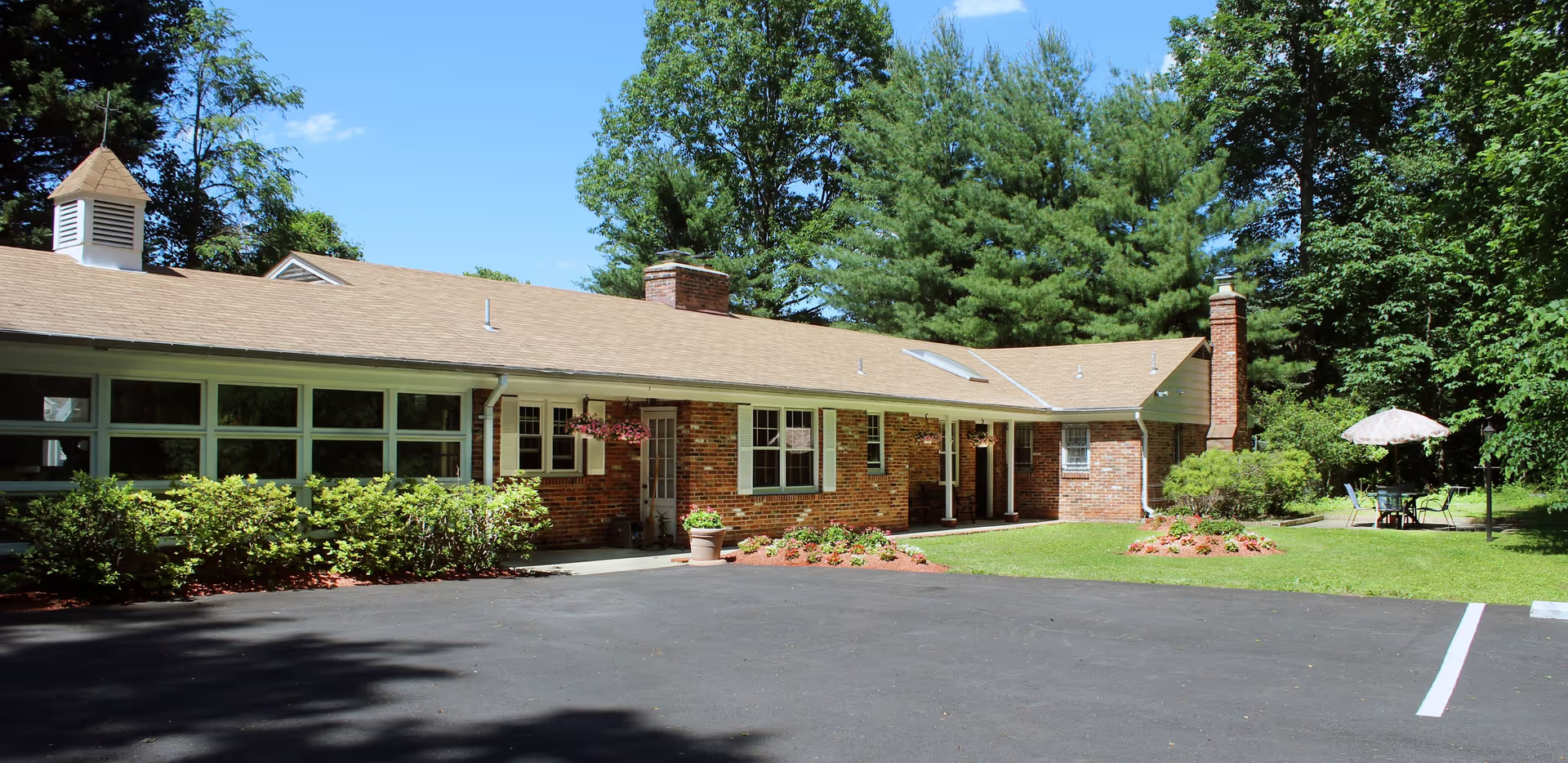
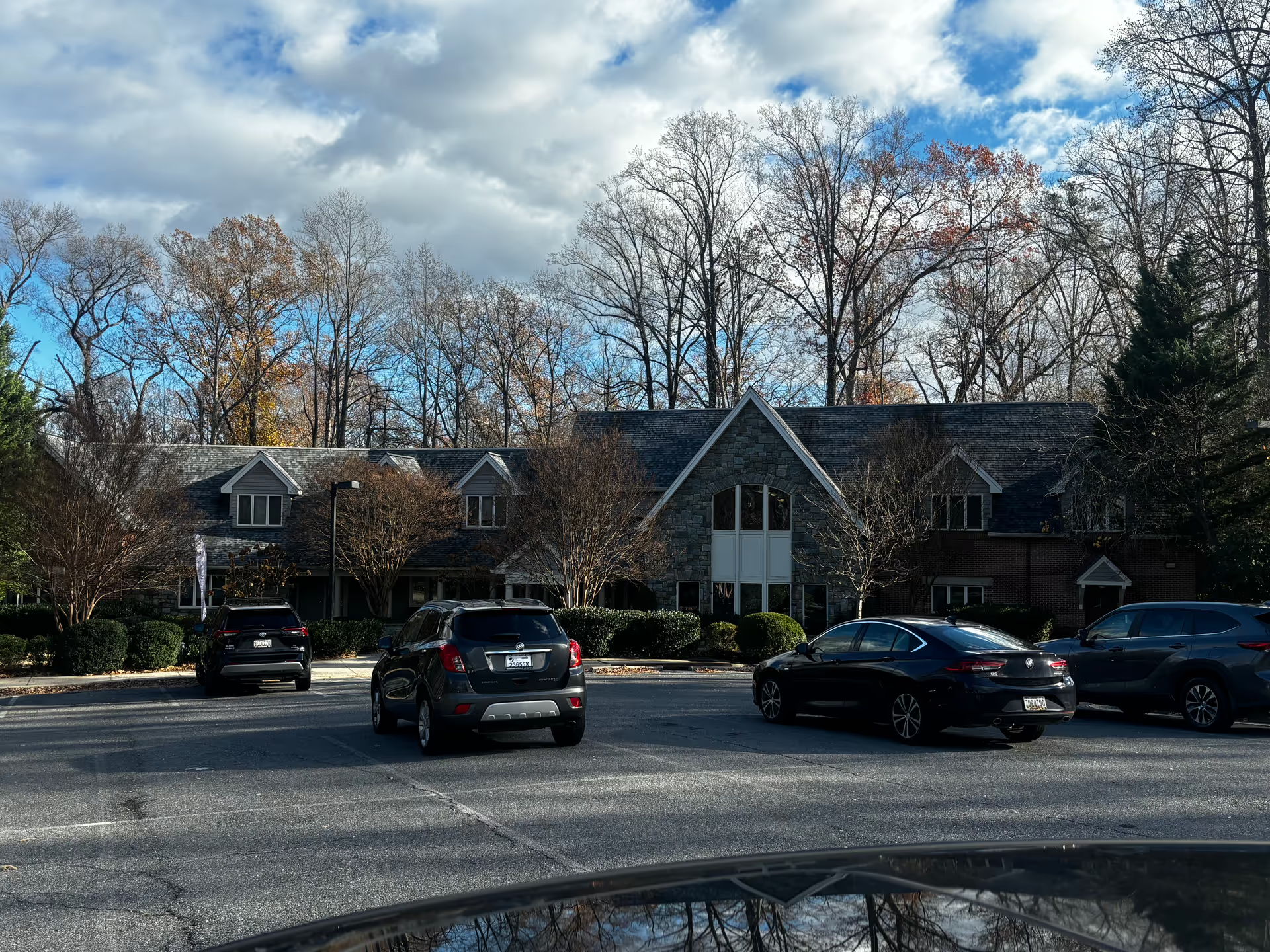
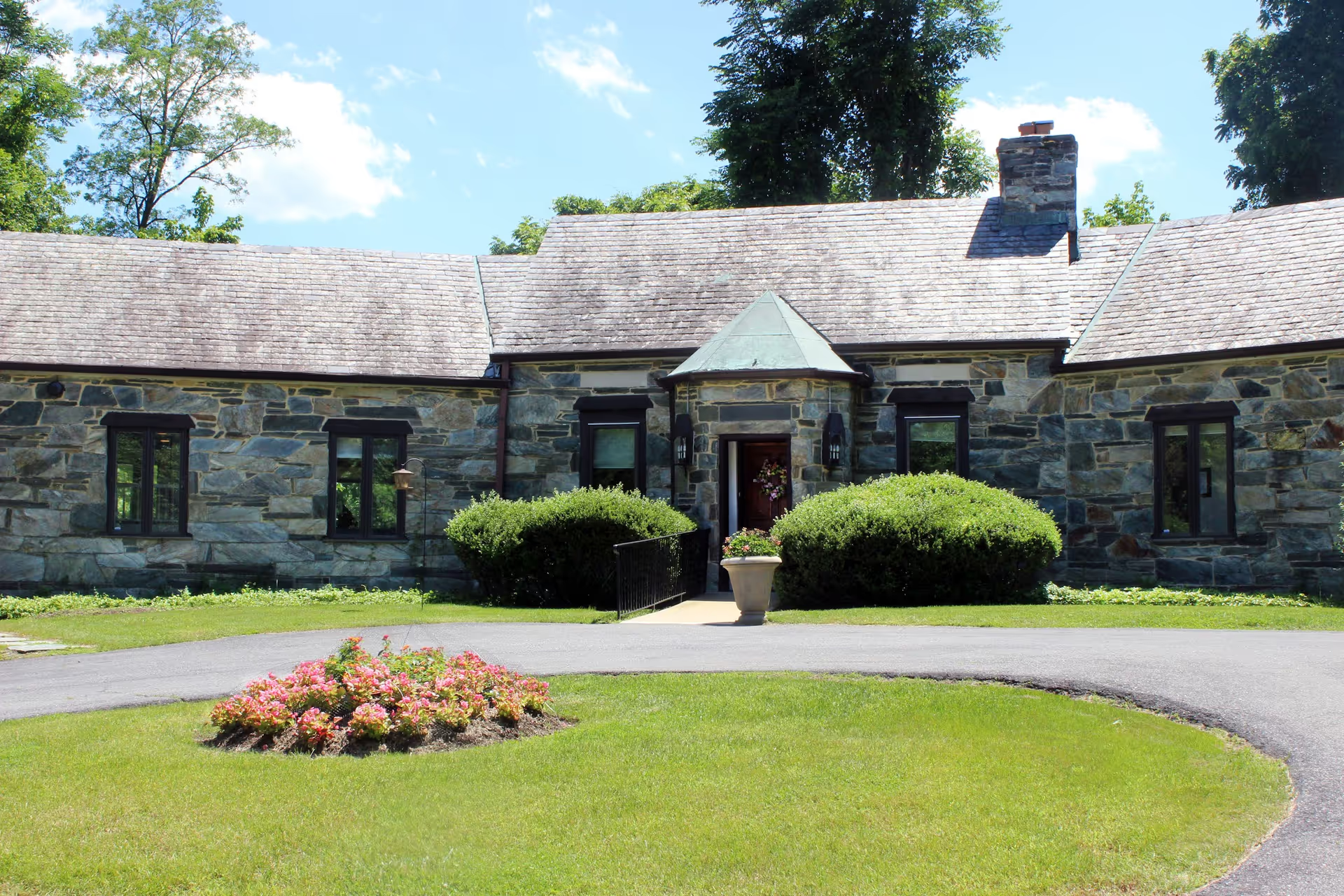
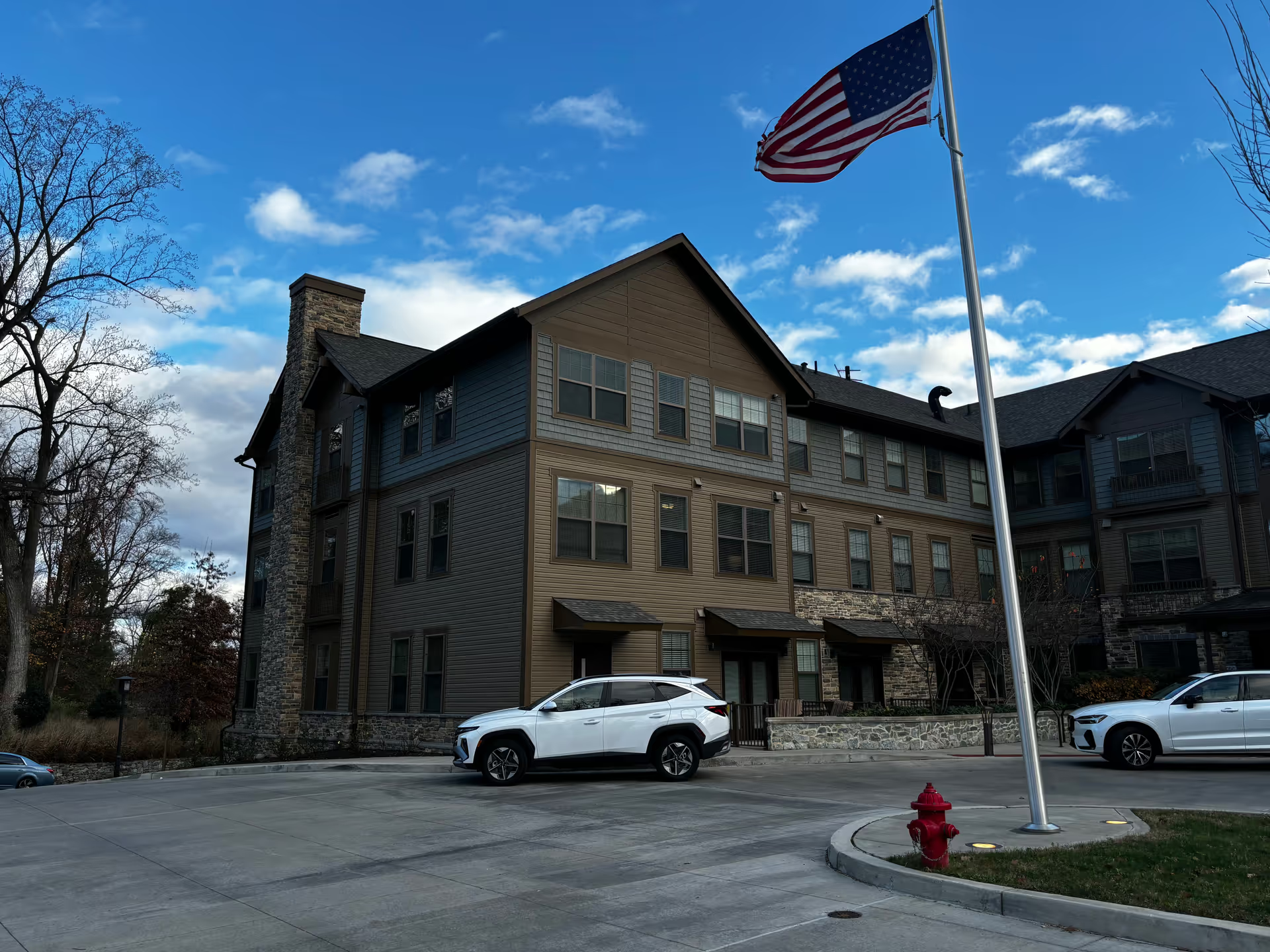
Facilities and environment generally rate well: residents and families describe clean, attractive public spaces, a serene courtyard and herb garden, comfortable common areas, and ongoing renovations that have modernized parts of the building. Some reviews mention small apartment sizes and temporarily unavailable amenities (library or activity rooms) during refurbishments, as well as maintenance delays for thermostats and equipment in a few cases.
In summary, Brookdale Potomac presents as a community with strong relational care, an active activities culture, and capable clinical and therapy resources. Prospective residents and families should weigh these strengths against operational variability in staffing, communication, and billing. For families prioritizing an engaged activities program, accessible therapy services, and a community-oriented staff, Brookdale Potomac may be a good fit; for those whose primary concern is highly consistent hands-on assistance across all shifts or seamless billing and administrative processes, it would be prudent to ask specific questions about staffing patterns, weekend coverage, escalation protocols, and billing procedures during a tour and pre-admission conversations.