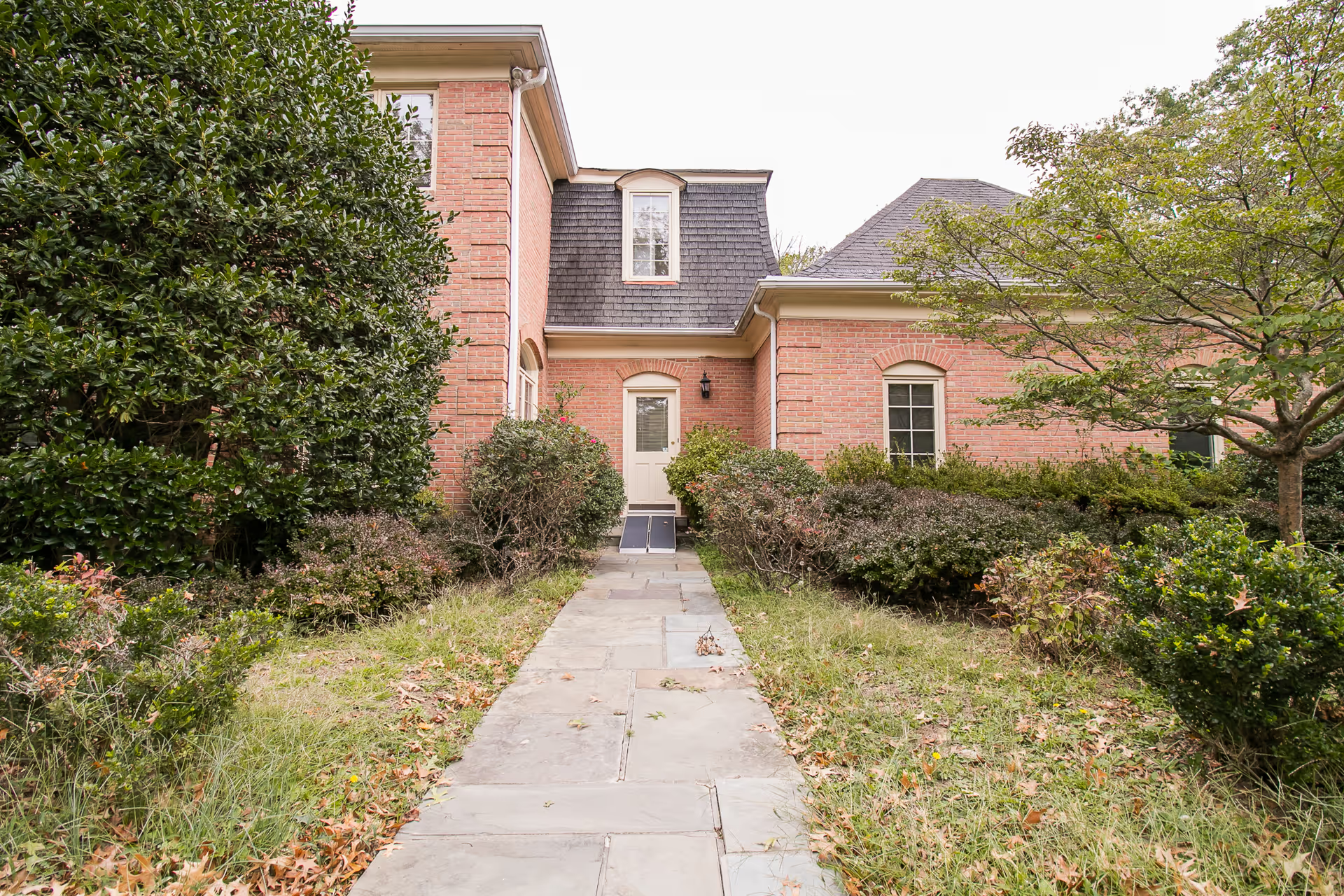
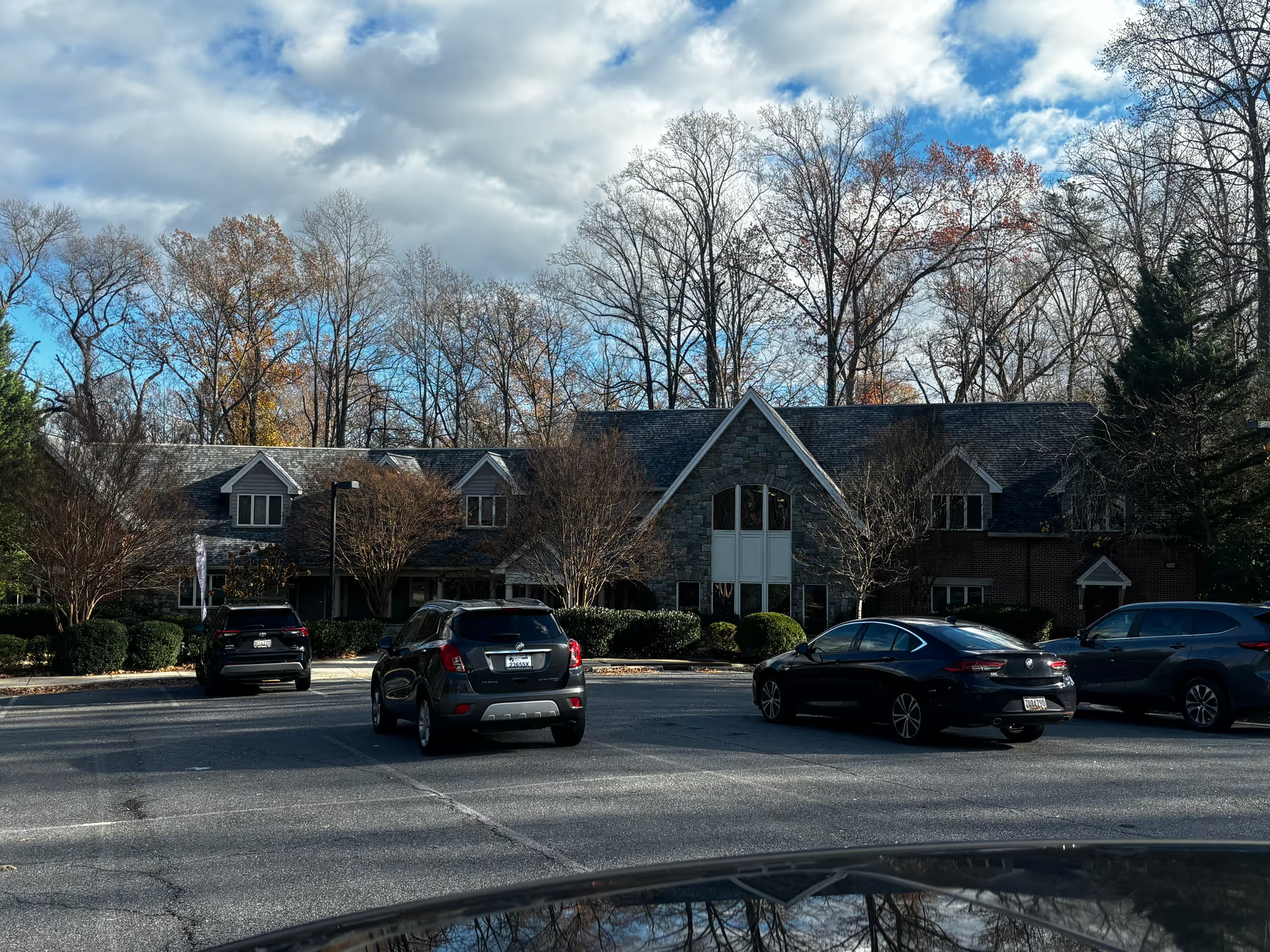
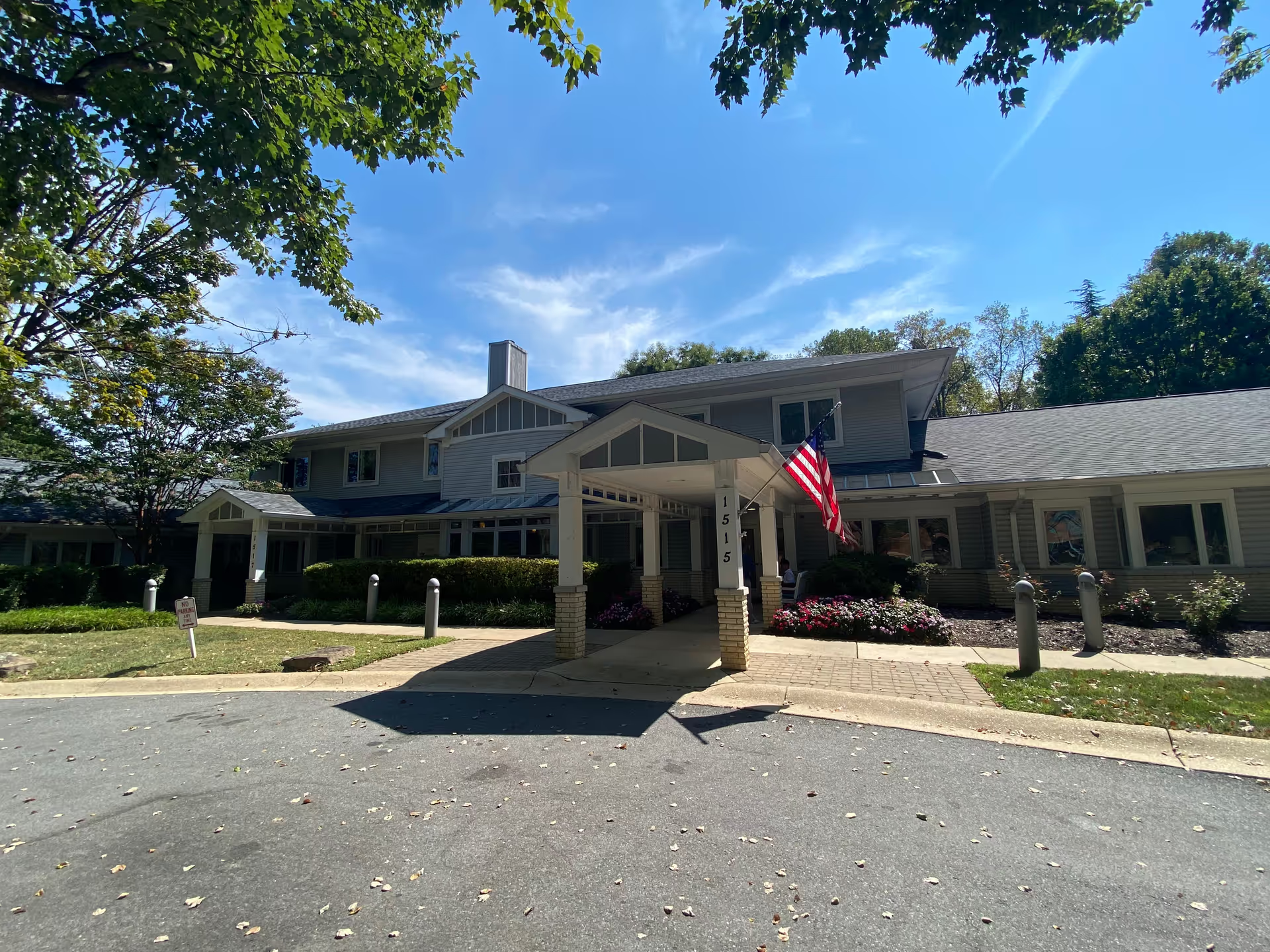
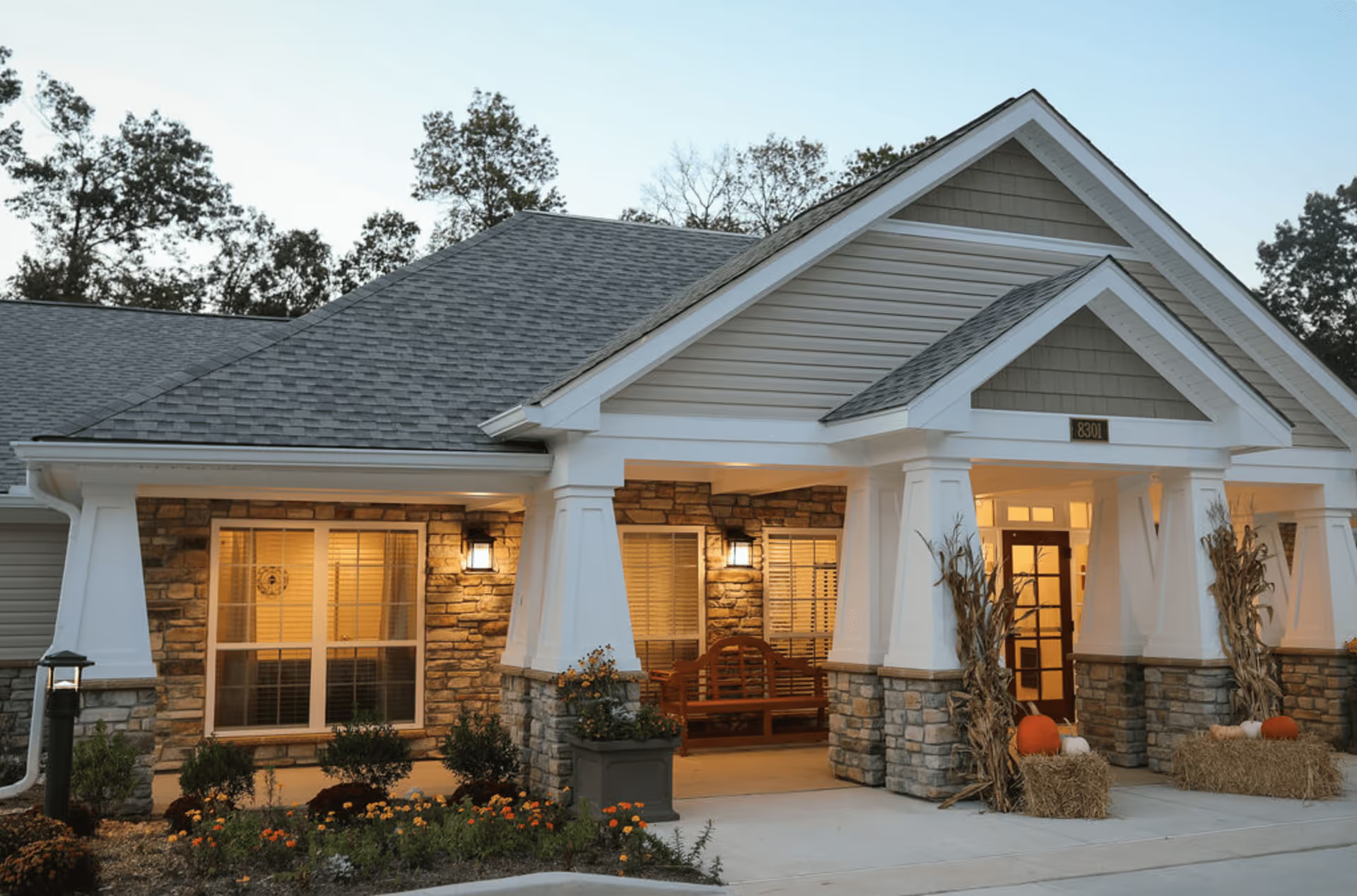
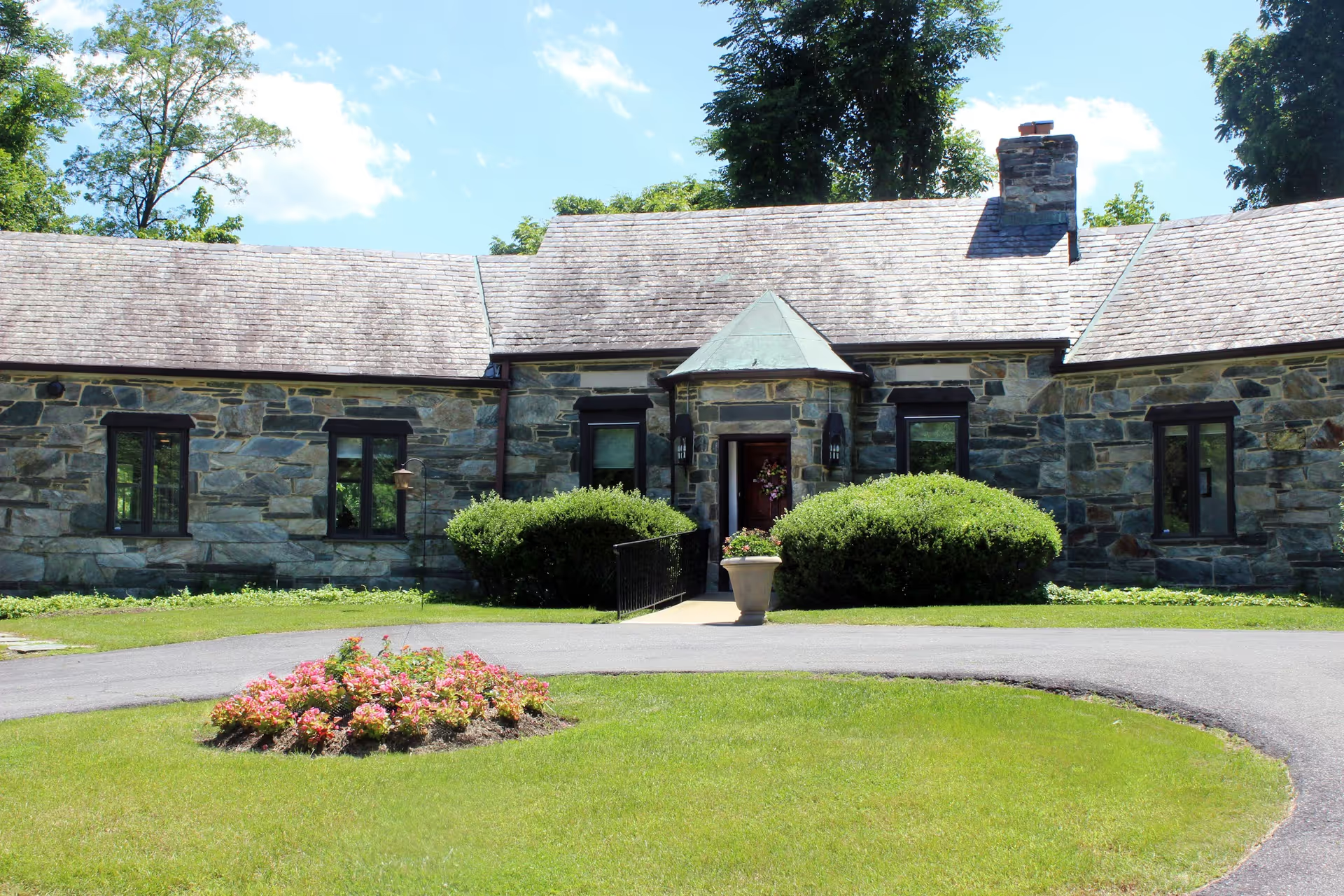
Cogir of Potomac elicits a distinctly mixed but consistent set of impressions. Many reviewers emphasize the physical setting and hospitality strengths: the building is frequently described as new, elegant, and well maintained, with pleasant common areas, specialized event and theater spaces, and a hotel-like atmosphere. Housekeeping and maintenance are commonly praised, and admissions and hosting staff are often noted for being welcoming and organized. Several families also highlight on-site clinical services—particularly physical therapy—and convenient access to medical and rehabilitative care.
Dining is a prominent positive theme. Numerous accounts describe high-quality meals, an extensive menu, accommodating substitutions, and availability of dietary options such as vegan selections. At the same time, a subset of reviewers notes variability in taste or limited variety at times, indicating inconsistent culinary experiences across residents or over time.
Staffing and direct care generate the most significant divergence in reviewer sentiment. Many comments describe warm, attentive frontline employees—caregivers, nurses, and therapy staff receive explicit praise for compassion and professionalism. Conversely, a distinct pattern of concerns centers on understaffing and the operational effects of staffing instability. These concerns manifest as inconsistent direct-care quality, delays in attending to basic needs (including slow call-light responses), and episodes where the facility’s clinical response or communication with families did not meet expectations.
Activities and programming are generally seen as a strength: there is an active schedule of social events, games, live music, and exercise classes, and the facility’s spaces are well suited to group programming. Nonetheless, reviewers note variable resident engagement and occasional gaps in staff encouragement to participate; leadership turnover or new activity-direction has been mentioned as a factor in inconsistent participation levels.
Management impressions are mixed. Several reviewers praise accessible and caring leadership, citing positive interactions with named staff and timely communication during admissions. In contrast, others describe administrative unresponsiveness and a perception that financial considerations influence service levels. These dual narratives suggest that experiences may vary by unit, shift, or individual staff members.
Taken together, the pattern is one of strong hospitality infrastructure and certain high-performing clinical and service elements—especially dining, therapy, and public spaces—paired with operational vulnerabilities around staffing, care consistency, and administrative follow-through. Prospective residents and families should weigh the facility’s physical environment, culinary and therapy strengths, and active programming against the potential for inconsistent direct-care responsiveness and the need for clear, ongoing communication with management about staffing and safety expectations. A focused conversation during touring about staffing ratios, clinical incident protocols, and how the facility encourages resident activity participation would help clarify whether the current operational model aligns with a particular resident’s needs.