Arbor Place Memory Care is presented across reviews as a small, dementia-specialized residence that emphasizes high-touch, individualized care. The facility is organized as a single-floor, 16-resident home with a high caregiver-to-resident ratio and an on-site geriatric/psychiatric presence. Review narratives highlight consistent medication oversight, care plan personalization, and continuity of leadership and direct-care staff, which families associate with safety and steady clinical oversight.
Staffing and care are the most frequently praised elements. Caregivers are described as long-tenured, compassionate, and family-oriented; communication with families is characterized as proactive, with routine updates and occasional photos. Several accounts underscore the facility’s attention to end-of-life support and ability to provide seamless transitions as residents’ needs change. Reviewers also point to strong pandemic management and an organized approach to clinical issues as contributors to family confidence.
Dining and daily life are also strengths. Meals are described as home-cooked, family-style, and adapted to resident needs; reviewers note thoughtful meal preparation and responsive menu changes. The activities program is another consistent positive: a creative activities director and an active recreation program offering art, music, cooking, singing and outdoor walks are associated with improved resident engagement and mood. Families describe meaningful, individualized engagement opportunities rather than generic programming.
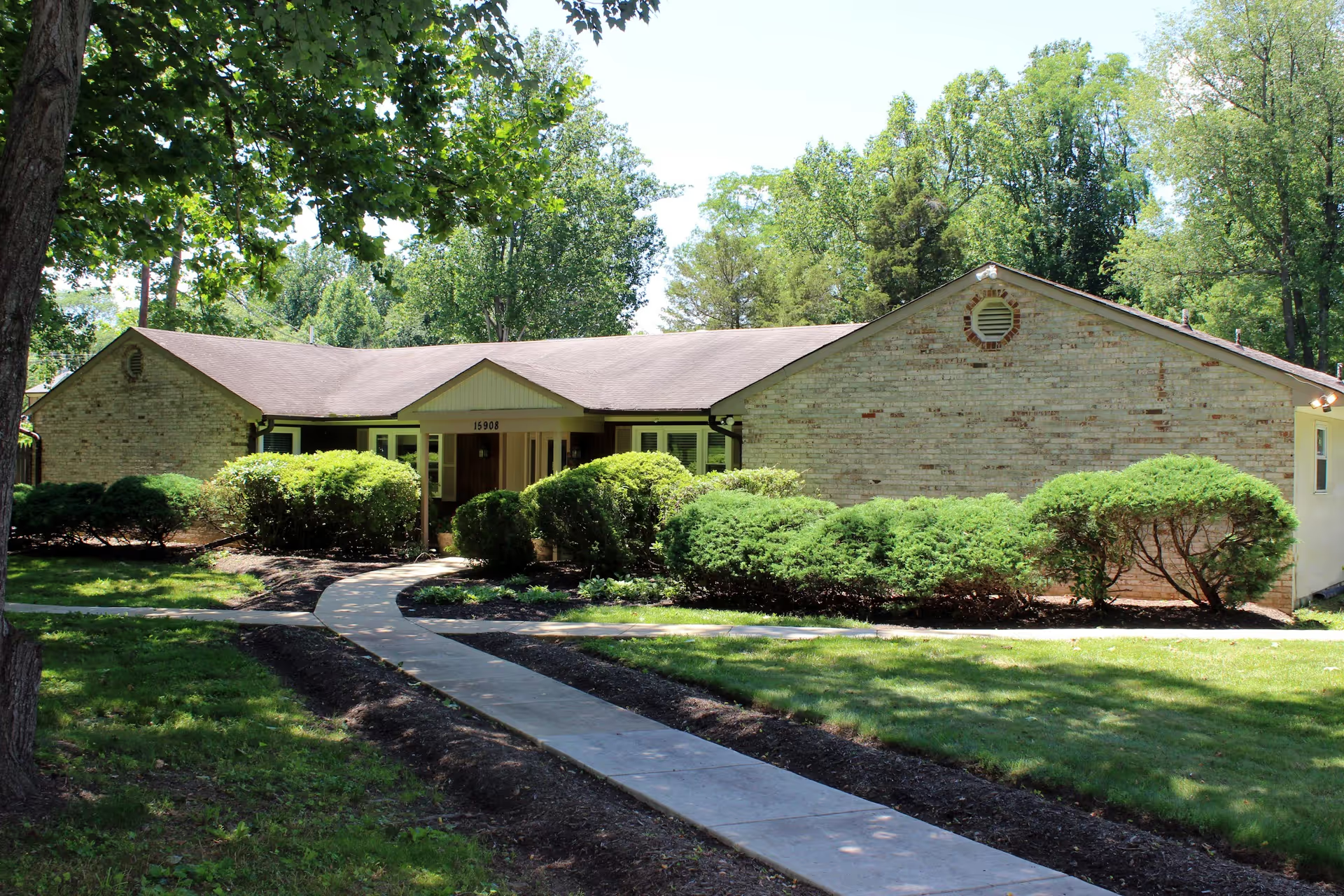
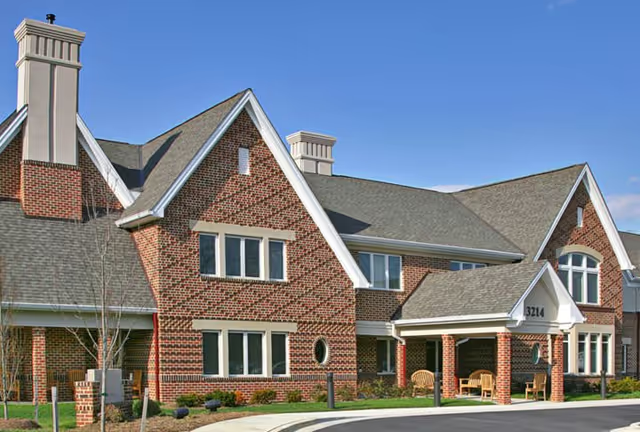
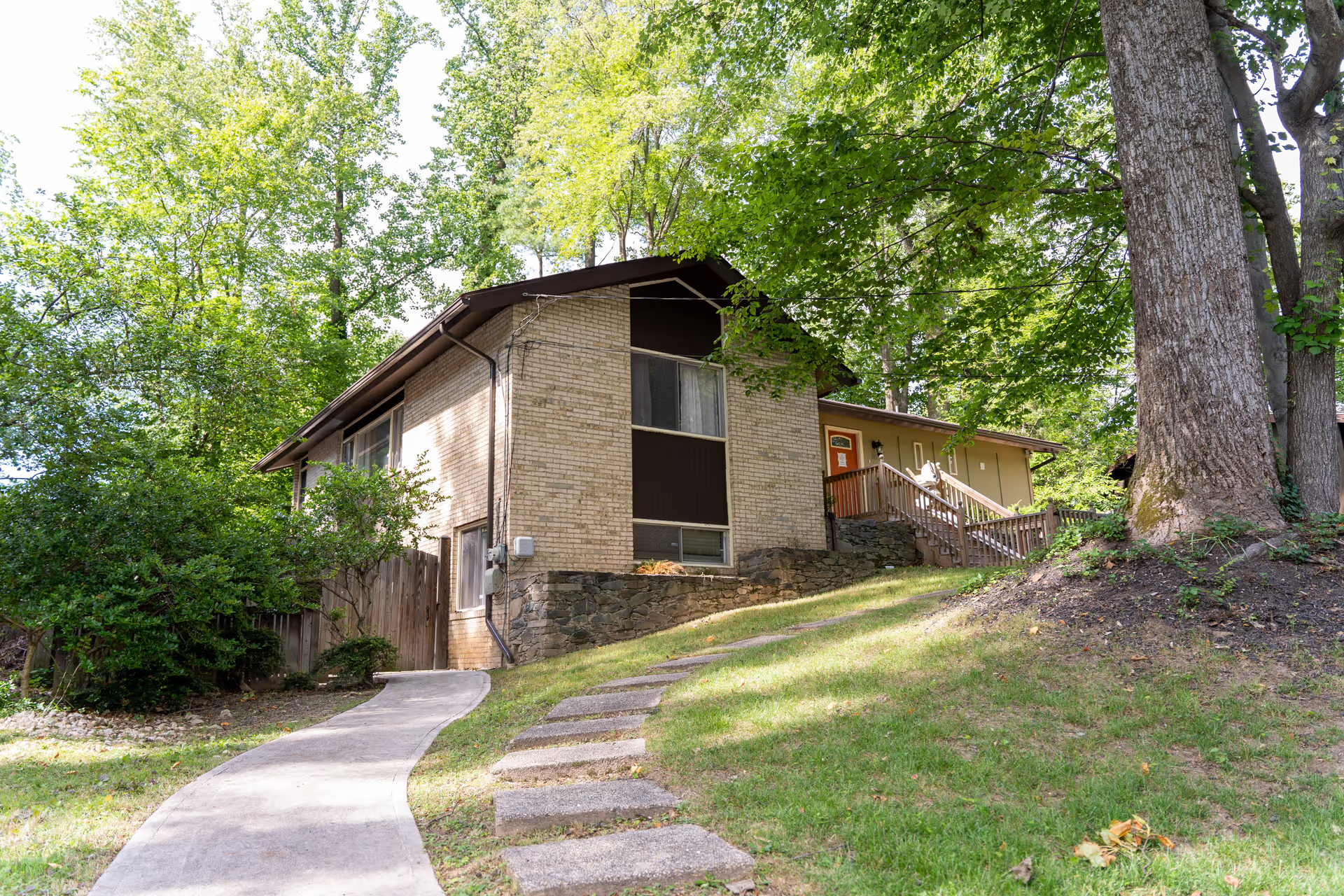
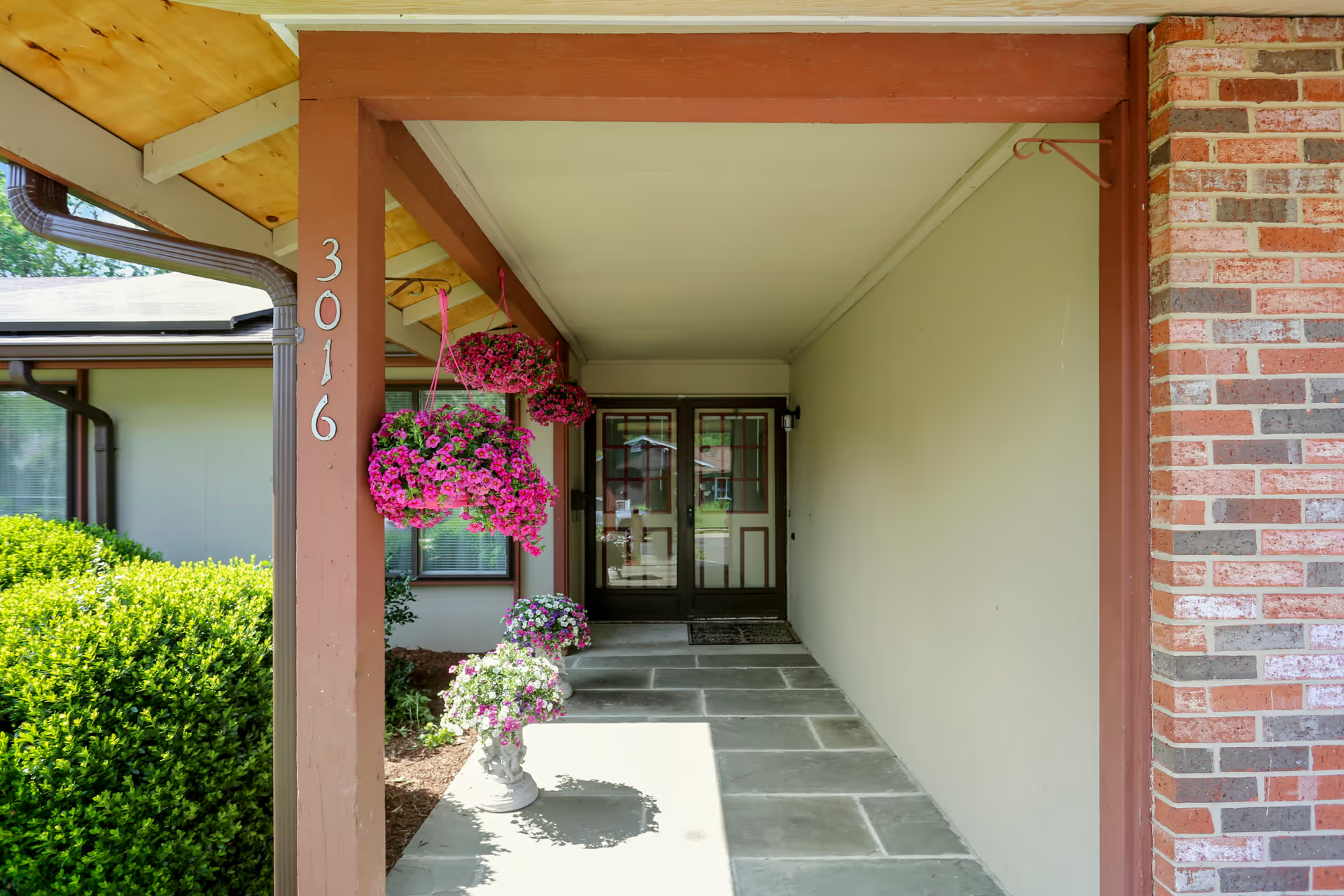
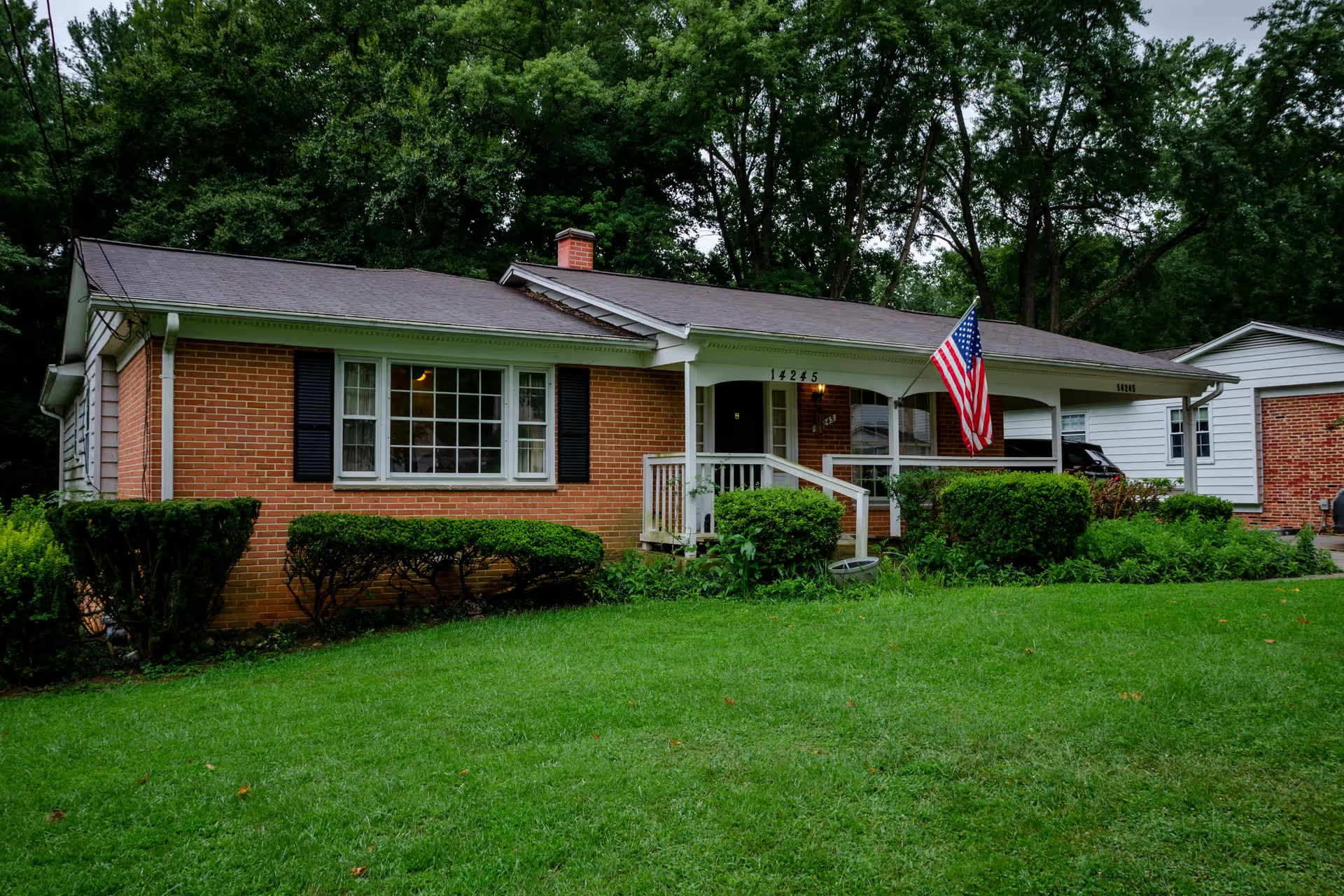
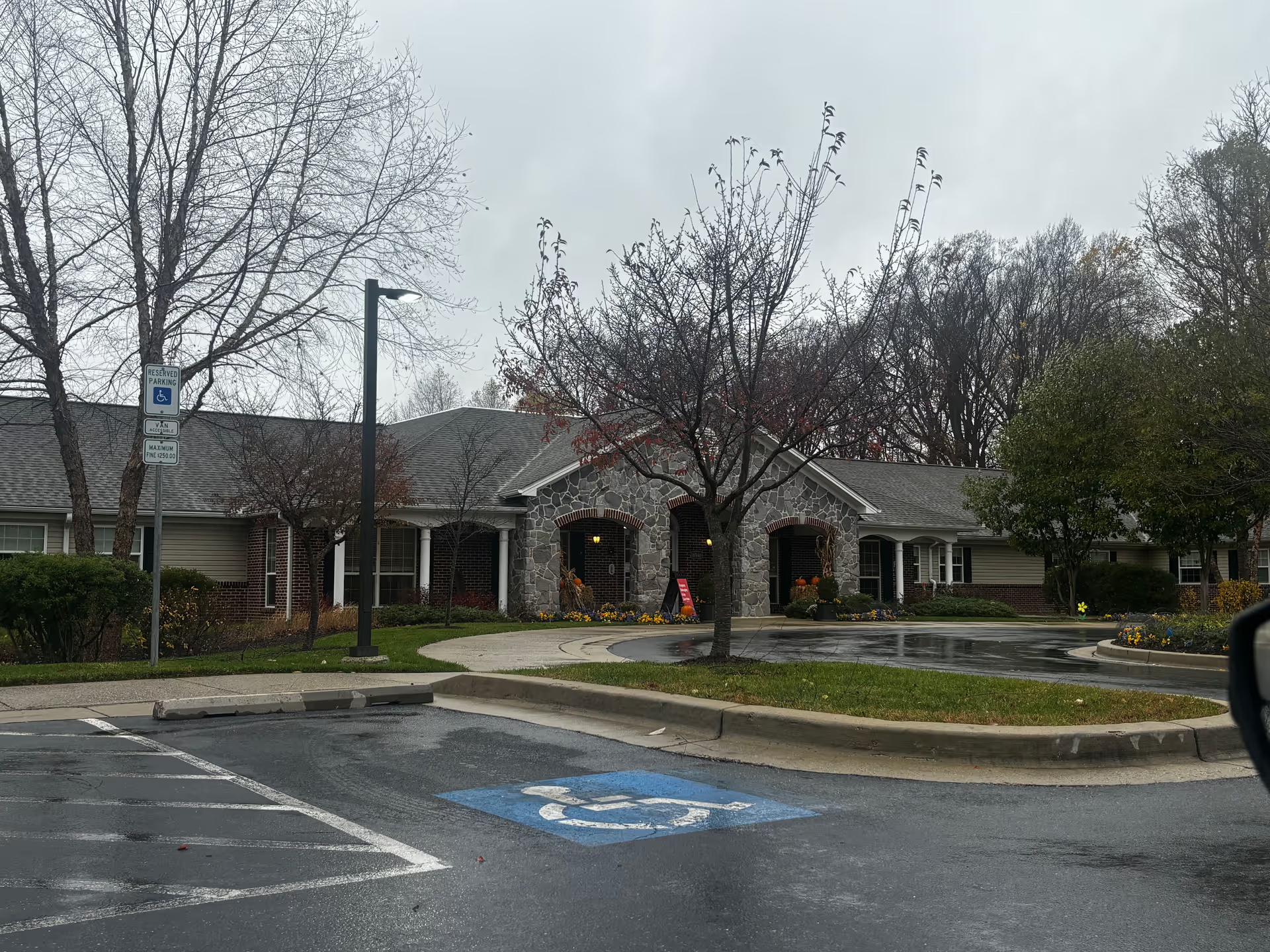
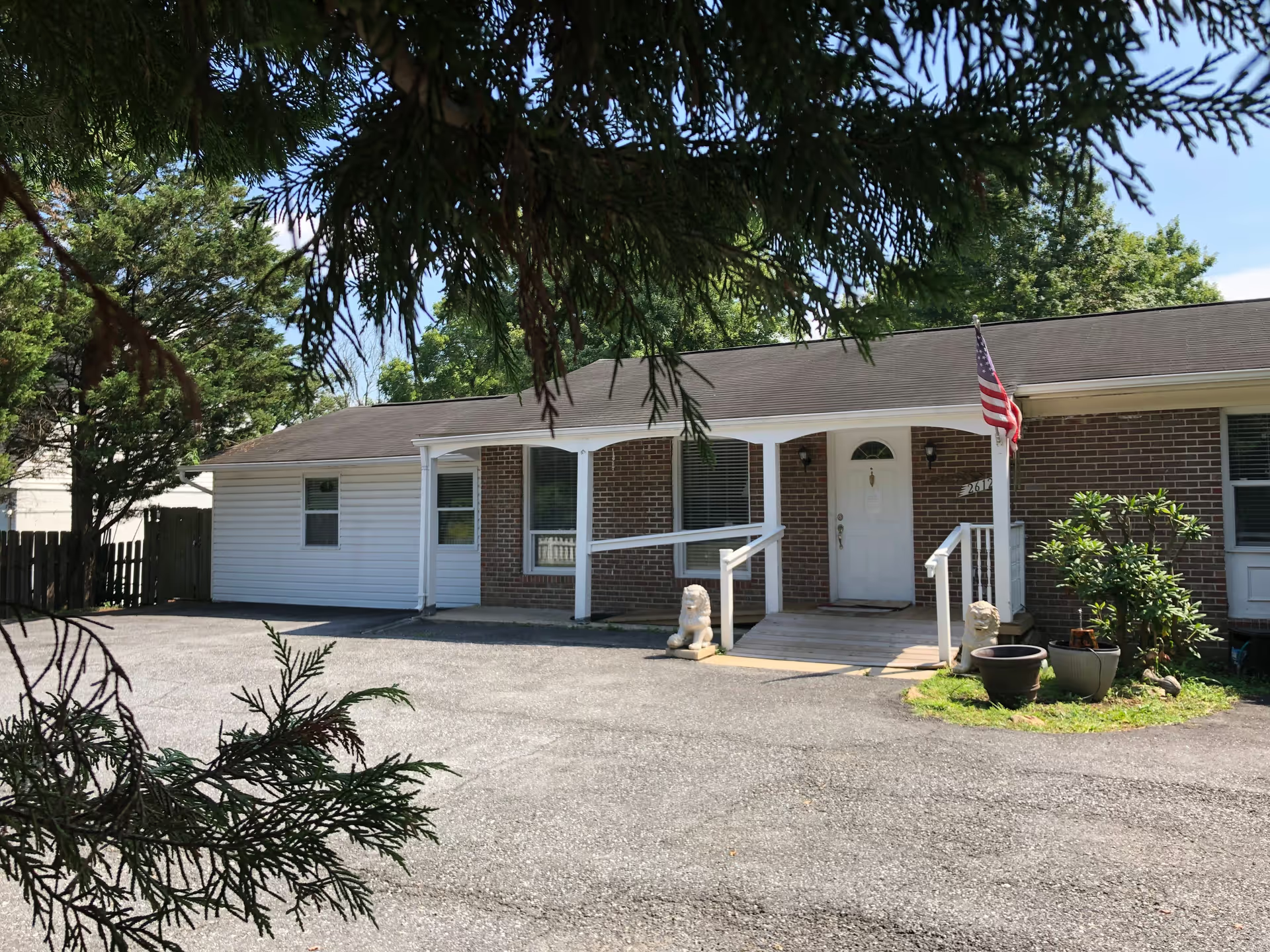
The physical environment is small, bright, and well maintained, with private rooms, tidy common areas, and a secure courtyard, patio and garden path that support outdoor activity. That compact, home-like scale is a double-edged feature: it supports intimate, family-style care and close staff–resident relationships but can feel confining to prospective residents who prefer larger, more socially diverse settings. Limited bed count creates a waiting list and constrained availability.
Management is family-run and described as accessible, with clinical leadership visible to families; an onsite psychiatrist and owner involvement contribute clinical depth. A minority of prospective families noted a persistent admissions outreach style from ownership during placement conversations, which some interpreted as overly assertive. Overall, the pattern across reviews is strongly positive for dementia-specific, high-attention care in a small, well-kept environment, with the principal operational trade-offs being limited capacity and a scale that may not suit those seeking a larger community atmosphere.