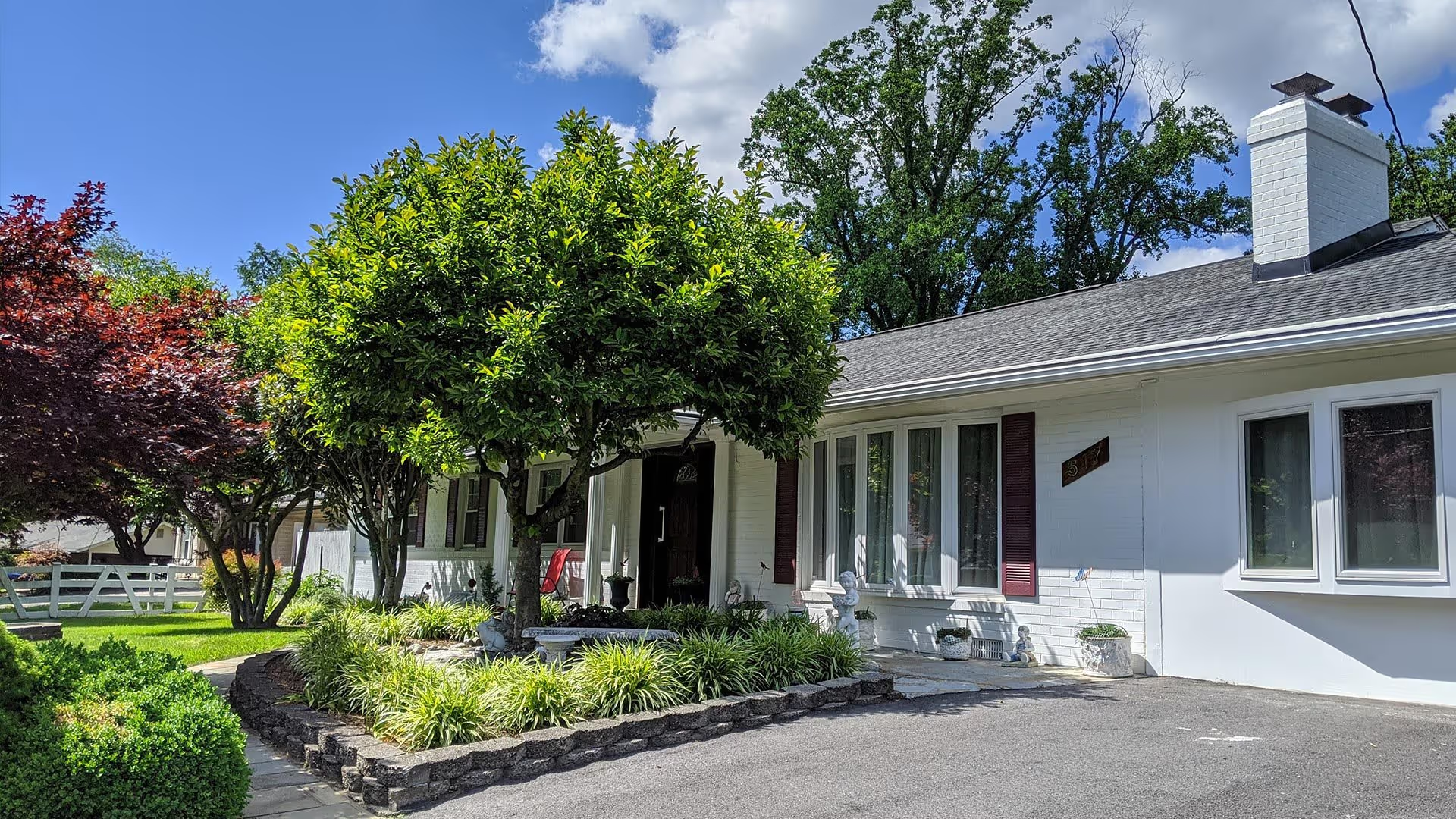
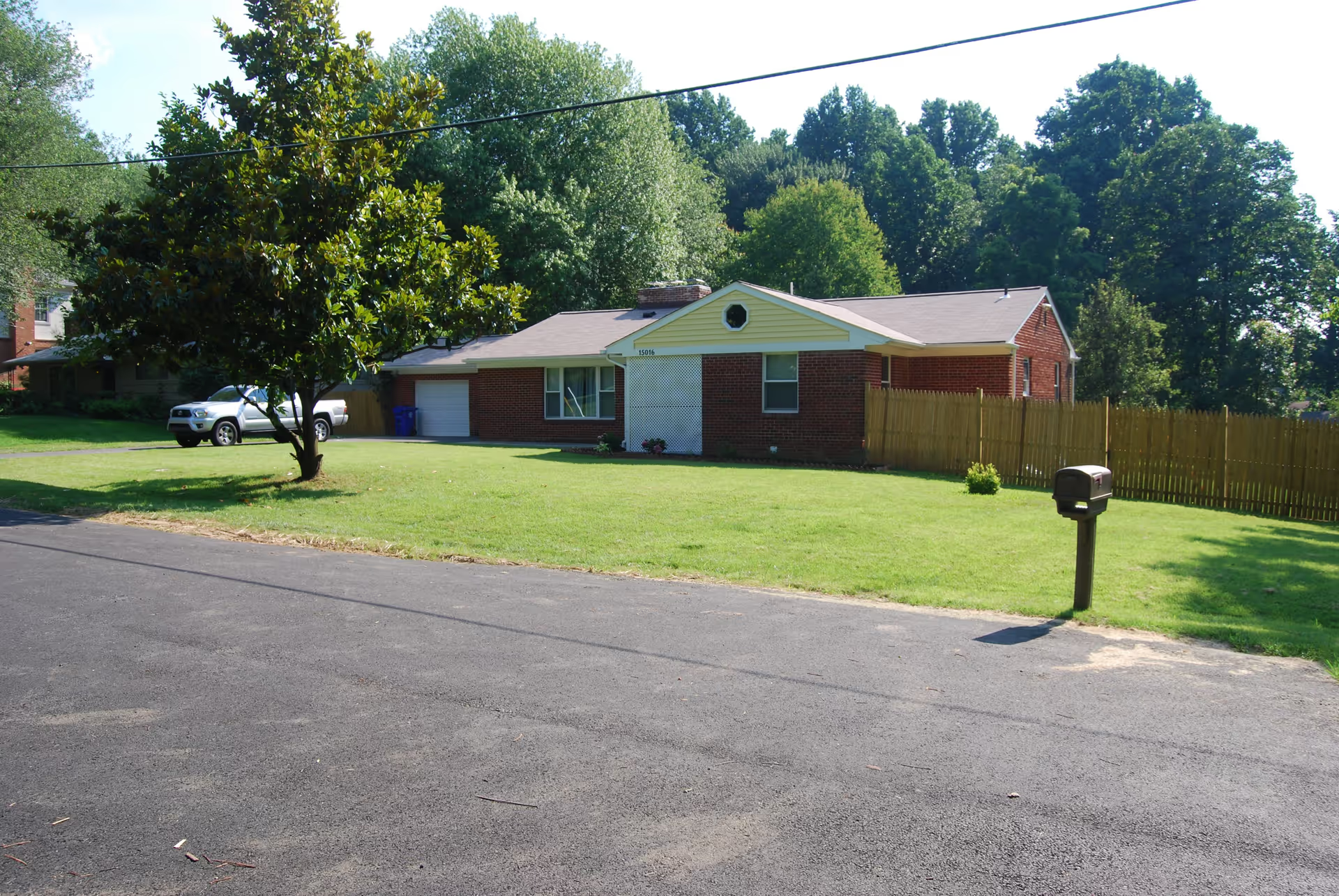
Able Plus Assisted Living presents as a small, home-style facility with strengths in clinical coordination and hands-on caregiving. Reviews consistently highlight 24/7 caregiver coverage, on-site wound care (including a wound nurse and weekly wound clinic), and access to physical and occupational therapy. Families cite coordinated physician visits with transportation and active medication management, and several describe meaningful clinical outcomes such as healing of serious foot wounds that avoided escalation. These elements suggest the facility is oriented toward residents with complex wound-care and mobility needs.
Staffing and interpersonal care are frequent positives. Many families describe an attentive, family-like staff culture, frequent communication from management (including photo and video updates), and specific leadership presence that facilitates coordination with physicians. Reviewers emphasize compassion, respect, and individualized attention; on-site services such as a barber and podiatrist, holiday gatherings, and Covid-era video visiting add to the sense of a personalized care environment.
Dining and daily living are also commonly noted strengths. The facility is described as clean and well-maintained, with home-cooked meals and individualized meal options. Private and shared room arrangements, bright common areas, and a small resident census contribute to a quiet, intimate atmosphere that some families find appropriate for dementia or mobility challenges.
Areas that warrant attention are operational and environmental. Activity programming is described as limited or irregular, with activity frequency and structure varying; prospective families seeking robust daily programming may view this as a gap. Staffing levels and supervision are cited as concerns in several accounts — both in absolute terms (plans to increase staffing ratios were mentioned) and in how the physical layout affects oversight. The building layout (spaces on separated floors and common areas with distances between gathering rooms and bedrooms) was noted as complicating supervision and raising wandering/elopement risk for residents with cognitive impairment. Reviewers also mentioned variable interior warmth or decor, occasional curt communication from management, and minor maintenance needs such as exterior lighting.
In sum, Able Plus appears to be a clinically capable, small-scale assisted living option that emphasizes individualized care, wound and therapy services, and family communication at an affordable price point. Prospective residents and families should weigh those strengths against operational factors — particularly activity availability, staffing ratios, and the facility layout — when assessing fit for residents with higher supervision needs. Arranging a site visit focused on supervision sightlines, staffing patterns during peak hours, and sample activity schedules would be useful next steps for families considering this facility.