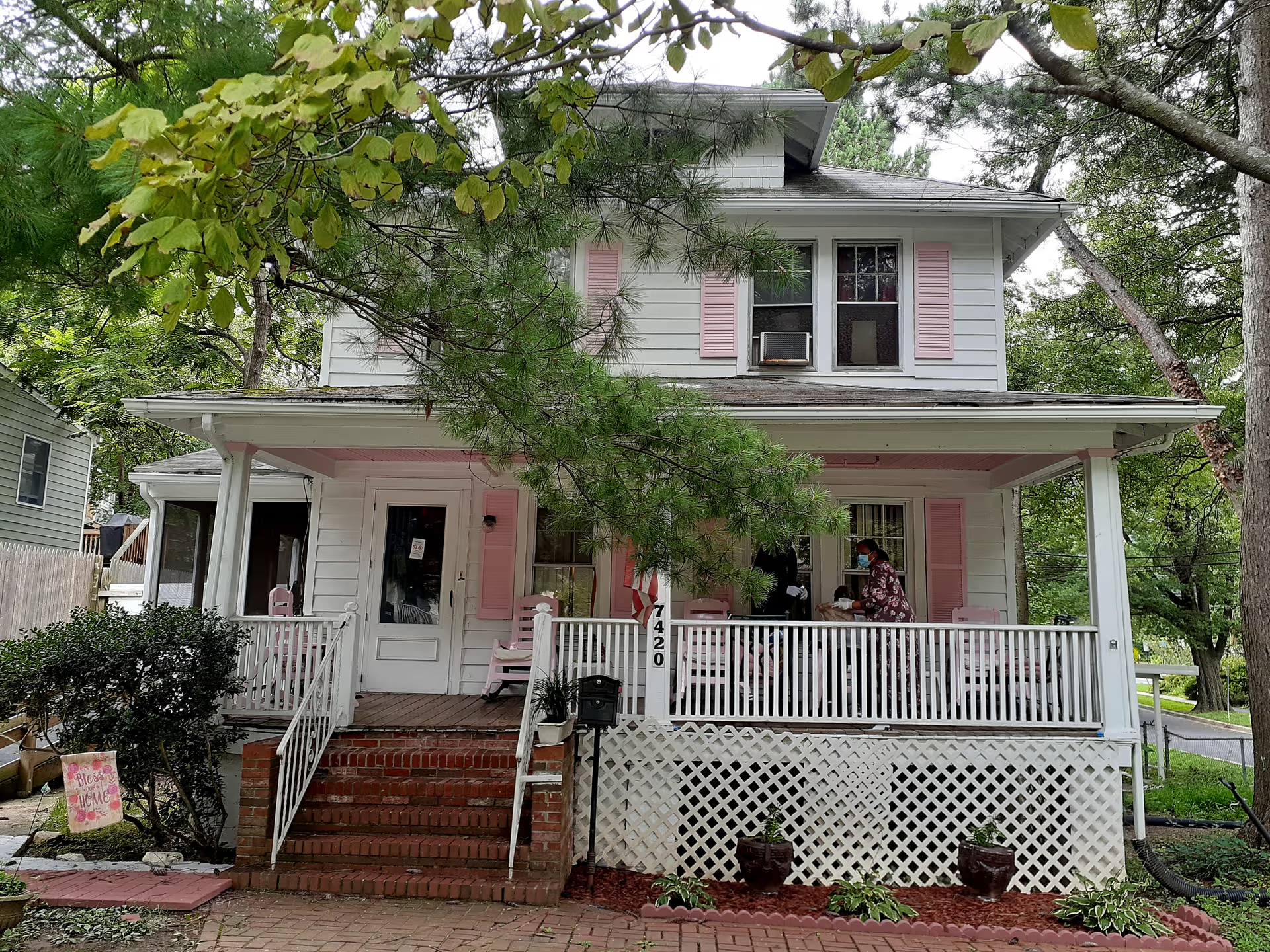
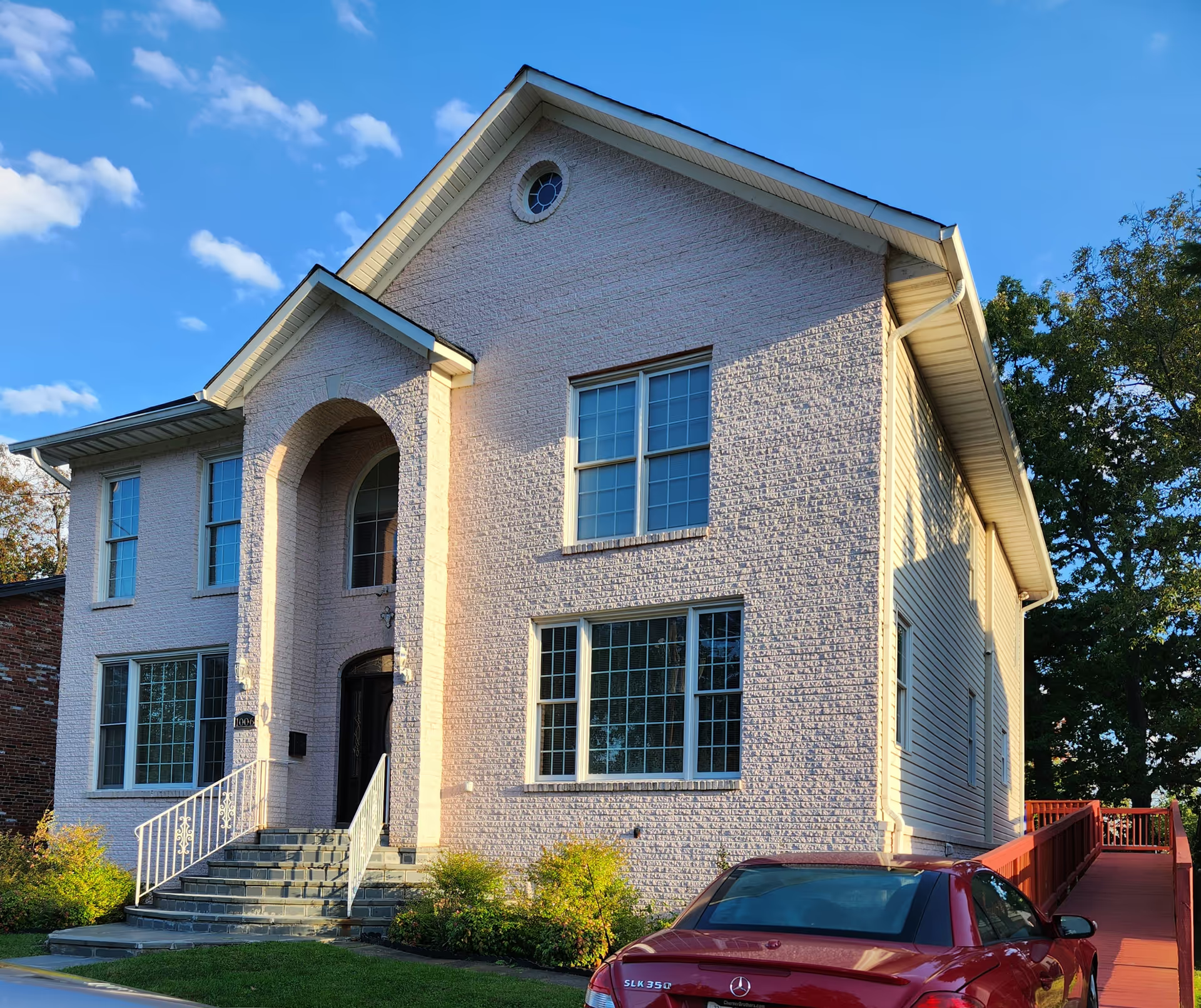
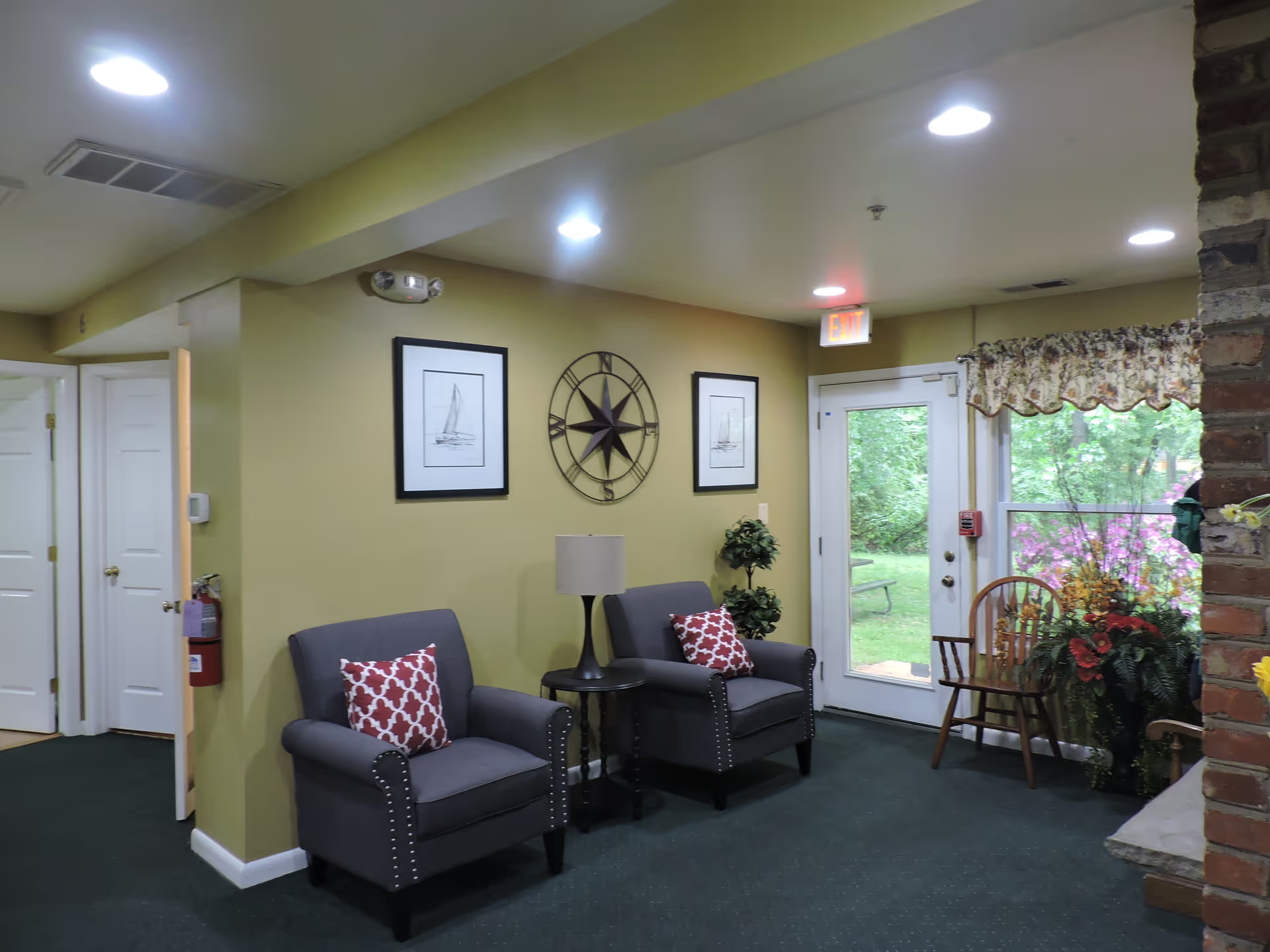
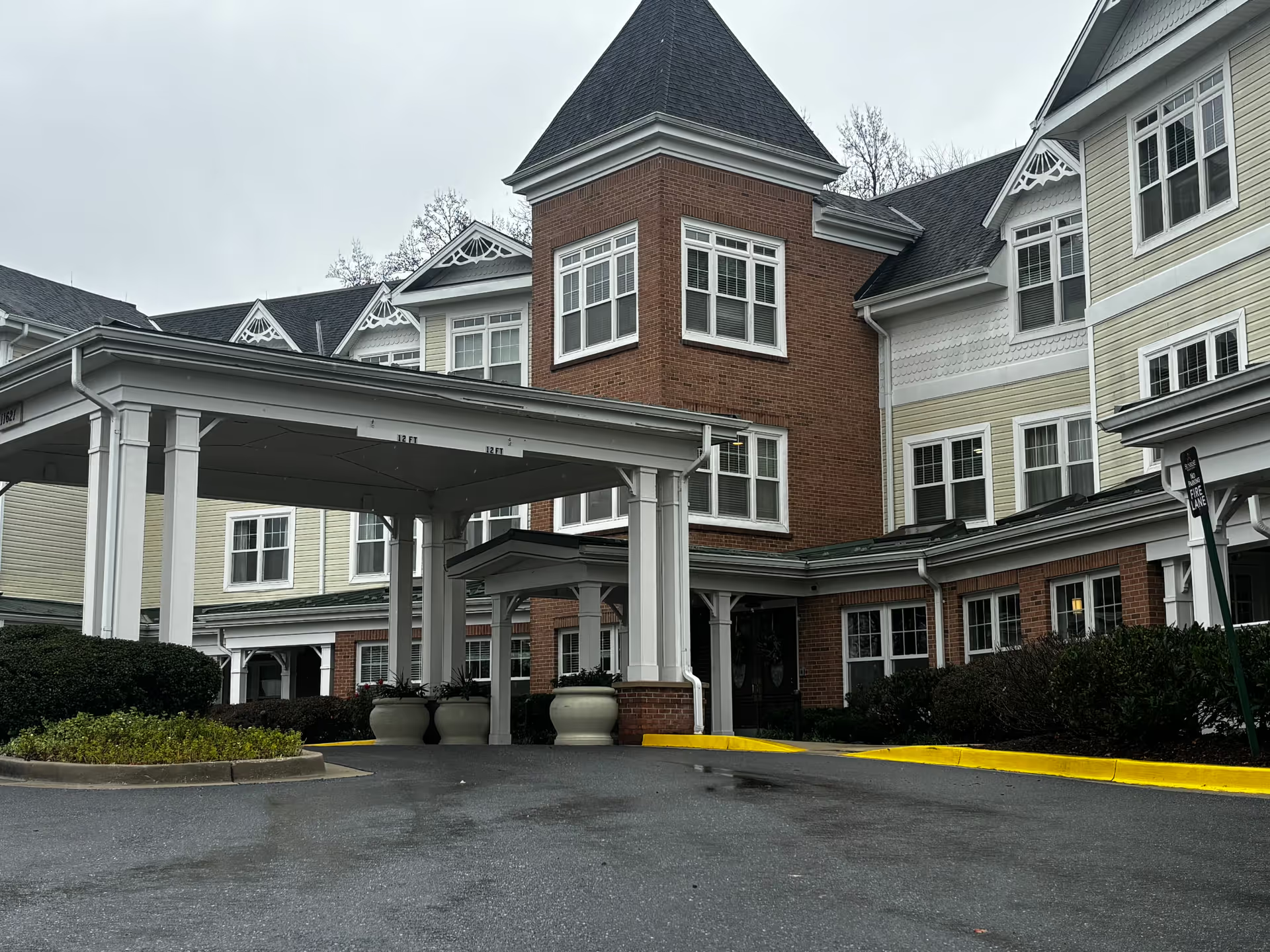
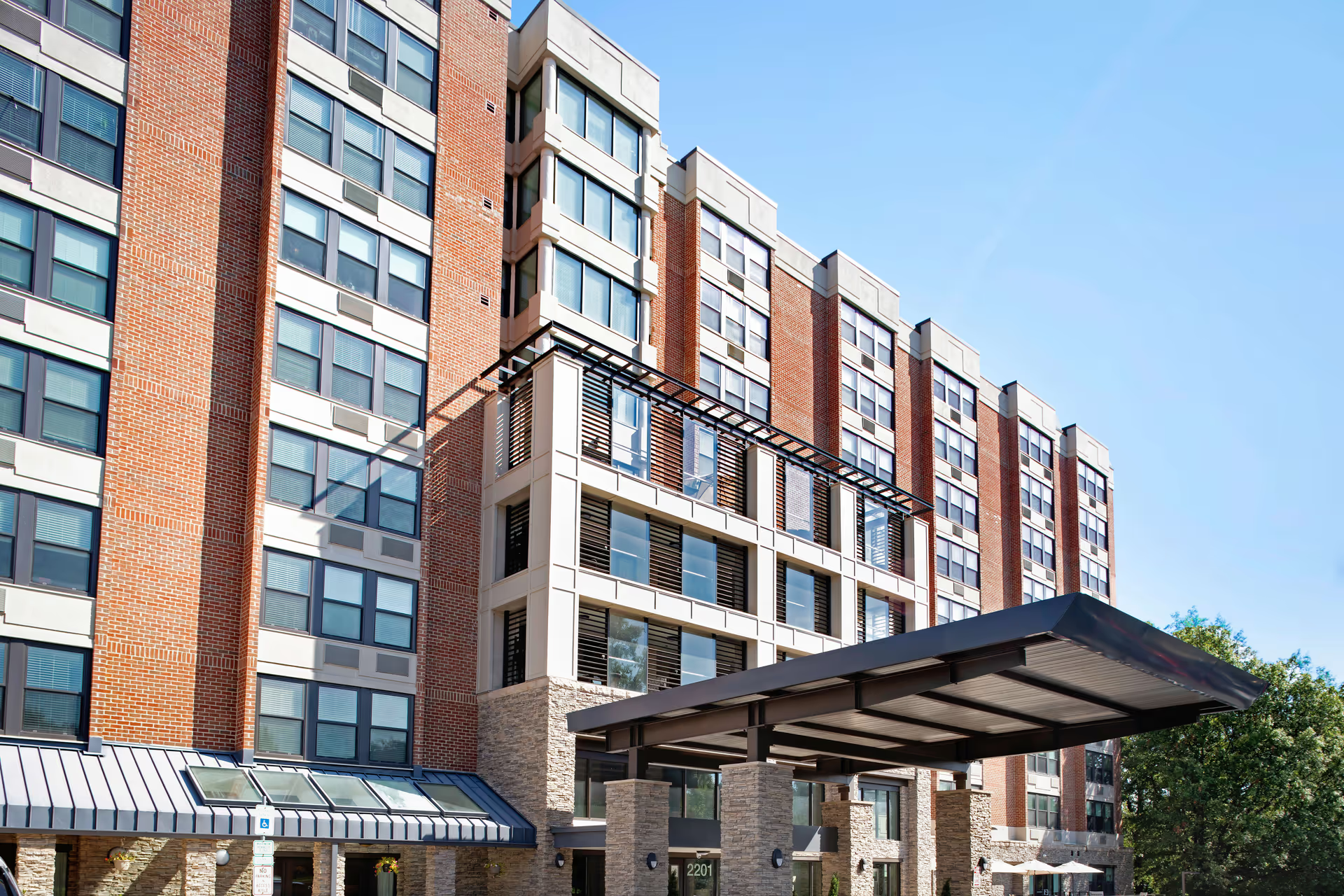
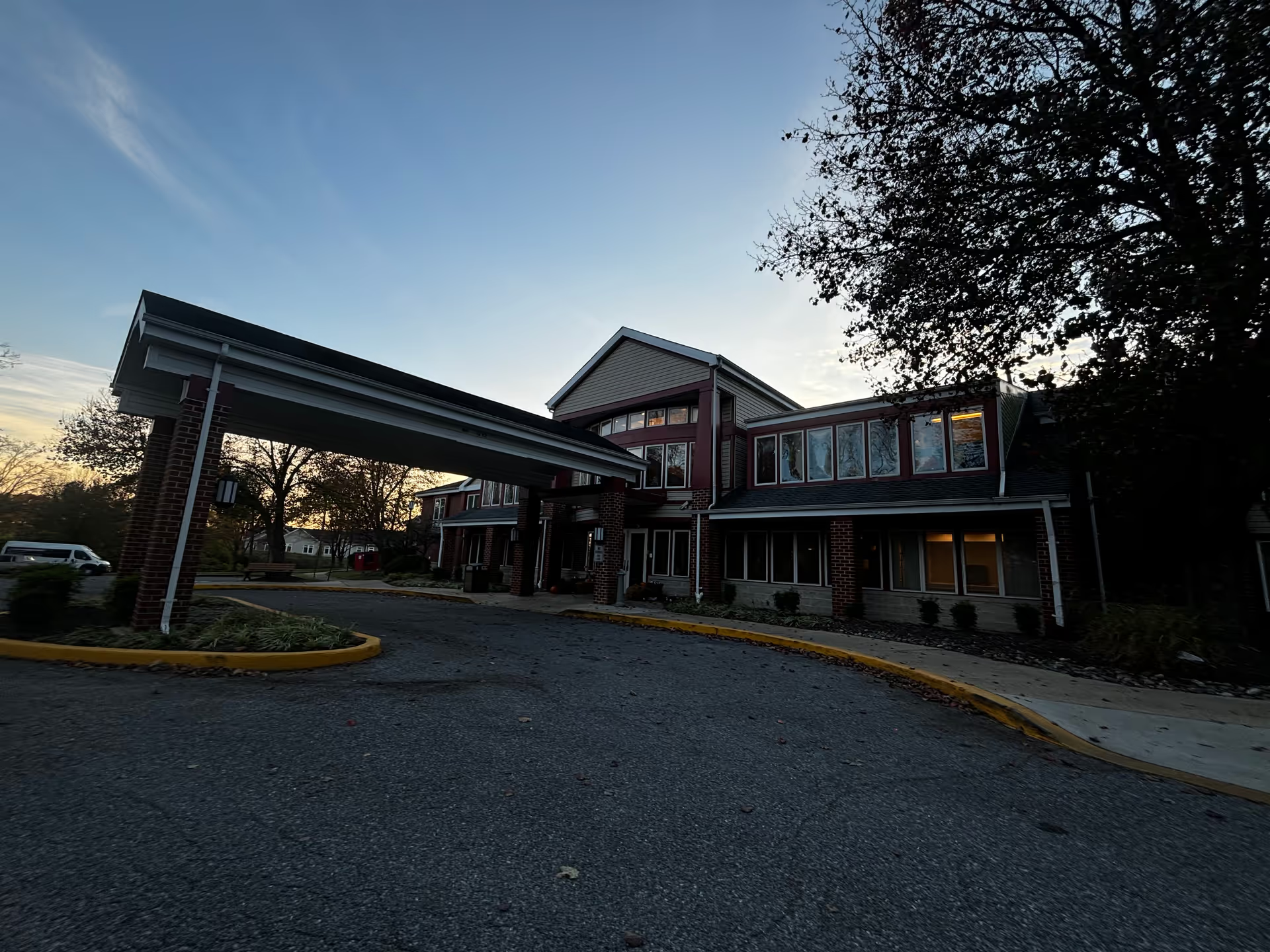
Althea Woodland Nursing Home presents as a small, residentially scaled facility with several strong experiential features alongside recurring operational concerns. Positive feedback centers on staff and culture: reviewers frequently describe staff as friendly, attentive, and compassionate, and note a low staff-to-resident ratio that supports an individualized, home-like feel. The facility’s administration is often characterized as personable and approachable, and families report effective interdisciplinary rehabilitation teams and documented therapy successes for many residents. The campus and grounds receive consistent praise for being park-like and well-maintained, contributing to a quiet, calm environment that some find restorative.
Care quality appears mixed but leans positive in functional areas such as rehabilitation and hands-on caregiving. Several accounts highlight successful rehab outcomes and engaged therapy staff, while coordinated VA services and routine safety practices are described as strengths by some families. However, operational gaps are evident around clinical safety and equipment readiness: there are concerns about fall-prevention practices, bed-safety protocols, and readiness of medical devices and oxygen support in transfer or transport situations. Prospective residents should ask about current safety audits, fall-prevention protocols, and how the facility manages medical-device checks and transport readiness.
Dining and activities receive varied comments. Some families report very good food and an active activities department, describing a busy schedule when staffing allows. Other reviewers cite inconsistent food quality, limited dining choices, and a multipurpose dining/activities space that constrains programming. Activities staffing appears to influence the program’s vitality; when the activities department is active, families note positive engagement, but variability in programming and limited dedicated space are recurring operational limitations.
Facility condition and cleanliness feedback is mixed. Many reviewers praise the neat, well-maintained grounds and interiors, while others raise sanitation and pest-control concerns and note odor issues or dim, dated resident rooms. These contrasting impressions suggest variability between units or time periods; families should request a current tour of resident rooms and common areas and inquire about recent pest-control measures and environmental-maintenance logs.
Management and communication are additional areas to evaluate. The administration is generally seen as caring and approachable, but reviewers also describe inconsistent customer-service interactions at the front desk and notable gaps in family communication during restricted periods (for example, limited resident phone access and delayed messages). There is also a perception among some families that cost-control priorities influence available amenities. Before placement, ask for the facility’s communication protocols during emergencies or visitation restrictions, how resident phone access is supported, and how family updates are handled on a routine basis.
Overall, Althea Woodland may suit families seeking a smaller, community-oriented facility with strong rehabilitation capability and personable staff. However, prospective residents and families should perform targeted due diligence on safety protocols, on-site therapy infrastructure, pest-control and sanitation measures, dining consistency, and the facility’s communication practices to ensure they align with the resident’s clinical and social needs.