Apple Blossoms Assisted Living is consistently described as a small, family-style residence with a strong emphasis on individualized, relationship-based care. Reviewers frequently highlight experienced caregiving leadership, a high staff-to-resident ratio, and staff who are attentive to health and comfort. The facility appears to provide close observation and clinical links — life-alert necklaces, seat/bed monitors, and visiting clinicians (physician, nurse, psychiatrist, podiatrist) were specifically noted — which supports oversight for residents with chronic conditions such as dementia, COPD, and CHF.
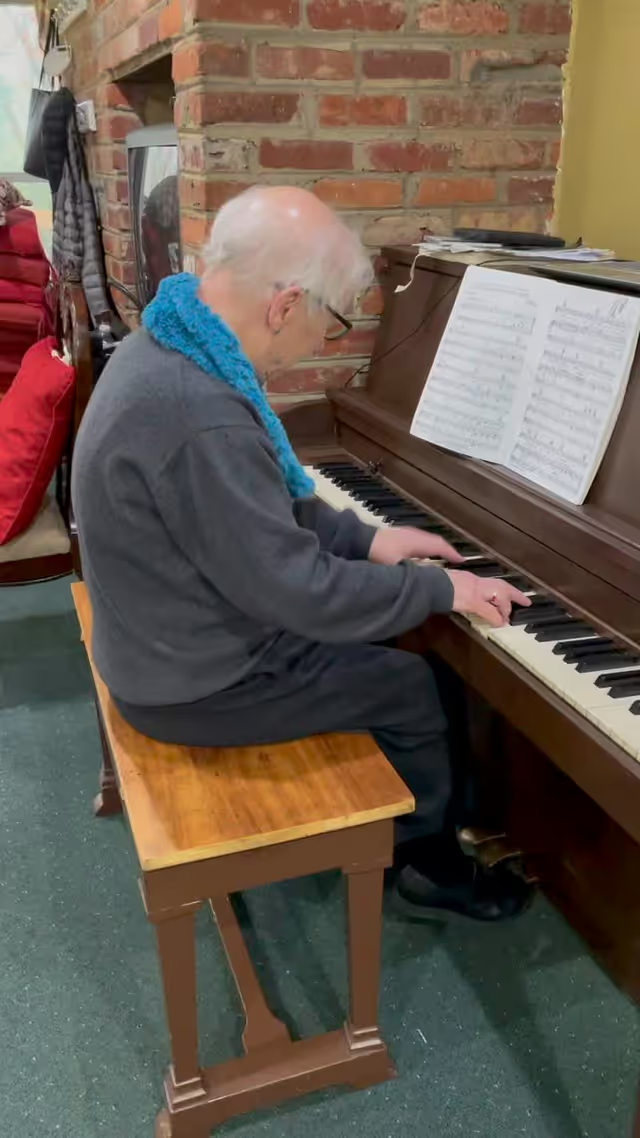
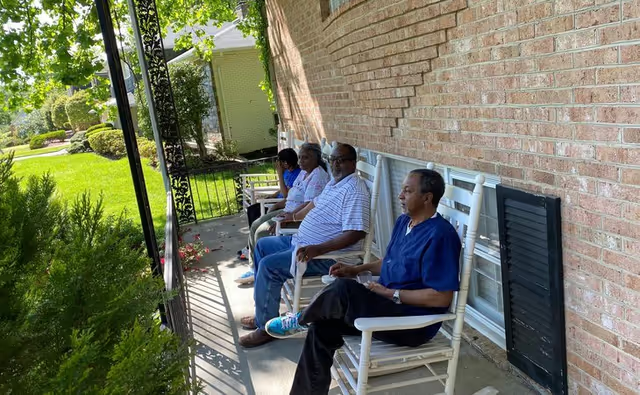
Dining and daily routine are commonly cited strengths. Multiple accounts praise fresh, home-cooked meals served three times daily with additional snacks and the ability to tailor meals to resident preferences. Activity programming includes daily exercise, on-site enrichment, outings (including deck lunches and trips), weekly university-student activities, and access to physical therapy. These offerings contribute to a home-like, engaging atmosphere for many residents; however, there are indications that residents with more advanced dementia may participate with more difficulty, suggesting a gap between general activity programming and specialized engagement strategies required for advanced cognitive impairment.
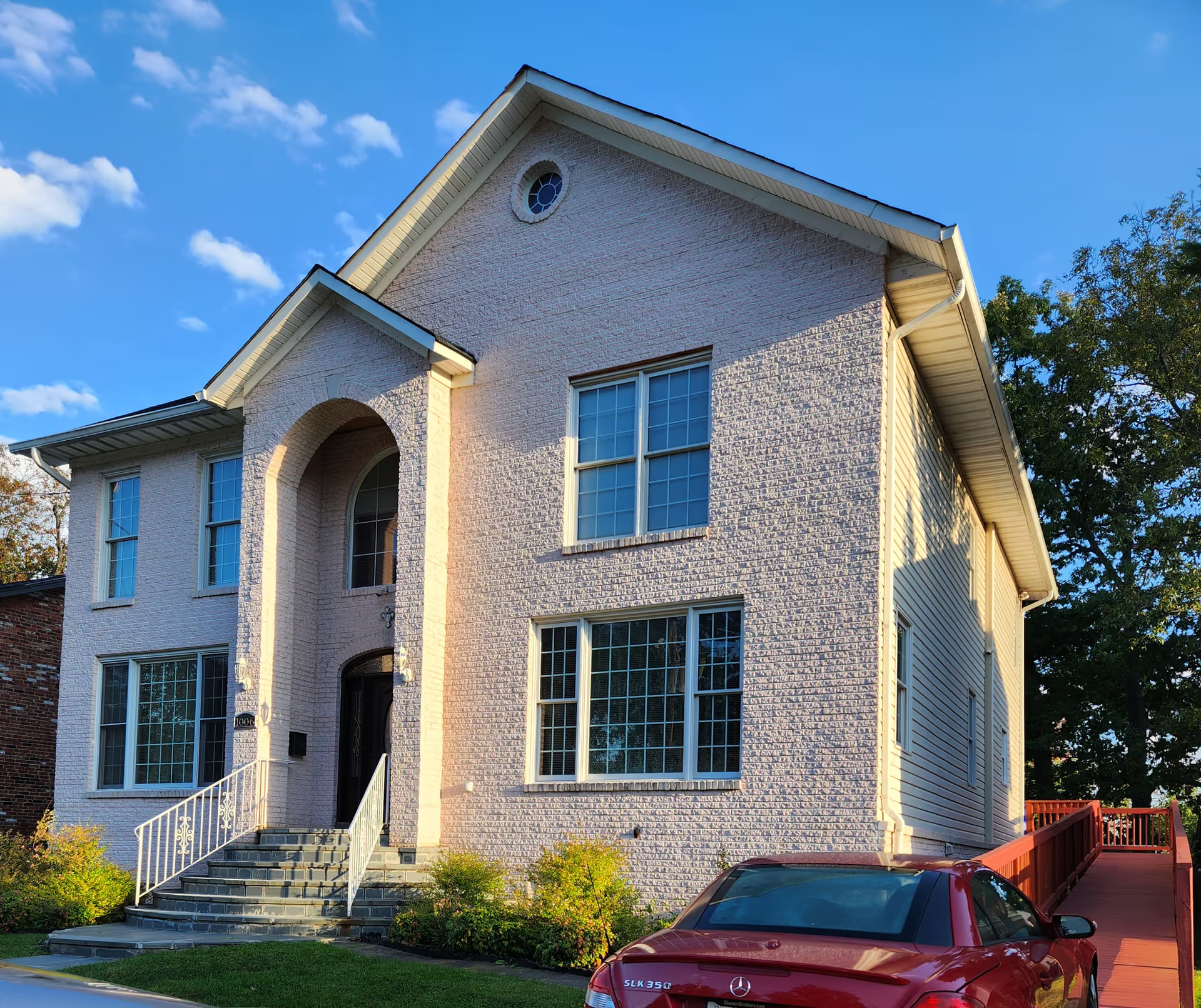
Facility condition and amenities present a mixed picture. Several reviewers note a clean, pleasant house on a quiet street and describe the environment as peaceful and well-maintained. At the same time, other accounts raise concerns about maintenance and facility upkeep, and the residence’s proximity to a highway was identified as a source of traffic noise. There is mention of accessibility equipment (a chair lift) that some families found unsatisfactory, pointing to potential usability or configuration issues with certain devices.
Management and staff conduct receive generally positive remarks about owner and director involvement, with some families describing hands-on leadership and advocacy by specific caregivers. Conversely, there are a number of accounts expressing concerns about inconsistent staff professionalism, abrupt communication style from management, and variable responsiveness to family concerns. Because the community operates at a small scale, reviewers note the benefit of potential one-on-one attention but also the operational downside of limited staffing depth, which can magnify the impact of individual staff performance or absences.
In summary, Apple Blossoms appears to be a good fit for families seeking a small, home-like assisted living option with strong meal service, close clinical linkages, and a relational care approach. Prospective residents and families should weigh those strengths against the noted variability in staff conduct and ongoing maintenance issues, and should assess how well the community’s activity model meets the engagement needs of residents with more advanced dementia. A visit to evaluate noise levels, accessibility-device usability, and to meet core staff and management directly would help clarify fit and expectations.