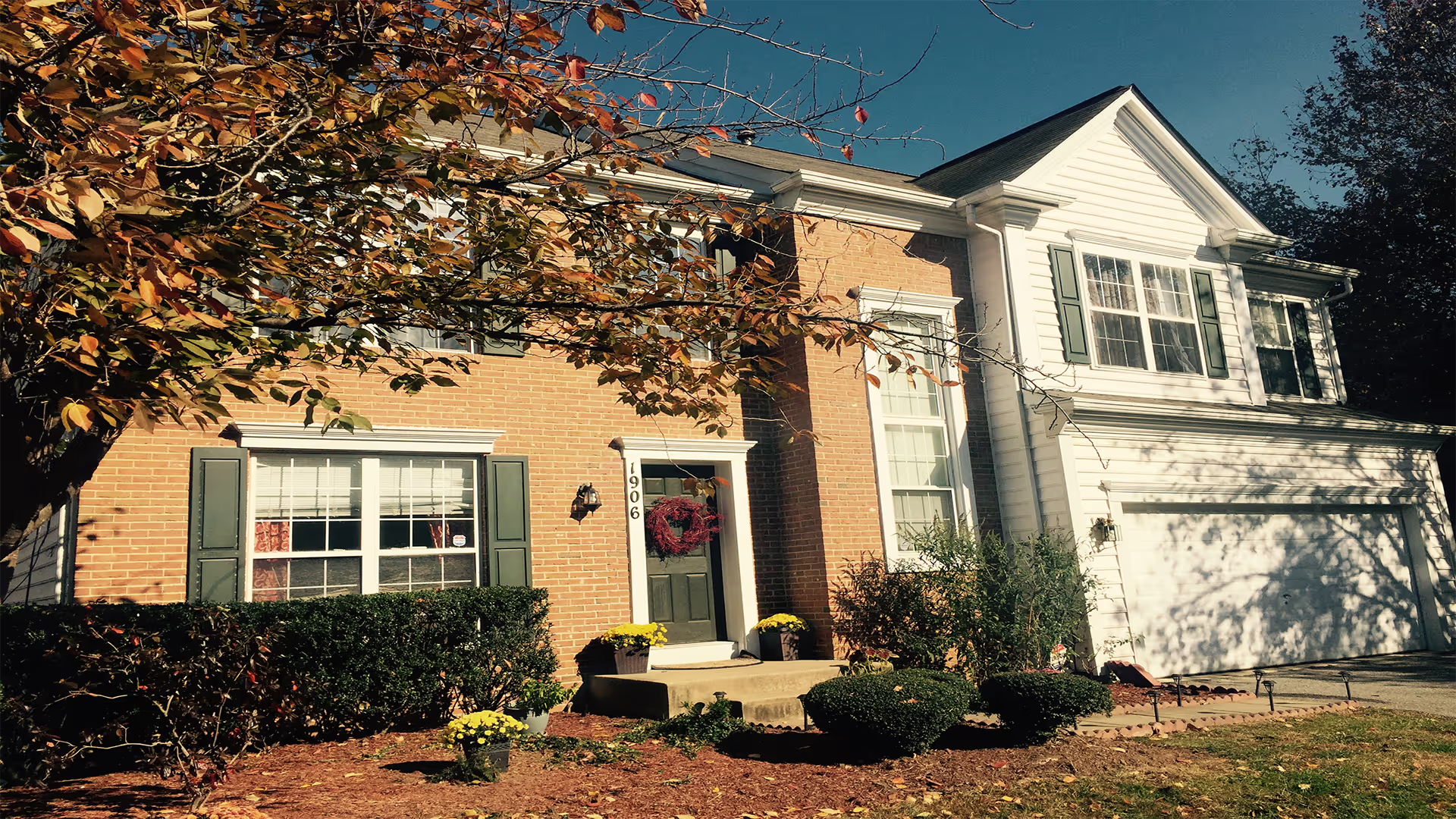
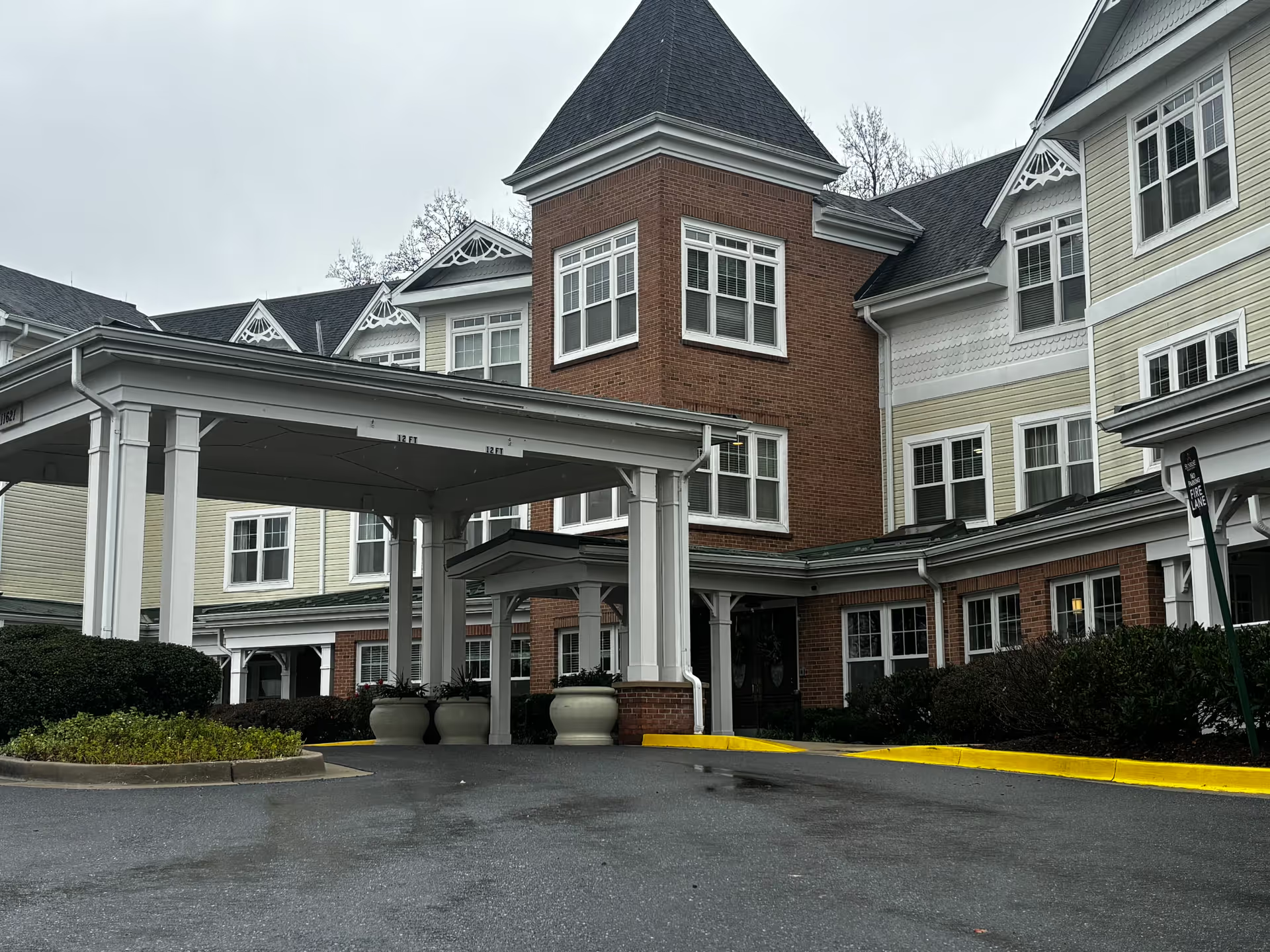
Riderwood Village is a large continuing‑care retirement community with a broad set of amenities and services. The community is frequently described as resort‑like: multiple dining venues, indoor pool and fitness centers, a theater, chapel, libraries, on‑site medical and rehabilitation services, and an extensive set of convenience businesses (grocery, salon, pharmacy, banking). The campus is substantial and landscaped, with walking trails, lake views, abundant clubs and classes, and organized transportation and outings. Many families and residents praise the availability of intellectual stimulation — college courses, subsidized trips, and a full roster of social and cultural programming — and the overall breadth of amenities supports an active lifestyle for residents who are able and interested.
Care quality and staff responsiveness are areas of mixed feedback. Independent living is commonly described as comfortable and active, with friendly front‑line staff and effective concierge services. Post‑acute and rehabilitation services receive frequent praise for outcomes and resources. At the same time, multiple reviewers described staffing shortages, slow response times to resident calls for assistance, and variable conduct among caregiving staff. Reviews indicate uneven performance in assisted‑living and memory‑care settings, with concerns about timeliness of help, consistency of caregiving interactions, and escalation/communication processes following serious events. These accounts point to operational gaps in staffing models and supervision rather than a uniform absence of competent personnel.
Dining is a notable strength in many accounts: several dining rooms and restaurants provide variety, and some venues are described as restaurant‑quality. However, consistency is an issue. Reviewers contrast high points — well‑prepared, healthy, restaurant‑style meals — with reports of bland or fluctuating food quality and occasional service interruptions. Meal inclusion (at least one meal per day in the base fee) and multiple dining options are clear positives, but prospective residents should plan tastings and ask about current menus and kitchen staffing.
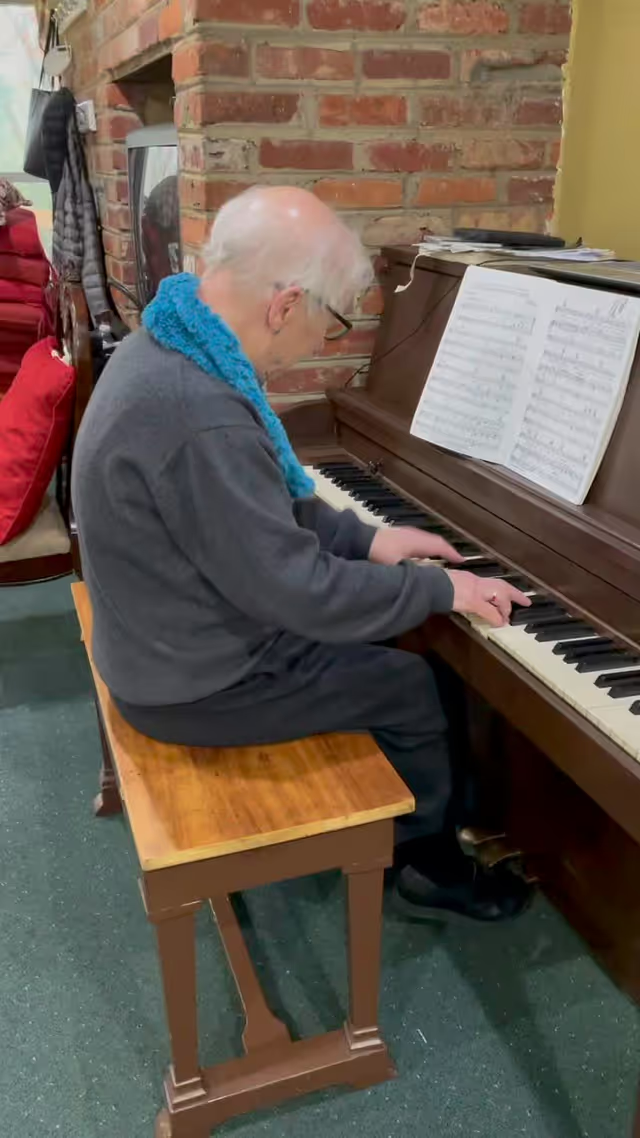
The activity program and social life are consistently cited as strengths: large numbers of clubs, volunteer opportunities, trips, lectures, arts and crafts, and a generally active resident population. These programs contribute to a strong sense of community for many residents and are one reason families describe the campus as socially engaging and intellectually stimulating.
Facility condition is generally characterized as well maintained, with ongoing renovations, attractive landscaping, and roomy apartment options. Still, maintenance responsiveness and infrastructure reliability draw repeated criticism: missed maintenance appointments, heating/air‑conditioning failures, elevator delays, and at least one report of a sewer system problem are cited. Wayfinding and parking are practical concerns on a campus of this size; building signage and entry mapping have been described as confusing and parking as constrained in places.
Management, finance, and consumer‑protection issues appear as another pattern. The community carries significant upfront entrance fees and monthly costs that some reviewers consider high relative to perceived value. Several reviewers raised concerns about contract handling, billing disputes, delays in deposit refunds, and limited corporate responsiveness when problems occur. There are also isolated but serious assertions — including alleged theft and other security concerns — that prospective residents and families should investigate directly with management and via independent channels.
In summary, Riderwood offers a broad, campus‑style senior living environment with many amenities, robust activities, and strong rehab capabilities that will suit active older adults seeking a rich social and intellectual life. At the same time, reviewers describe operational weaknesses that affect dependent residents more than active independent residents: inconsistent staffing and supervision in higher‑acuity settings, variable dining and maintenance execution, and financial/administrative communication shortfalls. Families and prospective residents should tour multiple care neighborhoods, sample dining venues, review staffing ratios and turnover metrics, clarify financial and contract terms (including refund policies), and request current data on maintenance response times, security procedures, and accessibility accommodations before committing.