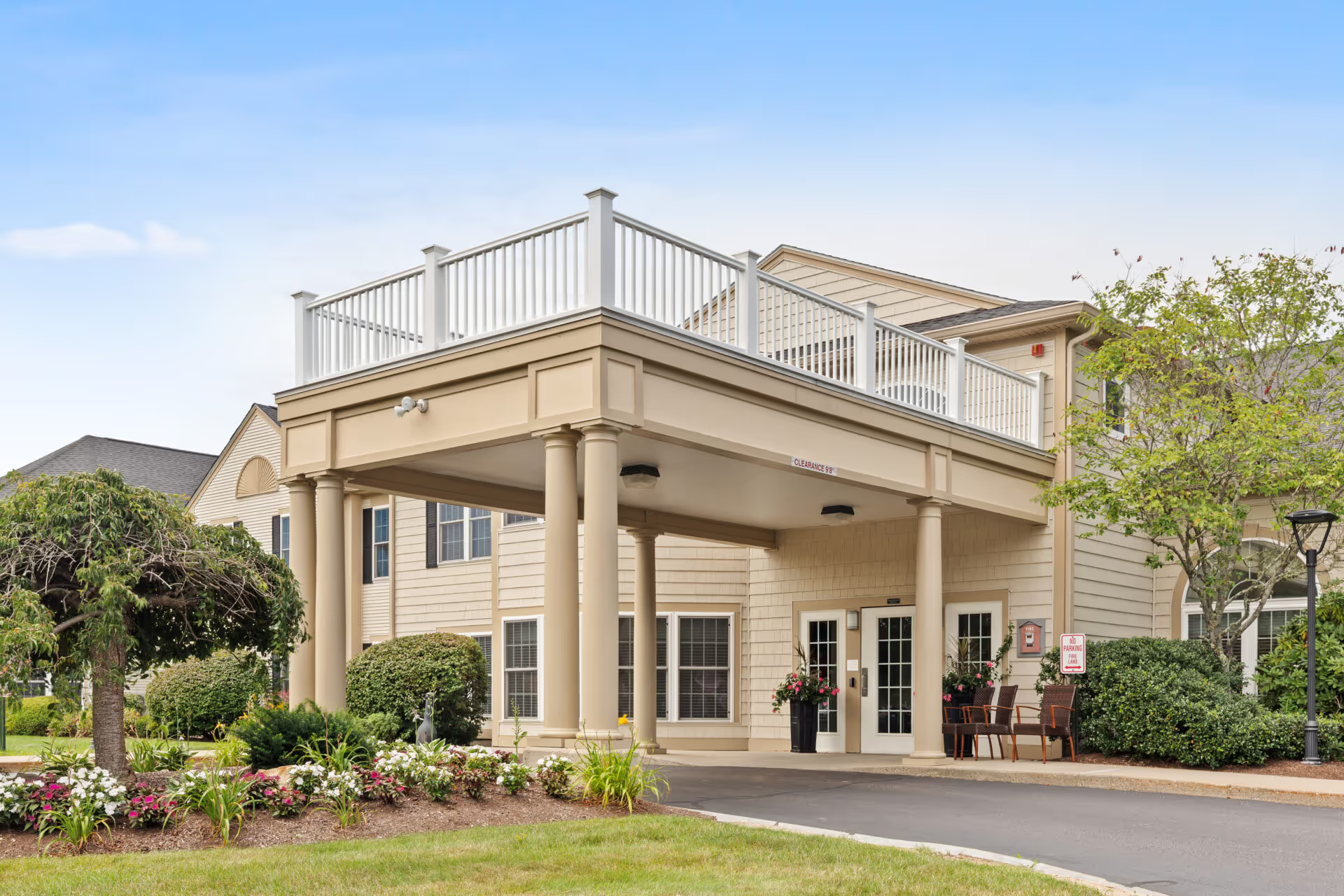
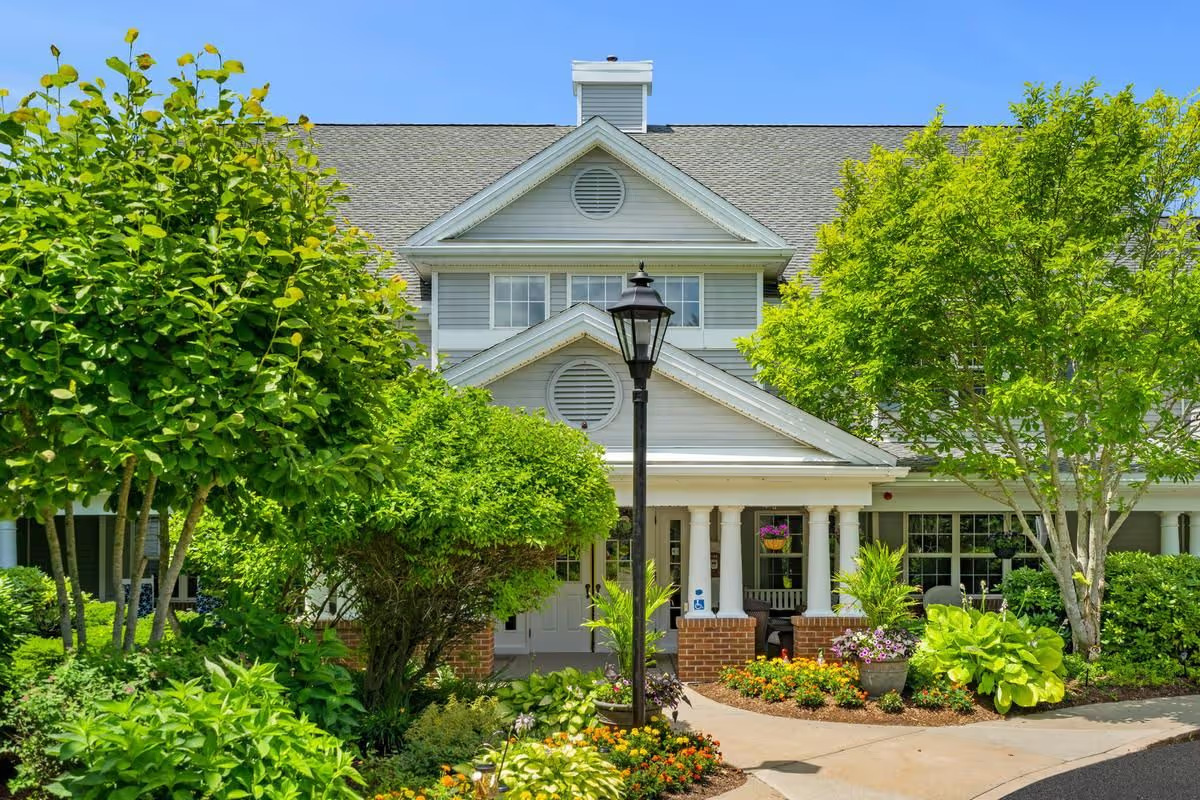
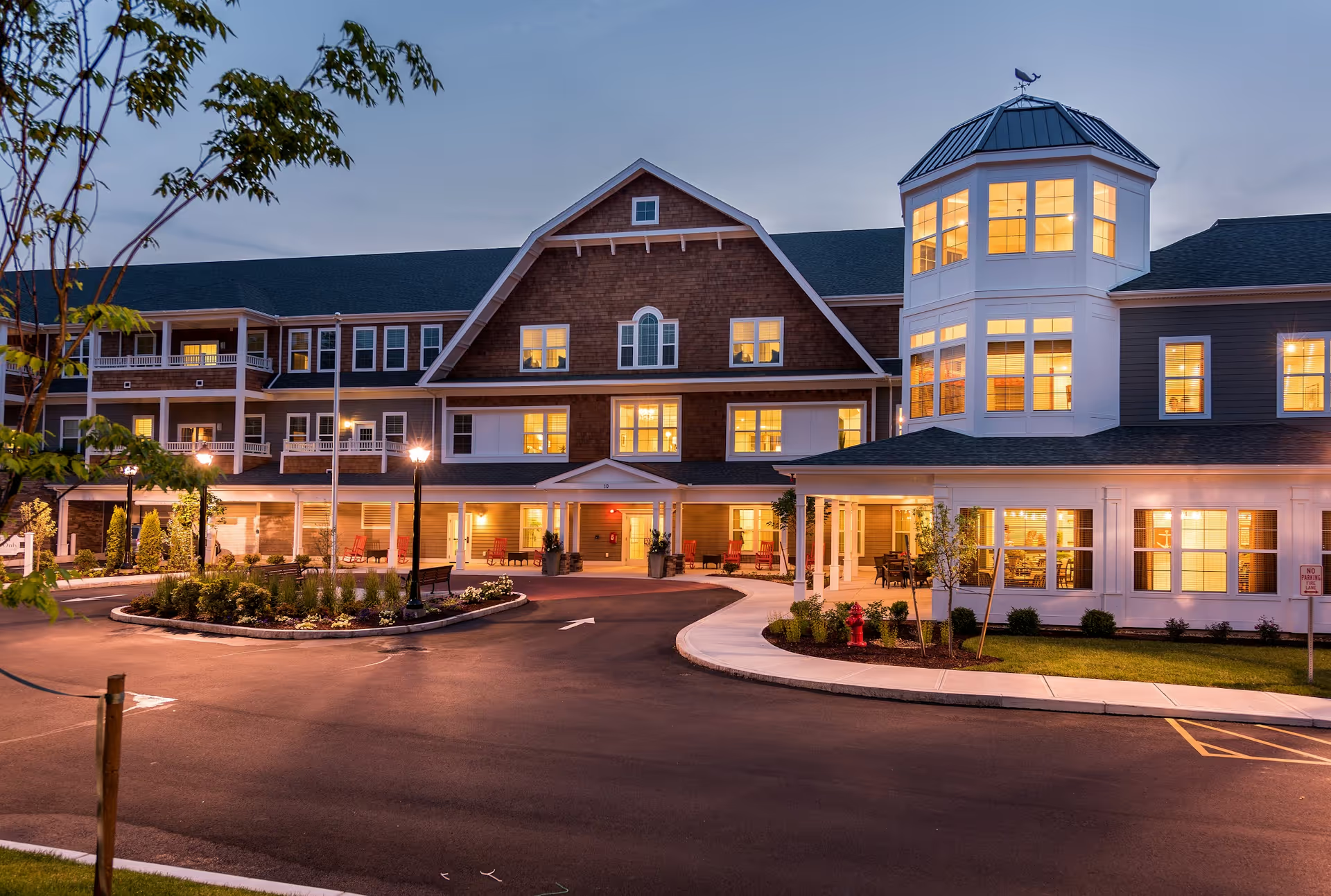
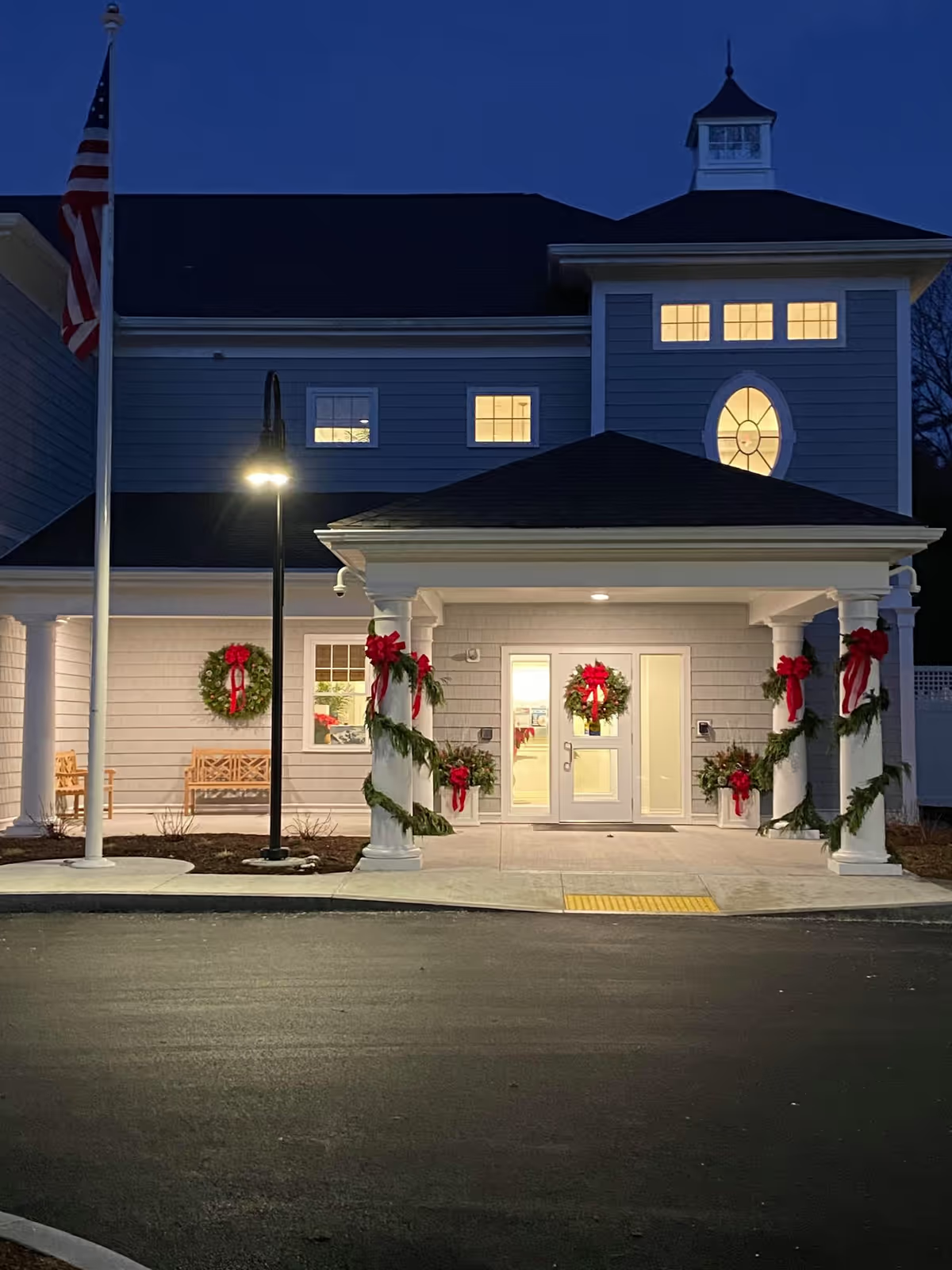
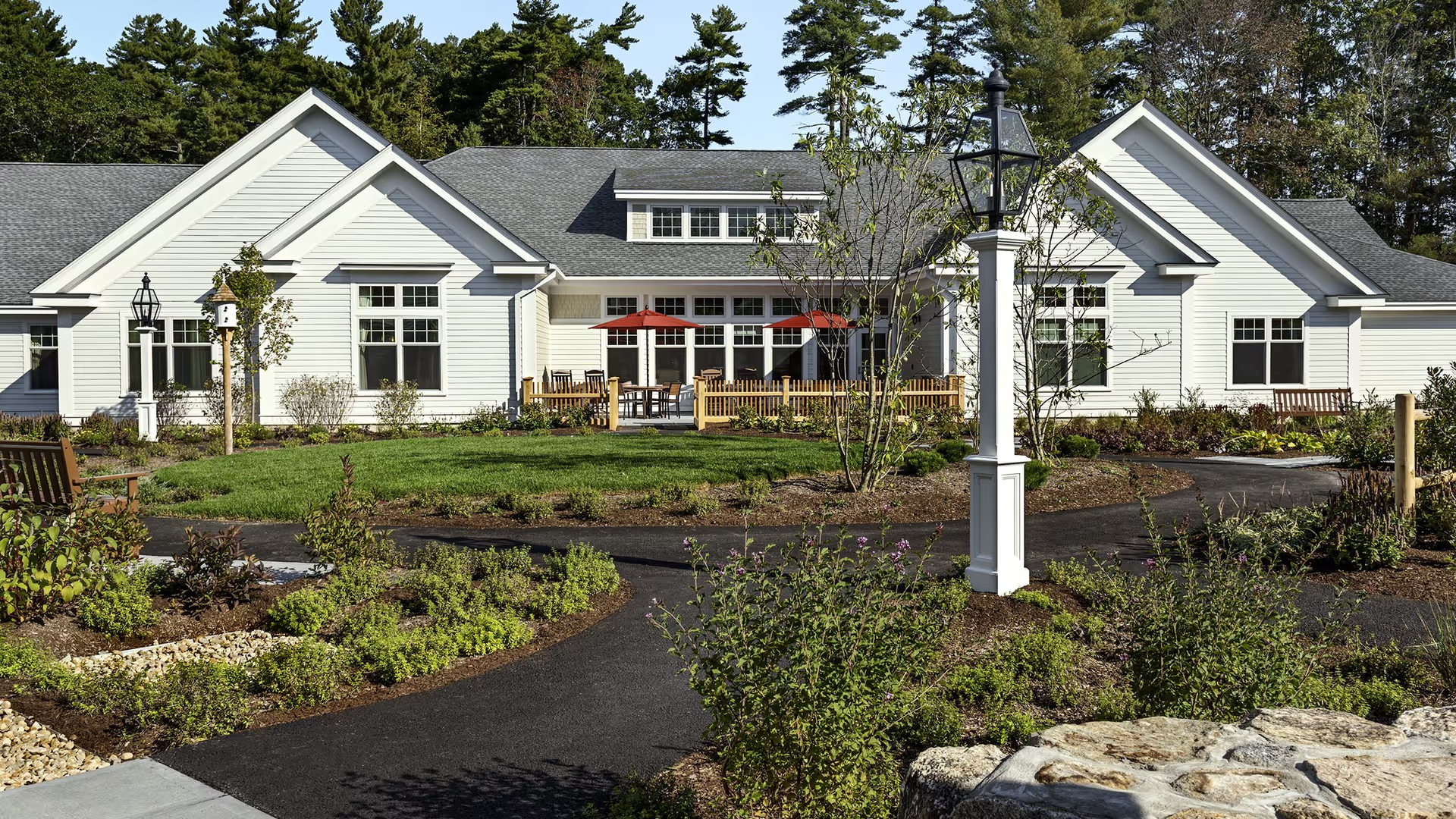
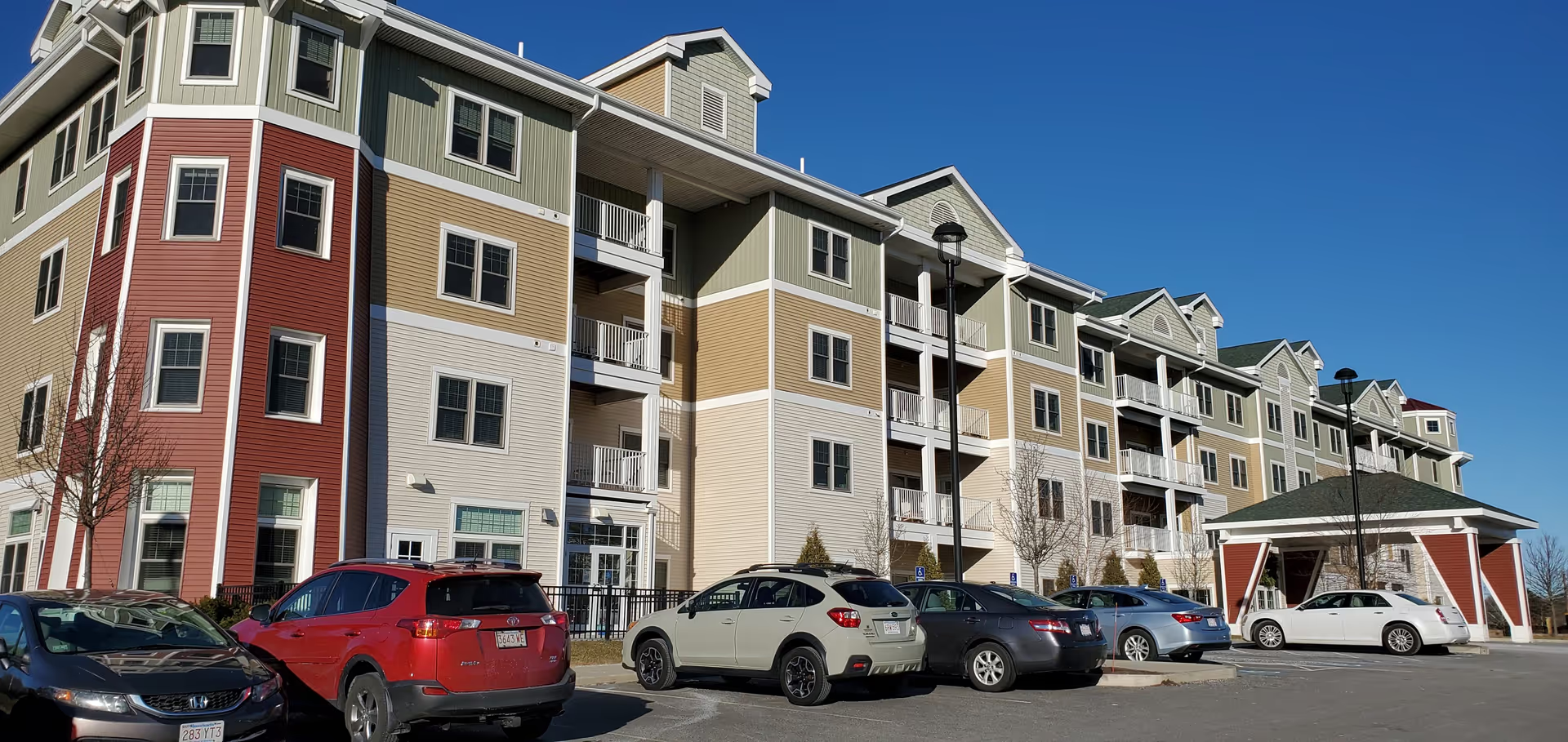
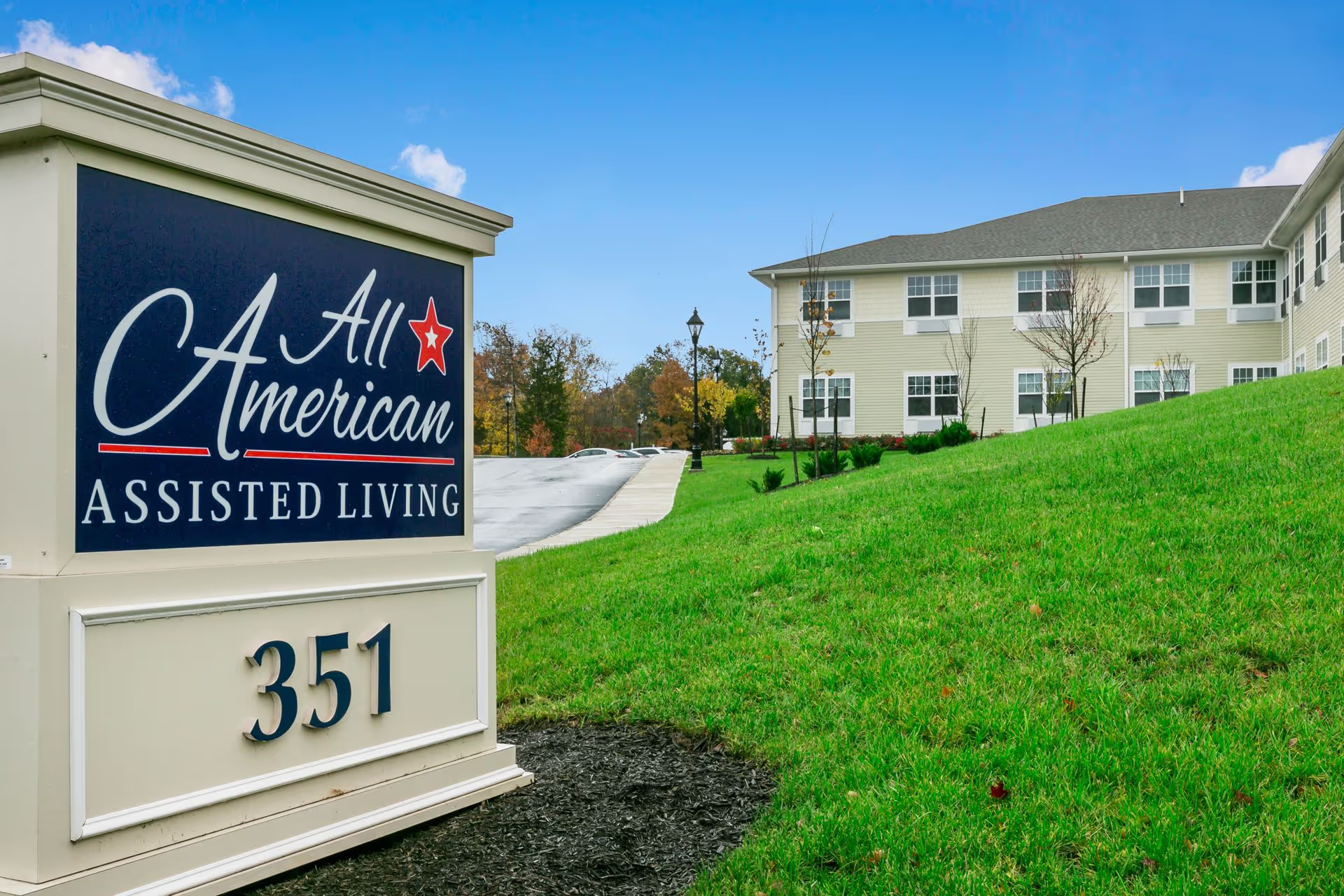
Stafford Hill is presented across reviews as a small, homelike assisted living community with many operational strengths alongside some recurrent operational weaknesses. The facility is widely described as clean, bright, and attractively appointed, with private-apartment and companion-suite layouts that include kitchenettes, walk-in storage and pleasant views. The physical environment — gardens, outdoor areas, and communal spaces — is frequently cited as conducive to socializing and family visits.
Care and staffing are central themes. Numerous families emphasize compassionate, attentive caregivers who learn residents’ names and establish personal relationships; several reviews compliment long-tenured and well-trained employees, visible leadership, and responsive admission/transition support. Wellness services such as on-site physical therapy, scheduled exercise classes, and a proactive activities/wellness team are commonly noted and support residents’ independence. At the same time, there are consistent operational concerns tied to staffing patterns: reviewers describe elevated turnover, inconsistent shift-to-shift communication, and periodic gaps in clinical coordination — including medication-administration issues. These operational gaps are sometimes associated with delayed responsiveness and reduced reliability for residents who require higher levels of clinical supervision.
Dining and programming are strong selling points for many families. The dining experience is often characterized as homestyle, with fresh offerings, homemade desserts, and a chef who engages with residents; reviewers also praise frequent live entertainment, art classes, music programs, bridge and other social clubs, outings, and family events. However, some families perceive meal quality or variety as inconsistent relative to cost, and there are occasional comments about specific mealtime dissatisfaction.
Safety and clinical risk management emerge as important patterns to verify during a tour. While many reviewers reported feeling their loved ones were safe and well cared for, other accounts raise concerns about how the community manages high fall-risk residents and complex clinical needs — for example, unstable staffing or limited supervision can reduce effectiveness of transfer and fall-prevention practices. Prospective residents with elevated clinical needs or fall risk should assess staffing ratios, transfer-training practices, medication protocols, and escalation procedures.
Management and cost considerations are mixed. Several reviewers commend accessible leadership, clear communication, and a family-style approach from management. Conversely, others describe higher-than-average pricing, unclear billing or insurance applicability, and occasional extra charges; these financial and administrative aspects merit clarification prior to move-in. A smaller set of accounts describe lapses in apartment housekeeping or inconsistent cleanliness; these appear episodic but are worth confirming through direct questions about housekeeping standards and inspection processes.
Overall, Stafford Hill appears to be a good fit for older adults seeking an active, social assisted-living environment with strong programming, personalized caregiving relationships, and a homelike setting. Families should weigh those strengths against the facility-level concerns noted here: evaluate clinical capacity for higher-acuity residents, verify fall-prevention and medication administration practices, and obtain transparent cost/billing information before commitment.