Overall impression: Reviews describe a facility that offers several clear strengths alongside notable operational inconsistencies. Many families and residents praise the direct caregiving team, cleanliness, and the onsite activity environment; however, other accounts highlight variability in day-to-day operations that affect clinical responsiveness, communication, and rehabilitation services.
Care and clinical responsiveness: Multiple accounts indicate strong hands-on care from nurses, CNAs, and allied staff—families report time and attention, organized care routines, and positive outcomes for some residents. At the same time, there are consistent themes of inconsistent clinical responsiveness: examples include slow nurse-call response times, delayed medication administration, and long waits for physician attention. These patterns point to variability in shift-level staffing, triage processes, or medication-administration workflows rather than uniformly poor clinical skill.
Staff and conduct: The caregiving staff is frequently described as caring, friendly, and helpful, with praise extended to kitchen, maintenance, and administrative personnel who engage with residents. Conversely, reviews also describe uneven staff conduct and communication tone; this includes reports of abrupt interactions with families and inconsistent follow-through. The result is a mixed personnel picture—strong relationships and positive interactions are common, but reliability of conduct across all shifts and departments appears variable.
Dining and support services: Comments about kitchen and support departments are generally positive—staff in these areas are described as helpful and appreciative. There is limited detail about food quality in the reviews provided, but the presence of supportive dining staff and a clean environment are recurring positives.
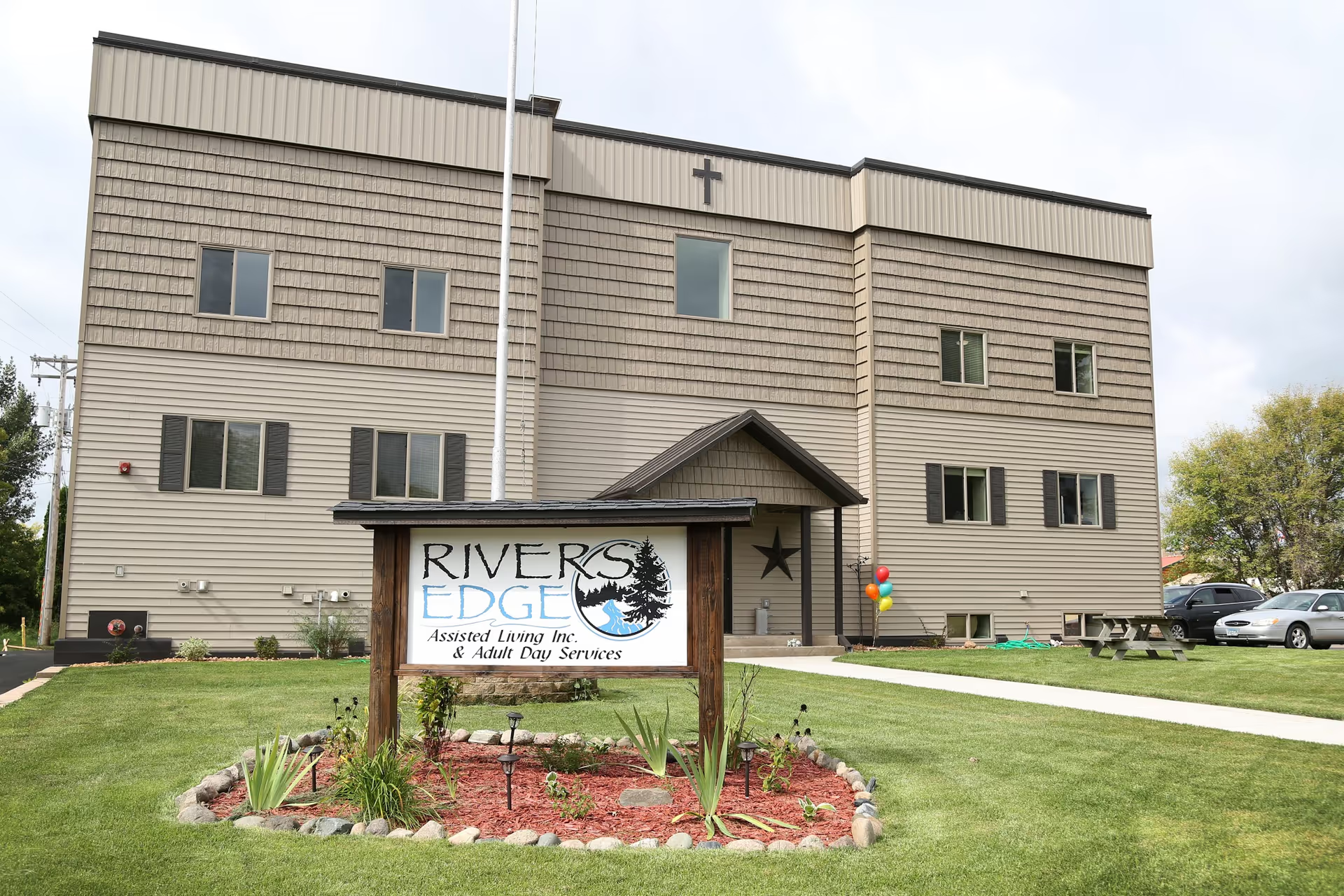
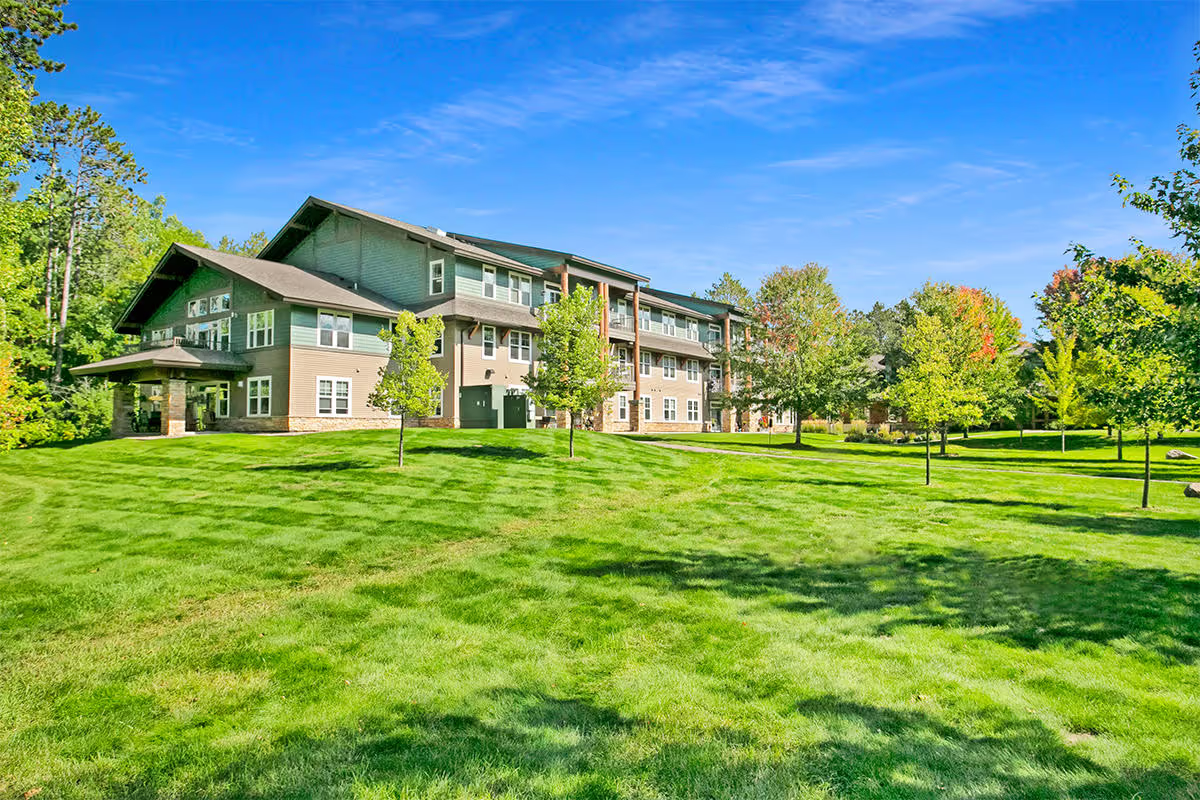
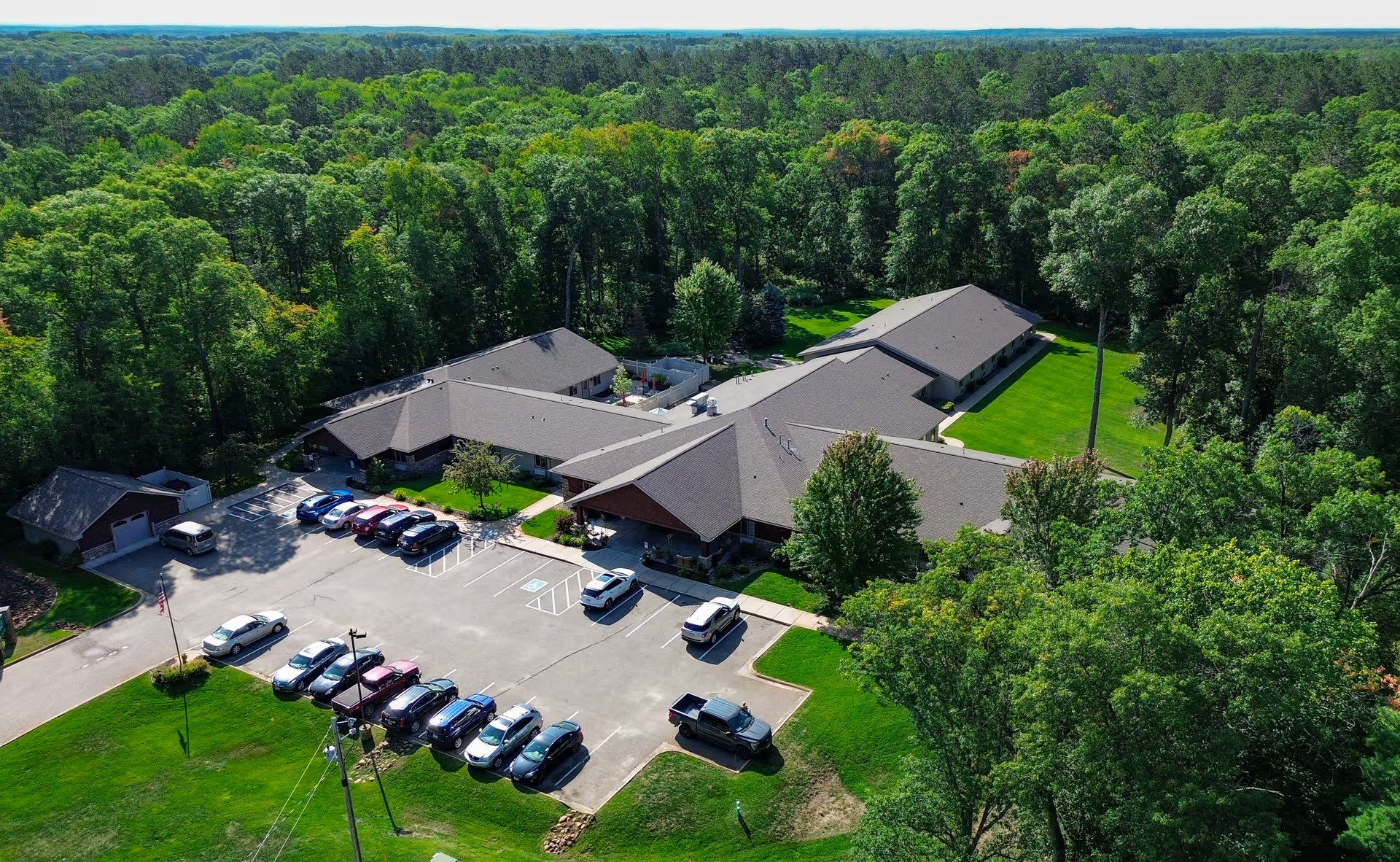
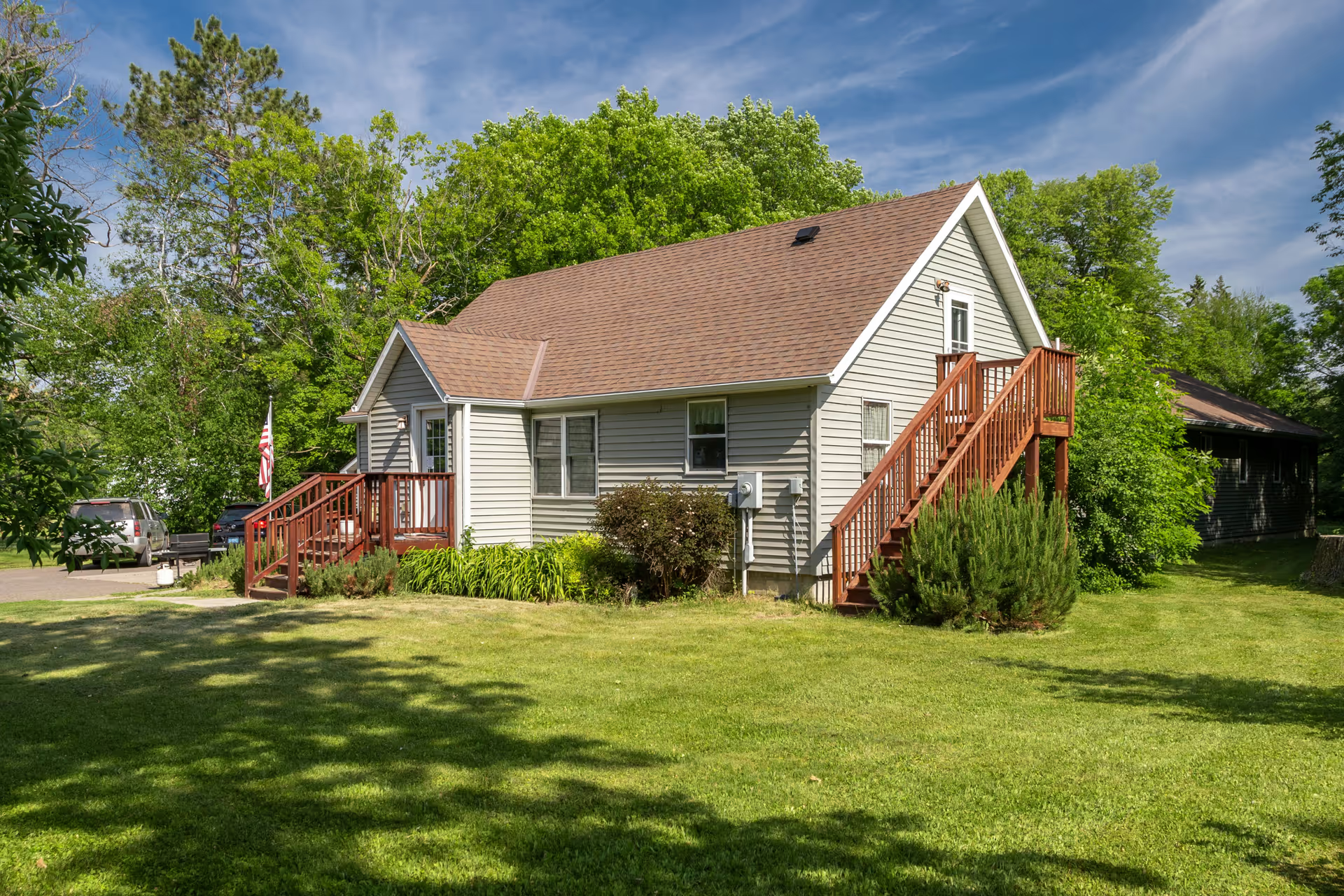
Activities and facilities: The facility’s physical environment is consistently praised: very clean interior spaces, a peaceful atmosphere, spacious rooms, paved outdoor walking paths, and organized group activities such as bingo and outdoor gatherings. These amenities contribute to social engagement and mobility opportunities for residents and are notable strengths for prospective residents seeking active communal life.
Management, administration, and family experience: Organizational strengths are noted—some families describe clear communication and an organized administrative team. However, several families reported administrative shortcomings including paperwork burden, inconsistent follow-up, and leadership turnover that affected perceived continuity of care. Visitation policies implemented during infection-control events were described as rigid by some families, which added stress during those periods. A small number of reviews raise more serious concerns about family treatment and threatened legal action; these appear as individual, significant complaints that merit direct inquiry during touring and reference checks.
Notable patterns and recommendations: The dominant pattern is a facility with solid environmental and programmatic offerings and many compassionate staff members, paired with operational variability that can affect responsiveness and family experience. Families considering placement should verify current staffing levels, ask how medication and nurse-call response times are tracked, review rehabilitation plans and oversight, and clarify administrative expectations and visitation policies. During a visit, request to speak with nursing leadership about shift coverage and medication-administration protocols, and ask for references from recent families whose loved ones received rehabilitation services.