Overall impression: Reviews present a mixed picture. Many families and residents praise the facility’s welcoming atmosphere, attractive new construction, and broad activity schedule, while recurring operational issues — primarily around staffing, housekeeping, supplies, and management stability — have negatively affected some residents’ experiences. The facility’s strengths are most apparent in independent living and in a well-defined memory-care neighborhood; its weaknesses cluster around reliable execution of mid-level clinical care and day-to-day operational consistency.
Care quality and staff: Families frequently describe individual caregivers and nurses as compassionate, respectful, and engaged, and many accounts highlight strong one-on-one interactions, smooth move-ins, and attentive hospice support. At the same time, reviewers commonly cite staffing shortages and high turnover that lead to delayed responses, uneven care continuity, and gaps in higher-acuity support. There are consistent mentions of inconsistent clinical organization and coordination of care; these operational gaps have prompted some families to seek alternate placements for residents with increasing care needs.
Dining: Dining is a mixed area. Several comments note restaurant-style meals, a capable chef, and pleasant dining spaces; there are also reports of uneven food quality and episodic service interruptions (including temporary meal packaging when kitchen staffing is limited). Families considering the community should observe meal service during a visit and ask about contingency plans for kitchen staffing and food consistency.
Activities and engagement: Activity programming is a clear strength for many residents. Reviews list frequent offerings — exercise classes, games, bible study, outings, special parties, and volunteer involvement — and many residents are described as encouraged and welcomed into the social program. A recurring operational concern, however, is that activity staff are sometimes reassigned to other duties (for example, meal service), which reduces program consistency.
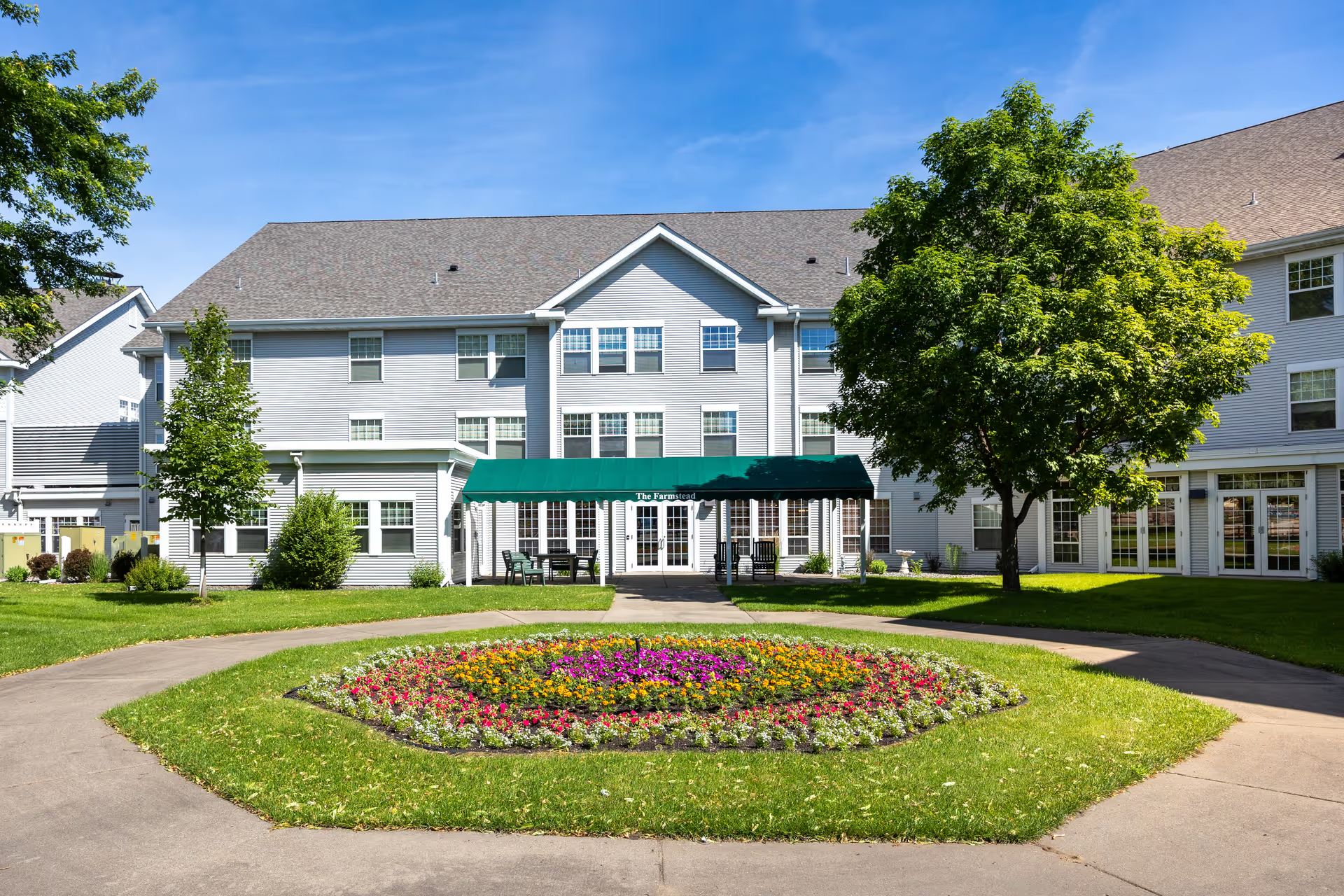
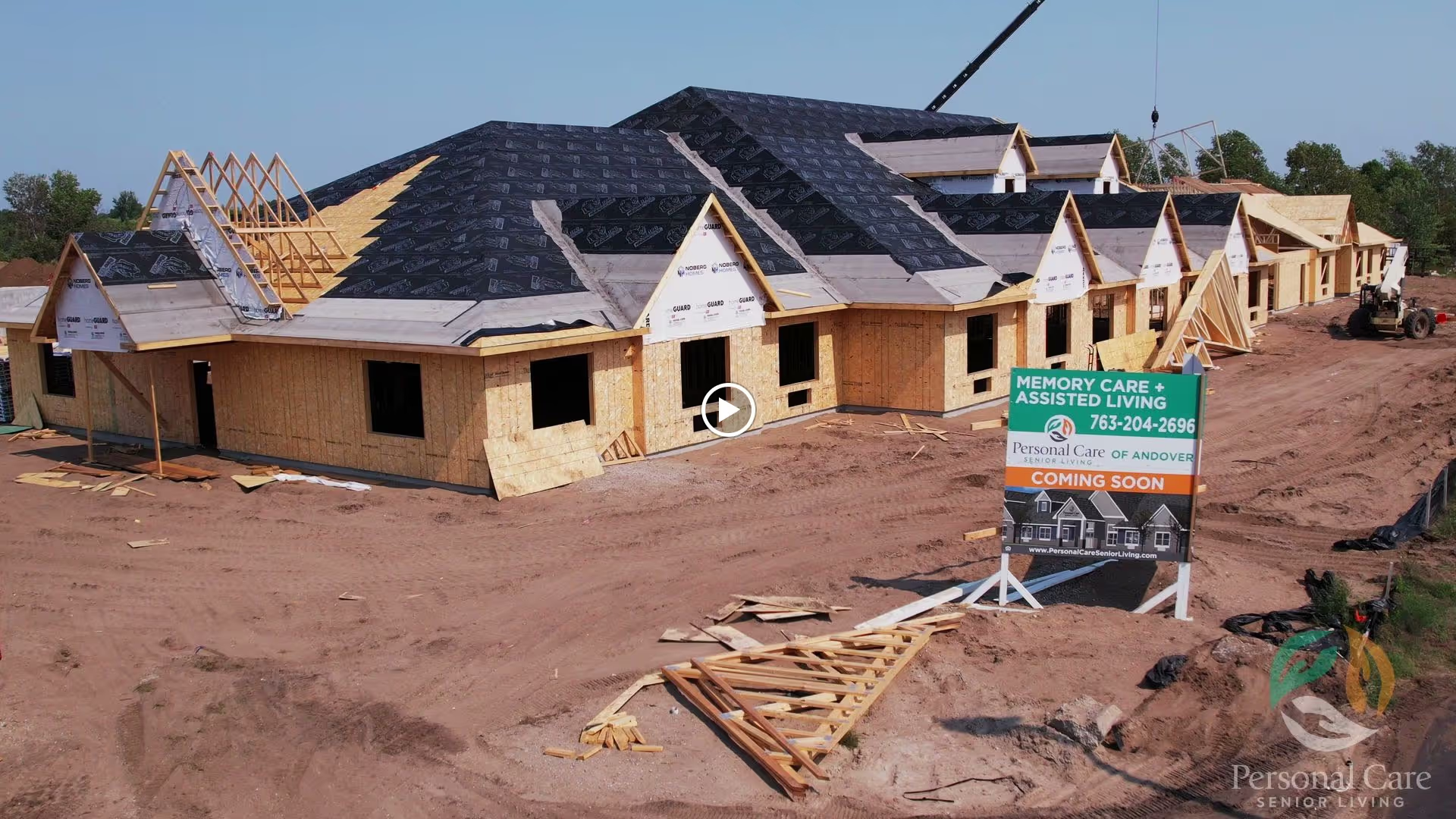
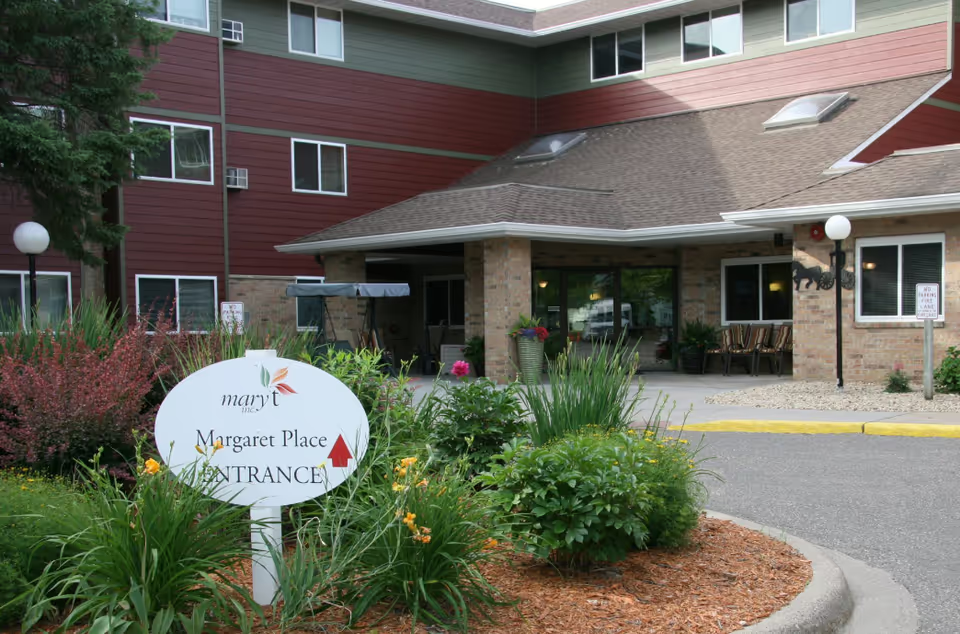
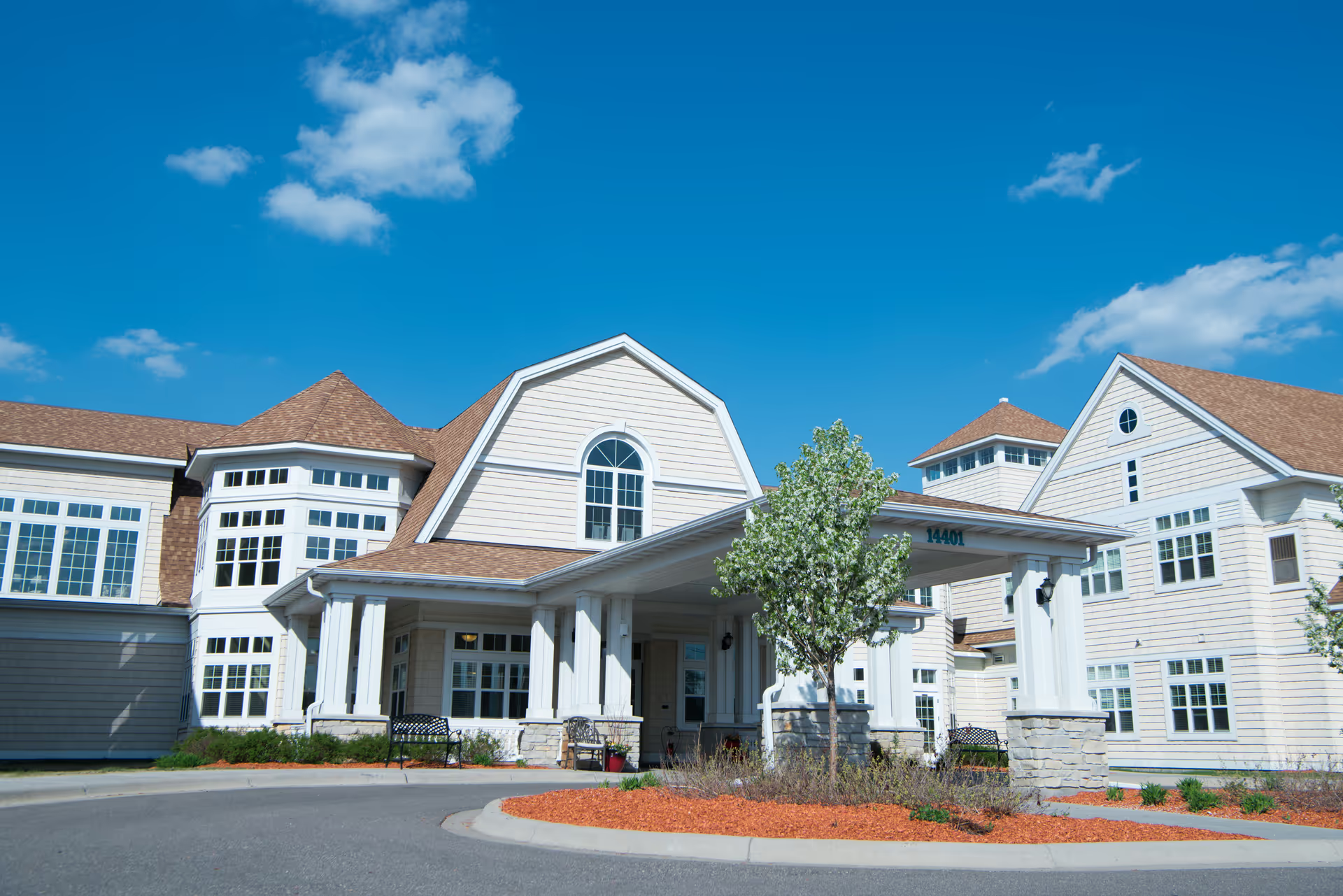
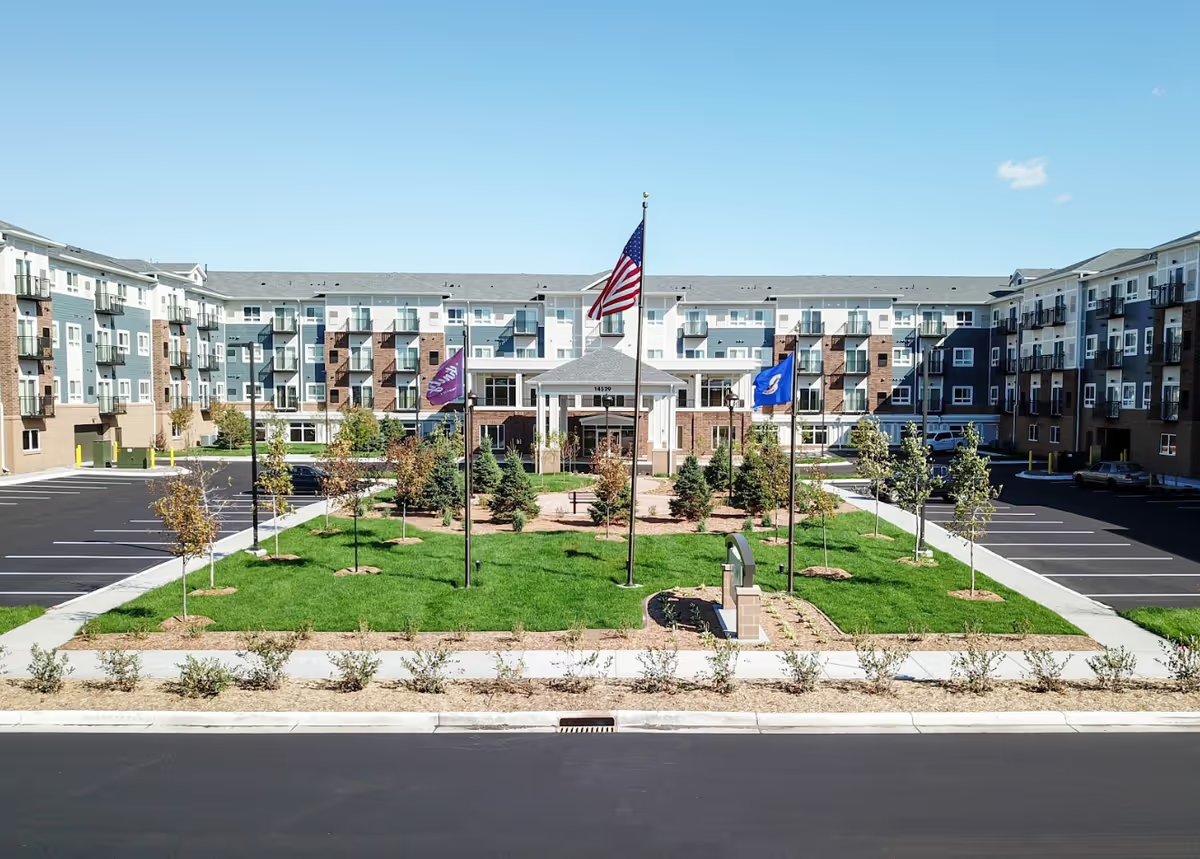
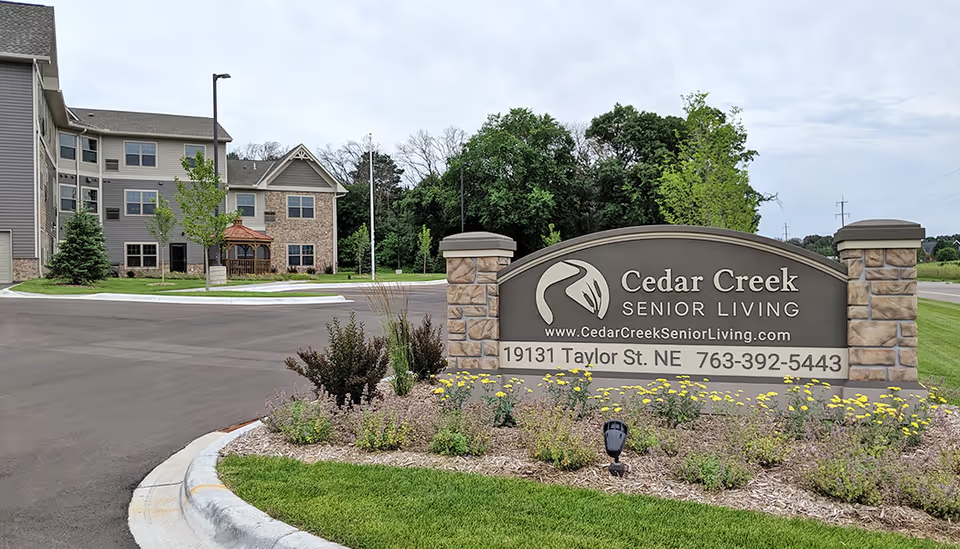
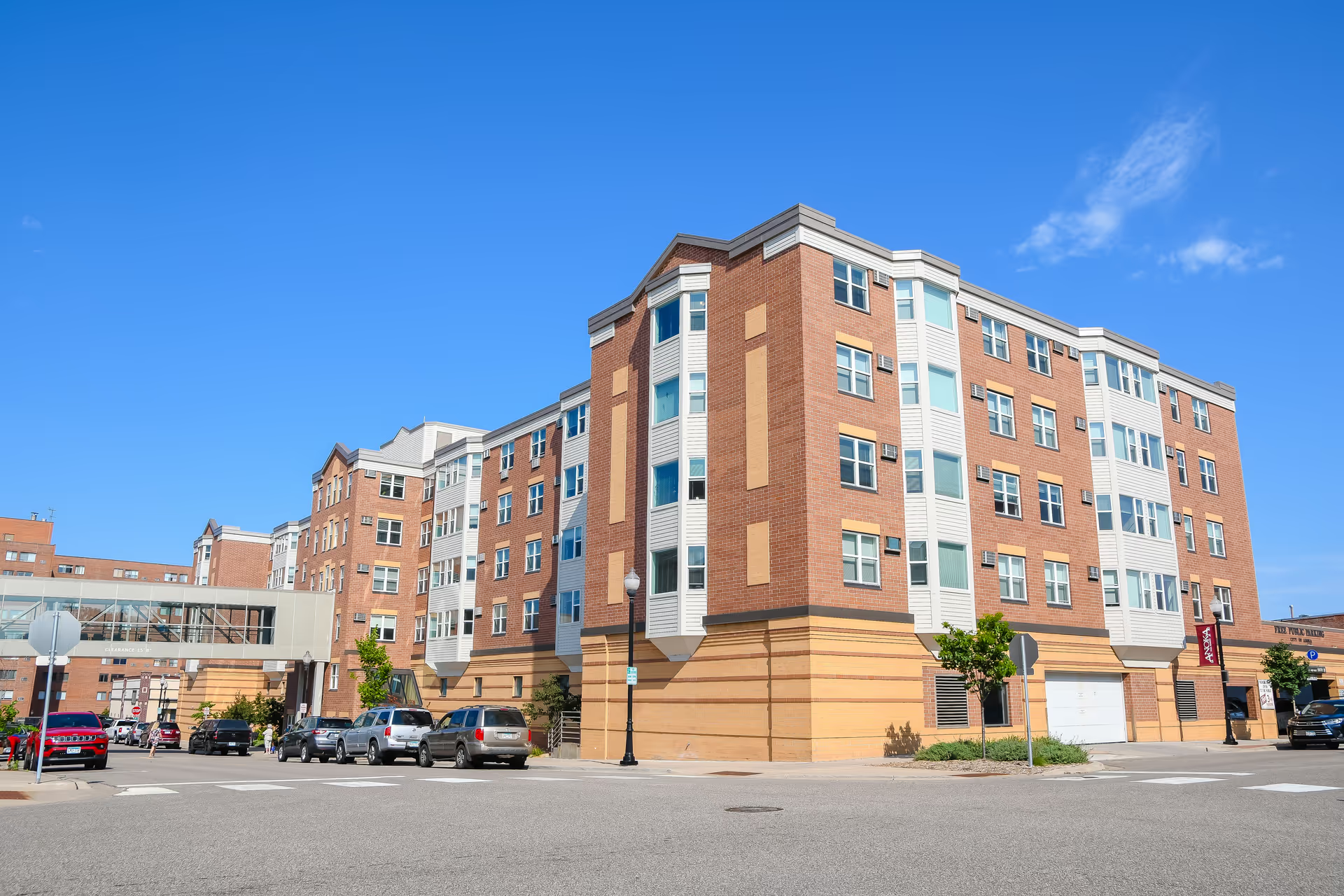
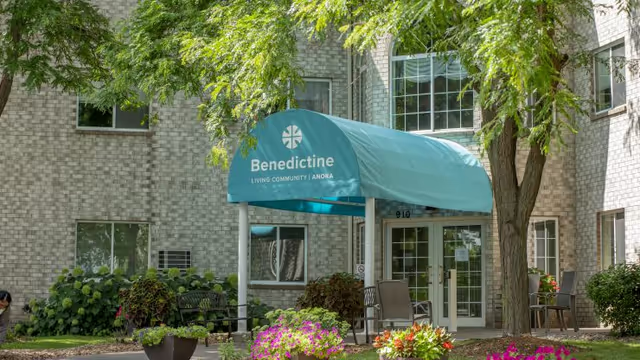
Facilities and environment: The building and common areas receive high marks for modern design, spacious apartments, secure memory-care areas, library spaces, salon services, and outdoor courtyards. Noted facility issues include inconsistent housekeeping (delayed or missed cleanings and laundry problems), occasional sanitation and odor concerns in some areas, and HVAC/temperature-control problems (noisy units and overheated rooms). Prospective residents should inspect apartment layouts for HVAC placement and ask about housekeeping schedules and preventive-maintenance plans.
Management and operations: Several reviewers highlight leadership turnover and management instability, with attendant effects on staffing, kitchen operations, and housekeeping. There are multiple comments about poor family communication and supply-management failures (difficulty obtaining essential personal-care items). Financial concerns also recur: some families experienced sizable and frequent rent increases; prospective residents should request written fee-increase policies and clarify what services are included.
Notable patterns and advice for families: The strongest, most consistent positives are staff-resident rapport, an active program of events, and an attractive, secure memory-care neighborhood. The most important caveats are operational reliability: staffing levels and turnover, housekeeping and laundry processes, supply logistics, and managerial stability. When evaluating this community, families should tour during an activity period, observe meal service, ask for staffing ratios and housekeeping schedules, review policies on visitation and infection control, and obtain written details on fee increases and contingency plans for kitchen/clinical staffing. These checks will help determine whether the facility’s social and environmental strengths align with a prospective resident’s clinical and continuity-of-care needs.