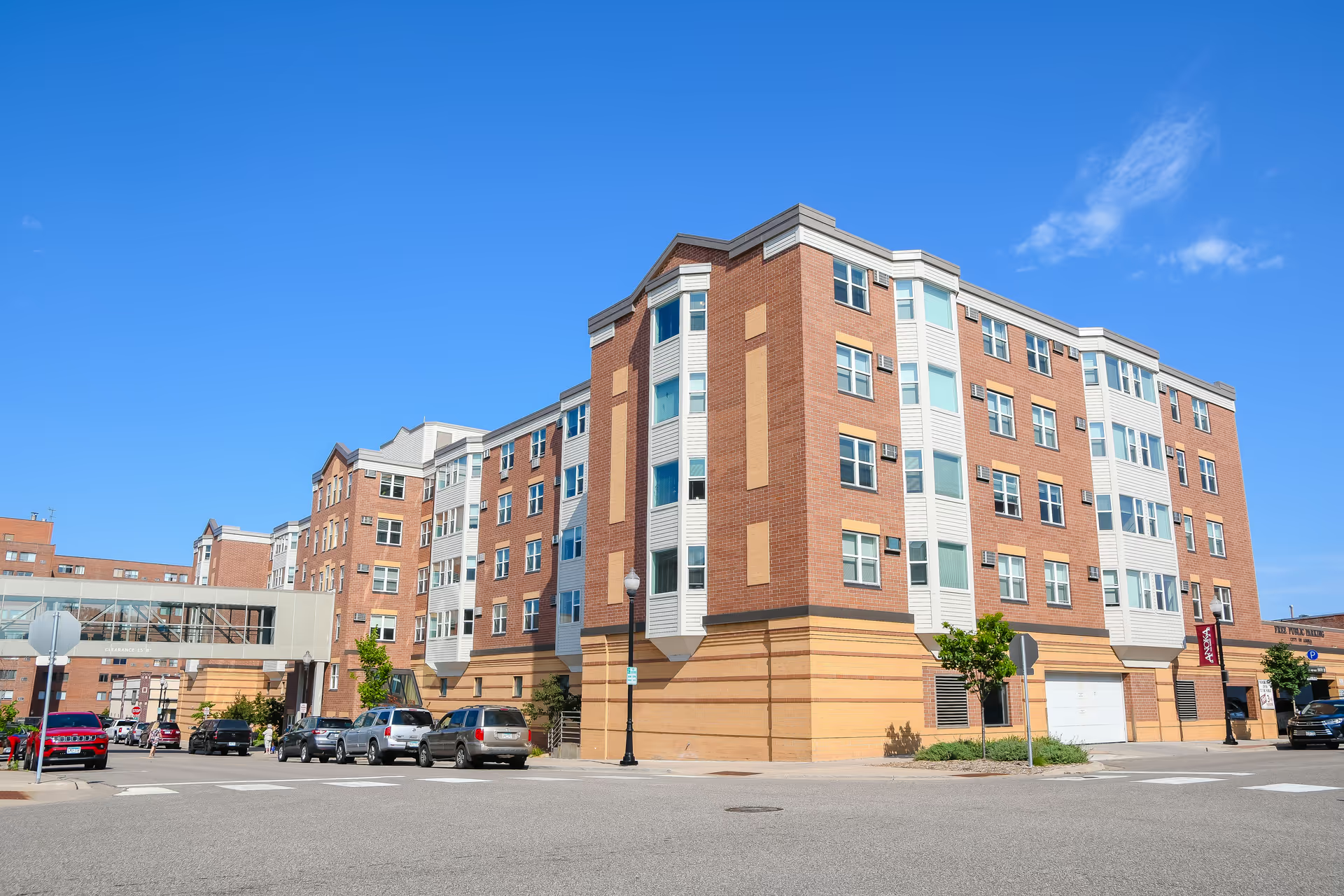
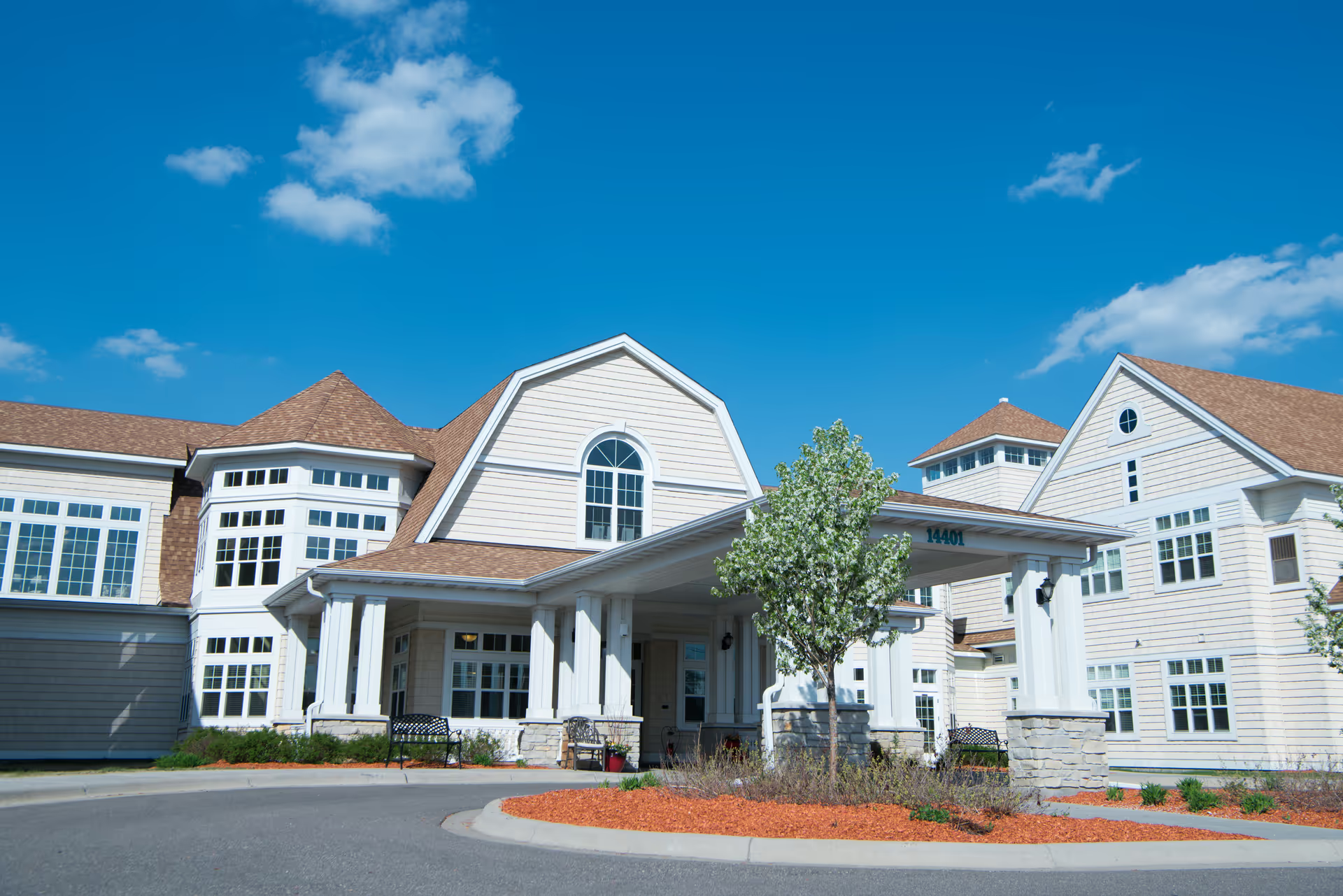
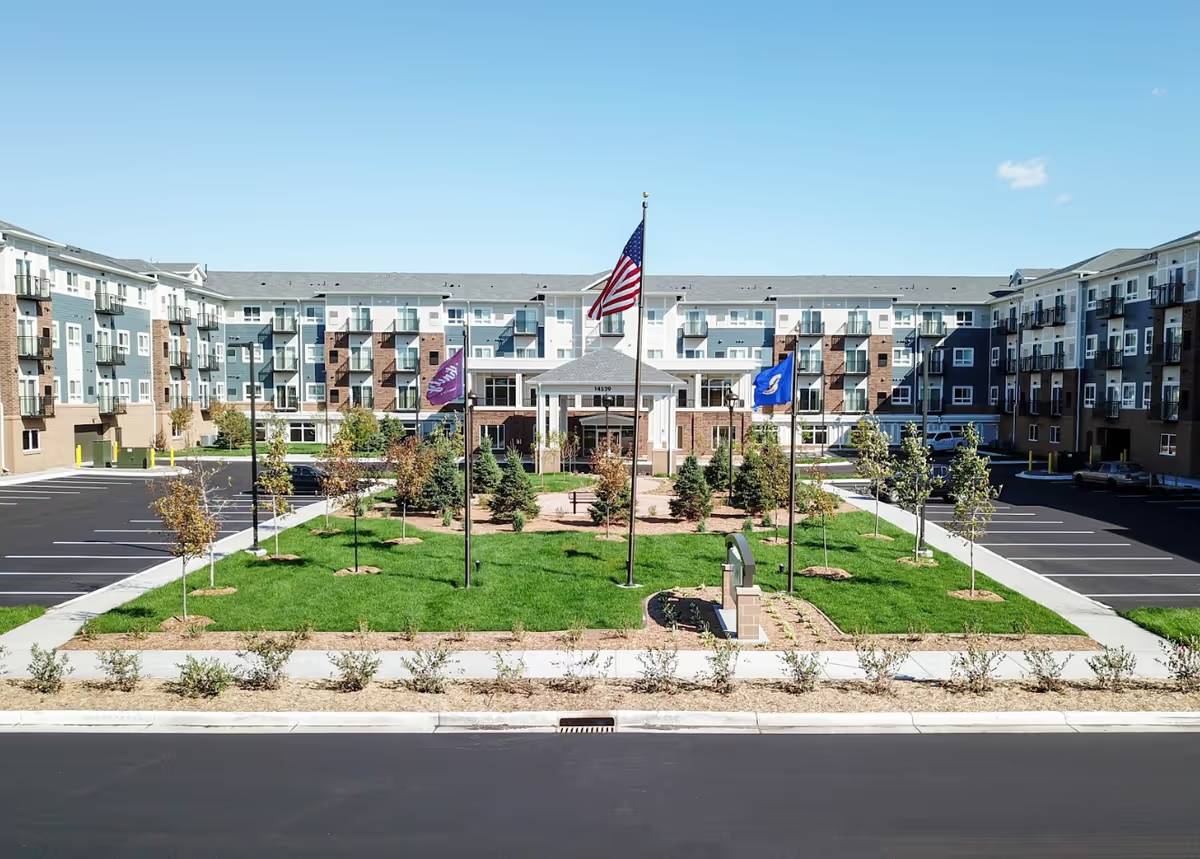
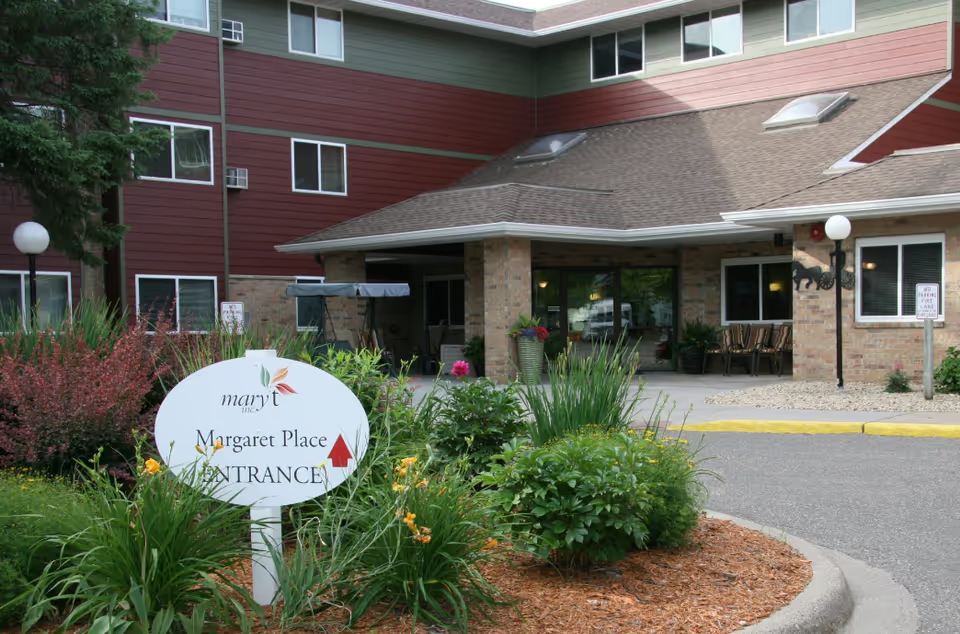
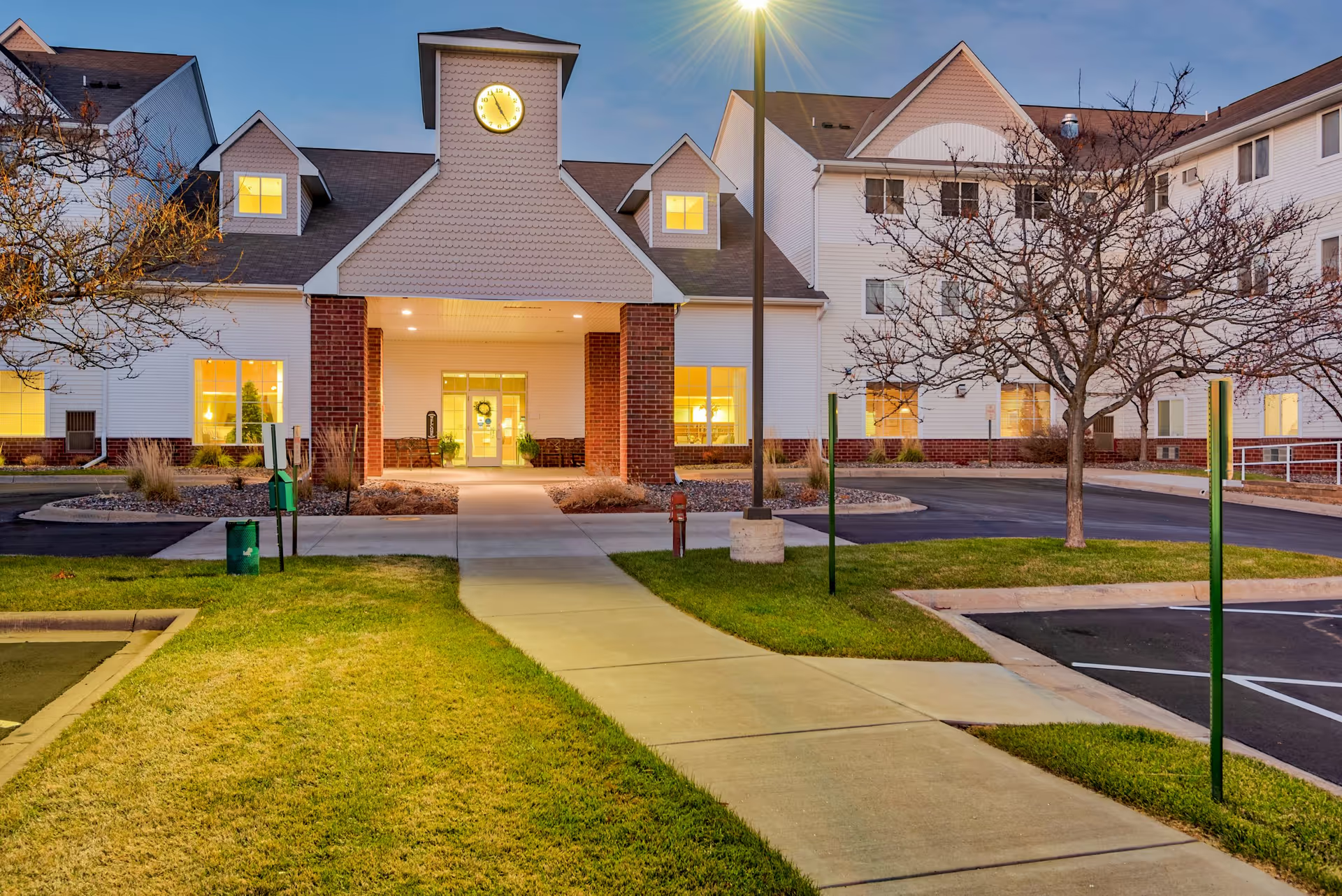
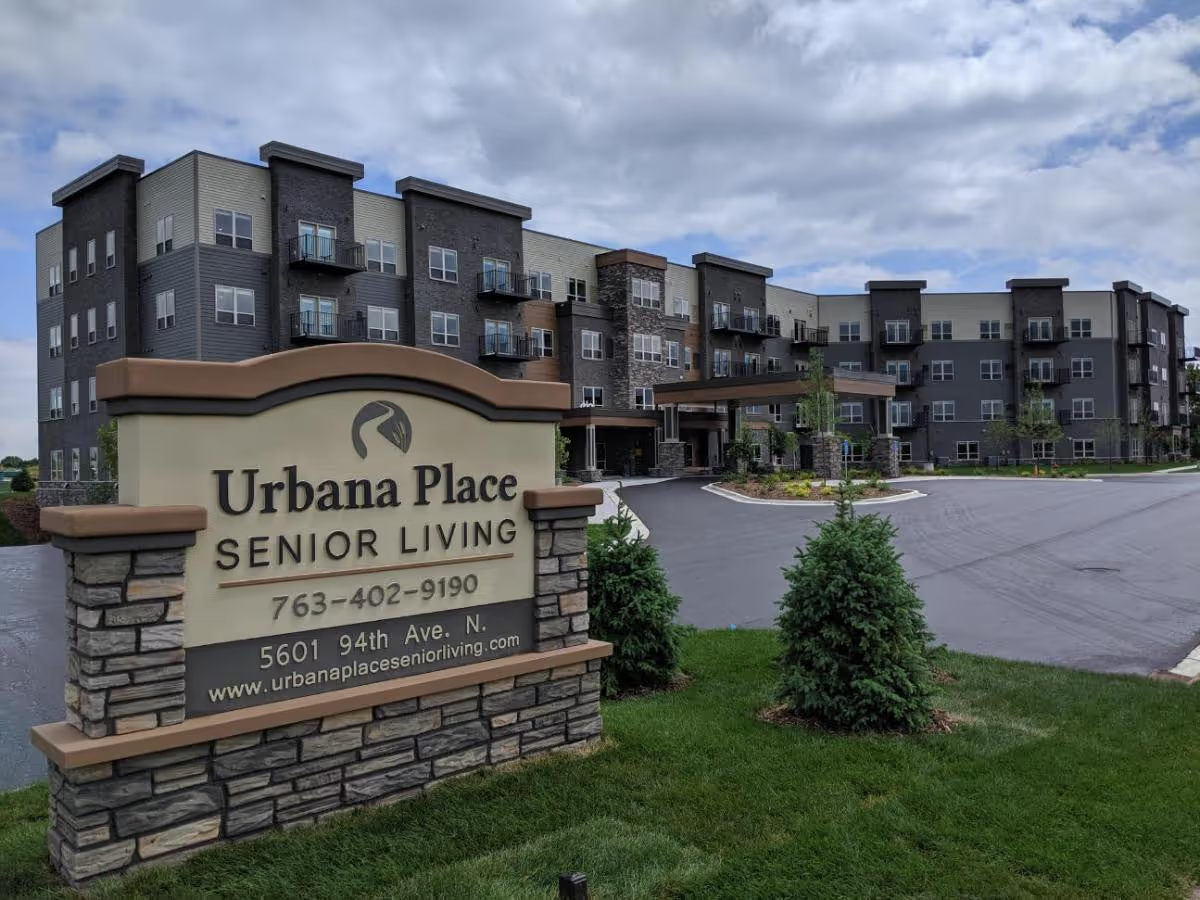
The Farmstead presents as a well-appointed, mission-driven senior living community with a generally positive reputation for day-to-day living. The facility is affiliated with a Christian non-profit and emphasizes mission, values, and a warm communal culture. Physical accommodations are frequently described as clean and attractive, with a range of apartment types (efficiency through two-bedroom), in-unit kitchens or kitchenettes in many units, sizable closets, pleasant views, and substantial common amenities such as a library, activity center, indoor walking track, and outdoor patios.
Care and staffing receive mixed but predominantly favorable comments. Many families and visitors highlight warm, respectful staff interactions, prompt emergency responses, and a memory-care unit (The Arbor) that is singled out for strong performance. Staff are described as engaged in resident care and responsive during visits. At the same time, reviews point to operational weaknesses: high turnover among direct-care and managerial staff, inconsistent staffing patterns, and limited after-hours coverage. These staffing inconsistencies can affect continuity of care and family confidence, so prospective families should confirm current staffing stability and off-hours response protocols.
Dining and household routines are another area of mixed impressions. The community offers multiple dining choices and meal-program options, and many residents enjoy the food. However, there are recurring comments about the need for more denture- and texture-appropriate options and clearer communication about how many meals are included in fees. In memory-care units, cooking is more restricted and in-unit appliance access may be limited to a refrigerator and sink, which is consistent with safety practices but worth confirming for families who expect full cooking capability.
Activity programming and social life are strong relative strengths. The Farmstead runs a wide range of activities — religious services, crafts, sewing, exercise, weekly social events, and an active dining room — that many residents and families find enriching. The community appears to foster resident input into programming and benefits from an engaged peer group in many units. That said, the rural setting and pandemic-era limitations have reduced casual community interaction for some; visitor travel distances and fewer nearby open public spaces may be a downside for families who prefer easy access to urban amenities.
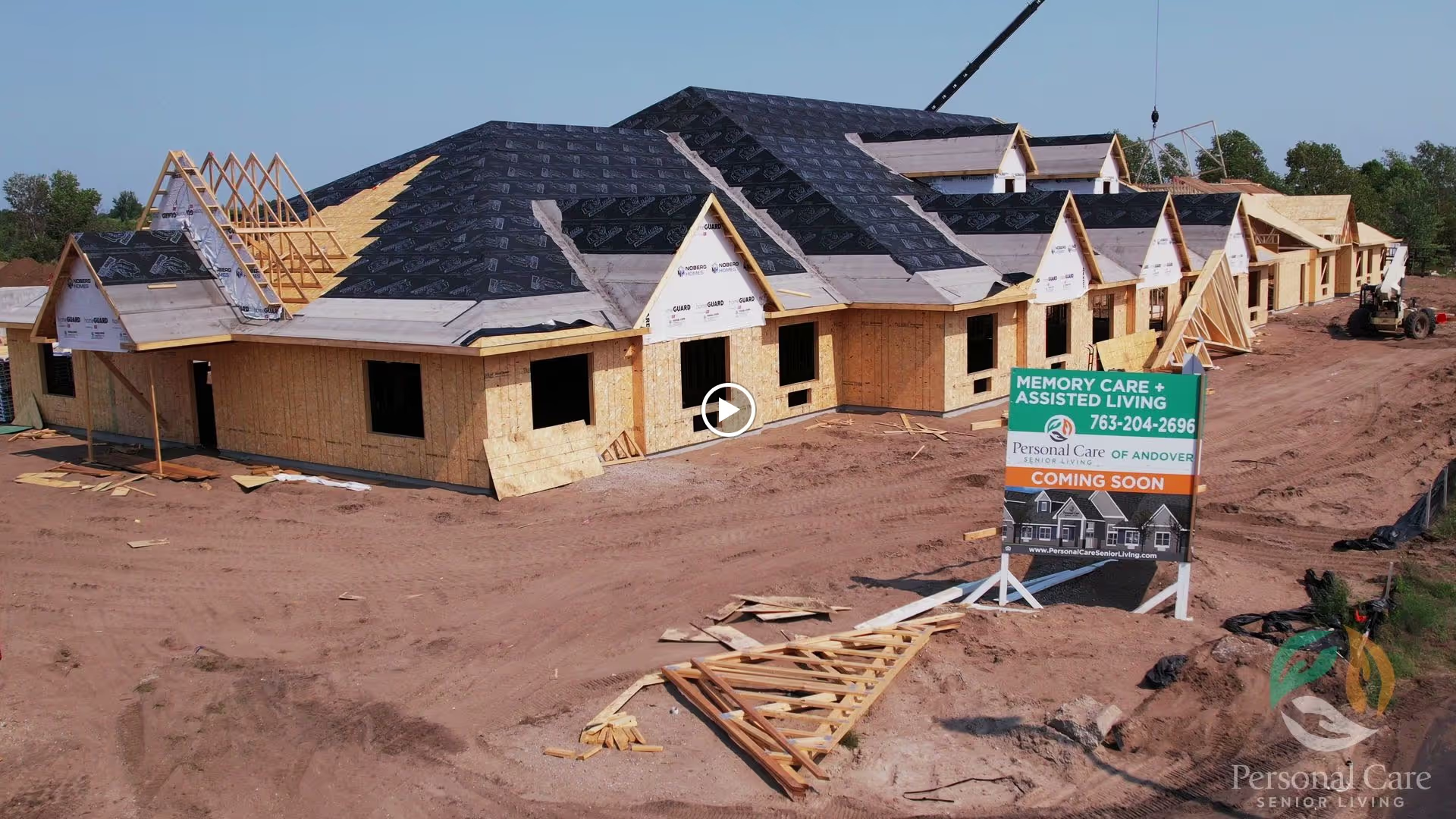
Facility management and the physical campus show both positives and concerns. Renovations and newer construction contribute to an attractive environment, underground heated parking is offered in some areas, and interior cleanliness is consistently praised. Conversely, reviewers describe ongoing parking-lot construction, torn-up lots, and exterior surface issues — muddy, uneven exits and temporary street parking — that create accessibility challenges for frailer residents and complicate visitor access. There are also comments indicating gaps in administrative processes, including communication lapses, security/process oversight concerns, and missed administrative items such as an annual resident survey.
Overall, The Farmstead is characterized by strong day-to-day programming, supportive caregiving in many cases, and a pleasant built environment, especially for families seeking a faith-based, non-profit option. Key areas to investigate during a visit are current staffing stability and after-hours coverage, accessibility and parking while construction is ongoing, specifics of the meal plan and denture/texture accommodations, kitchen access in the intended unit type, and the community’s recent management and process changes. These operational checks will help families align their expectations with the community’s offerings and limitations.