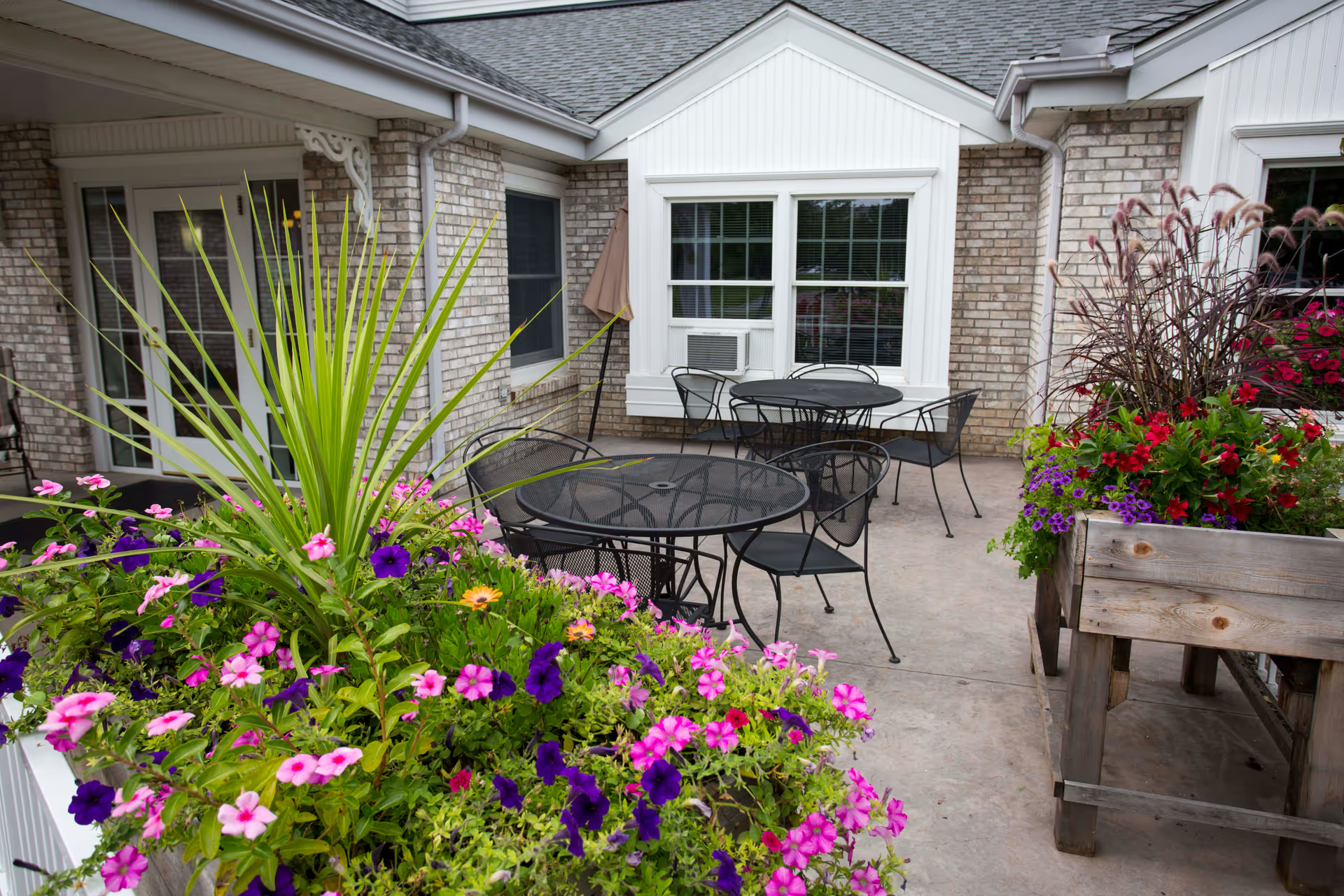
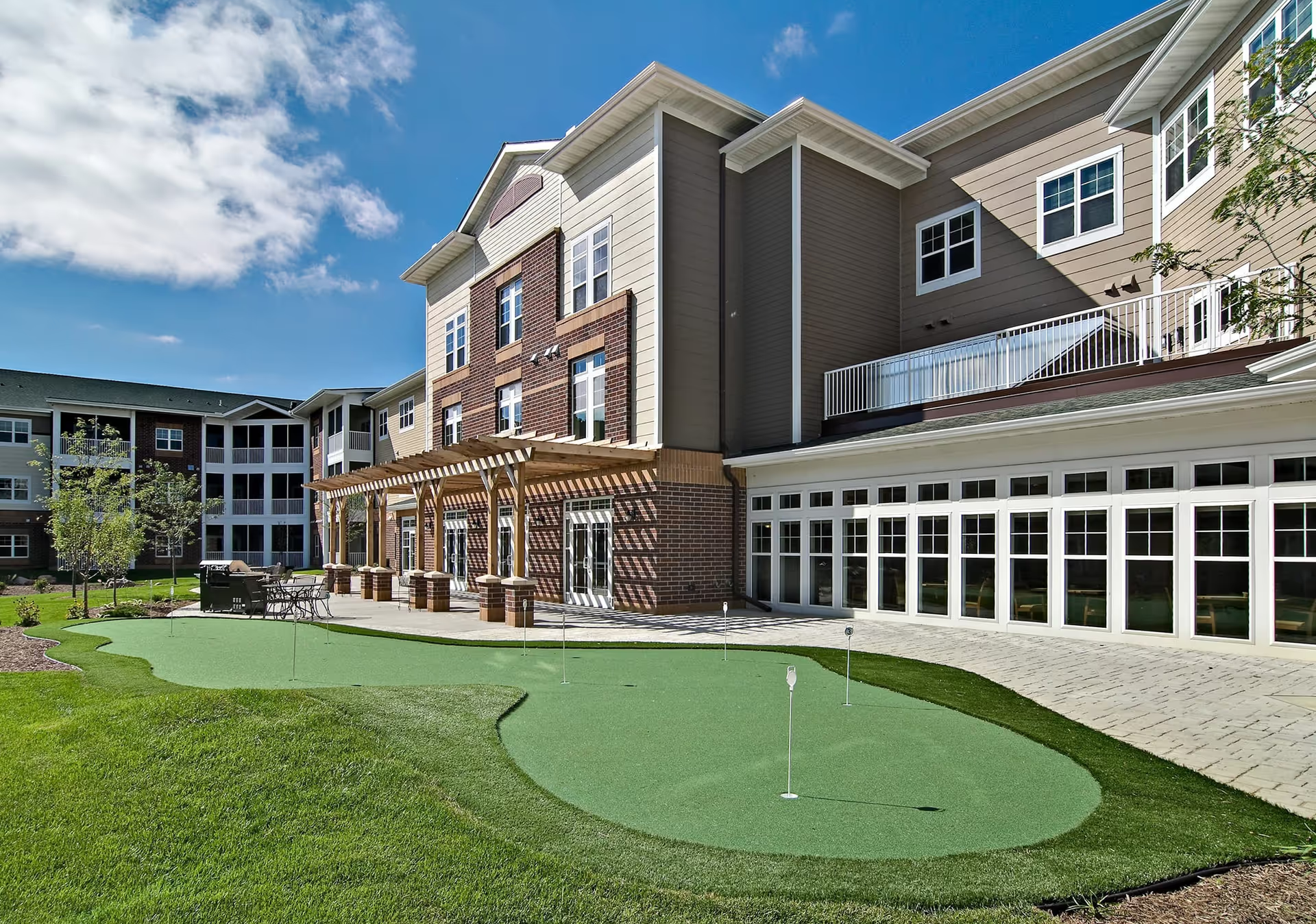
Boden Senior Living presents as a modern, well-maintained community with many features families find attractive: a newer building, spacious private rooms, evident pride in maintenance, and a home‑like atmosphere. Reviewers frequently praise the activities program, community connections, and the memory-care unit. Many families describe the environment as welcoming, with staff who create meaningful daily engagement, facilitate outings, and coordinate effectively with hospice and clinical teams for residents with higher needs.
Care quality descriptions are mixed. Positive accounts highlight compassionate, attentive caregivers, strong clinical coordination, and hospice collaboration that provided families with reassurance. However, several accounts describe operational gaps that affect care continuity: inconsistent performance among direct‑care staff, instances of delayed responses to needs, and concerns about medication administration and clinical oversight. These patterns suggest variability in frontline caregiving and the need for strengthened clinical processes and supervision.
Staff and culture show both strengths and weaknesses. Administration and some leadership figures are described as approachable and responsive; families cite supportive administrators, proactive maintenance teams, and caregivers who work collaboratively. At the same time, reviewers raise concerns about staffing levels, workload pressures, and uneven training for entry‑level aides — factors that likely contribute to inconsistent resident experiences. There are also isolated but serious allegations about inappropriate restrictive practices and concerns about staff conduct; such claims indicate the importance of transparent incident investigation and stronger supervision when residents are at risk.
Dining and activities receive generally favorable comments: many residents and families compliment the meals, aroma, and variety, and activities staff are credited with providing robust, meaningful programming. That said, meal quality appears variable across time or units in some accounts, indicating potential gaps in meal-service consistency or staffing that affect dining experiences on certain shifts.
Safety and infection prevention are another mixed area. The facility is often described as safe and welcoming, yet a number of reviewers raised infection‑control concerns (including COVID‑related inconsistencies) and cited lapses in monitoring residents at risk of wandering. These are operational vulnerabilities that carry clinical and regulatory implications and would benefit from tightened protocols, monitoring technology, and staff training focused on prevention and timely family notification.
Management and communication receive both praise and criticism. Administration is frequently characterized as collaborative and receptive to feedback, which supports improvement efforts. Conversely, there are repeated comments about slow email responses, poor follow‑through on family requests, unclear billing practices, and frequent rate increases soon after admission. These communication and financial-practice issues erode trust even where clinical or social programming is strong.
Overall, Boden Senior Living offers substantial positives—modern facilities, active programming, and many committed staff—alongside operational inconsistencies that have produced highly divergent family experiences. Prospective residents and families would benefit from focused conversations during touring and contracting about staffing patterns, medication and safety protocols, infection‑prevention policies, billing and rate-change practices, and the facility’s process for investigating and reporting serious incidents. Regular check‑ins after move‑in and clear escalation pathways for clinical or behavioral concerns would help align expectations with day‑to‑day practice.