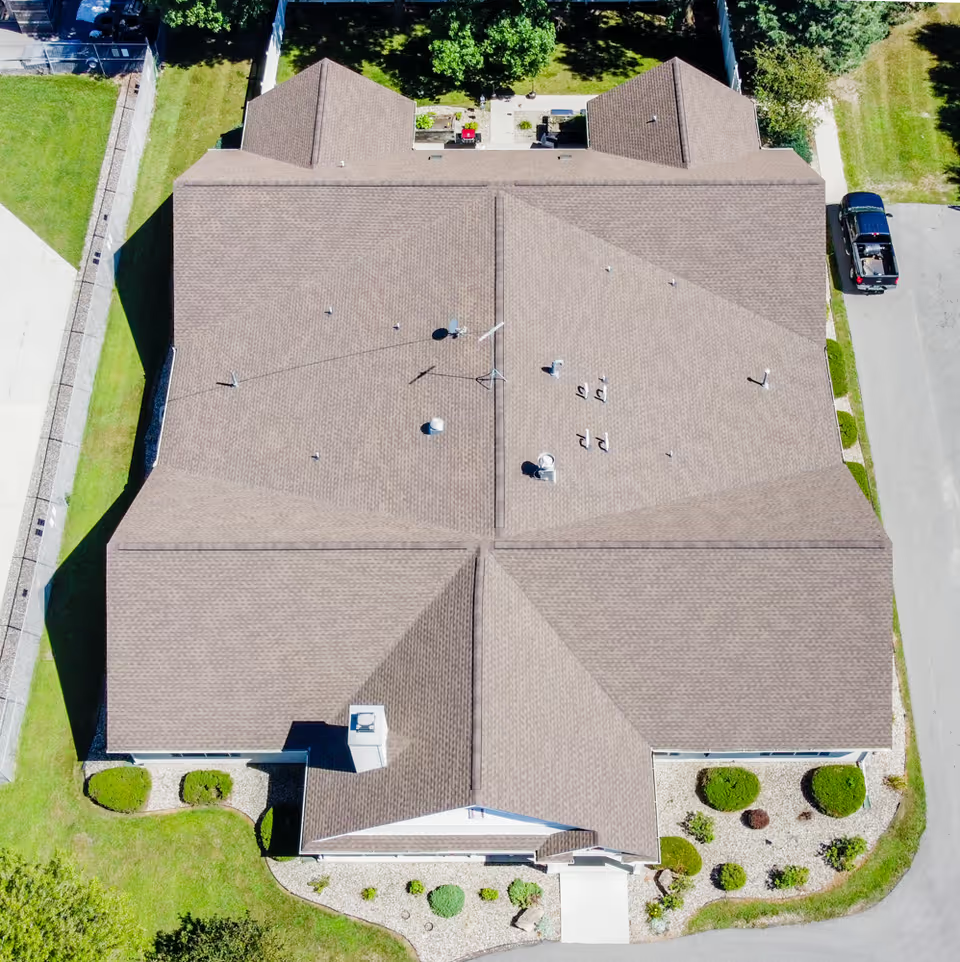
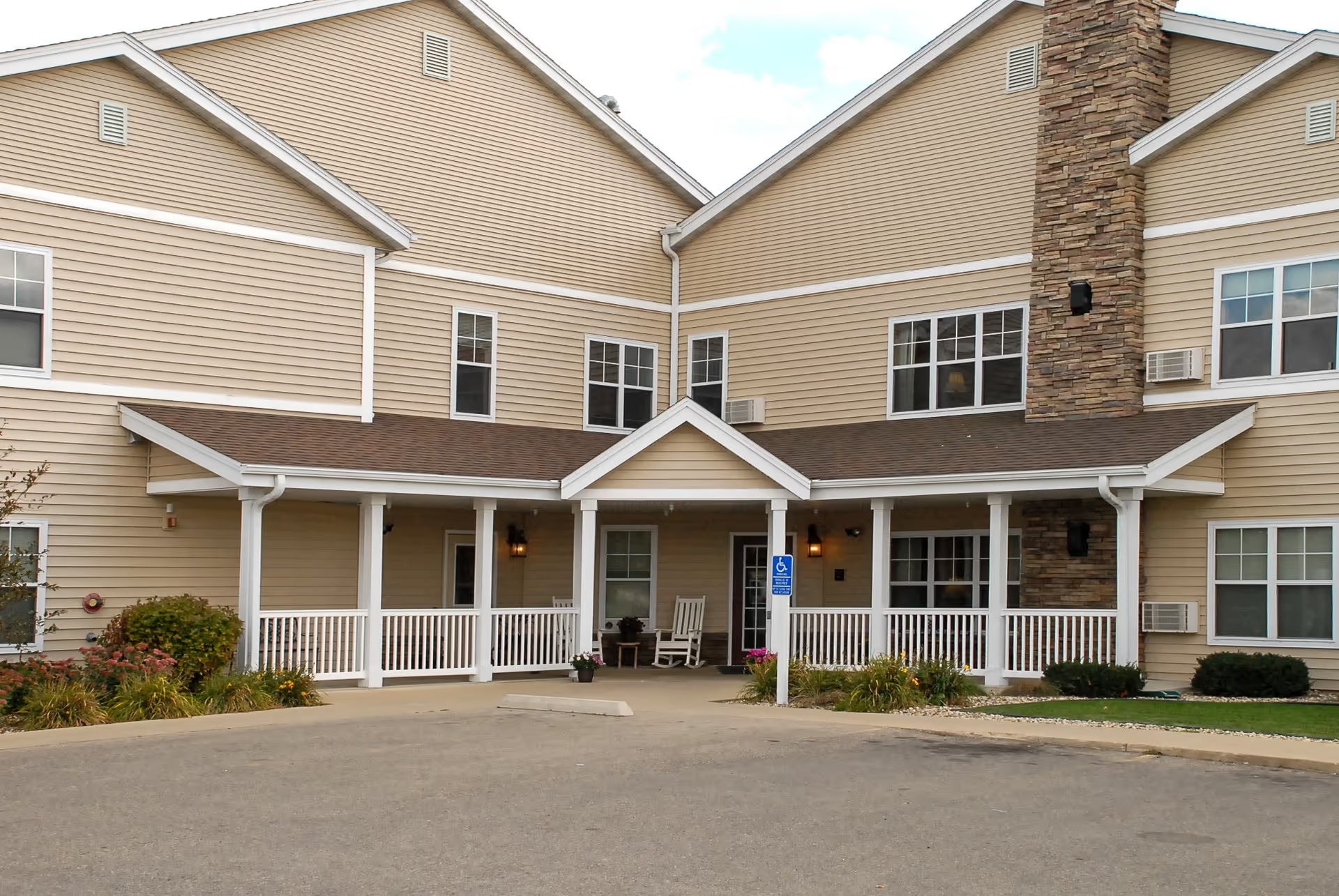
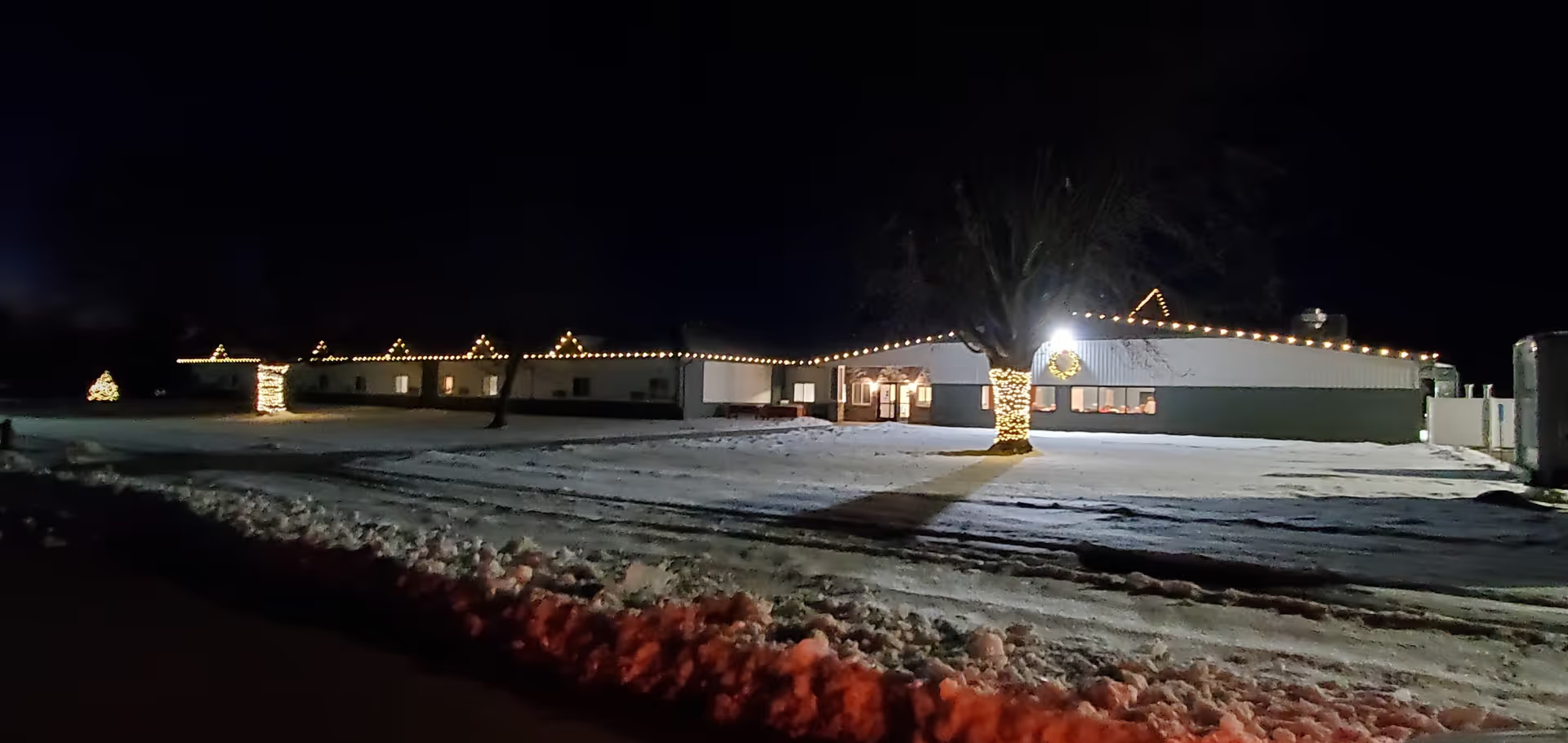
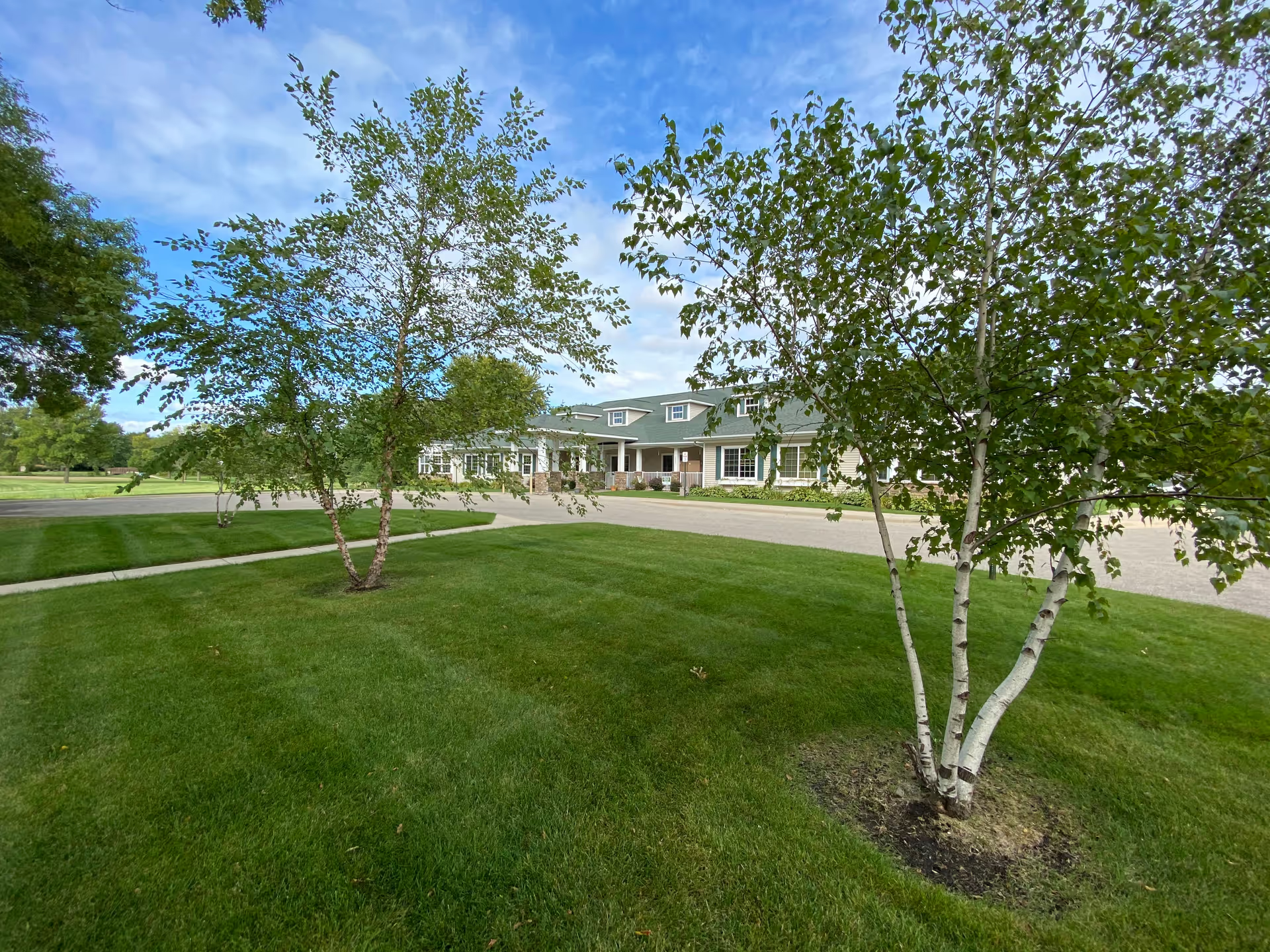
Reviews for South Grove Lodge describe a facility with many lifestyle strengths alongside notable operational concerns. Commonly praised features include a robust calendar of activities, ample communal spaces (library, multiple lounges), an on-site ice cream parlor and small pub that support socialization, outdoor raised garden beds, and clean, well-decorated interiors. Several accounts highlight an active, family-like atmosphere and social dining experiences; free transportation and a separate medical/assisted-living wing are also cited as positive aspects for residents with varying needs.
Care and staff feedback is mixed. Direct-care staff such as CNAs and food-service workers receive consistent praise for compassion, helpfulness, and respectful interactions; hospice involvement and end-of-life support were described positively in some accounts. At the same time, reviewers describe operational gaps that affect clinical reliability: inconsistent nursing coverage (including the absence of round-the-clock nursing), medication-supply issues, and patterns of high staff turnover. These operational weaknesses can result in delays in assistance and uneven continuity of care despite generally positive impressions of individual caregivers.
Dining and activities are clear strengths for many families. Multiple reviewers remark on enjoyable meals, communal dining, frequent scheduled activities, and special amenities (weekly ice cream, puzzles, holiday support). The physical environment — open hallways, climate-controlled corridors, attractive decorations and several common areas — supports social engagement and appears to be well maintained in most accounts.
Management, logistics and facility operations are the primary areas of concern. Reviewers describe disorganized staff workflows, inconsistent housekeeping and laundry processes, and difficulty obtaining timely responses from management or corporate contacts. There are also serious allegations concerning staff integrity and policy compliance; these claims warrant direct inquiry by prospective families. Taken together, the patterns suggest that while day-to-day resident interactions and programmatic offerings can be strong, systemic staffing and administrative processes may undermine reliability in clinical coverage, medication handling, and personal-item management.
For prospective residents and families, the notable pattern is a contrast between strong social programming and warmth from many front-line staff versus recurring operational and management-level shortcomings. Key items to verify during a tour or meeting include current nursing coverage and clinical staffing levels, medication-management policies, laundry and property-tracking procedures, turnover rates and staff-stability plans, and how leadership addresses reported incidents or allegations. This balanced approach will help determine whether the facility’s social and environmental strengths align with an individual resident’s medical and oversight needs.