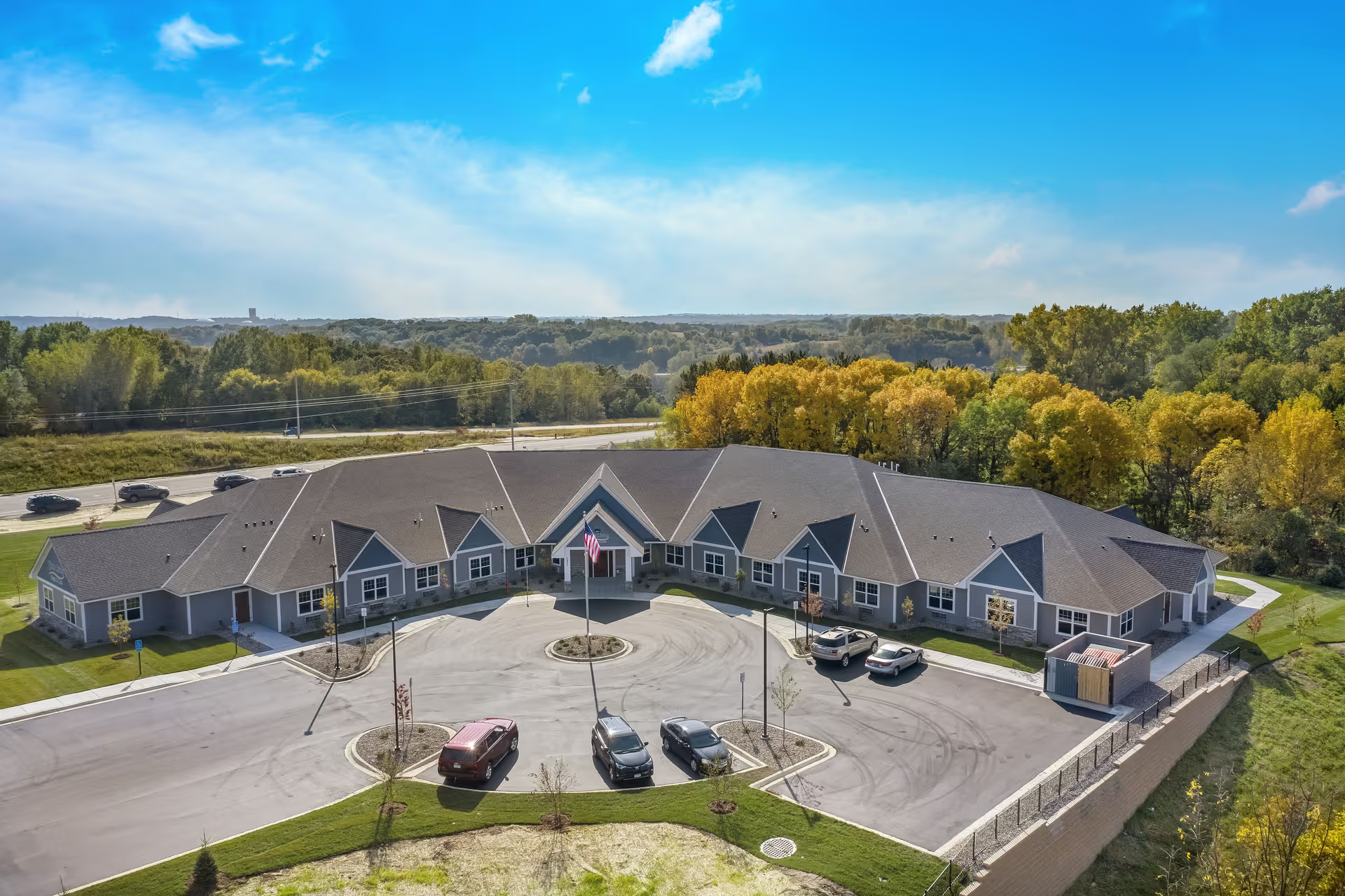
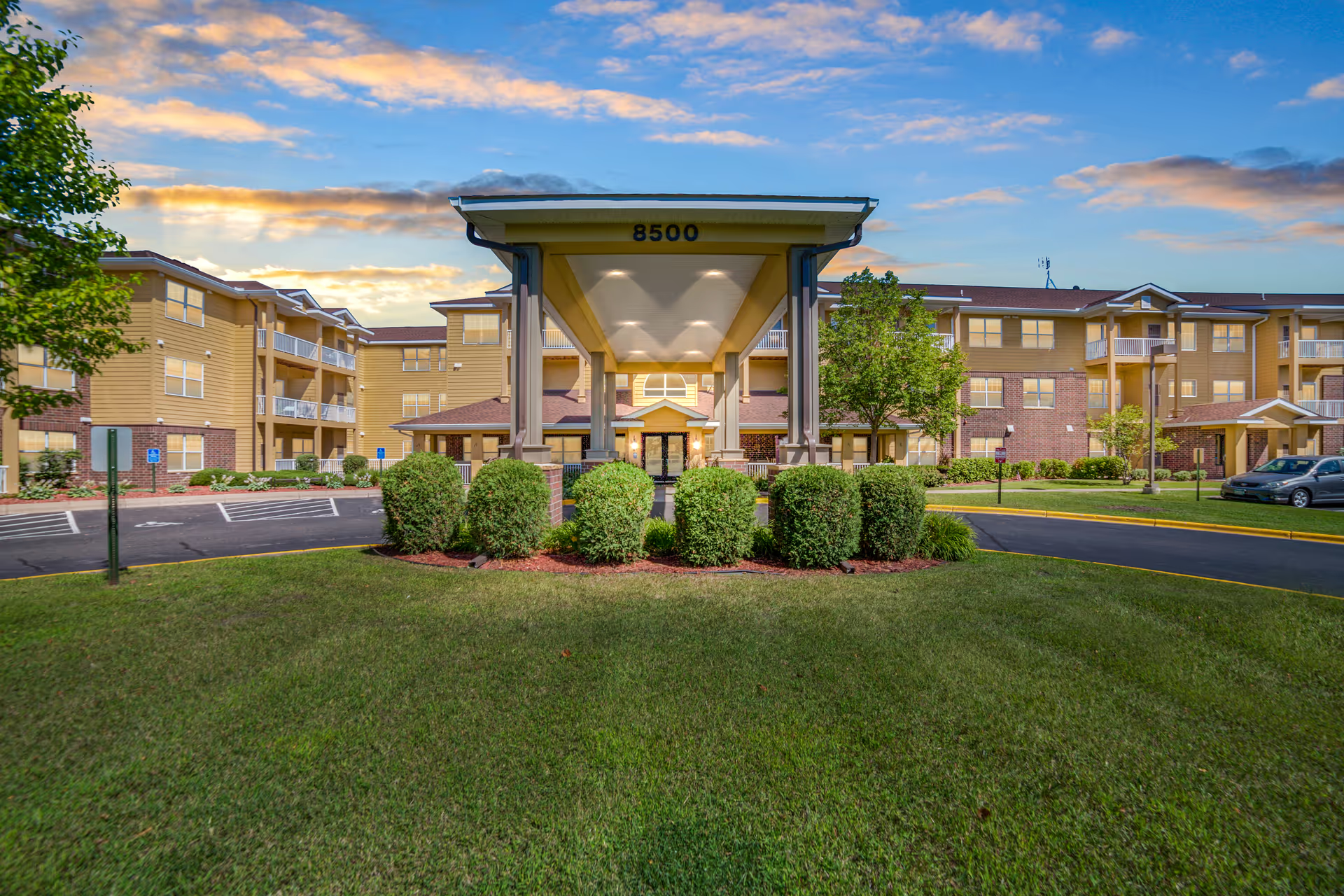
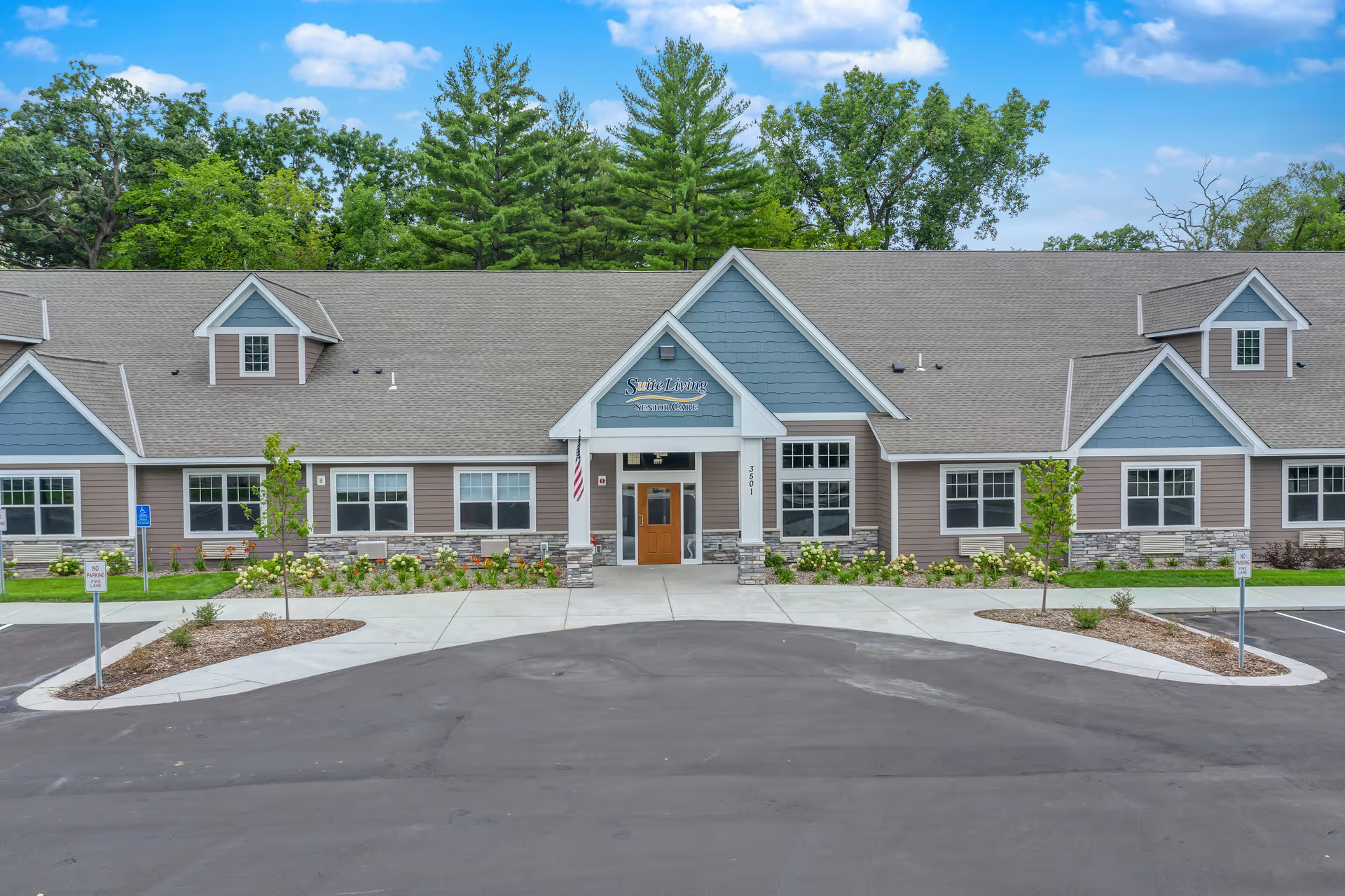
Reviewers describe a facility with strong physical amenities and an active social program but with notable variability in day-to-day clinical operations and management. Positive comments consistently cite an attractive, newer building with well-maintained common areas (movie room, library, exercise space), accessible outdoor areas, regular housekeeping, and an engaging activity calendar that includes outings and in-house entertainment. Several families found admissions staff helpful and praised the on-site memory-care option. For some residents the environment and staff interactions produced a clear sense of safety and family peace of mind.
At the same time, a pattern of variable care quality emerges. Multiple families raised concerns about inconsistent clinical care and the competence of some direct-care aides; issues highlighted include gaps in basic care tasks, inconsistent bathing and dressing assistance, and perceived shortfalls in staff training or certification. Medication-administration practices were frequently described as lax, with examples indicating weak controls and handling procedures. Those operational weaknesses were often paired with limited responsiveness from management after move-in, interrupted follow-through on family communications, and slow or ineffective problem resolution.
Dining and housekeeping received mixed evaluations. Several reviewers praised meal options and occasional specialty items, while others noted weekend menu limitations, inconsistent food temperature and packaging, and disparities between weekday and weekend service. Cleanliness and sanitation concerns appeared in multiple accounts, including delayed laundry handling and pest-control concerns in some units; these items contributed to family concern about overall maintenance and infection-prevention practices.
Management and administrative behavior is an important recurring theme. Many families reported an initially positive admissions experience followed by diminished responsiveness and perceived unprofessionalism from administrative staff. Communication gaps among management, clinical staff, and families were cited as compounding problems when clinical or behavioral issues arose. Some reviewers interpreted operational decisions as cost-containment choices that affected staffing levels and competency, which in turn impacted resident care and safety monitoring.
In sum, The Sanctuary at Brooklyn Center is characterized by a pleasant physical environment and a robust activity program that several families value. However, persistent concerns about staffing competency, medication controls, cleanliness, and administrative communication create a split picture: some families strongly recommend the community based on positive staff interactions and facilities, while others advise caution due to the operational weaknesses noted above. Prospective residents and families should prioritize in-person evaluation of clinical staffing credentials, medication-safety protocols, housekeeping and pest-control processes, and the facility's plan for post-admission communication and follow-up before making a placement decision.