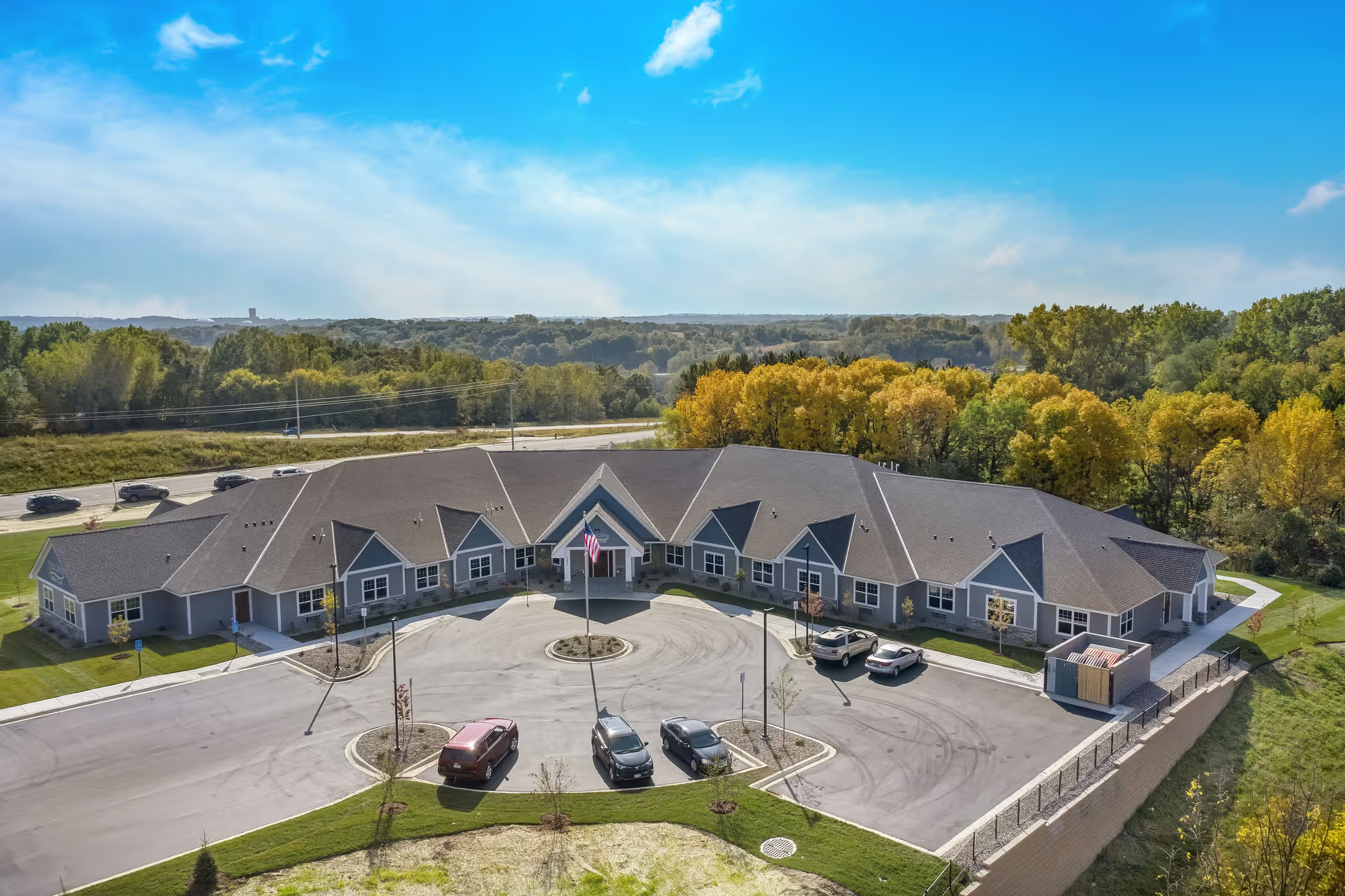
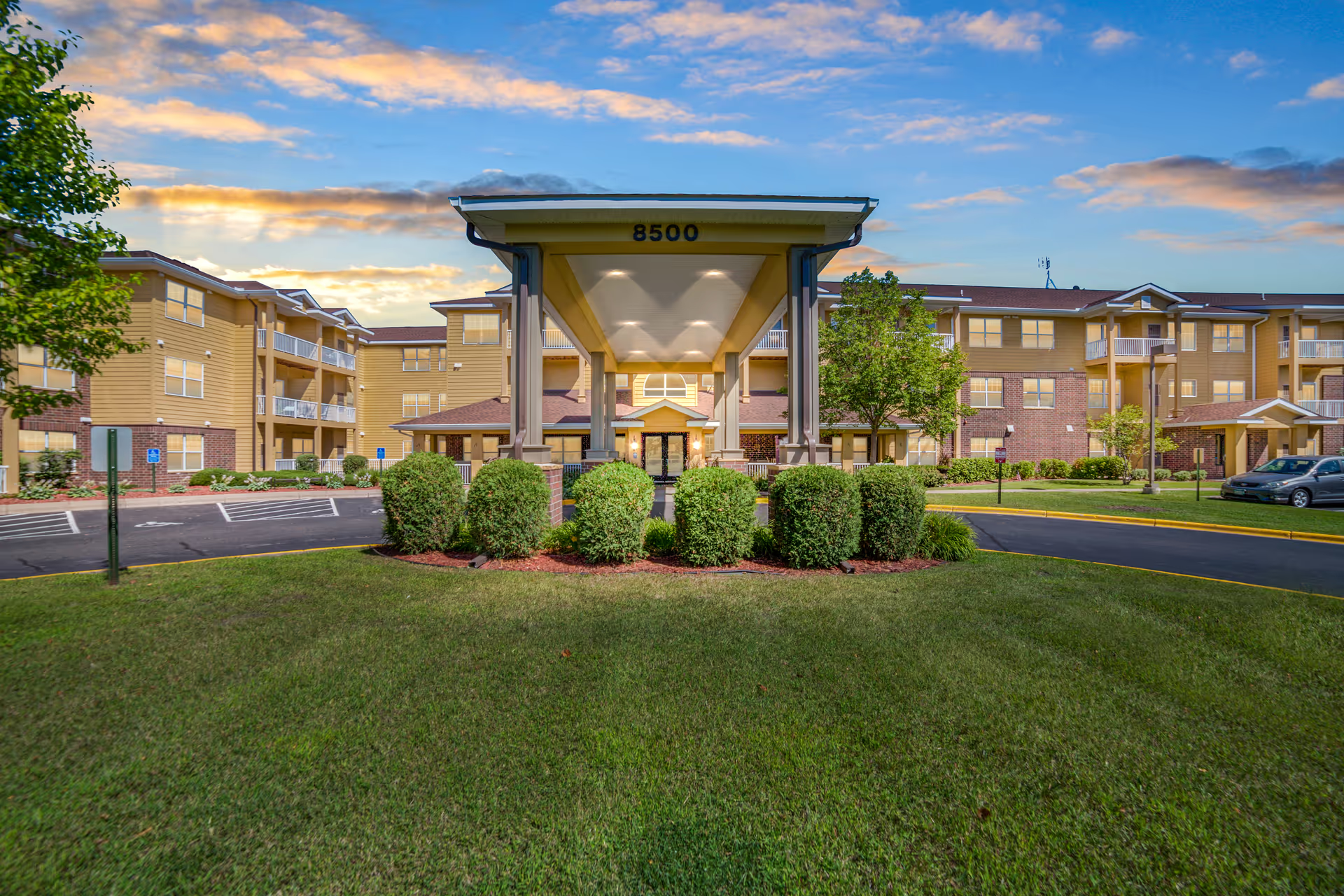
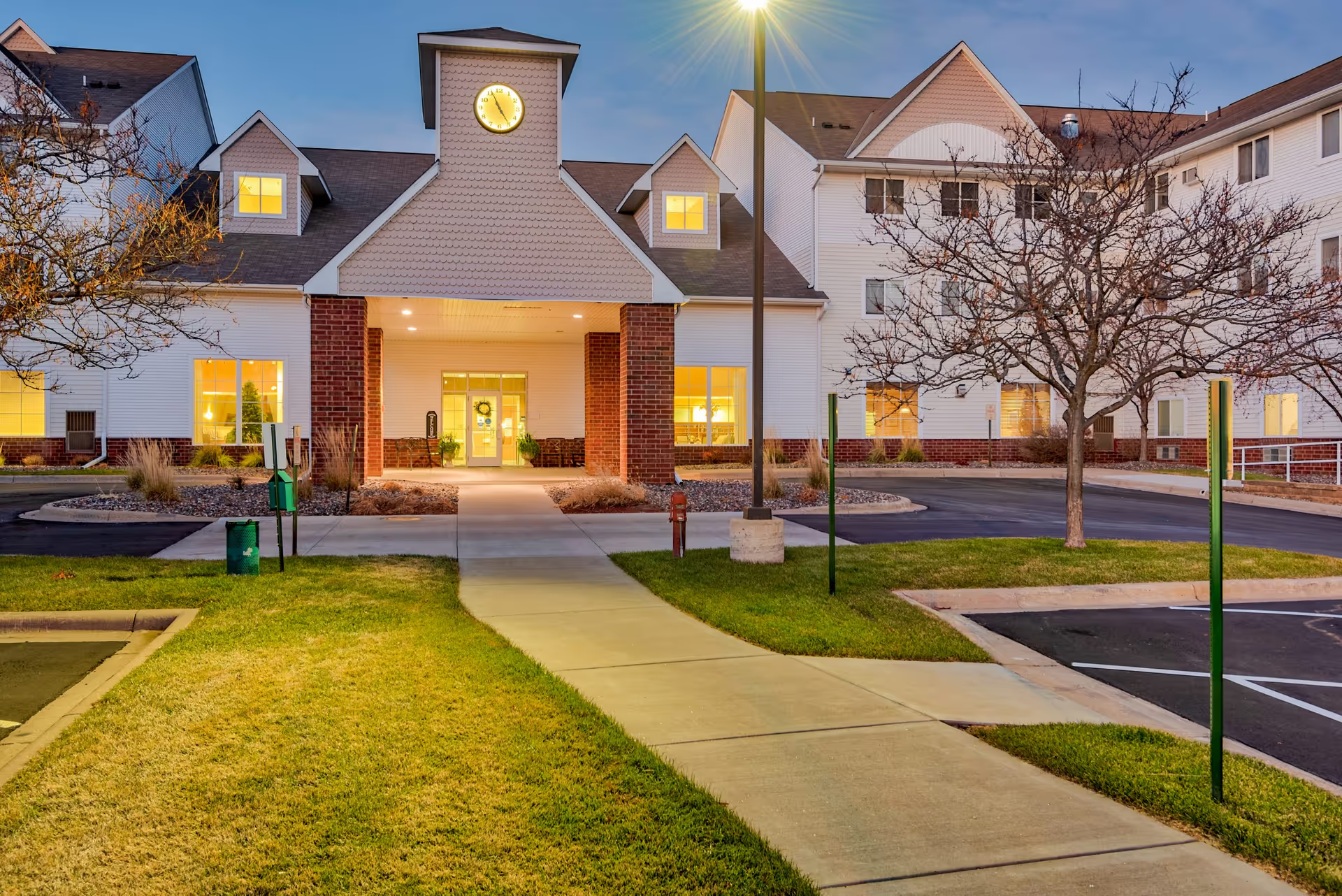
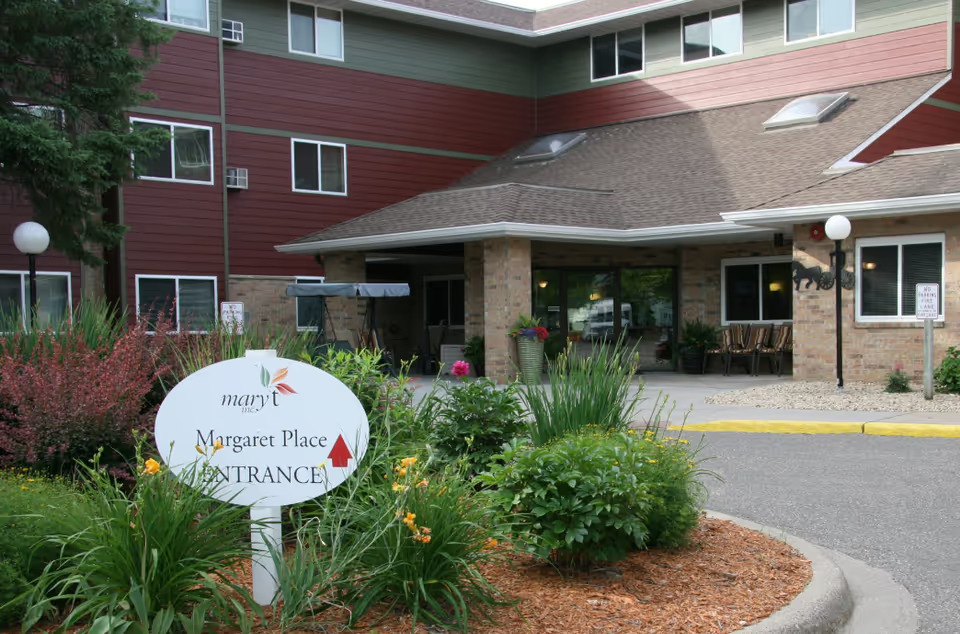
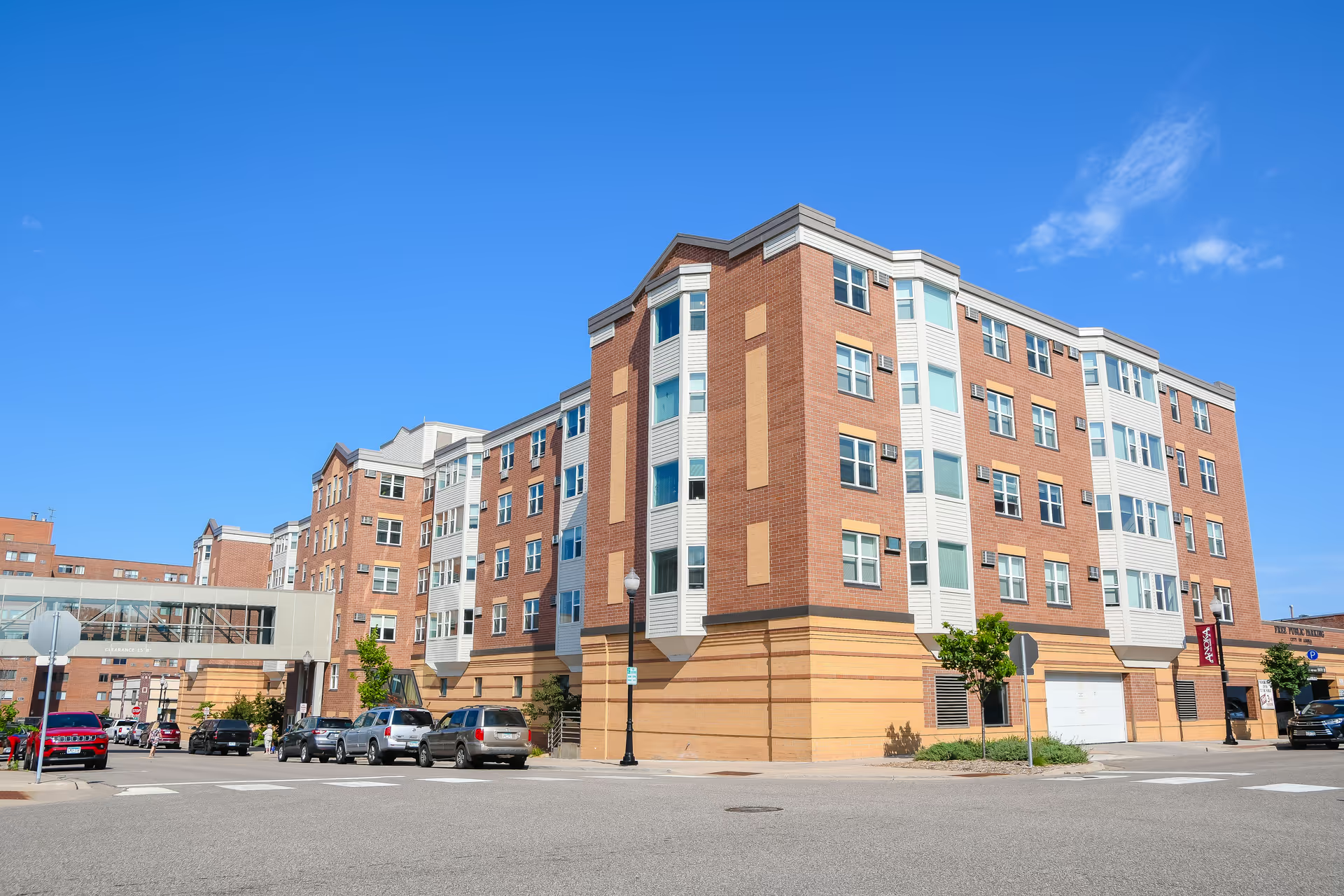
Urbana Place Senior Living presents a clear dichotomy in reviewer experience: many families and residents praise the facility’s physical environment, amenities, and interpersonal culture, while others raise substantial operational and clinical concerns. The community is repeatedly described as a new, well-maintained building with large, light-filled apartments, tall ceilings, modern finishes, and amenity spaces such as a bistro, salon, and restaurant-style dining. Move-in and transition processes are frequently characterized as smooth, with clear financial guidance and helpful admission support. On the positive side, staff are often described as warm, attentive, and resident-focused; activities programming is broad and tailored (movies, crafts, happy hours, memory-care groups); on-site therapies and medical services are available; and a welcoming sense of community is commonly reported.
Care quality and staffing emerge as the most divergent themes. Many reviewers commend individual caregivers and nursing staff for compassion and individualized attention, including positive accounts of memory-care aides and strong therapeutic support. At the same time, persistent staffing shortages and elevated turnover are cited as drivers of inconsistent service: delays in responding to call lights, missed or delayed personal-care tasks, and uneven adherence to toileting and oral-care schedules. Multiple accounts point to medication-management weaknesses and unsecured medication storage, which suggests a need for stronger clinical controls and audit practices. Infection-control and sanitation practices are another area of concern for some families, who describe lapses that indicate inconsistent implementation of hygiene and room-care protocols.
Dining and activities are generally strengths but variable in execution. The facility offers restaurant-style service and off-menu alternatives, and many residents find meals social and well-presented. Conversely, other reports note cold or bland entrees, inconsistent meal timing, and dining-staff shortages that disrupt service. Activities programming is consistently cited as engaging and diverse, with an active activities director and offerings adapted for memory-care levels; these social and therapeutic opportunities are among the community’s strongest features.
Management and administrative patterns show both responsiveness and friction. Several families praise leadership for open communication, prompt maintenance, and willingness to act on feedback; others describe frequent director turnover, contested billing or contract follow-through, and even allegations of billing irregularities. Privacy and dignity processes (for example, room entry procedures and camera operation) are referenced as needing clearer policy and family communication. Taken together, these issues point to gaps in operational oversight rather than a uniform failure of culture: individual teams receive high marks, but system-level consistency is uneven.
Overall recommendation for prospective residents and families is conditional. Urbana Place offers a modern, amenity-rich environment, strong social programming, and many compassionate staff members, making it a good fit for families prioritizing apartment quality, activities, and on-site services. However, families should perform targeted due diligence around clinical oversight and operational reliability: ask for details on staffing ratios, medication-management protocols, infection-control audits, dementia-care supervision, contract specifics, and billing practices. Regular family involvement and clear expectations documented in the care contract appear important to ensuring services are delivered consistently.