Cannon Rivers Senior Living presents a strongly mixed profile: many families and residents praise the community’s interpersonal strengths, amenities, and social life, while other accounts raise operational and administrative concerns. The facility is noted for a warm, family-like atmosphere, an active calendar of programs, and chef-driven dining. At the same time, there are recurring themes around communication, billing, and certain aspects of memory-care operations that prospective residents and families should evaluate closely.
Care and staff: A substantial portion of comments emphasize compassionate, patient, and knowledgeable caregivers, with consistent praise for nurses, aides, the activity director, and specific staff members who provide personalized attention. Several families described confidence in leaving loved ones for respite or memory care, and emergency support during weather events was highlighted positively. However, reviewers also described variability in staffing levels and staff conduct; this manifests as delayed responses to calls, occasional brusque interactions, and concerns about how behavioral issues are managed in memory care. Relatedly, there are flagged concerns about medication-management practices and gaps in supervision and wander-prevention protocols for residents with cognitive impairment.
Dining and activities: Dining quality is a clear strength for many residents — meals are frequently described as high-quality and chef-prepared, with special events and holiday offerings receiving favorable comment. The community offers a wide range of activities (bingo, crafts, exercise, social hours, outings) and on-site services such as a salon, which support social engagement and daily living. The overall programing contributes to a lively, engaged resident environment.
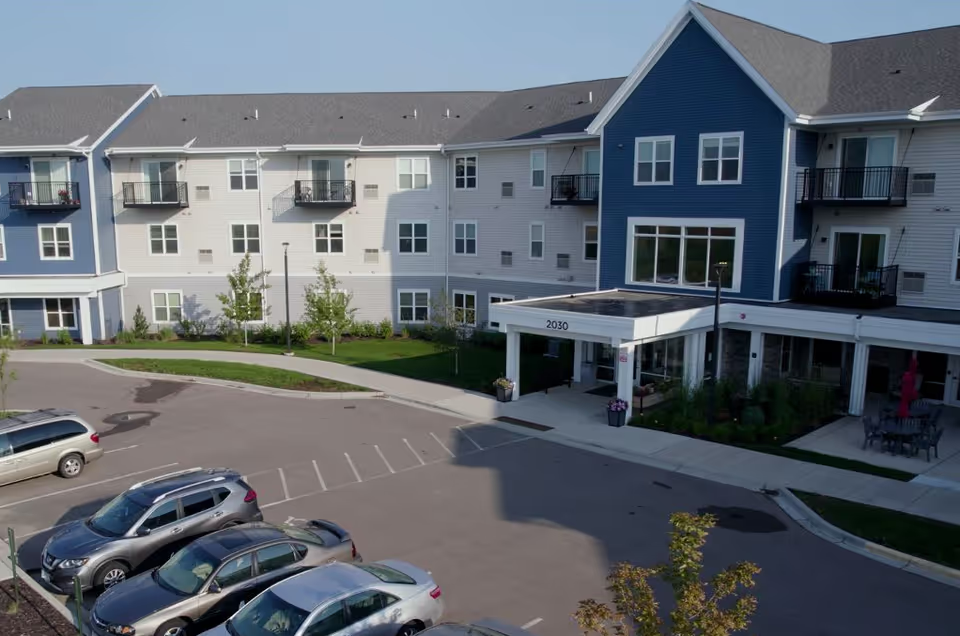
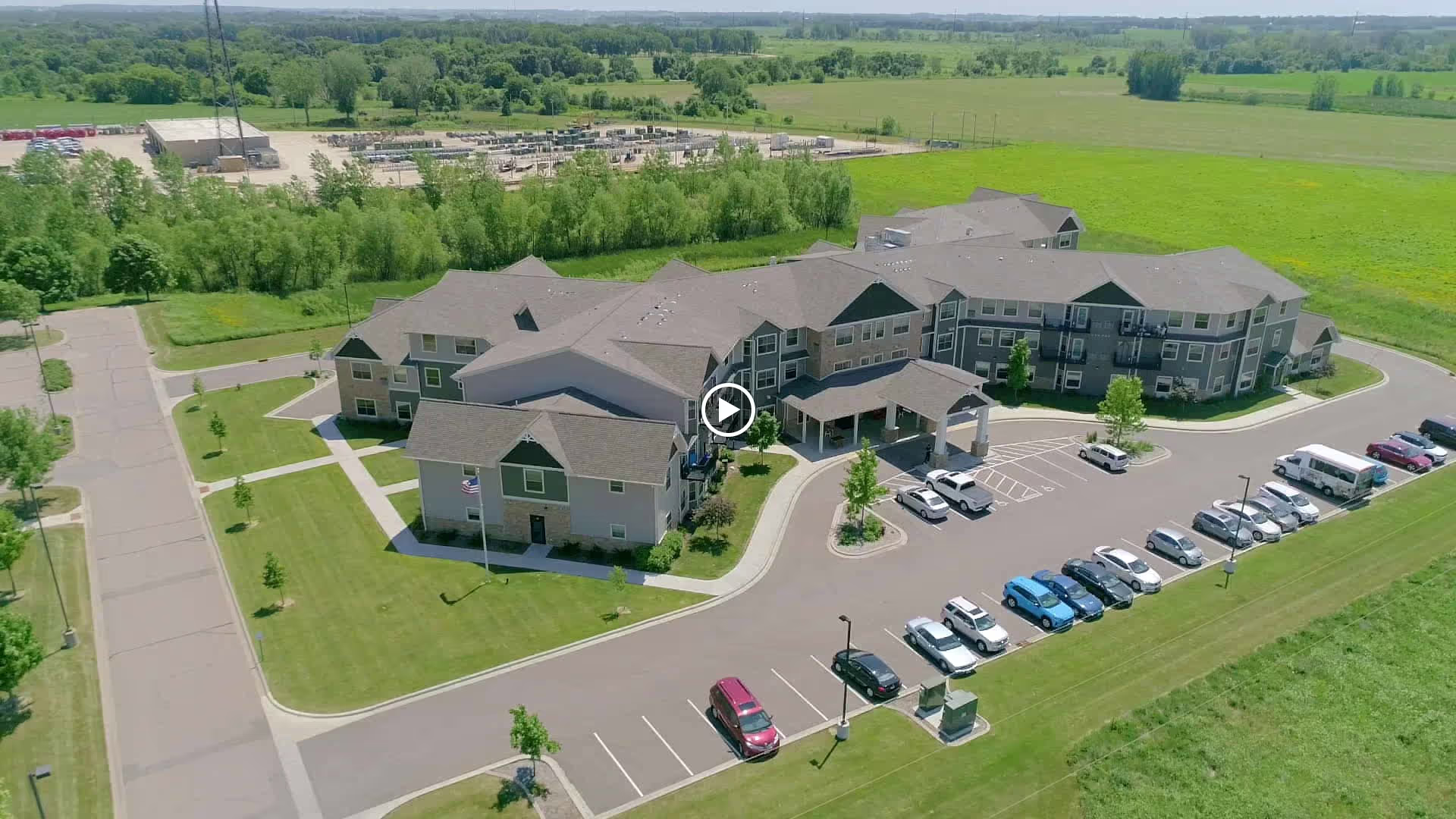
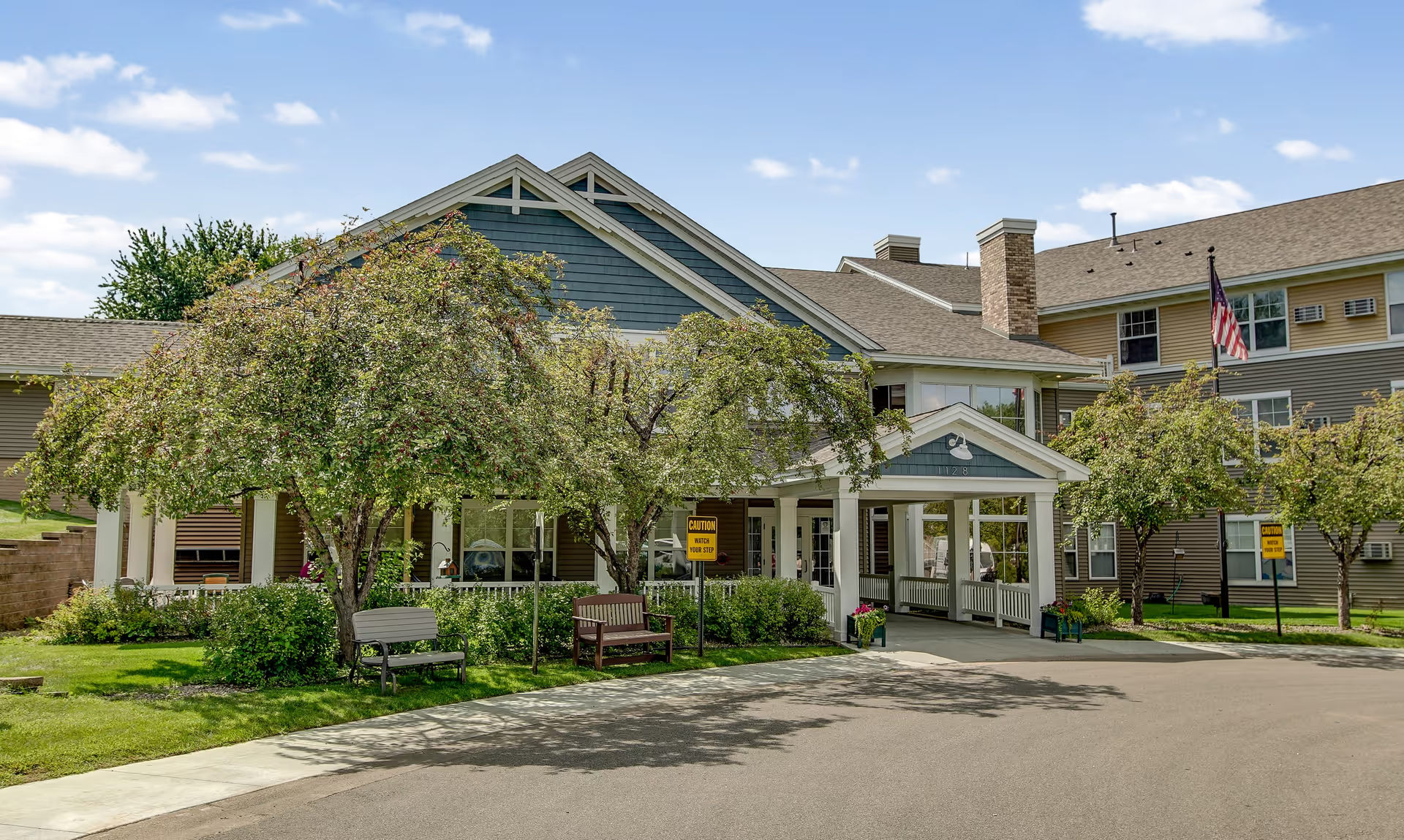
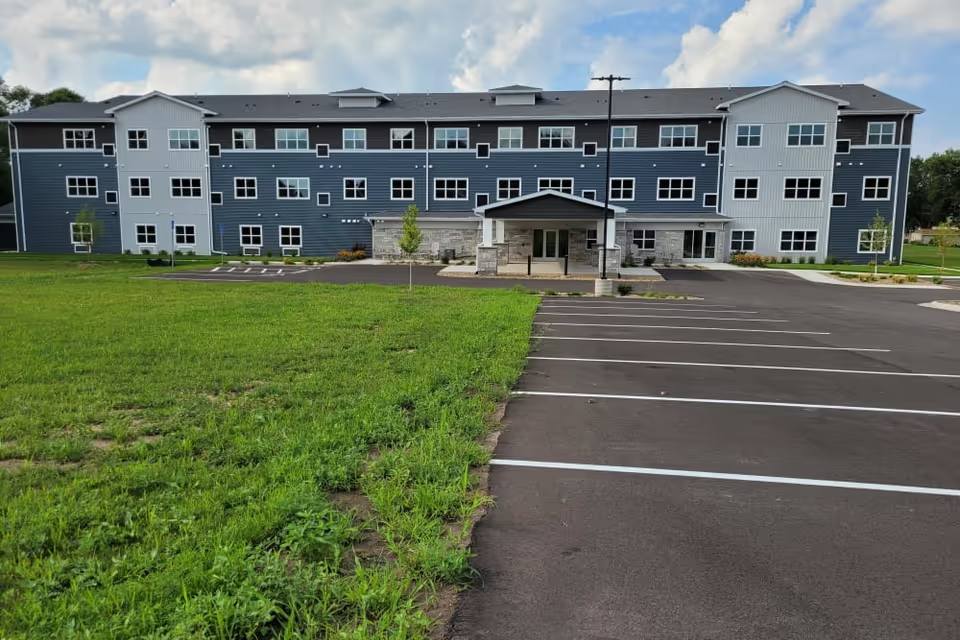
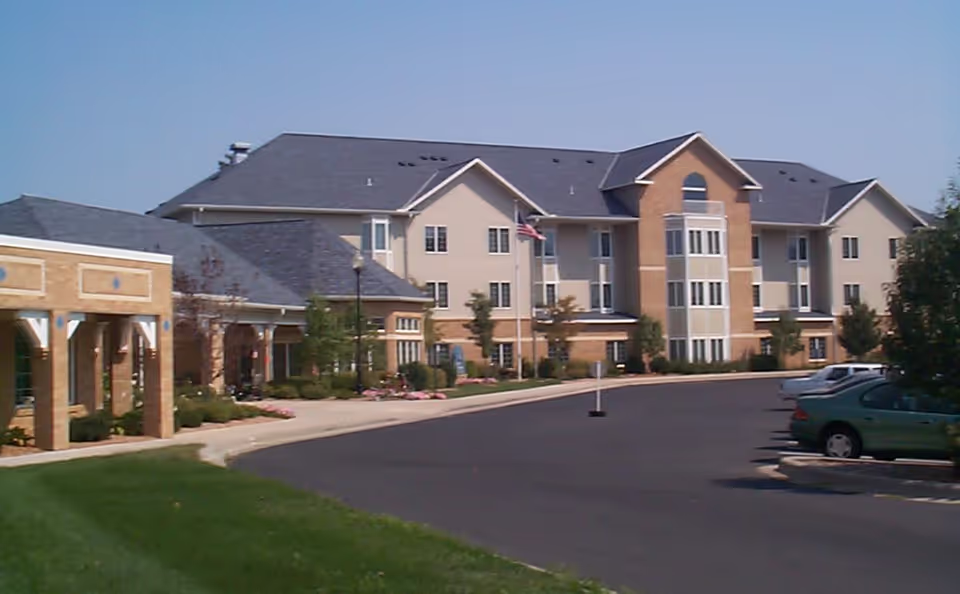
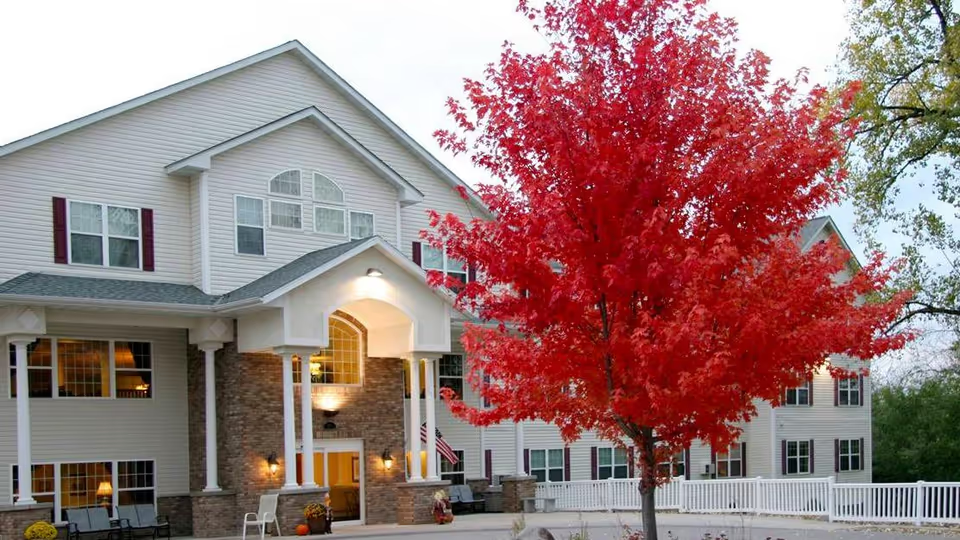
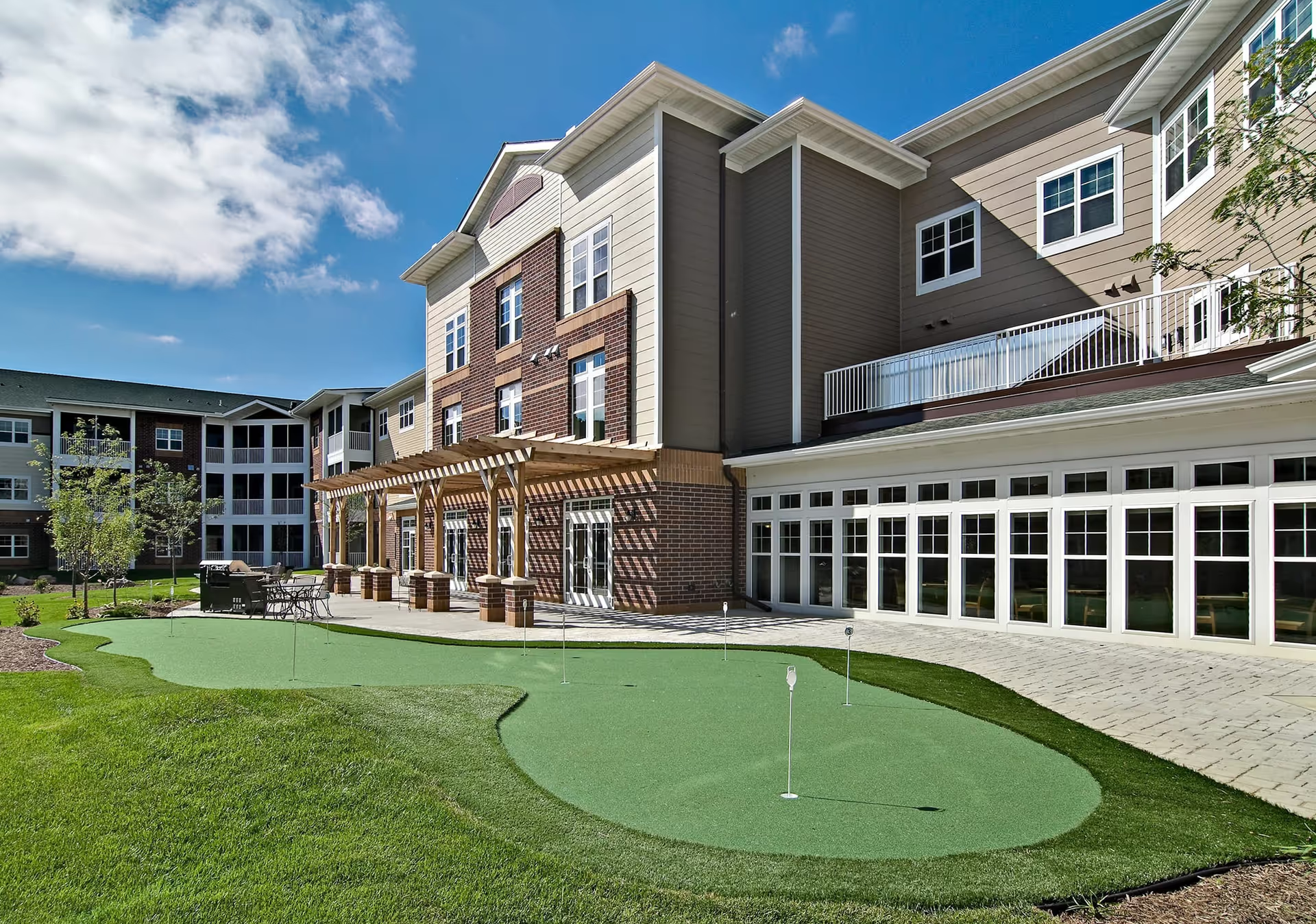
Facilities and maintenance: The campus, apartments, and common areas are often described as clean, bright, and well maintained, with options that include two-bedroom units and guest-room accommodations. Maintenance and housekeeping receive positive mentions for responsiveness. Nonetheless, some reviews indicate lapses in equipment and bedding maintenance, and there are specific concerns about handling and storage of personal property as well as isolated sanitation and odor issues in resident rooms.
Management and administration: Administratively, feedback is mixed. Positive notes include an open-door approach from certain managers and helpful onboarding and marketing staff. Conversely, there are persistent concerns about billing accuracy, unexpected price increases, delayed refunds, and difficulty obtaining timely answers to phone calls. A subset of comments describe more serious administrative interactions, including allegations of inappropriate pressure around move-out and issues with how family access to information is managed under POA rules. These items point to unevenness in follow-through and customer-service consistency at the administrative level.
Notable patterns and guidance: The community’s strengths—engaged staff, robust activities, quality dining, and generally well-kept facilities—make it appealing for many residents. The recurring operational weaknesses center on staffing consistency, memory-care supervision and medication practices, billing transparency, and property handling. Prospective residents and families would be prudent to inquire specifically about staffing ratios and turnover, memory-care security measures and medication protocols, written billing and refund policies, itemized move-in/move-out procedures for personal property, and family-communication protocols under POA. A careful, documented tour and direct conversations with clinical leadership and billing staff can help clarify whether the facility’s positives align with an individual’s priorities and risk tolerance.