Overview: Reviews reflect a mixed picture of Crest View on 42nd. Several commenters described a welcoming assisted-living environment with pleasant residents and some staff who deliver strong, compassionate support. At the same time, multiple operational concerns recur across reviews, producing uneven experiences for families and visitors.
Care quality: Concerns center on inconsistent delivery of personal care. Reviewers described extended delays in routine tasks such as bathing and raised broader incontinence-care and sanitation concerns. These accounts point to gaps in day-to-day personal-care timeliness and clinical oversight rather than one-off problems. A regulatory inquiry to the Minnesota Department of Health was mentioned, which families may interpret as an indicator that some care processes need review and corrective action.
Staff and responsiveness: Staff impressions are mixed. Several reviews singled out specific caregivers (for example, a staff member named Kiara) for excellent, attentive service and observed respectful resident interactions. At the same time, chronic understaffing and frequent shortages were reported, and phone and front-desk responsiveness were described as unreliable. Those patterns suggest variability in staffing levels and in administrative responsiveness that can affect both routine care and family communication.
Dining and activities: Dining quality was characterized as adequate by some reviewers — described as “food is okay” — indicating that meal service meets basic expectations but may lack consistency or higher-end options. Reviews did not provide extensive detail about organized activities; the positive note that residents appeared to enjoy visiting suggests a reasonable social environment, but activity programming consistency is not clearly documented in the feedback.
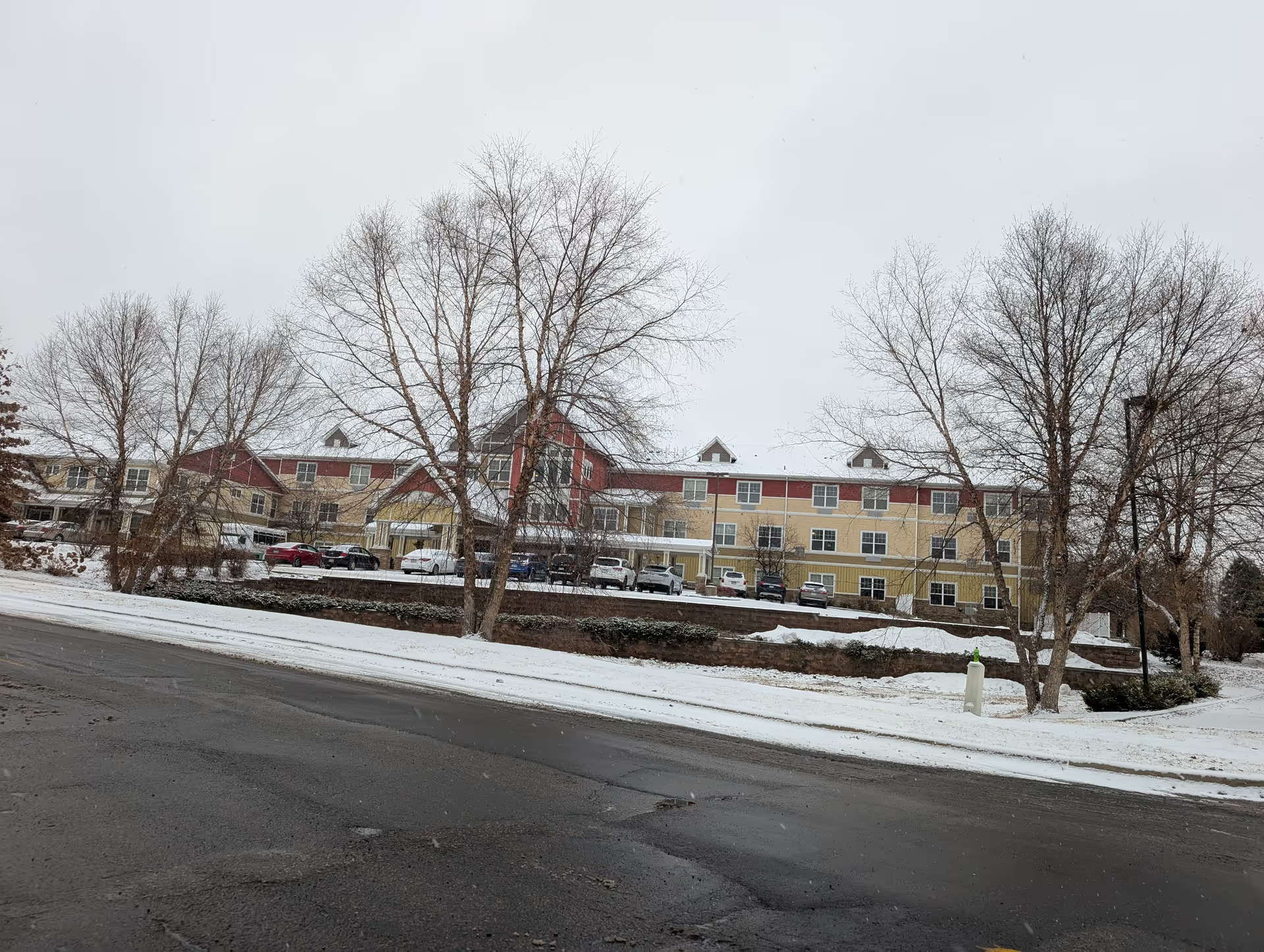
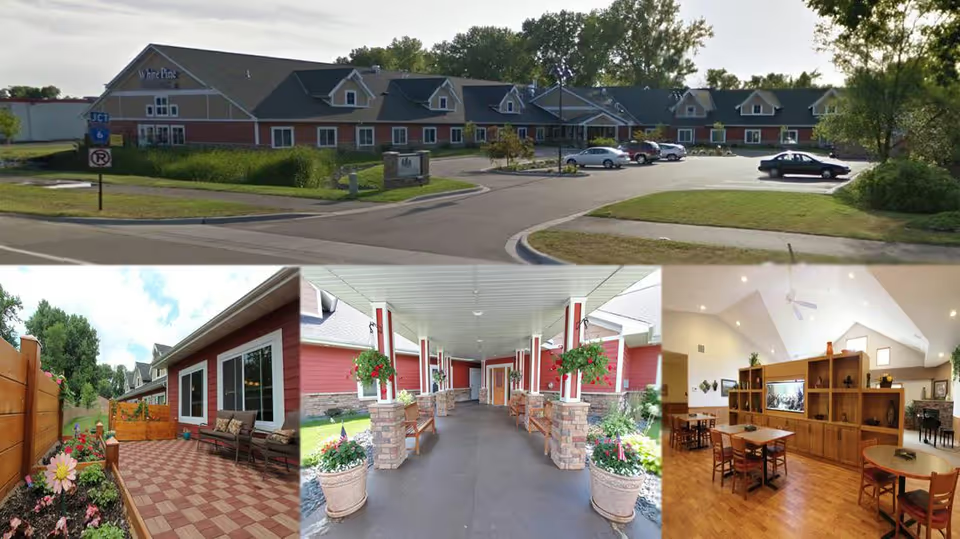
Facilities, housekeeping, and maintenance: Feedback about the physical environment is mixed. Some visitors described well-presented, even immaculate common areas, while other accounts raise concerns about inadequate housekeeping and poor maintenance in parts of the building. This mixture suggests variability in housekeeping and facilities upkeep across units or over time rather than uniformly high standards.
Management and policy issues: Themes around management include inconsistent enforcement of policies (notably a permissive approach to smoking in apartments) and perceived shortcomings in customer service. The combination of understaffing, maintenance gaps, and variable administrative responsiveness points to operational strains that leadership may need to address. The mention of a regulatory inquiry underscores the importance of clear corrective plans and transparent family communication.
Notable patterns and recommendation: The strongest positive signals are a welcoming assisted-living atmosphere, friendly residents, and individual staff members who perform well. The most significant operational risks are persistent staffing shortages, inconsistent personal-care delivery, uneven housekeeping and maintenance, and administrative responsiveness. Prospective residents and families should visit in person, ask for current staffing ratios, review recent inspection or regulatory records, inquire about bathing and incontinence-care protocols, and confirm the facility’s smoking policy enforcement before making placement decisions.