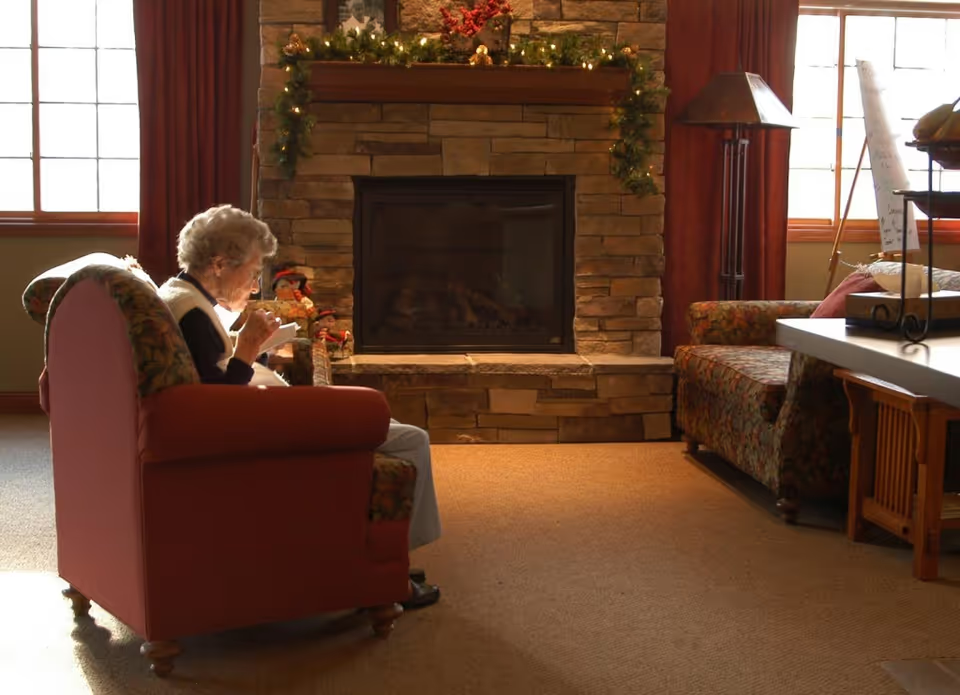
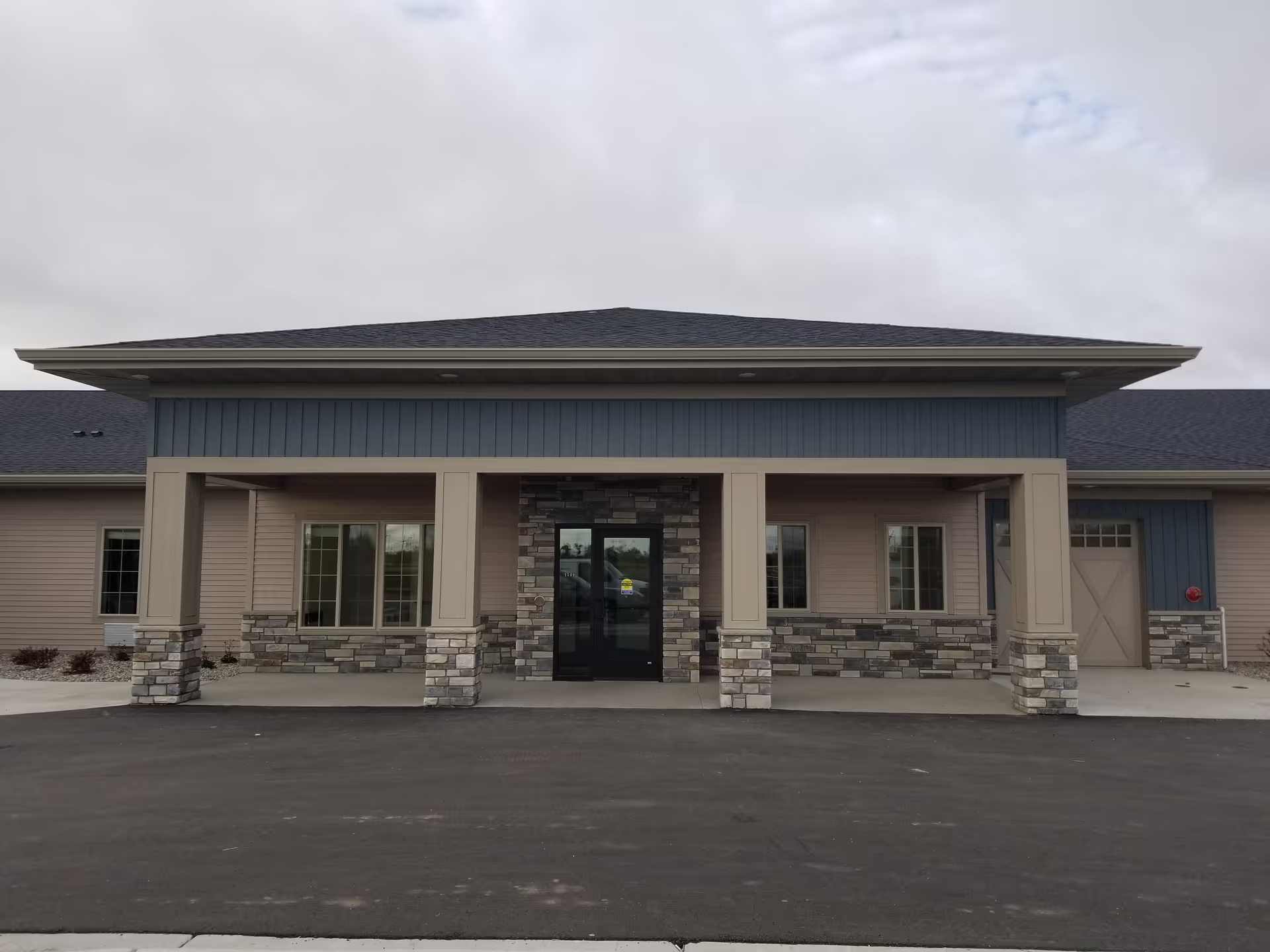
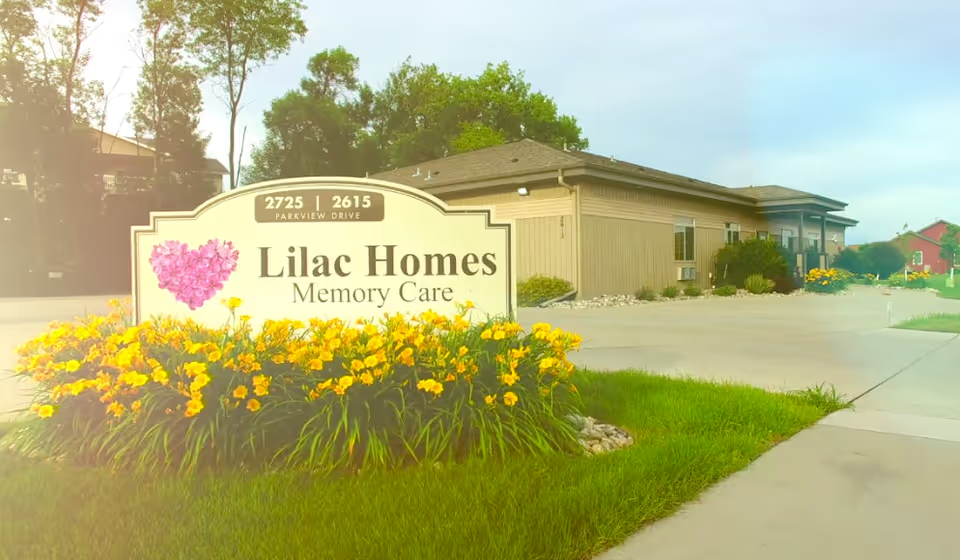
The overall impression of Essentia Health–Oak Crossing is mixed but leans positive in facility environment and social programming. Reviewers consistently note a clean, updated building with well-maintained common areas, appropriately sized resident rooms, and a home-like atmosphere. The community offers a broad activities calendar—bingo, live music, chapel services, ice cream socials, and seasonal outings—which families describe as contributing to social engagement and quality of life. The site also appears to be in demand, with a waiting list indicating community popularity.
Care quality and staff performance show a clear split in experiences. Many accounts describe compassionate, relationship-focused caregivers and nursing staff who make regular visits, encourage eating, and provide timely assistance for toileting and other daily needs. Clinical staff are often described as knowledgeable, and families have praised examples of strong resident support. Conversely, other accounts point to operational weaknesses: staffing shortages that affect consistency of care, uneven responsiveness from nursing assistants, and specific incontinence-care concerns when help is delayed. There is also variation reported between departments, with differences in perceived quality between inpatient/acute areas and emergency or primary-care interactions.
Dining and clinical services present a mixed picture. Hospital dining has been singled out positively by some families for meal quality. Residential dining is less frequently commented on but does not appear to be a dominant complaint. For clinical coordination, some reviewers cite uneven performance among external or specialty services (for example, emergency-room interactions or primary-care continuity), suggesting that care experience can depend on the specific unit or provider involved.
Management and policies have both strengths and limitations. During public-health restrictions, visitation was initially constrained, but staff flexibility and later accommodations were appreciated by families. At the same time, concerns about staff morale, occasional unhelpful or inattentive interactions, and variability in frontline conduct indicate areas where management attention to retention, supervision, and training could improve consistency. Prospective residents and families would benefit from asking about current staffing levels, typical response times for personal-care assistance, departmental differences in clinical coverage, and current visitation policies.
In summary, Essentia Health–Oak Crossing presents strong assets in physical environment, social programming, and many instances of attentive, relationship-oriented care. The primary operational risks identified are staffing consistency and variability in responsiveness and provider performance. Those factors appear to drive the divergent experiences families report, so evaluating shift coverage, unit-specific practices, and management plans for addressing staffing and morale will be important for prospective residents seeking predictable, continuous care.