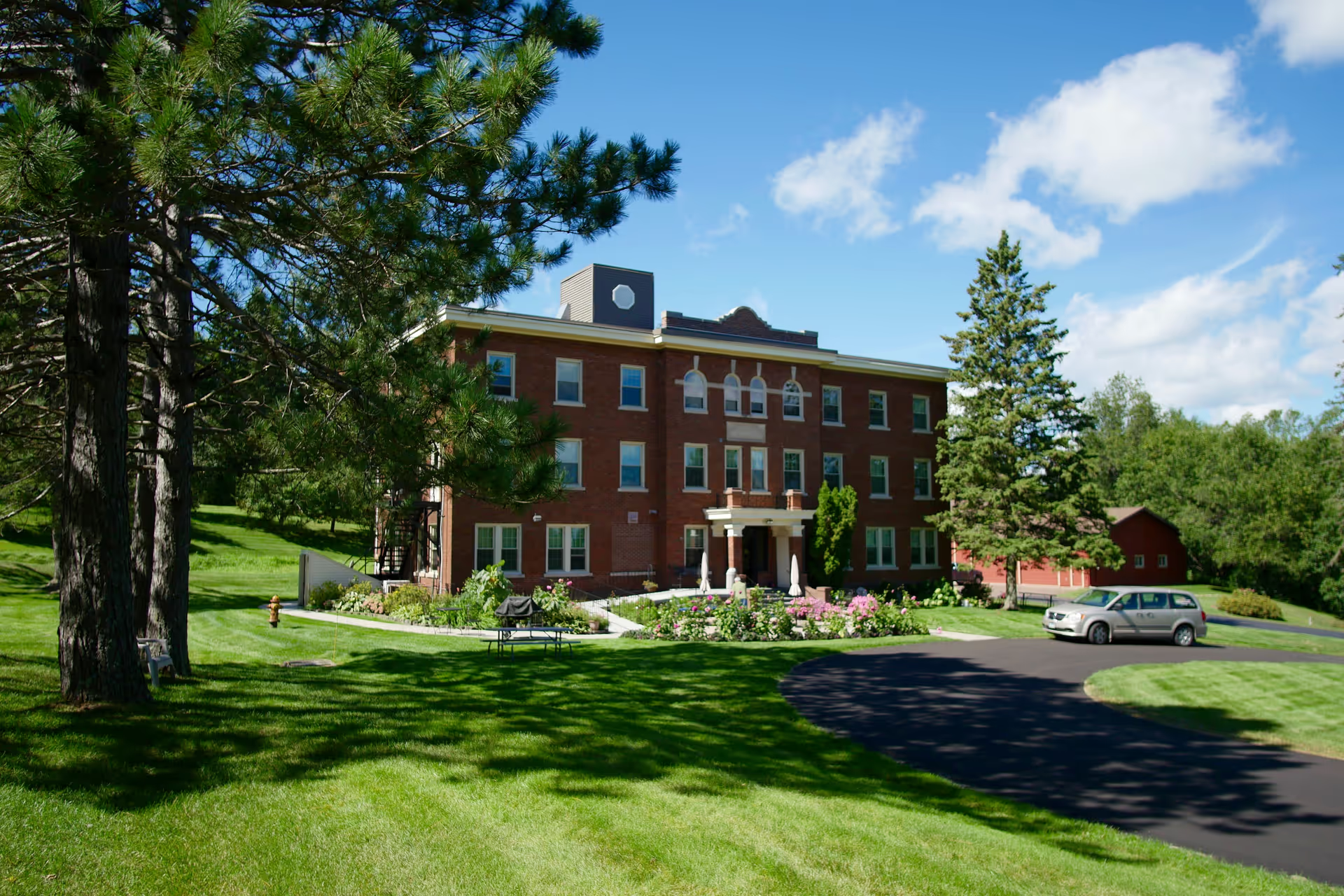
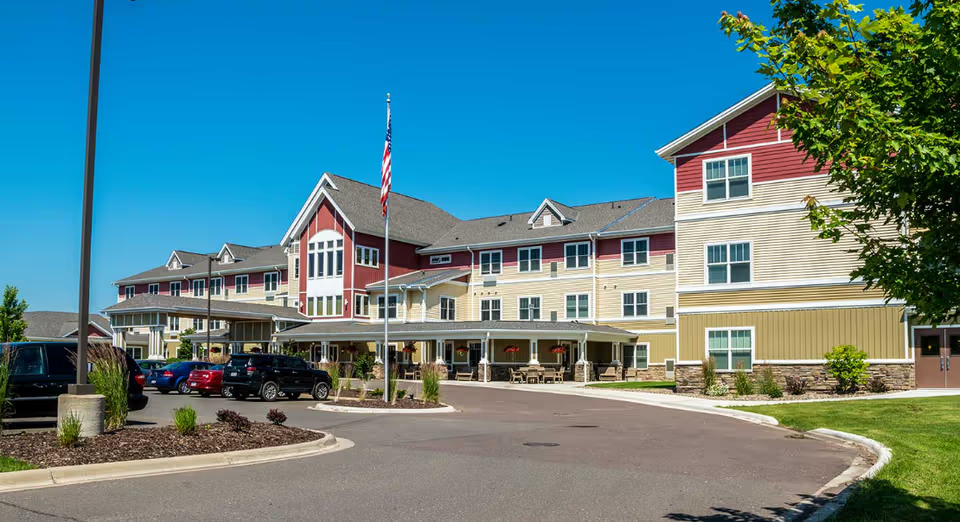
Reviews of Ecumen Lakeshore describe a facility with strong physical assets and many satisfied residents alongside recurring operational challenges. The campus, amenities and short-term rehabilitation services receive consistent praise: reviewers highlight attractive, well-maintained surroundings, private rooms with en-suite bathrooms, lake views, and a range of on-site amenities such as a chapel, gym, meeting rooms and a gift shop. Physical and occupational therapy are frequently called out as effective, and the activity program (yoga, exercise classes, coffee hour) is viewed as robust and engaging.
Care and staffing perceptions are mixed. Numerous accounts emphasize compassionate CNAs and nurses and positive, professional interactions. At the same time, there is a recurring pattern of inconsistent staffing levels and variability in clinical training that manifests as delays in personal care (for example, long waits for showers) and in medication administration. Several reviews point to gaps in clinical monitoring and follow-up—examples include missed or delayed responses to acute status changes and insufficient follow-up on chronic conditions such as high blood pressure. These items suggest operational weaknesses in care continuity and clinical oversight.
Dining and social programming are generally strengths. Many reviewers describe timely, hot meals and multiple dining formats (dining room service, grab-and-go, in-home dining) and praise the food quality and presentation. A small number of accounts mention food served cold, indicating some inconsistency in meal delivery rather than a systemic absence of dining services. Activities and wellness offerings are well-regarded and contribute to a homey atmosphere.
Facility management and financial practices are another area of divergence. The community is positioned as a higher-end option with corresponding amenities, but several reviews note recurring rent increases and additional user fees (telephone, specialty televisions, garage), which may affect overall affordability. Communication and discharge coordination are also called out as problematic in multiple comments: missing discharge paperwork, lack of escort at discharge, and insufficient information about follow-up appointments point to process and handoff weaknesses that families should review closely. There are also isolated concerns about non-clinical staff interactions with families during sensitive moments.
Overall pattern and guidance: many residents and families report positive experiences driven by the campus environment, therapy services, and caring front-line staff. However, a consistent countervailing pattern centers on operational gaps—particularly staffing consistency, clinical follow-up, discharge procedures, and fee transparency. Prospective residents and decision-makers should weigh the strong amenities and therapy programs against these operational considerations, and when touring the site ask specific questions about current staffing ratios, medication administration protocols, discharge and care-transition processes, fee escalation policies, and examples of how the facility monitors and documents changes in clinical status.