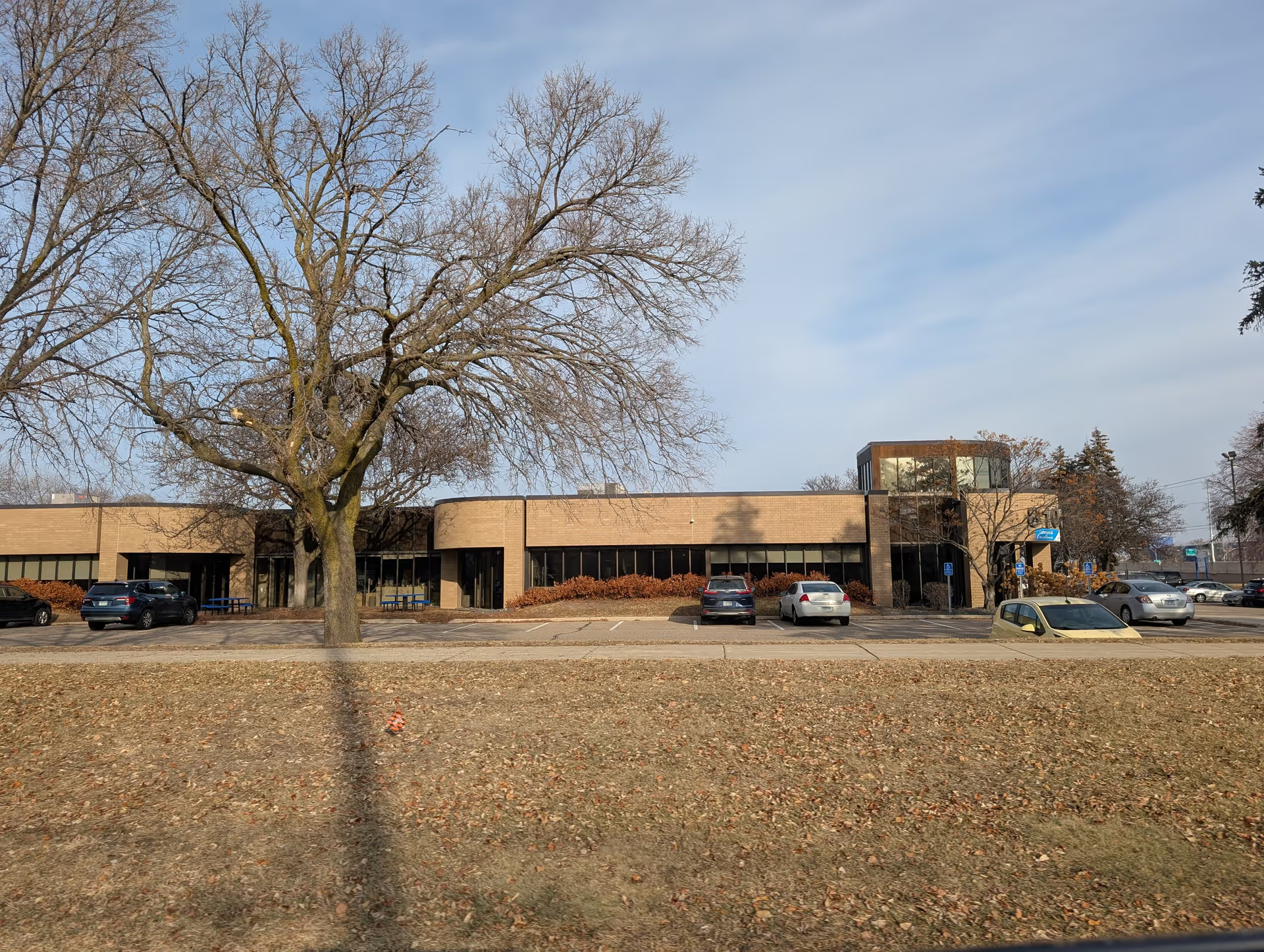
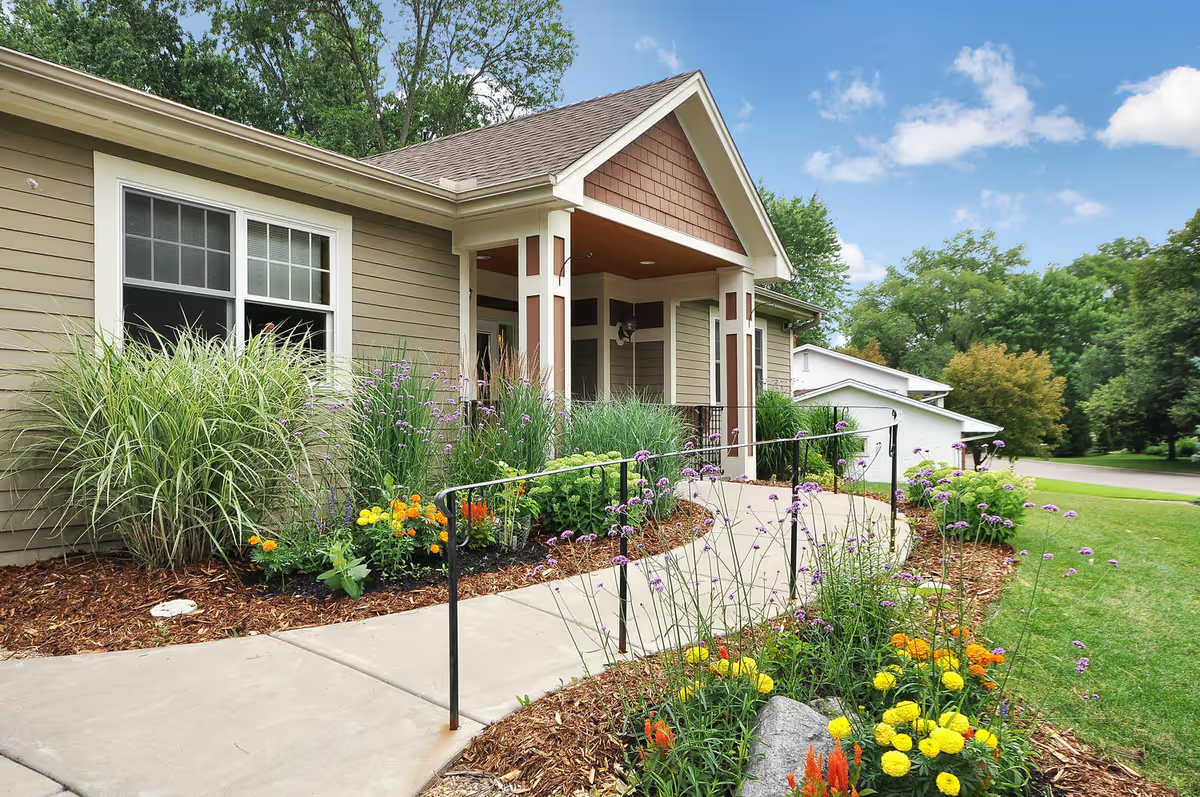
Brookdale Eagan presents as a memory-care–focused community with many of the structural elements families often seek for dementia and Alzheimer’s care: a small single-level layout, specialized programming, and staff trained to support cognitive needs. Numerous accounts emphasize compassionate caregiving, strong life-enrichment programming (music therapy, tailored activities, chair exercises, Solace/ calming rooms), helpful move‑in support, and an overall homelike atmosphere with courtyards, salon and fitness amenities. Several reviewers described positive transitions, visible resident engagement, and good partnerships with outside therapy providers, which together suggest the community can deliver a high level of dementia-specific daily programming for the right resident profile.
Care quality and staffing receive mixed signals. Many families praised individual caregivers and activity staff for their attentiveness, patience and ability to personalize care; others raised operational concerns tied to staffing levels and turnover. These operational weaknesses manifest as inconsistent responsiveness to clinical needs, examples of medication-administration lapses, and delayed follow-up after incidents. There are also repeated notes about variability in how end‑of‑life situations and hospice coordination are handled; some families reported good continuity and communication, while others described billing and coordination disputes. Prospective families should ask direct questions about current staffing ratios, med‑pass procedures, and end‑of‑life protocols during a tour.
Dining, housekeeping and infection-control items were another area of divergence. Several reviewers praised the menu and meal service, calling food “top notch,” while others reported inconsistent food quality, limited variety, and concerns about hydration and meal offerings. Housekeeping and maintenance were generally described as adequate to very good by many visitors, but a noticeable cluster of comments highlights sanitation and odor concerns in certain rooms or common areas, intermittent pest-control issues, and inconsistent laundry/linen service. These suggest variability between units or shifts rather than a uniform standard across the campus.
The activity program and amenities are frequently cited as strong points: robust calendars, therapeutic outings, salon services, small-group activities, and secure outdoor spaces provide stimulation and social engagement appropriate for many stages of memory loss. The facility’s single-floor, smaller scale and town‑square common areas were repeatedly noted as contributing to a comfortable, less institutional environment. That said, some reviewers observed that not all rooms include in-room showers and that bathing is managed in a centralized spa area; families should confirm bathroom and bathing arrangements to match a resident’s mobility and safety needs.
Management, transparency and pricing appear to be recurring themes. Several reviewers commended on-site leadership and clear, frequent family communication; others described leadership turnover, perceived management self-interest, surprise fee practices, and opaque add‑on charges. A few accounts raised concerns about admission/bed allocation decisions and pricing changes that families found difficult to reconcile. Those considering Brookdale Eagan should request a written fee schedule, clarify refundable deposit and post‑mortem billing policies, and get specifics about what is included versus charged a la carte.
Overall, Brookdale Eagan offers many elements of a strong memory-care community—trained staff, engaging programming, homelike design, and useful amenities—but reviews indicate variability in operational execution. The community can be a good match for families prioritizing dementia-specific activities and a small, single-level environment. Before committing, prospective residents and families should tour during active hours, speak with the director about current staffing and clinical protocols, review recent inspection or infection‑control records if available, and obtain clear written information on billing, bathing arrangements, medication procedures, and housekeeping standards to assess fit and consistency.