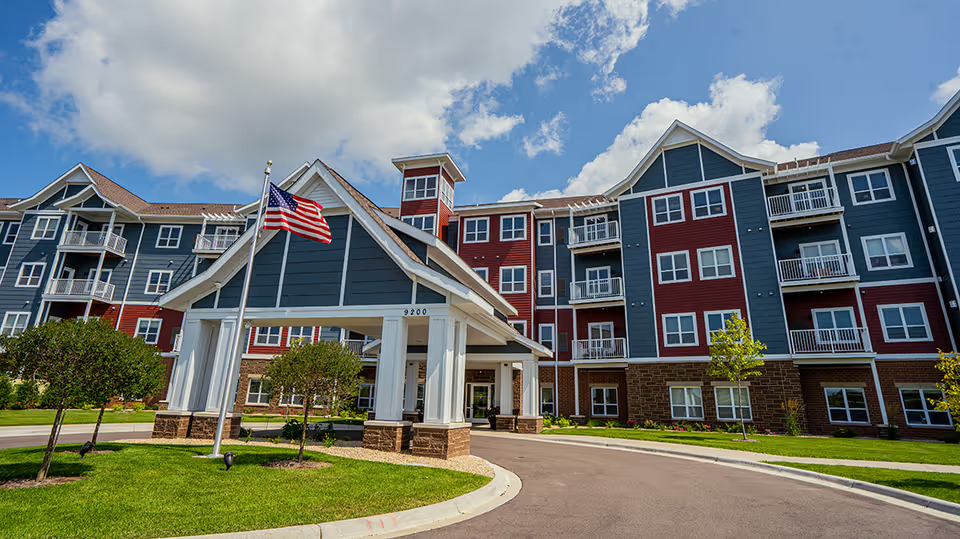
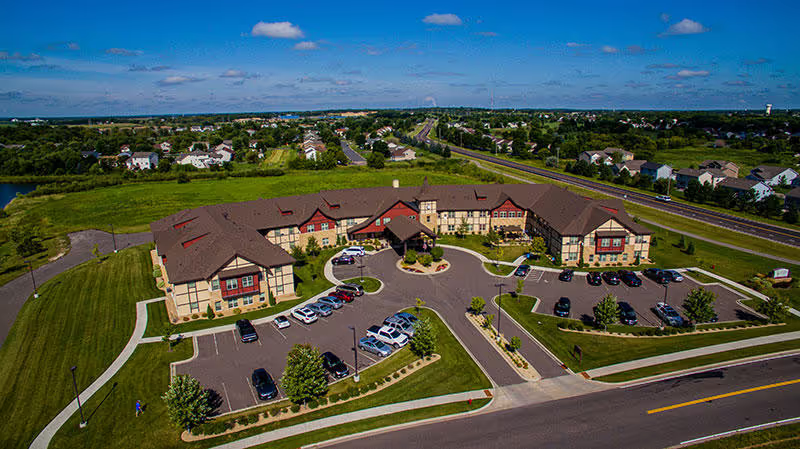
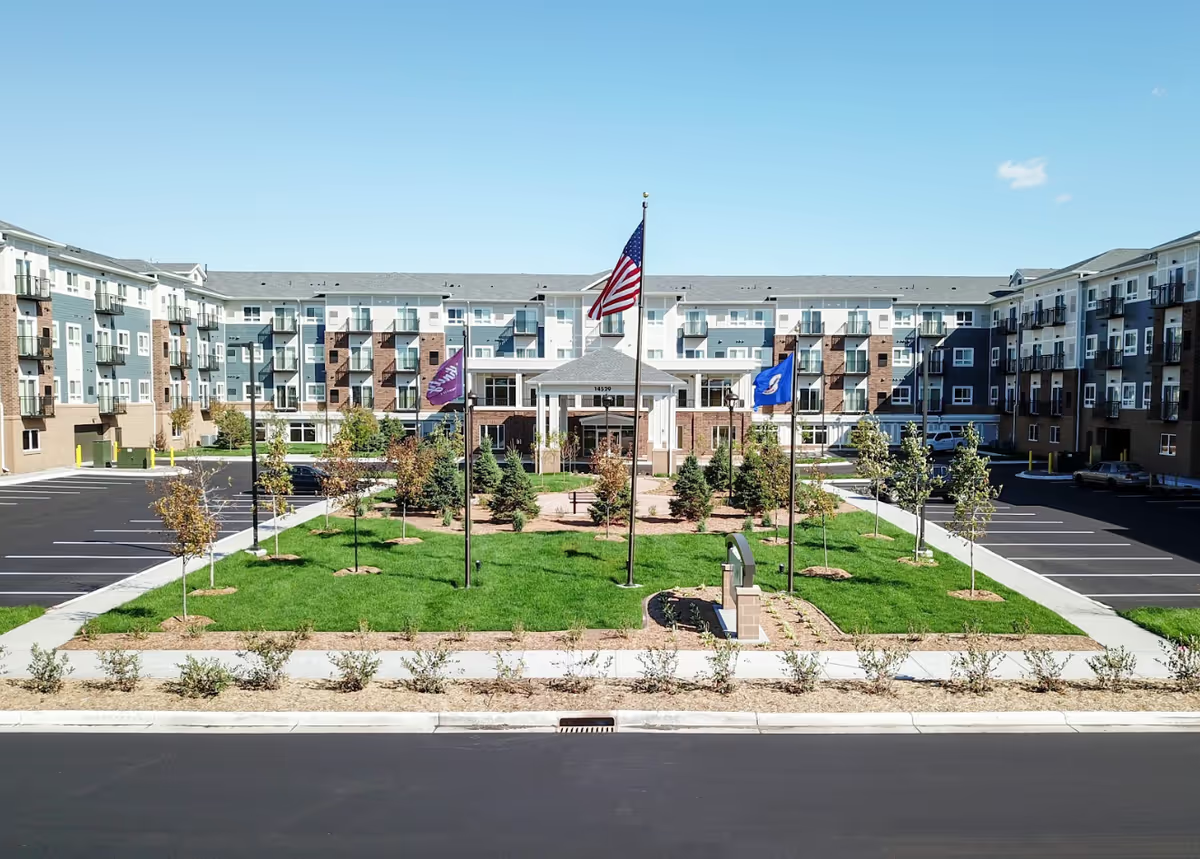
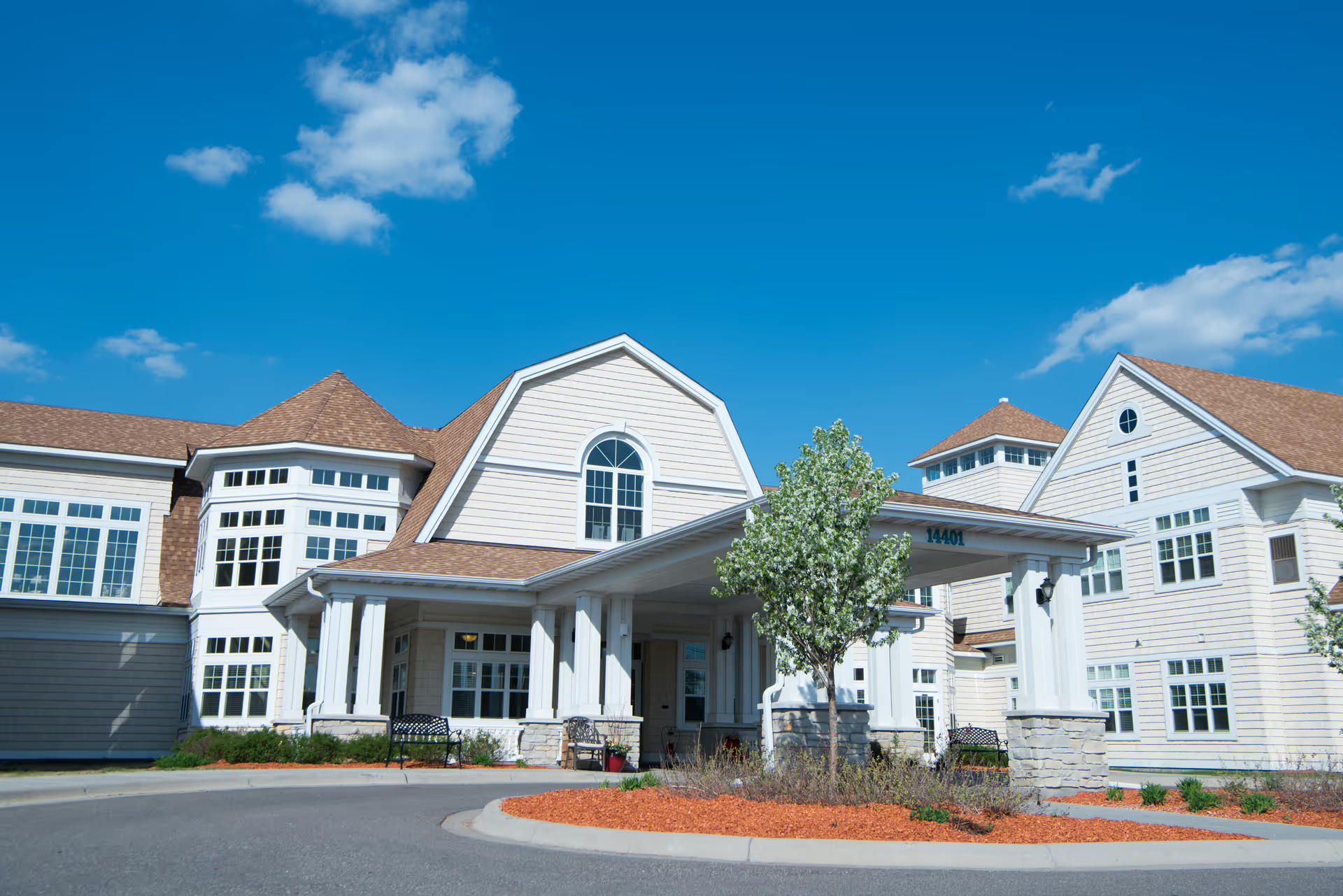
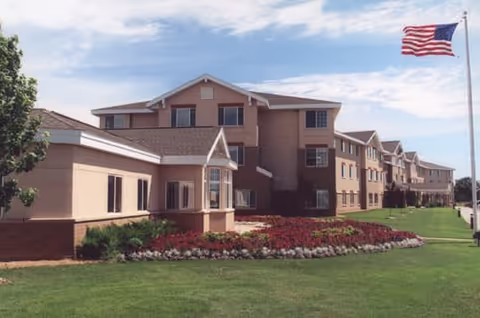
Guardian Angels Care Center presents a mix of clear strengths and recurring operational concerns. Physically, the facility is described as a spacious, single-level campus with well-maintained common areas, a pleasant courtyard and multiple visiting spaces. Resident accommodations are often characterized as roomy and comfortable with en-suite bathrooms, and the site offers a range of on-site amenities including a salon, health-club-style therapy space, gift shop, and a restaurant-like dining room. Therapy services (PT/OT) receive frequent positive mention for clinical skill and follow-through, and several accounts describe a home-like atmosphere and family-friendly location.
Dining and social programming are notable positives for many families. The facility provides restaurant-style meals with flexible delivery options to rooms and runs an active calendar of social and spiritual activities such as bible study, singing, bingo, cards, games, and regular church services. Staff members — particularly nursing aides and therapy personnel — are often described as compassionate, attentive, and effective in pain management and rehabilitation support. Administrative support around finances and admissions is also cited as helpful by several families.
Despite these strengths, reviews identify several consistent operational weaknesses. Staffing levels appear variable; families report periods of limited availability that lead to delayed assistance with toileting and other personal needs. There are recurring concerns about medication administration and clinical follow-through, including missed doses and inconsistent nursing communication. Related clinical-safety issues include gaps in pressure-ulcer prevention and wound monitoring. Meal quality and temperature control are inconsistent across accounts, with some praising the food and others describing it as poorly served. Reviewers also raise issues around billing transparency, including surprise fees and unclear invoicing, and note instances of problematic communication during hospital transfers or end-of-life transitions.
Safety and management practices are additional areas to evaluate. Some observers identified weaknesses in building security and access control, and a small number of serious claims allege retaliatory handling and inadequate investigation of staff-conduct concerns. These are significant governance and oversight items that prospective residents and families should probe further.
Recommendations for prospective residents and families: tour the facility at different times of day to observe staffing levels and meal service; ask for details about staffing ratios, on-duty nursing coverage, and contractor/vendor practices; request written policies on wound-prevention, skin-assessment frequency, and medication administration; clarify billing practices and any private-room fee policies in writing; inquire about incident-reporting procedures, how staff-conduct concerns are investigated, and recent regulatory history or complaint resolutions. Balance the facility’s strong therapy program, pleasant environment, and active social calendar against the operational areas noted above when making a placement decision.