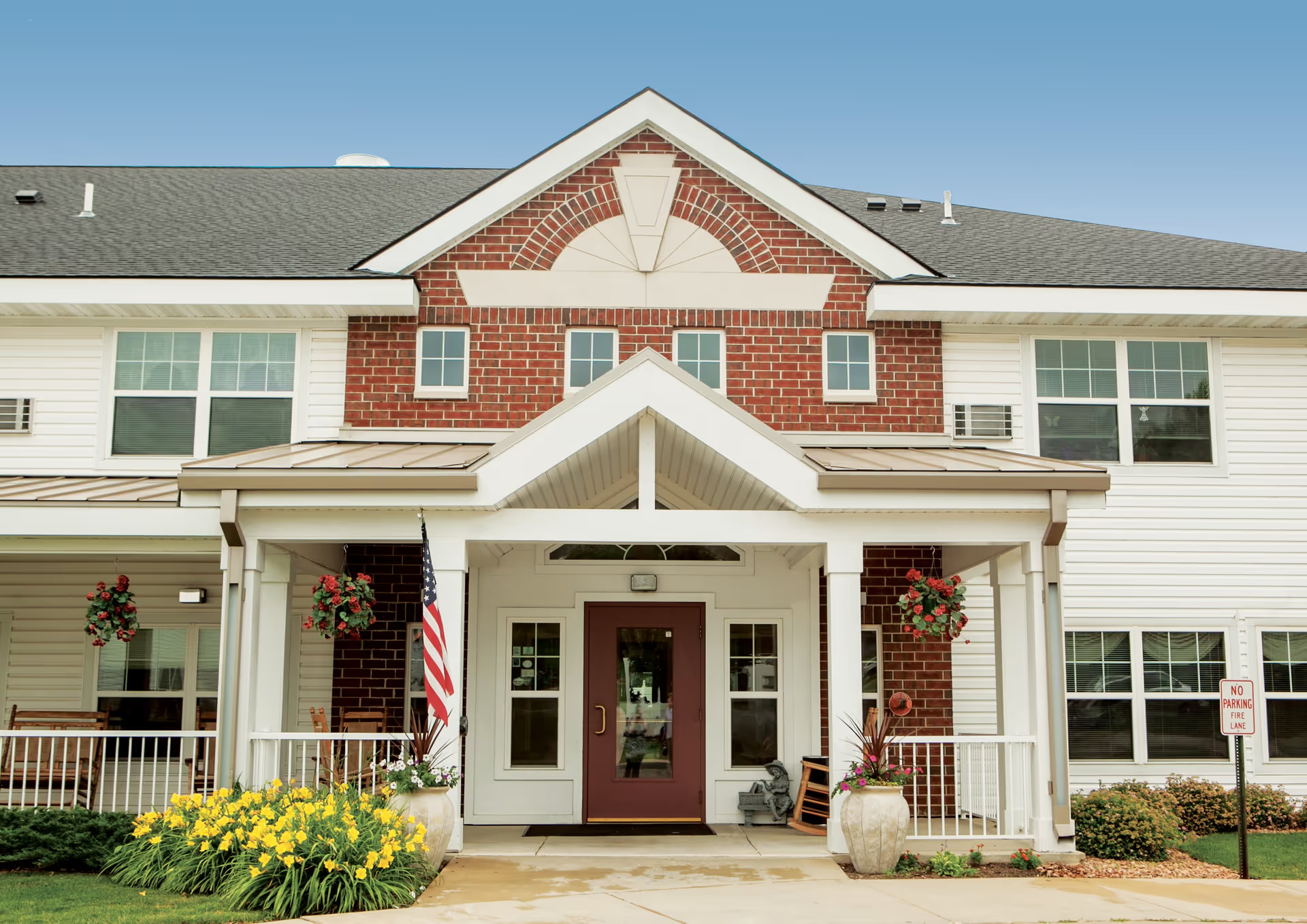
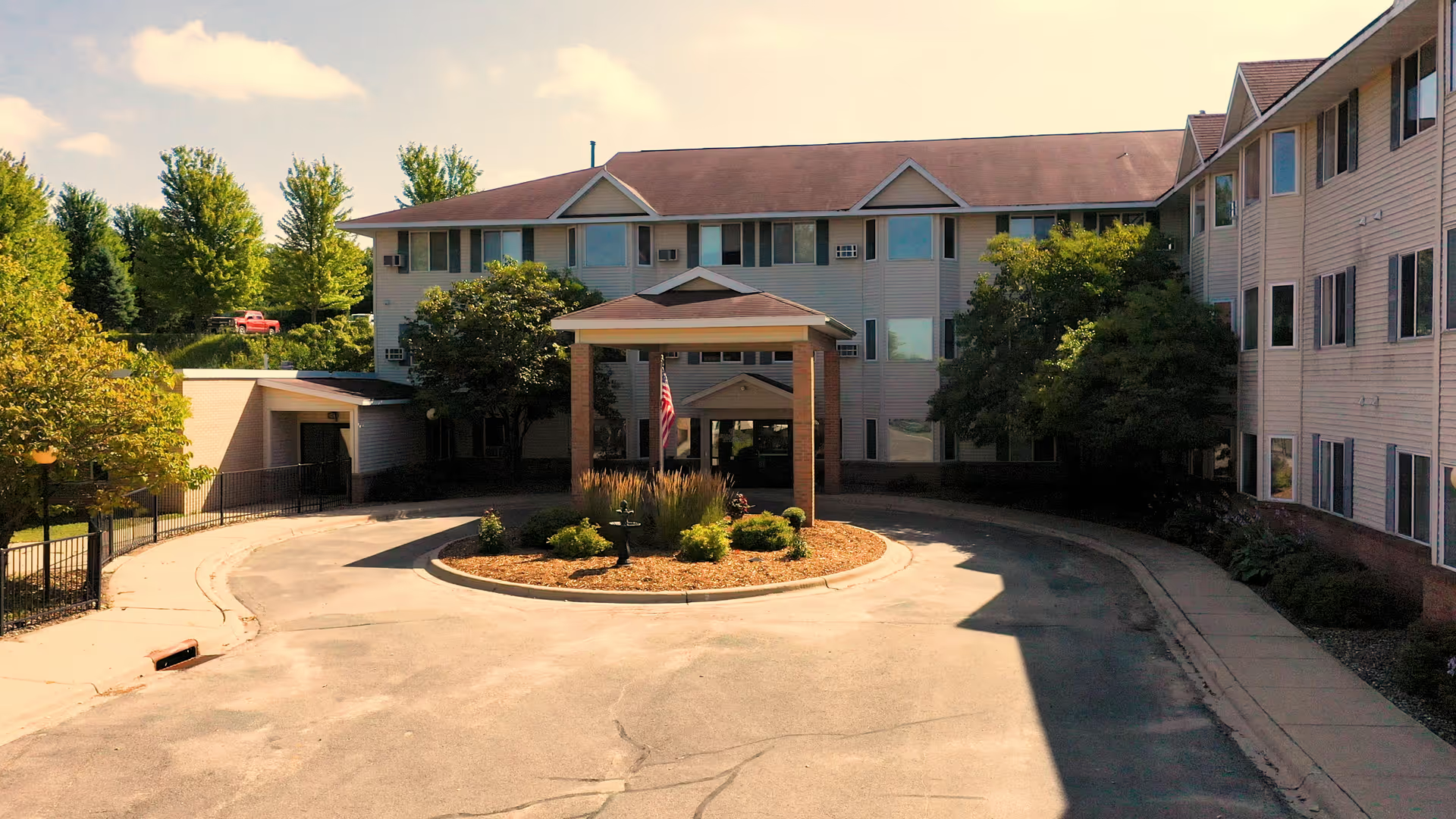
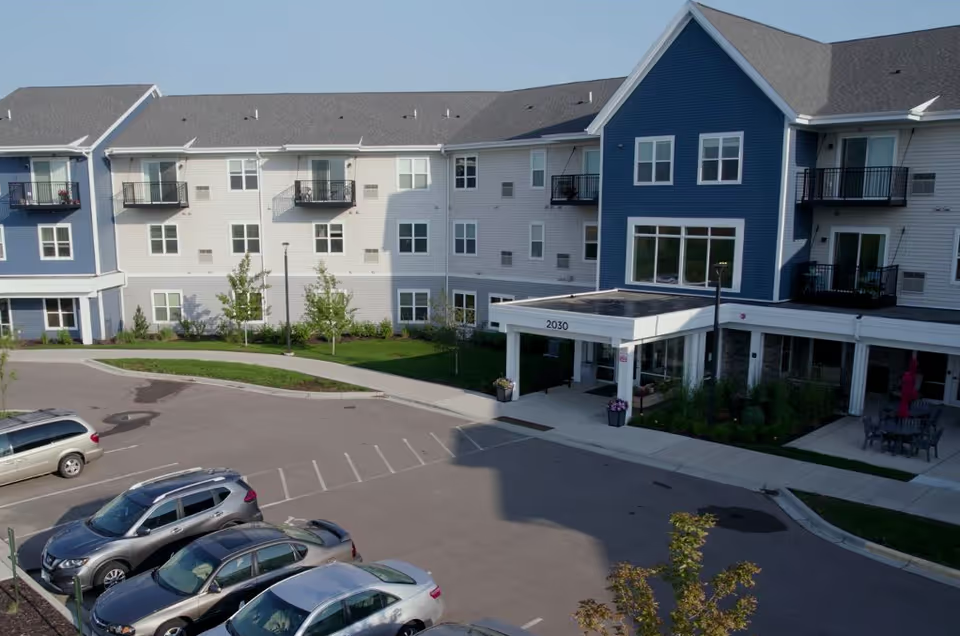
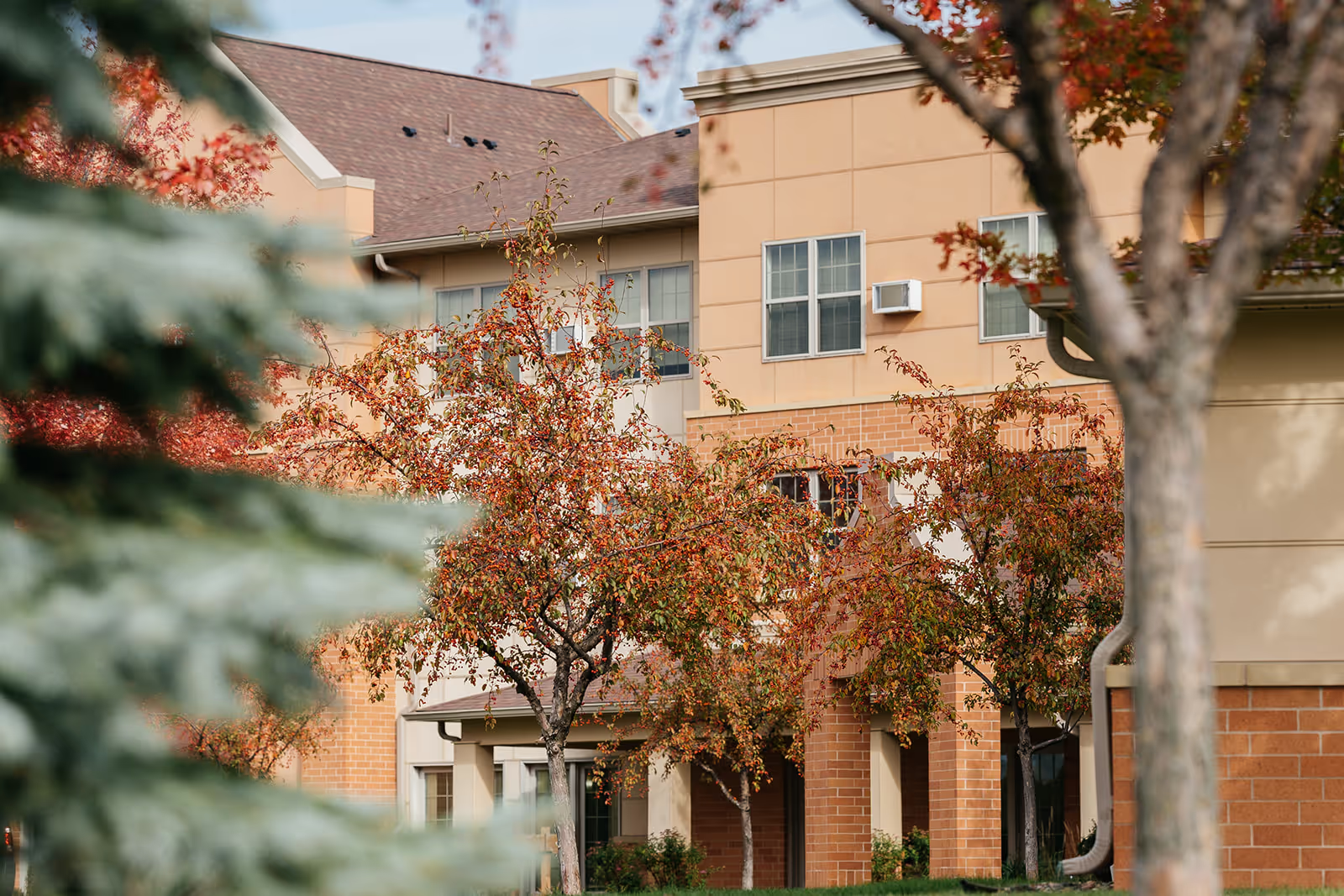
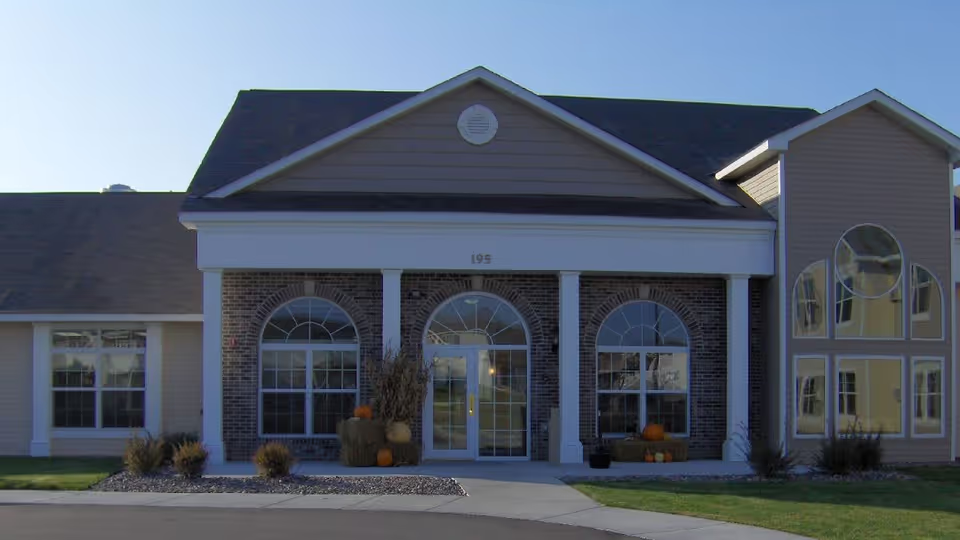
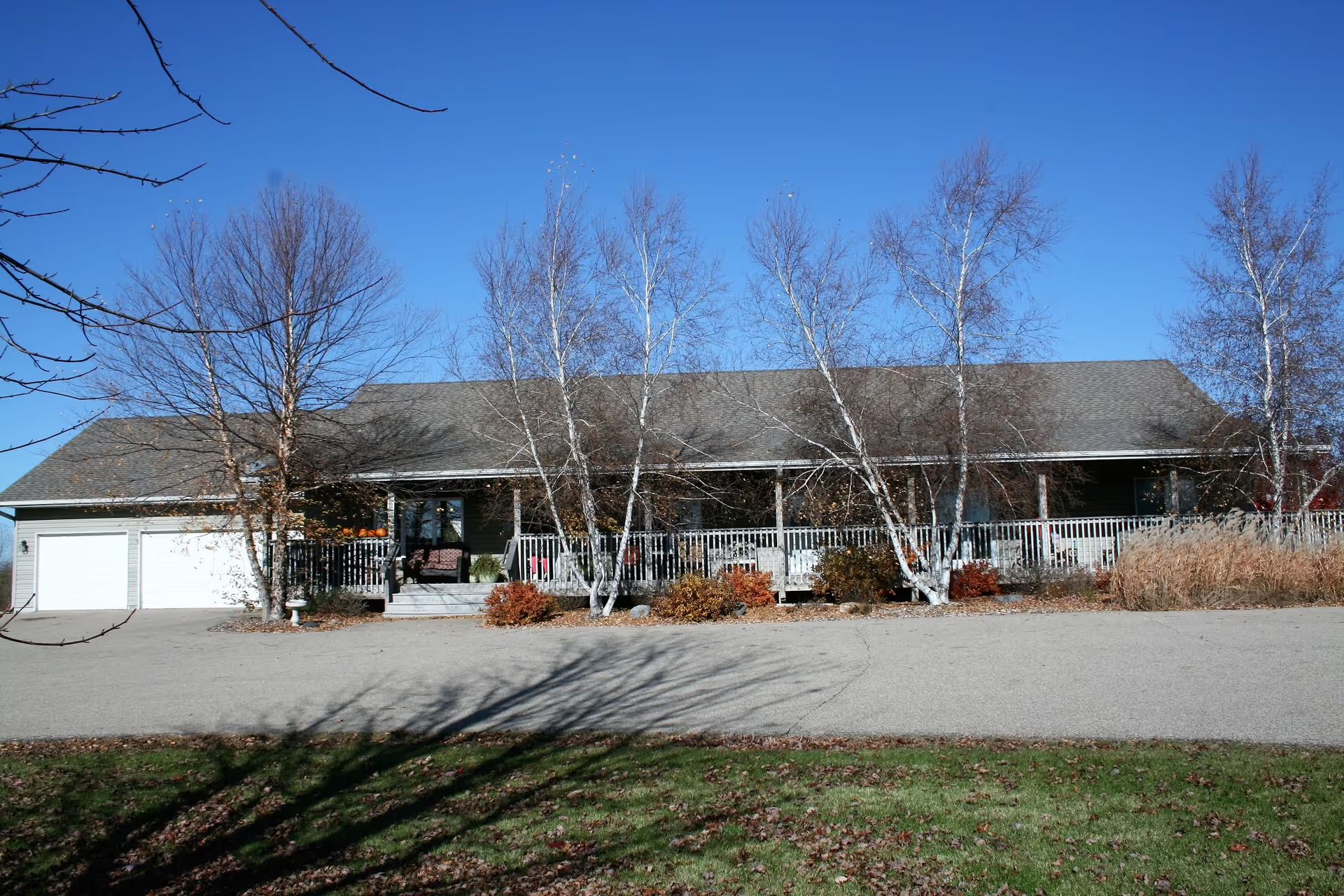
Mill City Senior Living presents as a newer, well-kept senior living community with a range of physical amenities that many families find attractive. The building and apartments are frequently described as modern and clean, with features such as full kitchens, in-unit washers and dryers, large bathrooms, walk-in closets, indoor parking, a workout room, and multiple dining areas. Dining is a notable strength for many residents: meals are included, there are two dining rooms, private dining options, and an on-site restaurant that serves residents and the public. Overall, the facility's physical environment supports independent living and social engagement.
Staff and daily care receive largely positive feedback for compassion and resident connection. Numerous accounts emphasize friendly, attentive caregivers who know residents and family members by name, maintain pandemic-conscious safety practices, and provide hospice and end-of-life support when needed. Families commonly describe smooth move-ins, helpful touring staff, and staff who go beyond routine duties to maintain resident well-being and social ties. Activity programming and social opportunities are cited as contributors to a home-like atmosphere and rapid resident adjustment.
At the same time, there are recurring operational concerns that prospective residents and families should weigh. Review patterns point to leadership instability and elevated staff turnover, which correlate with inconsistent care delivery in certain units and longer wait times for assistance. Memory-care services are an area of particular concern: reviewers indicate gaps between promised programming and what is available, with uneven activity continuity and oversight. In addition, some families raised issues around billing, documentation, and transparency that would merit direct clarification during the selection process.
In summary, Mill City Senior Living offers strong physical amenities, convivial dining options, and many examples of compassionate, engaged caregiving. However, organizational and operational challenges — especially related to administrative stability, staffing levels, memory-care programming, and financial transparency — have been raised often enough to recommend targeted questions during a tour. Prospective residents should confirm current staffing ratios, observe memory-care activities in person, review billing and contracting practices, and ask about leadership tenure and contingency plans for staffing to form a complete picture before committing.