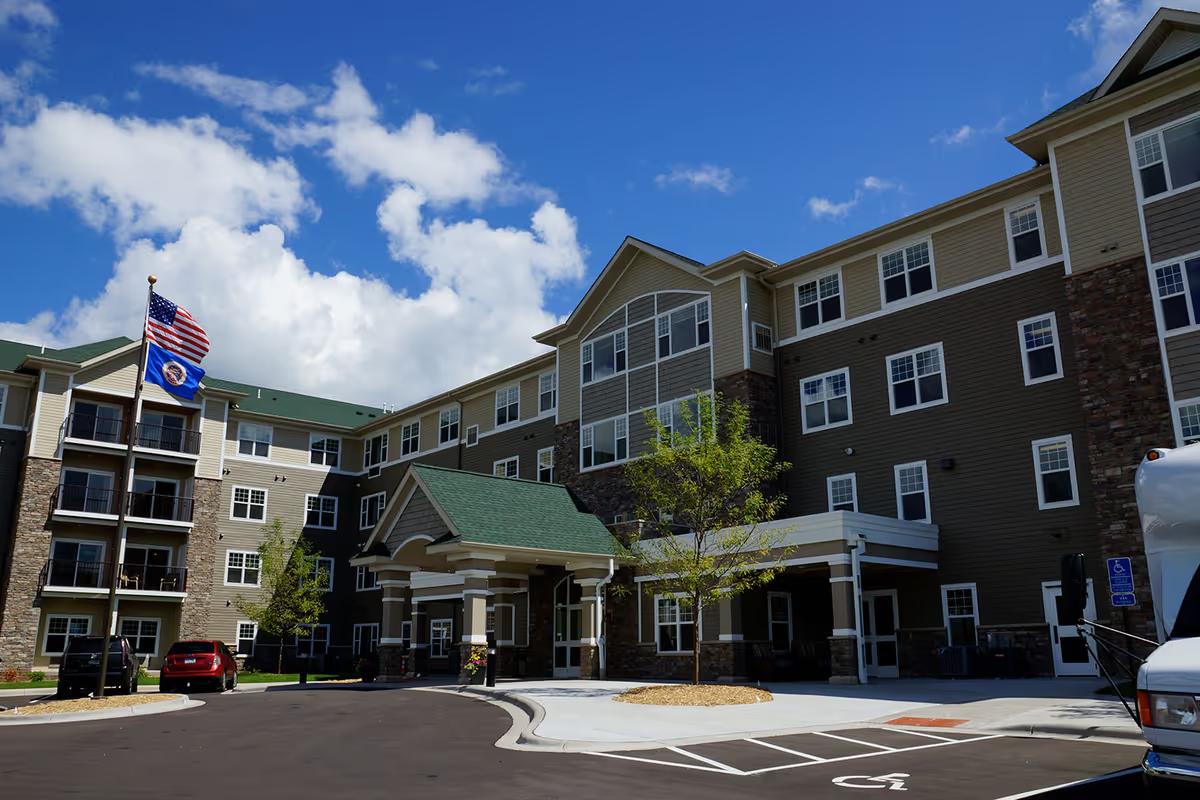
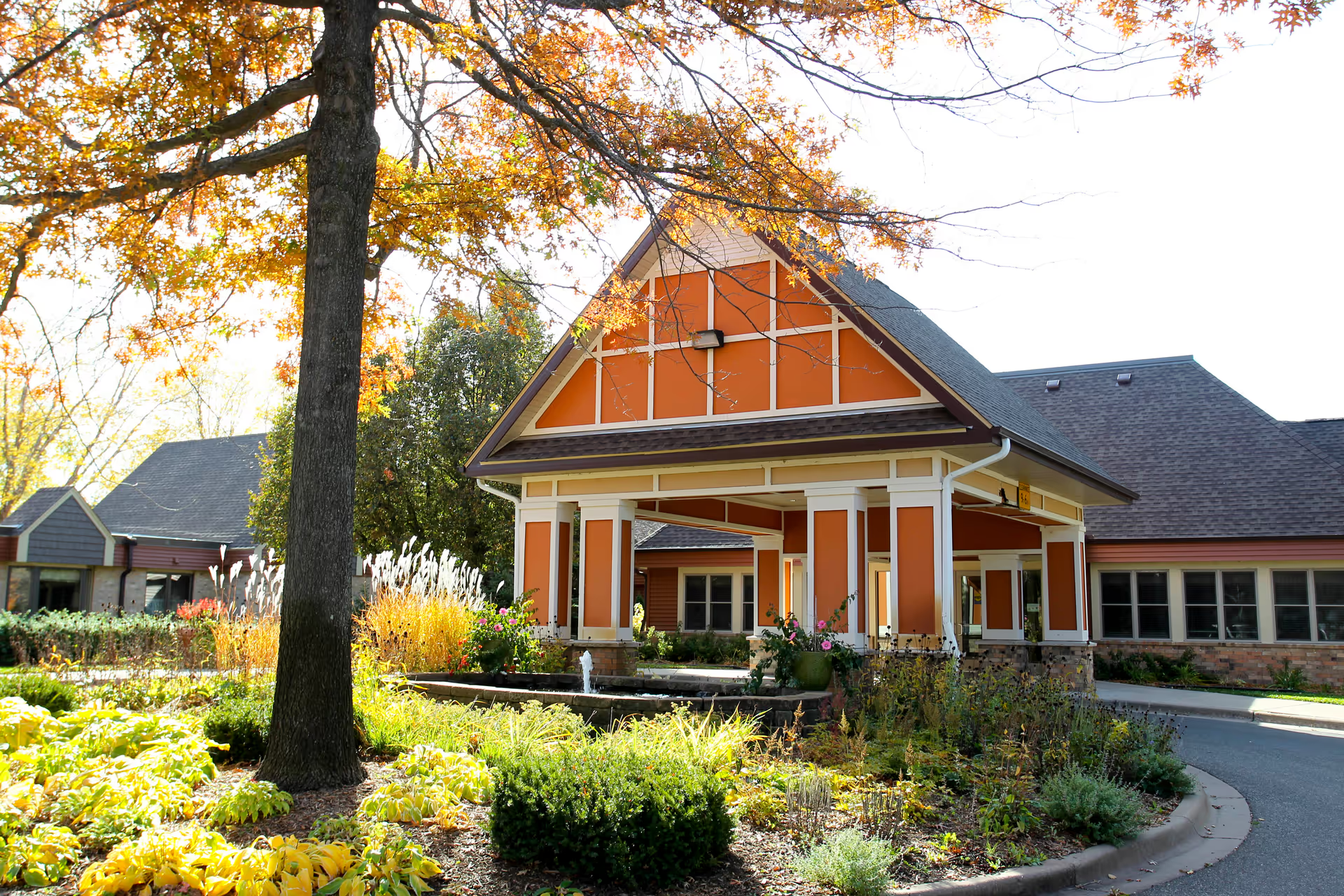
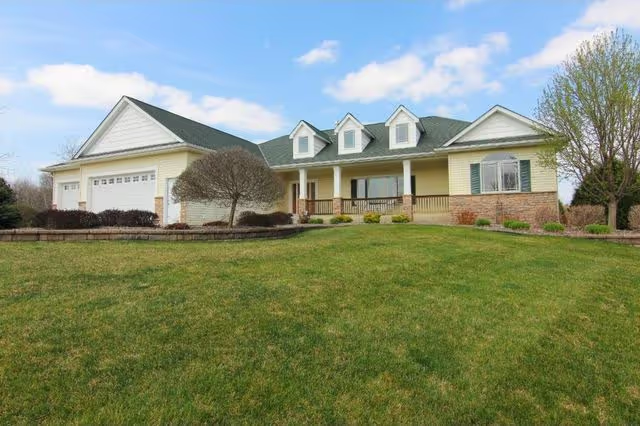
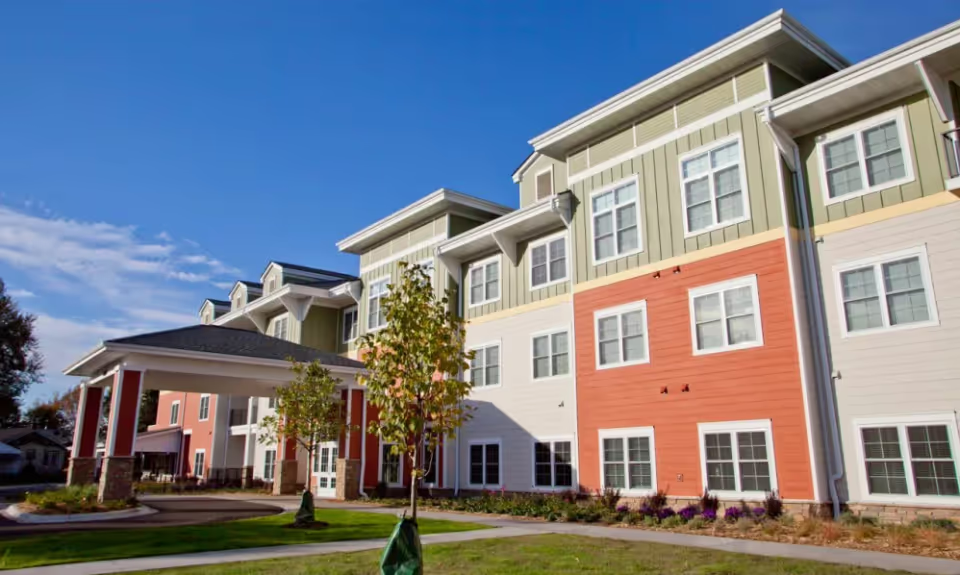
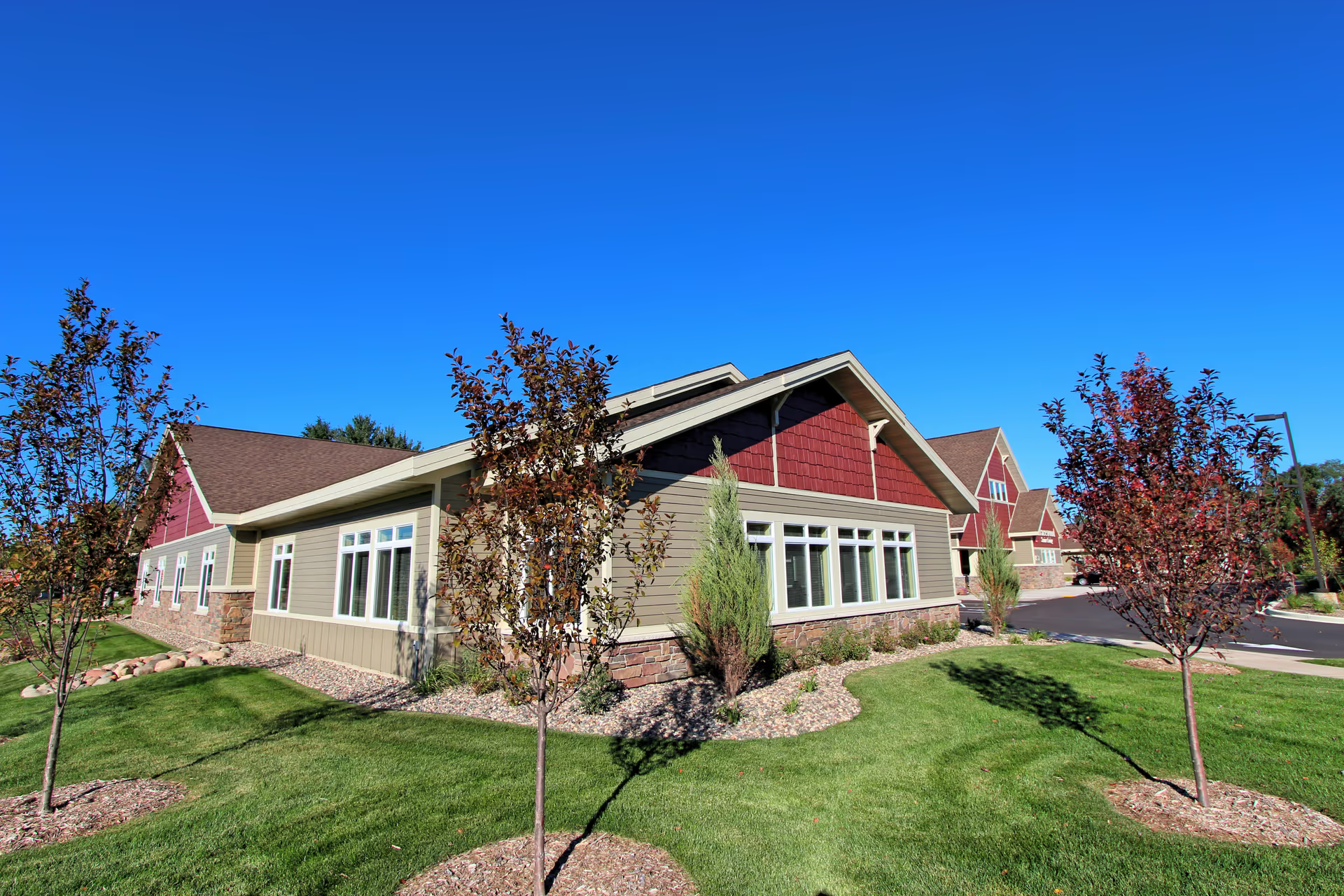
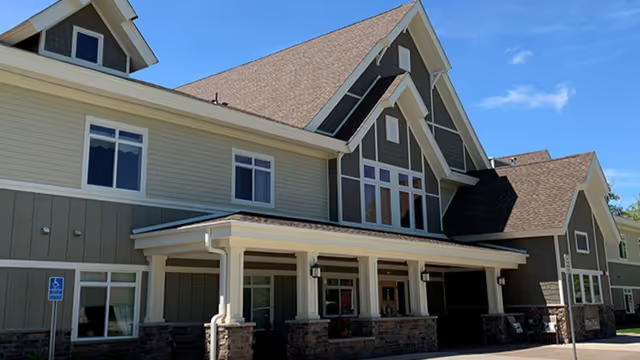
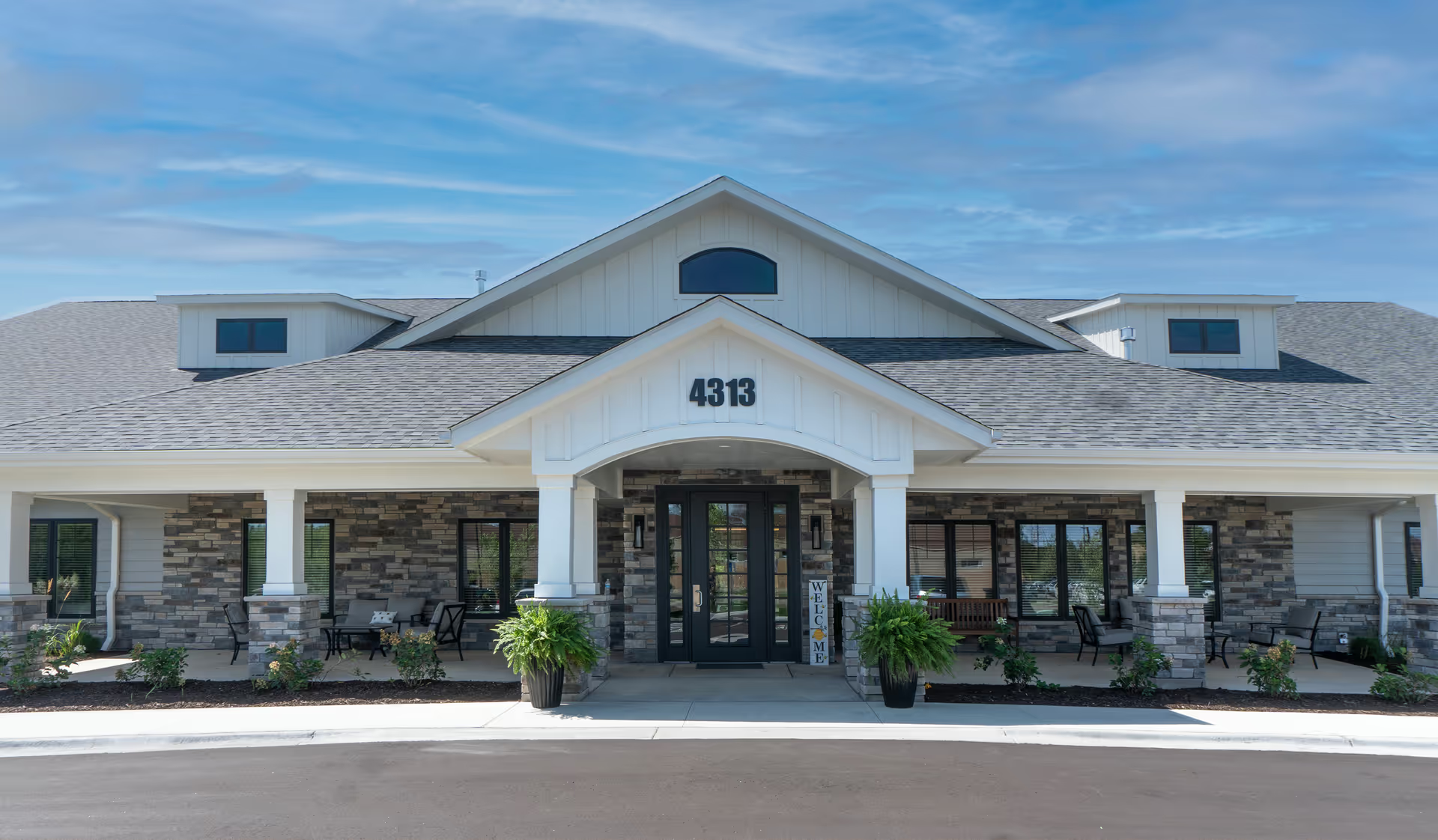
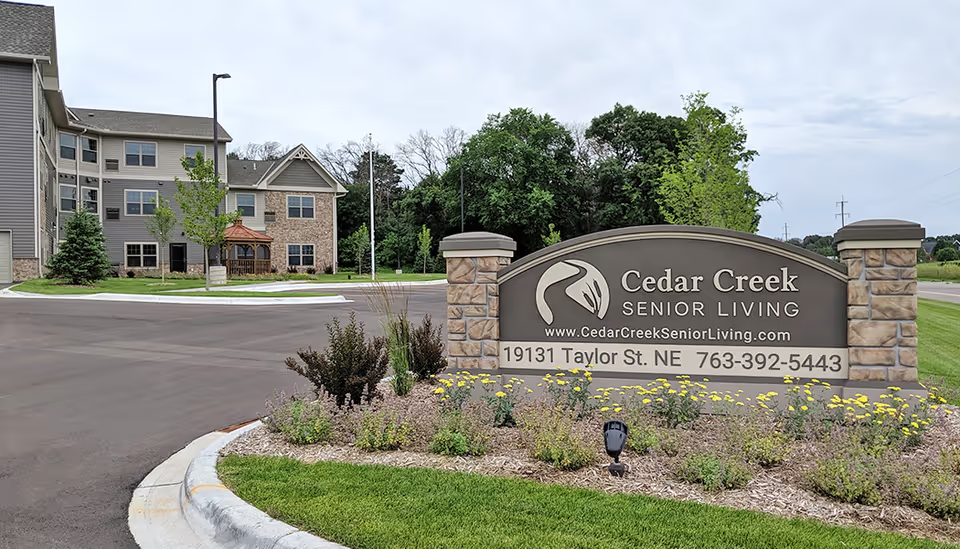
The reviews present a mixed picture in which strong interpersonal strengths coexist with notable operational weaknesses. Positively, many family members and residents describe a warm, home-like environment supported by staff who are frequently characterized as kind, attentive, and welcoming. Rehabilitation and therapy services are commonly praised for producing measurable progress, and the activities program—movies, bingo, shopping and outing opportunities, porch/BBQ time, and other social options—appears robust and well-attended. Physical amenities that reviewers highlighted include roomy apartments with entertainment hookups, pleasant dining rooms, tidy interior areas, and attractive landscaping and outdoor seating.
At the same time, there are consistent themes pointing to uneven care processes. Families described variability in clinical care quality, with examples that suggest gaps in medication administration timing, inconsistent bathing and personal-care schedules, and occasional absence of prescribed therapy. Staffing and responsiveness issues recur in narratives about delayed responses to call buzzers, residents left in rooms without scheduled engagement, and difficulties getting timely information from on-call supervisors. Several accounts raise concerns about transfer and equipment safety practices and about sanitation controls in kitchen or clinical areas, including hand-hygiene lapses and infection-control concerns.
Dining and housekeeping evaluations are split: some praise the food and social dining experience while others describe unappetizing meals, cold service, or infrequent room cleaning. Administrative practices also generate mixed feedback. Front-desk personnel and certain administrators are described as proactive and helpful, and specific staff and volunteers receive repeated commendation; however, there are serious operational concerns around billing, collections communication, and the handling of family complaints. There are also instances of strong family distress about staff conduct and incident handling; these accounts indicate underlying weaknesses in incident response protocols and family communication pathways.
For prospective residents and families, the facility’s strengths in staff compassion, therapy, activities, and community atmosphere are clear advantages. At the same time, the pattern of inconsistent clinical processes, sanitation and safety-control concerns, meal-service variability, and administrative/billing issues suggests that a thorough, targeted tour and direct conversations about medication safety, infection control, staffing ratios, accessibility accommodations, and billing practices are advisable before making placement decisions. Asking to see recent quality metrics, incident-response procedures, and how the facility documents and communicates corrective actions will help families evaluate whether the facility’s operational practices meet their expectations.