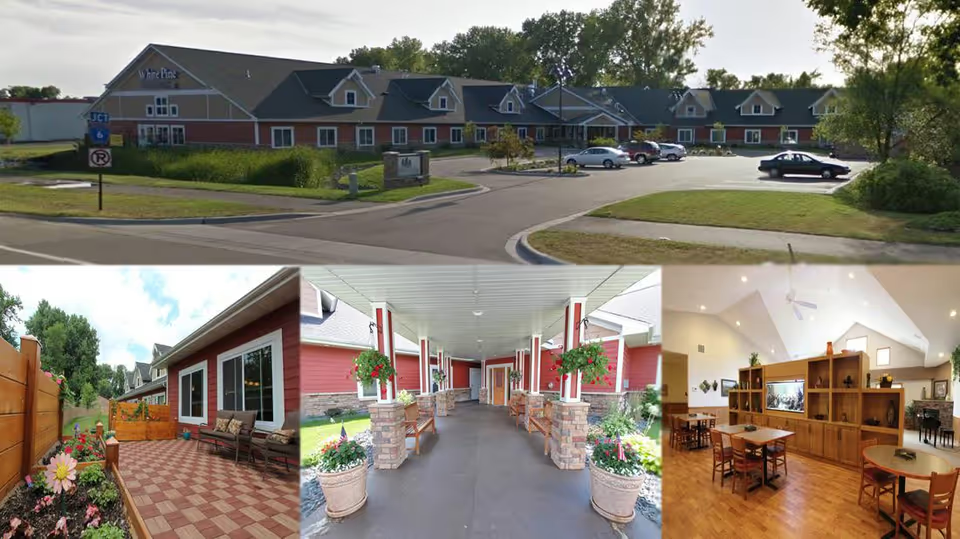
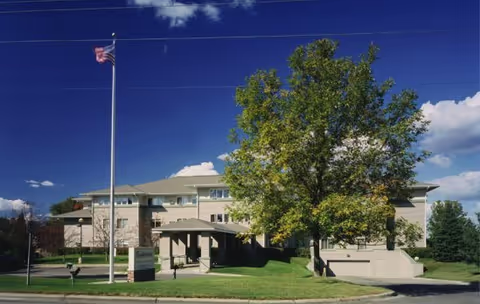
The review set presents a highly polarized picture of the Estates at Fridley: several families describe positive, rehabilitation-focused stays with helpful caregivers and strong therapy services, while a substantial number of accounts raise operational and clinical concerns. The facility appears to perform better for short-term rehab patients when therapy teams are actively engaged; however, long-term care experiences are more mixed and frequently highlight systemic weaknesses.
Care quality is an area of marked variability. Many reviewers praised physical and occupational therapy teams for effective rehabilitation work, describing them as a major strength. Conversely, recurring patterns include long delays in staff responding to call lights, inconsistent bathing and oral-care routines, missed or delayed medications, and lapses in wound and post-operative dressing changes. Some families reported equipment shortcomings (for example, nonfunctional scales or insufficient lift availability) that complicated clinical care and safe transfers. A few accounts describe prolonged clinical events that indicate gaps in clinical oversight; such descriptions warrant careful follow-up by prospective families and regulators.
Staffing and staff conduct are reported as inconsistent. Numerous comments acknowledge hard-working, friendly aides and nursing staff who provide good interpersonal care. At the same time, reviewers describe chronic understaffing, rushed aides, variable training, and incidents of unprofessional communication. These staffing issues are closely tied to delays in assistance and uneven execution of care plans. Therapists and certain support staff are more consistently praised, suggesting pockets of reliable performance amid broader variability.
Dining and activities were also described in mixed terms. Some families appreciated accommodating meal modifications and observed an active social environment with organized activities. Other reviewers noted limited portion sizes, repetitive low-protein menu items, and dissatisfaction with food quality. Activity availability and weekend programming were identified as areas for enhancement by families seeking a more engaging daily schedule for residents.
Facility maintenance and sanitation surfaced as frequent concerns. Reviews referenced unmade beds, soiled linens and flooring, odor concerns in rooms and common areas, and pest-control worries. These issues, when present, were linked by reviewers to lapses in housekeeping routines and management oversight. Several accounts described mattresses or furniture in poor condition and inconsistent availability of incontinence supplies, which can affect resident comfort and skin integrity.
Management, documentation, and administrative processes drew criticism in several areas. Families reported missing transfer documentation, poor coordination with home-health services, and disputes over billing and charge justification. A small number of reviewers made more serious claims, including allegations of staff theft and medication removal; such allegations are serious and suggest the need for formal investigation. Reviewers also described limited responsiveness from leadership when concerns were raised, which compounds family frustration.
Taken together, the pattern suggests a facility with notable strengths—particularly in therapy and among certain engaged staff—paired with recurring operational weaknesses in staffing levels, clinical oversight, sanitation, and administrative transparency. Prospective residents and families should conduct an in-person visit, observe mealtimes and communal areas, ask for current staffing ratios and recent inspection reports, review medication-management and wound-care protocols, and clarify billing practices before admission. For current families, documenting incidents, escalating concerns in writing, and consulting state survey/inspection results are prudent steps if quality gaps are observed.