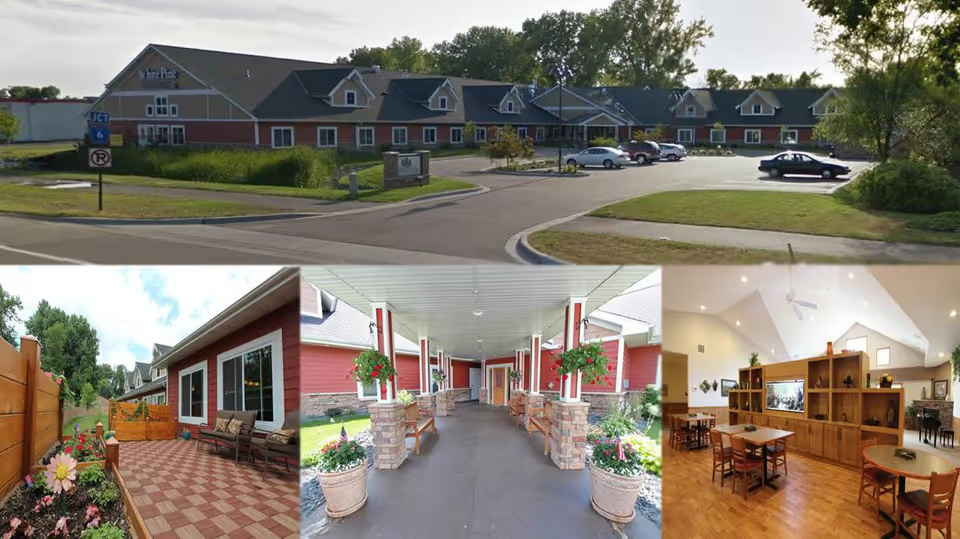
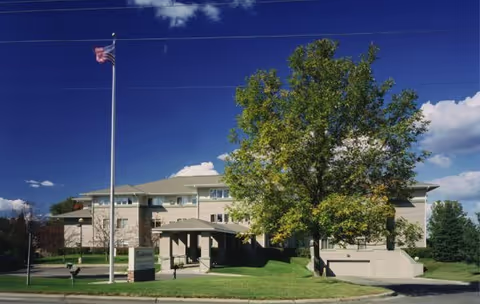
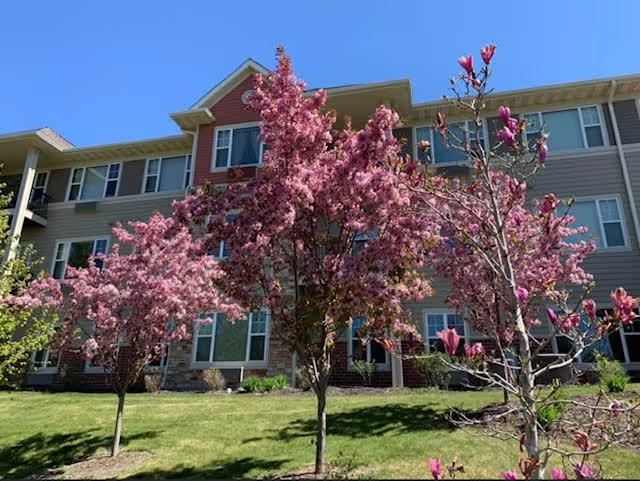
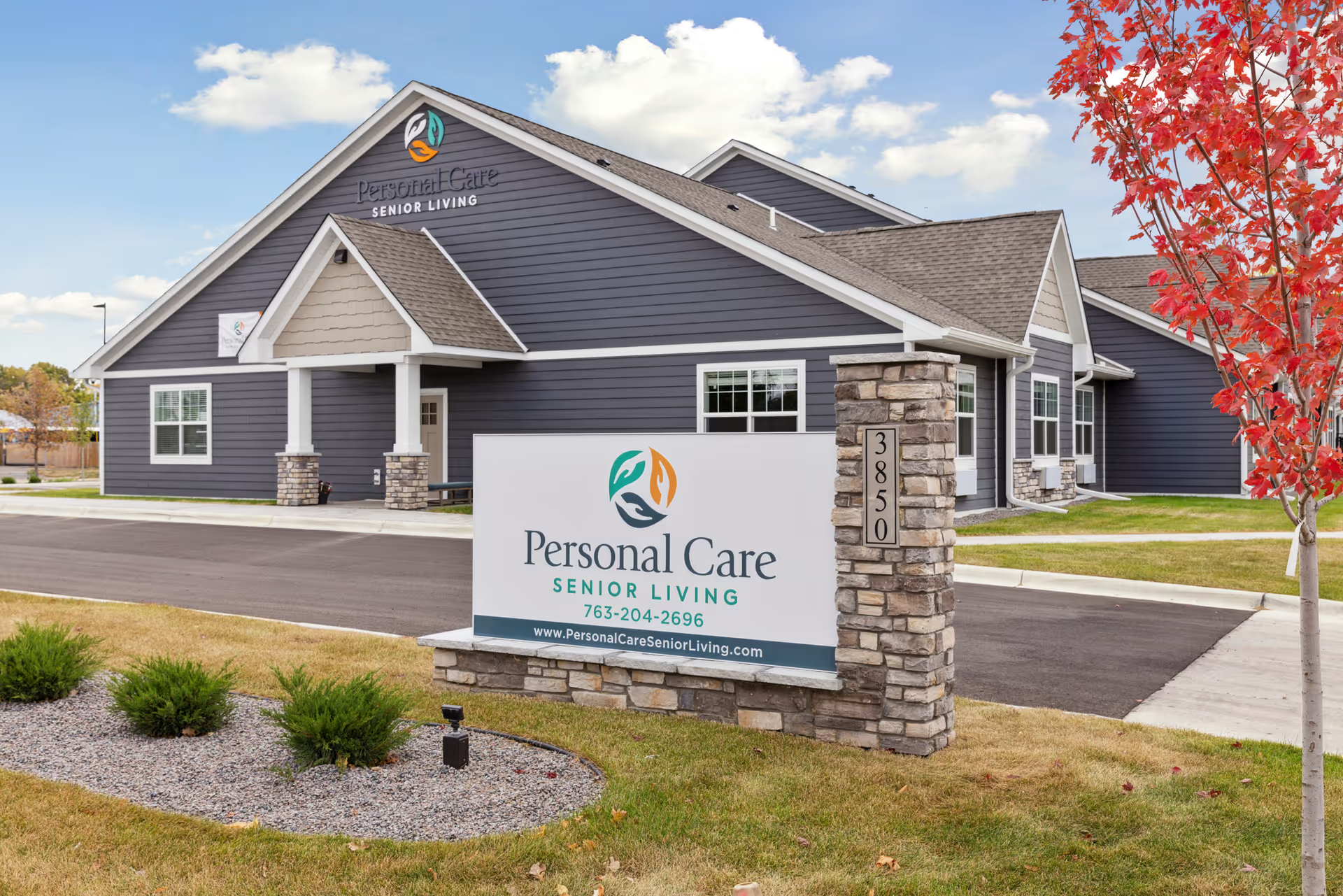
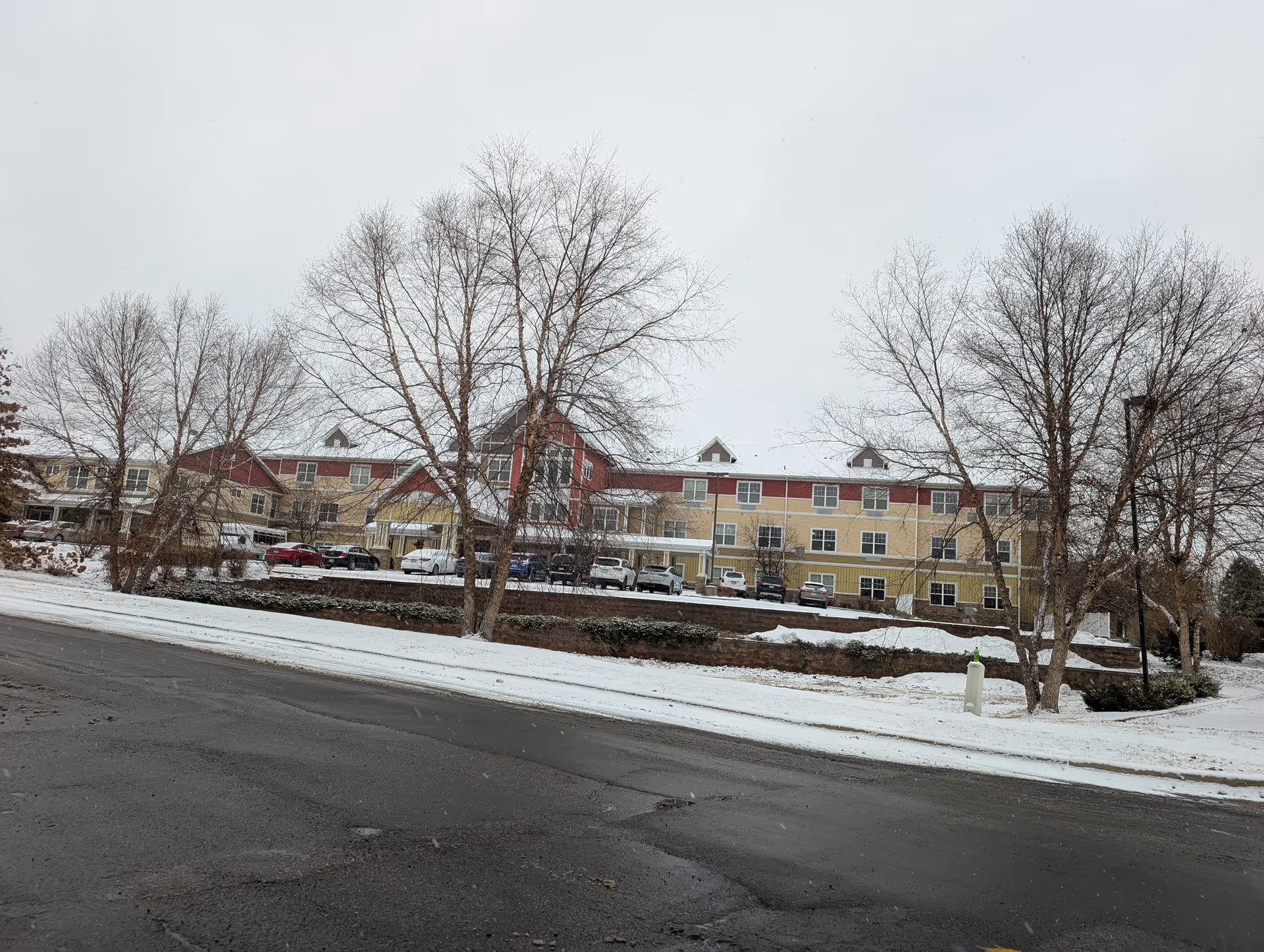
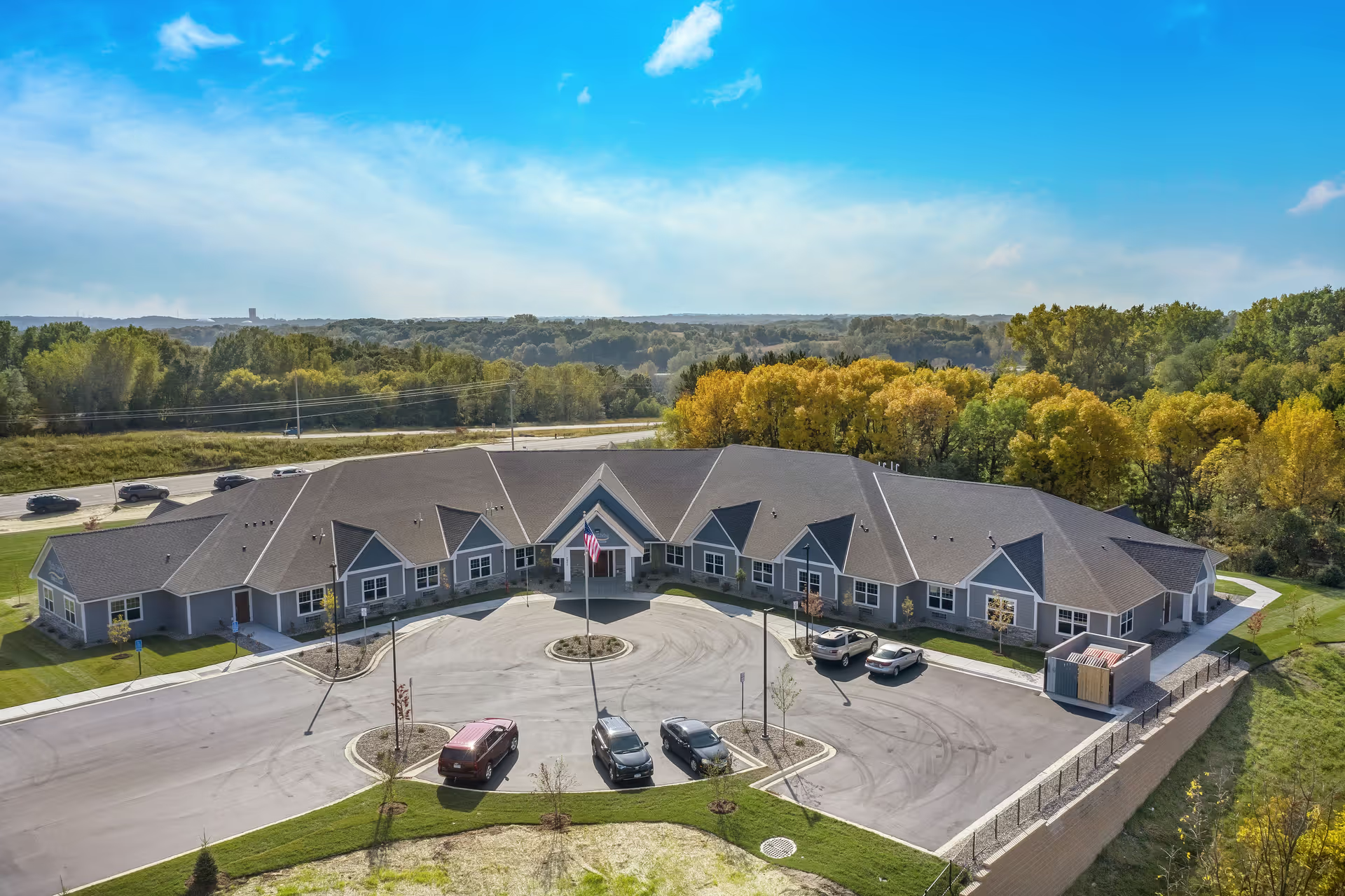
Willows Bend Senior Living presents as a modern, well‑appointed community with strong aesthetic and amenity strengths. The facility is frequently described as new, clean, and attractively designed, with spacious, well‑lit apartments and a variety of on‑site amenities such as a theater, fitness room, outdoor spaces, and social areas (including regular happy hours). Many reviews highlight a robust activities program — music, games, puzzles, outings, entertainment, and dining events — and emphasize a visible community culture, resident camaraderie, and frequent social interaction in common areas.
Dining and lifestyle offerings receive largely positive comments: reviewers cite varied, well‑prepared meals, regular outings, exercise groups, and a busy calendar of events that keep many residents engaged. Move‑in and transition processes are often described as smooth, and management and specific managers or nurses are praised for teamwork, responsiveness, and creating a welcoming environment. The community’s location near family, medical resources, and major roads is another repeated strength.
At the same time, there is a consistent pattern of concerns related to clinical care at higher levels of need. While independent living experiences are predominantly positive, reports indicate inconsistent quality in assisted‑living and memory‑care areas. Key operational themes include perceived gaps in staff training and clinical competency for dementia care, variability in staff responsiveness and tone, and instances where family members felt the level of compassionate engagement was insufficient. Several reviewers described transferring loved ones out of assisted or memory care and finding markedly different experiences elsewhere; this pattern suggests unevenness in how clinical care standards are applied across care levels.
Operational challenges were also noted. Staffing shortages were linked to intermittent meal‑service problems and reduced activity support. Some families raised concerns about medication‑assistance workflows and extra charges for reminders or staff time spent on medication tasks, indicating a need for clarity in fee structure and protocols. Communication practices vary: many families praised specific managers and head nurses for open communication, while others described gaps in coordination and follow‑up. A couple of reviewers mentioned usability issues with the visitor sign‑in app. Finally, the community’s pricing and occasional rent increases were described as premium and a consideration for budget‑minded families.
In sum, Willows Bend offers a high‑quality physical environment, active lifestyle programming, and many examples of attentive, friendly staff and effective management. However, the reviews reveal notable variability in clinical care consistency and staff training for assisted‑living and memory‑care residents, along with operational issues tied to staffing, medication assistance, and fee transparency. Prospective residents and families would be well‑served to tour the specific care neighborhoods, ask detailed questions about staffing ratios and dementia training, review medication‑assistance policies and fees, and seek references from families whose relatives are in the same level of care under consideration.