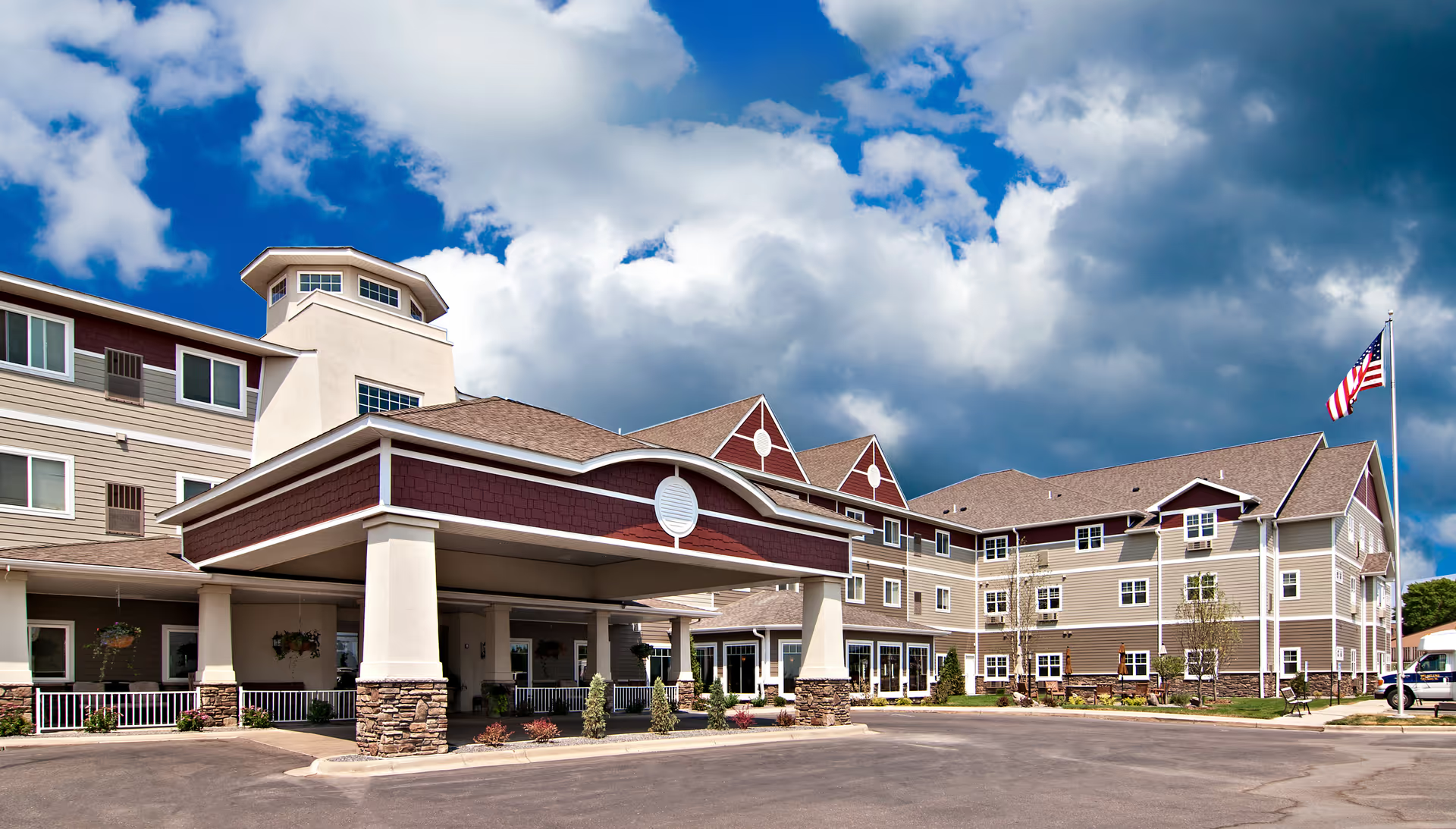
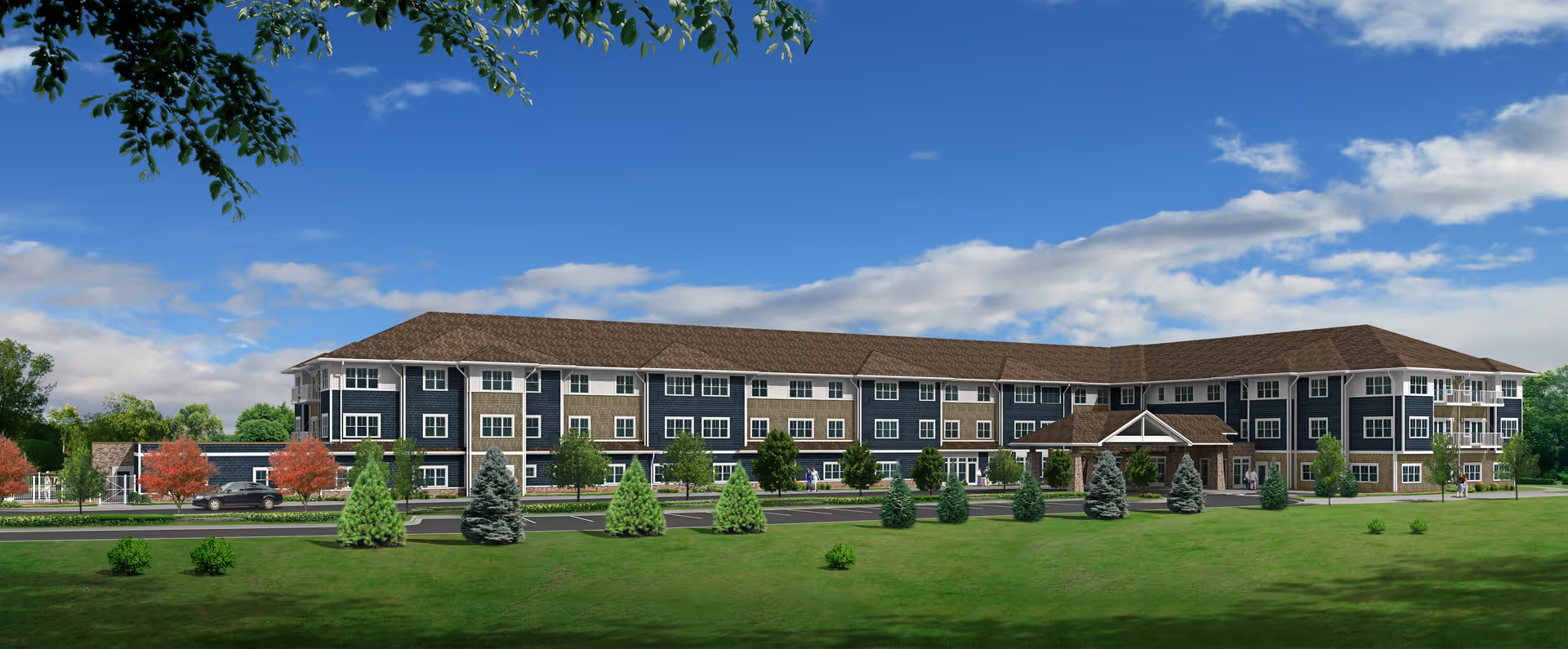
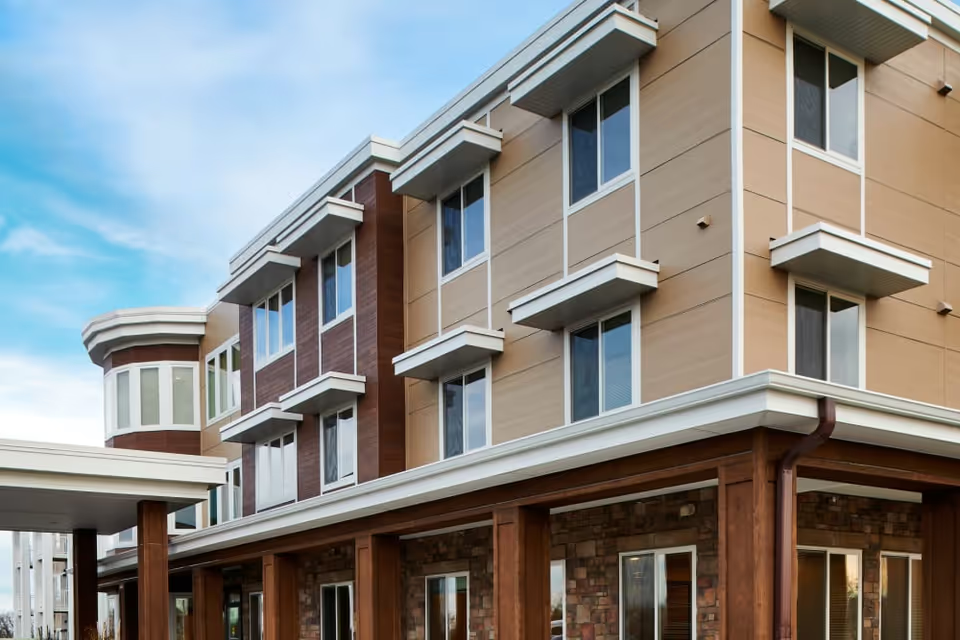
Overall impression: Good Samaritan Society - Howard Lake receives consistent praise for clinical care, rehabilitation services, and an active engagement program. Reviewers emphasize compassionate nursing and attentive caregivers, a positive environment for families, and a management team that is visible and involved on the floor. The facility offers both long‑term and short‑term rehabilitation options, and many families described positive care conferences and clear explanations of how needs would be met.
Care and clinical services: Nursing and therapy are prominent strengths. Reviewers describe nursing staff as caring, gentle, and attentive, and physical and occupational therapy services are noted as effective and well staffed. Care planning and staff communication about individual tenant needs are highlighted as clear and thorough, and at least one staff member was named as an exemplar of personalized care. These factors contribute to an overall sense of safety and clinical competence.
Staff and management: Administrative leadership and on‑floor managers receive favorable comments for being hands‑on and accessible. Day and evening shifts are commonly described as professional and friendly; however, there is a recurring pattern of concerns about responsiveness and conduct during some overnight shifts. That variability suggests the facility may perform well under most conditions but has periodic lapses in consistency between shifts.
Dining and housekeeping: The facility provides varied meal options with alternatives, and several reviewers rated food service and housekeeping highly. At the same time, there are notes about inconsistent meal quality and ongoing efforts to improve dining satisfaction. Housekeeping and room accommodations are described positively, with comfortable rooms and reliable cleanliness.
Activities and community life: Activity programming appears robust and well received. Trivia nights, animal visits, other entertainment, and a steady schedule of daily activities encourage participation; reviewers observed that residents attend activities and appear engaged. The combination of social programming and therapeutic services supports both rehabilitation and quality of life.
Notable patterns and recommendations for families: The dominant strengths are compassionate nursing, solid rehab services, active management, and a lively activities program. The principal operational weaknesses to probe further are variability in meal quality and occasional lapses in responsiveness and conduct on the night shift. Prospective residents and families may wish to ask about overnight staffing patterns, recent steps taken to address night‑shift responsiveness, and current dining improvements during a tour or care conference to confirm consistency with their expectations.