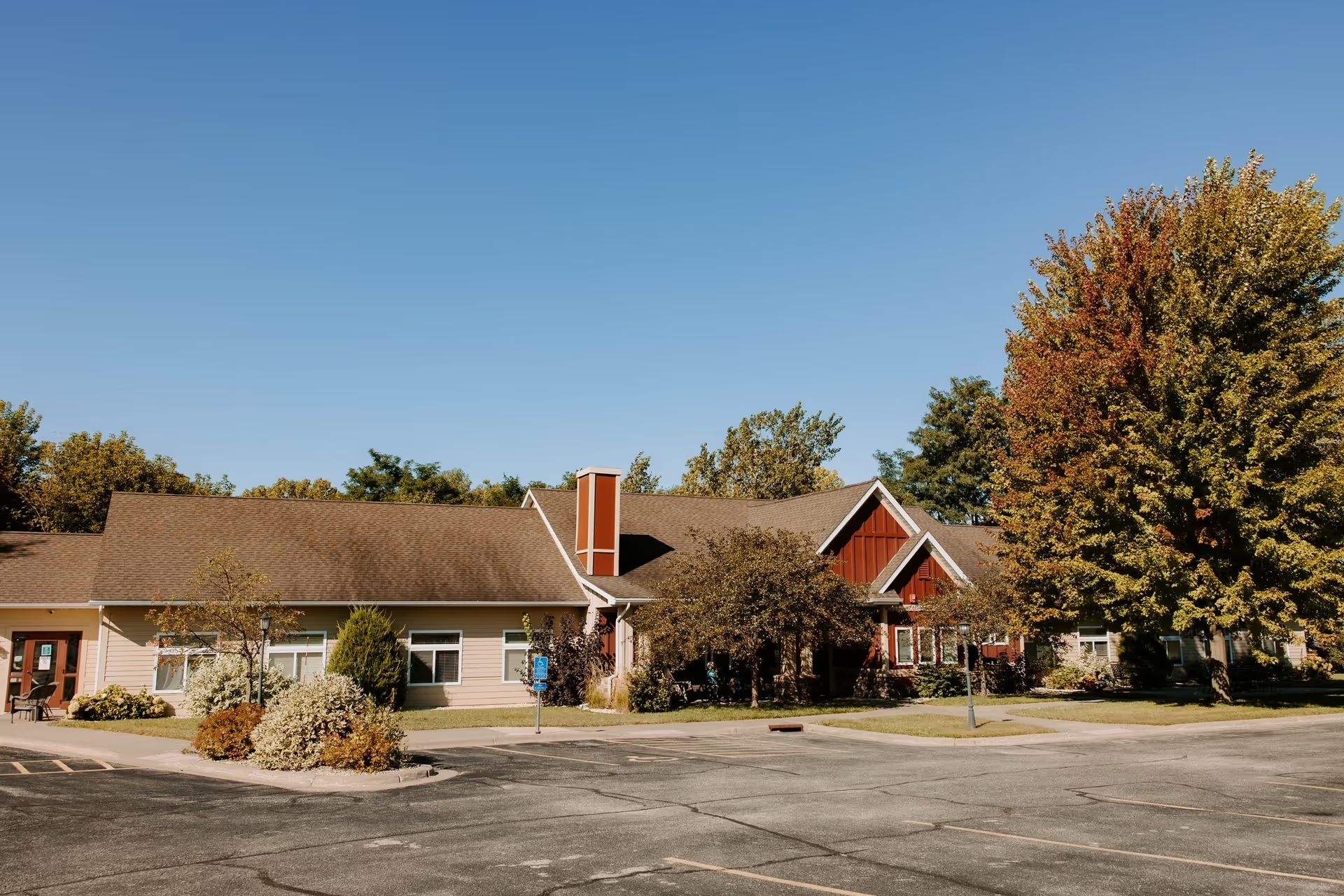
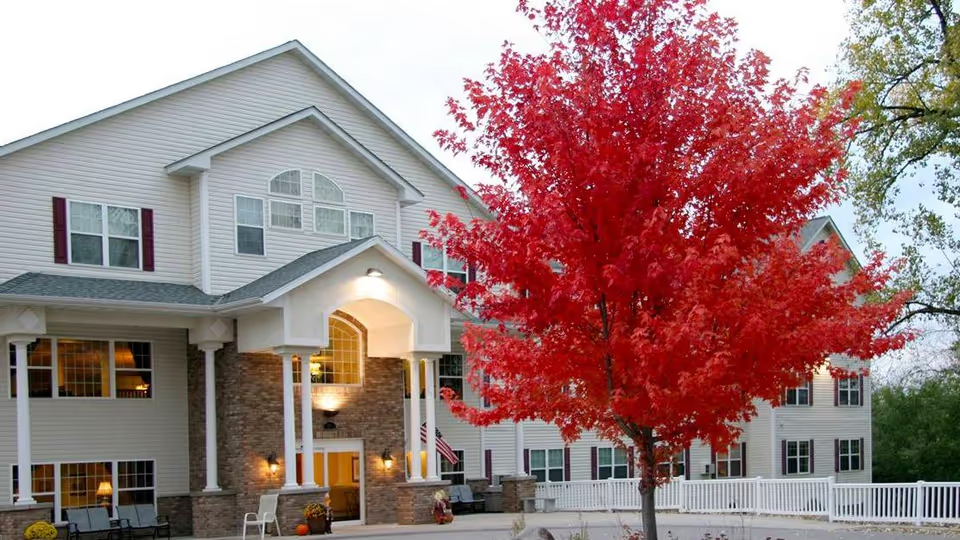
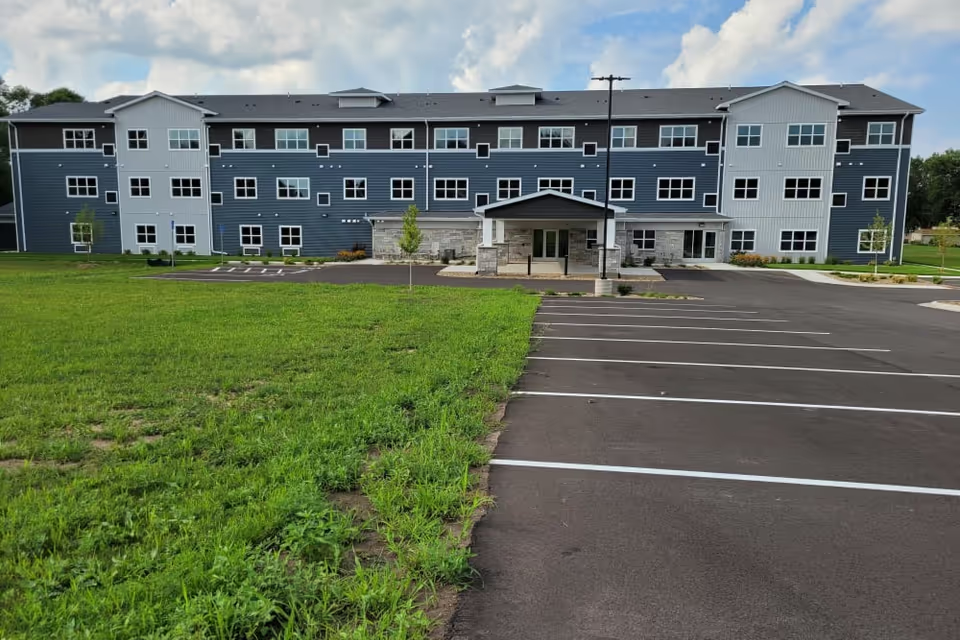
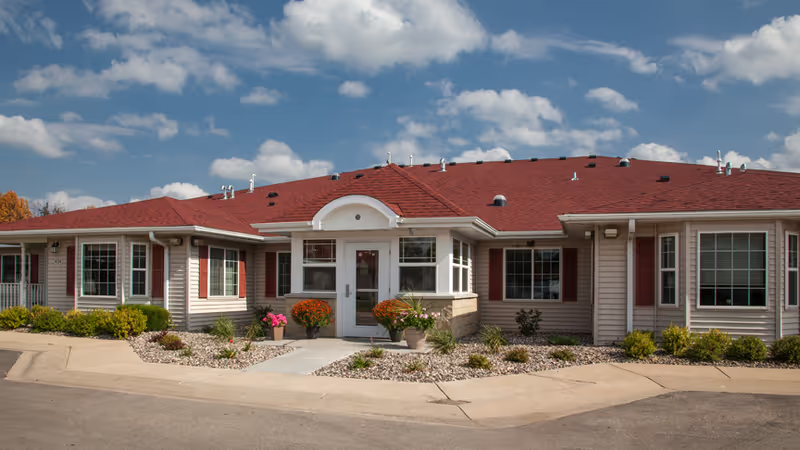
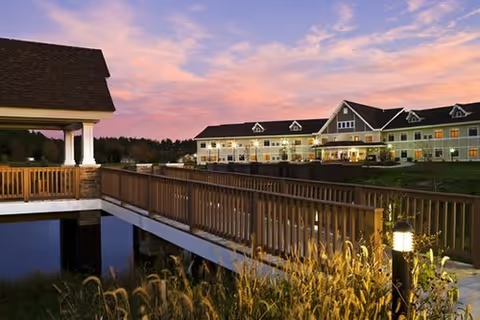
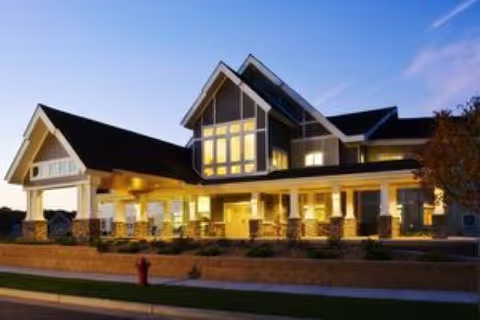
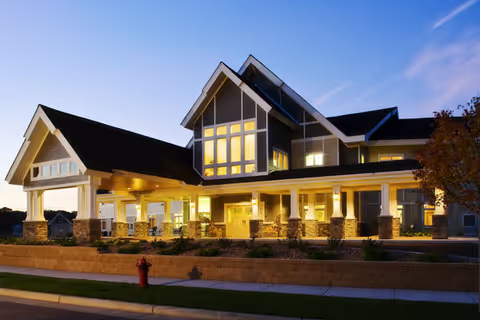
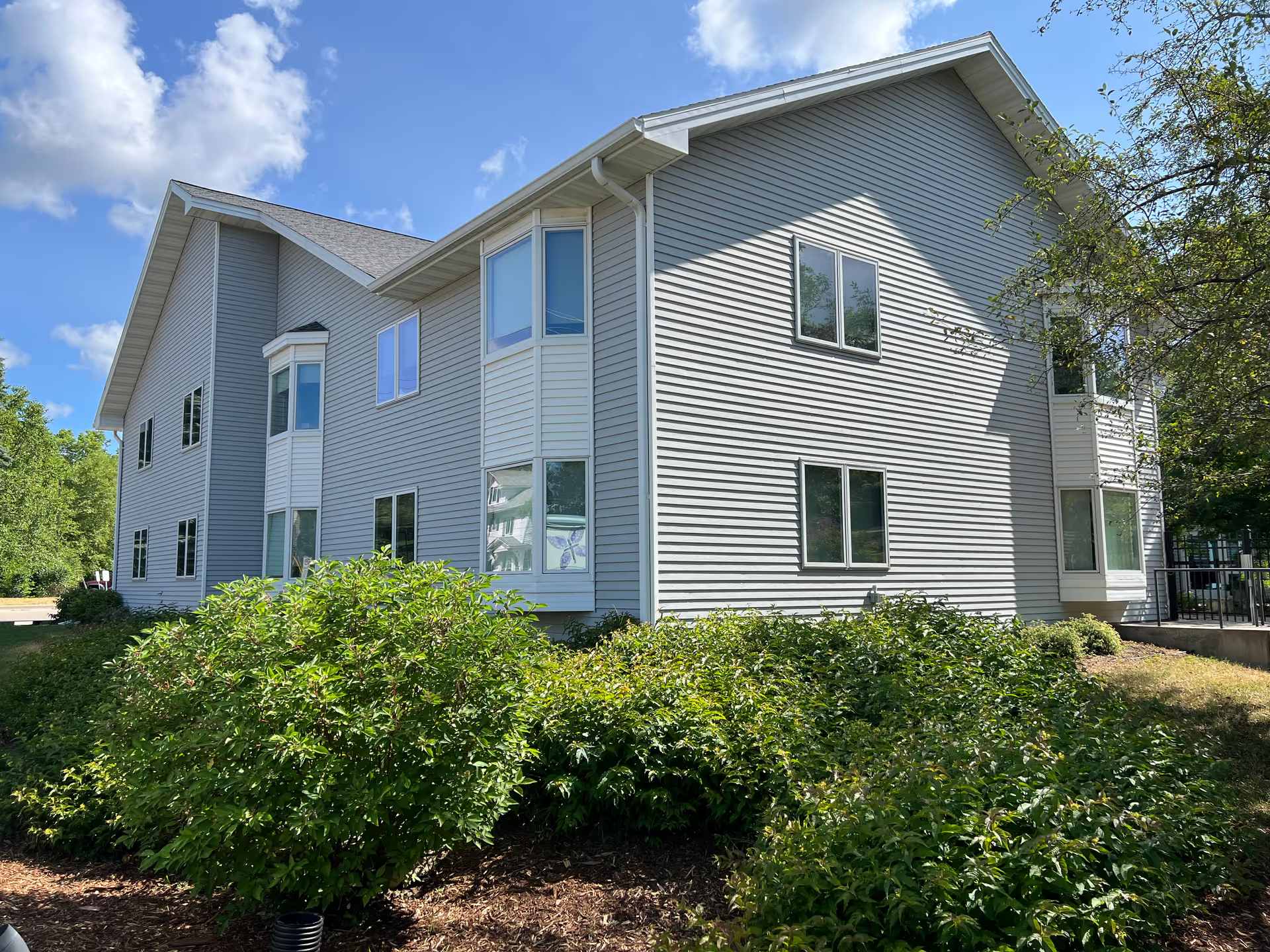
The reviews describe a facility with a strong physical environment and an extensive amenity set, paired with notable operational variability. The building and grounds are consistently described as new, attractive, and well equipped: private studio apartments with kitchenettes, a dedicated memory-care unit, an on-site salon, courtyard and outdoor space, and convenient connections to nearby medical services. Many families praised the proximity to clinic/hospital services and the facility’s ability to transport residents to appointments.
Care quality and staffing present a mixed picture. Numerous accounts highlight caring, communicative, and competent direct-care staff who build strong relationships with residents, facilitate social outings, and support transitions. At the same time, other accounts describe interruptions in continuity of care, on-duty supervision lapses, and instances that suggest gaps in transfer and handling protocols. These contrasting experiences point to inconsistent staffing patterns and supervisory oversight: when staffing is stable, families reported good outcomes; when turnover or supervision problems occurred, families reported diminished confidence in daily care.
Dining and nutrition are another divided area. The facility’s culinary program receives praise for gourmet, customizable meals and an engaged dining director/chef who focuses on quality and special diets. Conversely, some accounts note inconsistent meal timing, inflexible dining schedules, and food-safety concerns, indicating variability in meal service execution and menu accommodation across shifts.
Activities and resident life are described positively in many reports. The schedule includes church services, community outings (shopping, river trips, ice cream), social events, a library, and personal-care services such as pedicures, massages, and hair styling. Families frequently cited meaningful social engagement and opportunities for residents to maintain routines and friendships.
Administrative and management issues are a recurrent concern. Several accounts describe problems with supervisory practices, micro-management, communication lapses (missed mail and phone messages), and perceptions of an authoritative leadership style. There are also references to past health-department deficiencies and shortcomings in environmental controls (including sanitation concerns and access to potentially hazardous supplies). Winter maintenance and exterior-access planning were singled out as an operational weakness by some families, affecting arrival and mobility during inclement weather.
Taken together, the pattern is one of a facility with strong infrastructure, robust programming, and the capacity to provide high-quality resident experiences when leadership, staffing, and operational controls are functioning well. However, variability in staffing continuity, management practices, sanitation controls, and service execution has produced polarized family experiences. Prospective residents and their families should consider an in-person visit focused on current staffing levels and supervision practices, sanitation and safety protocols, meal service routines and dietary accommodations, winter-access plans, and the facility’s recent regulatory history to determine current alignment with their needs and expectations.