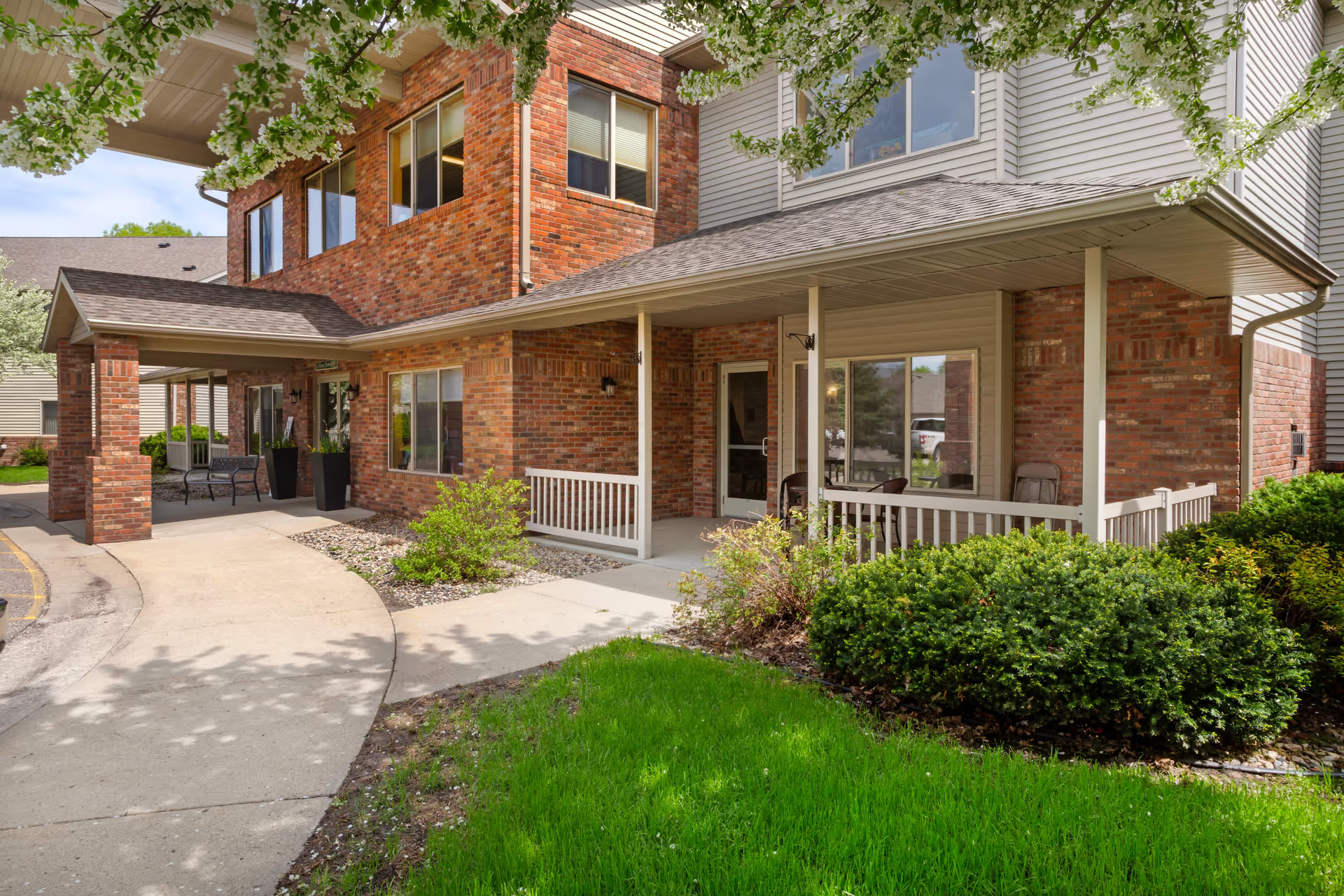
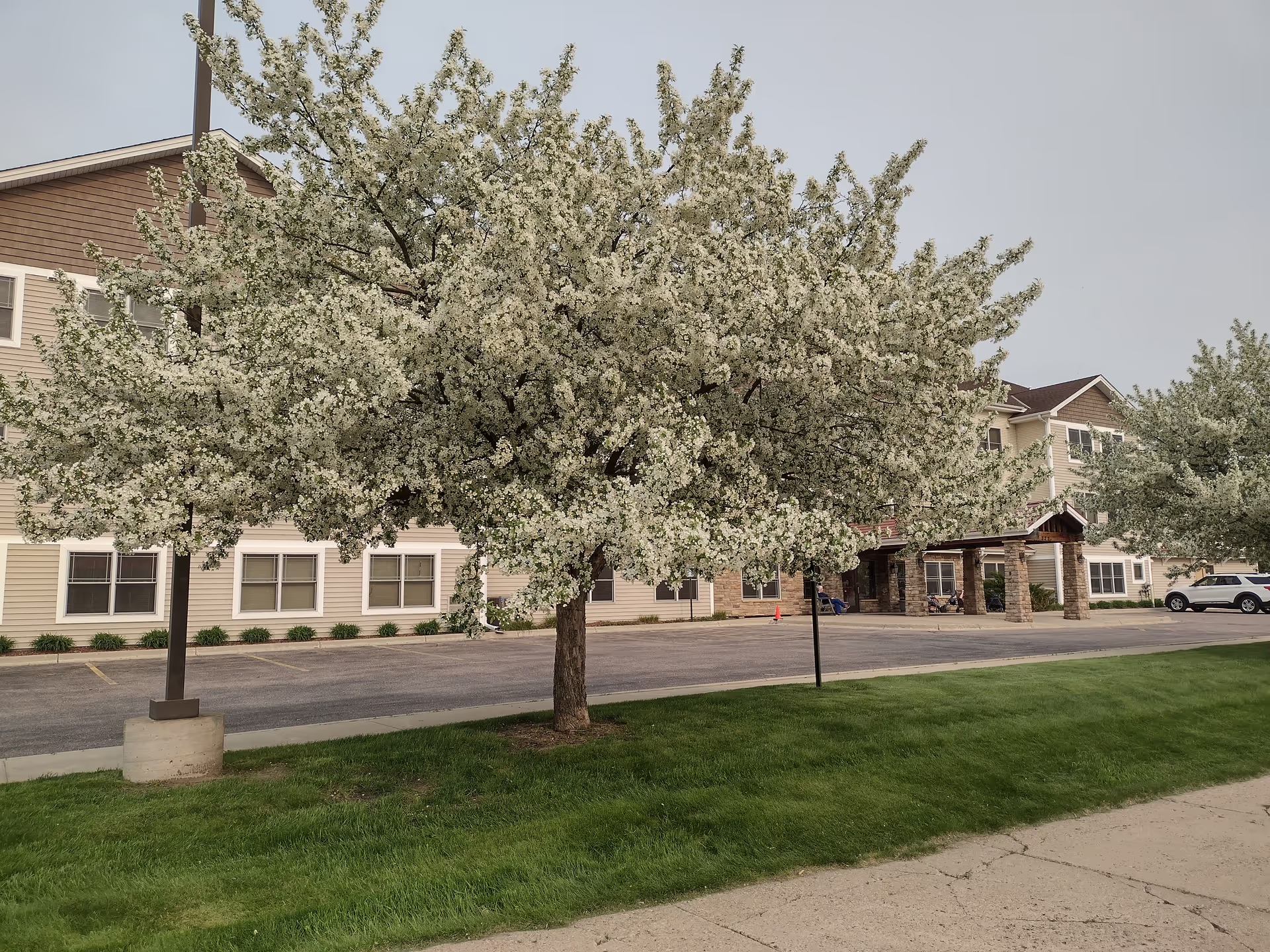
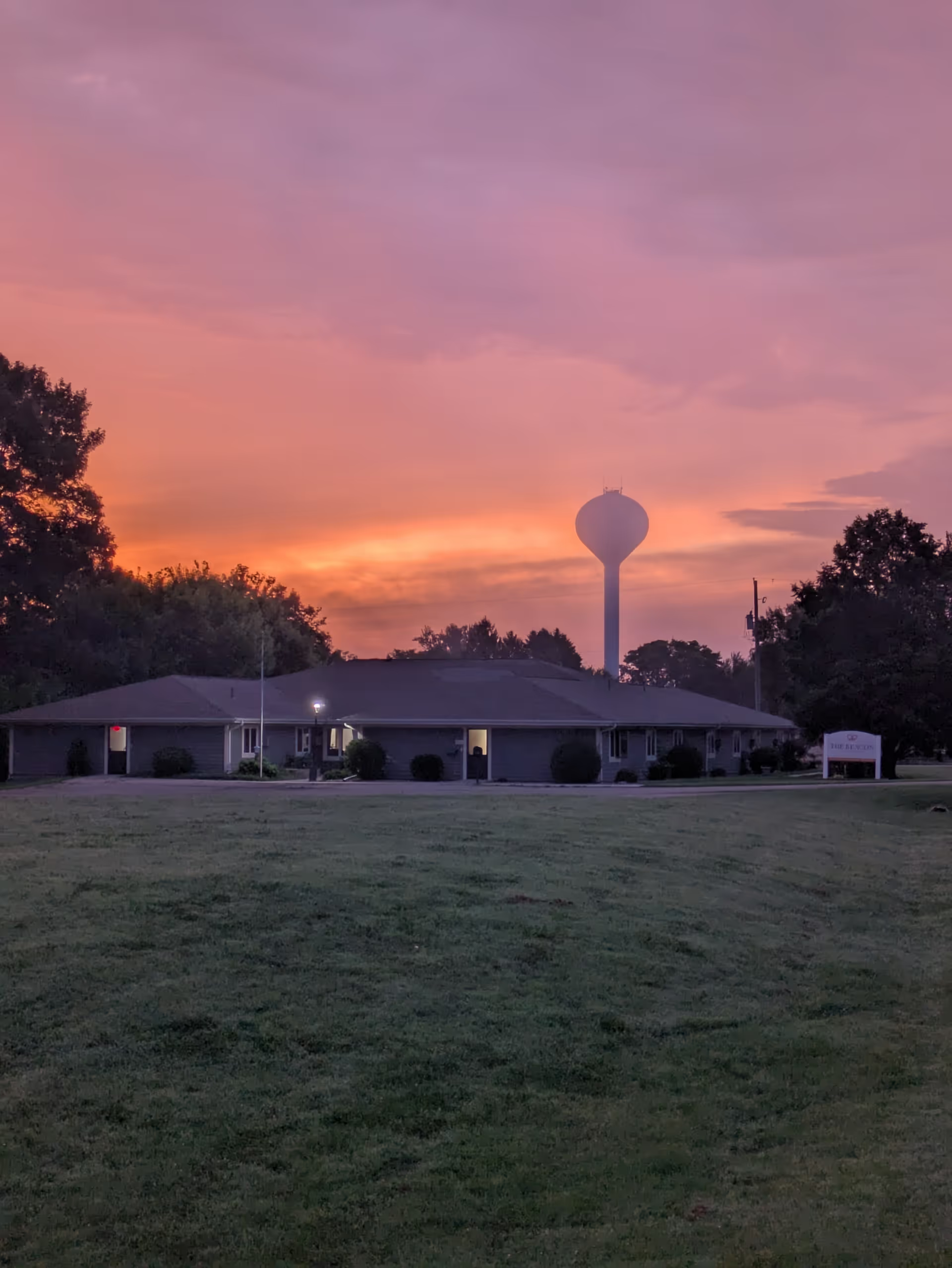
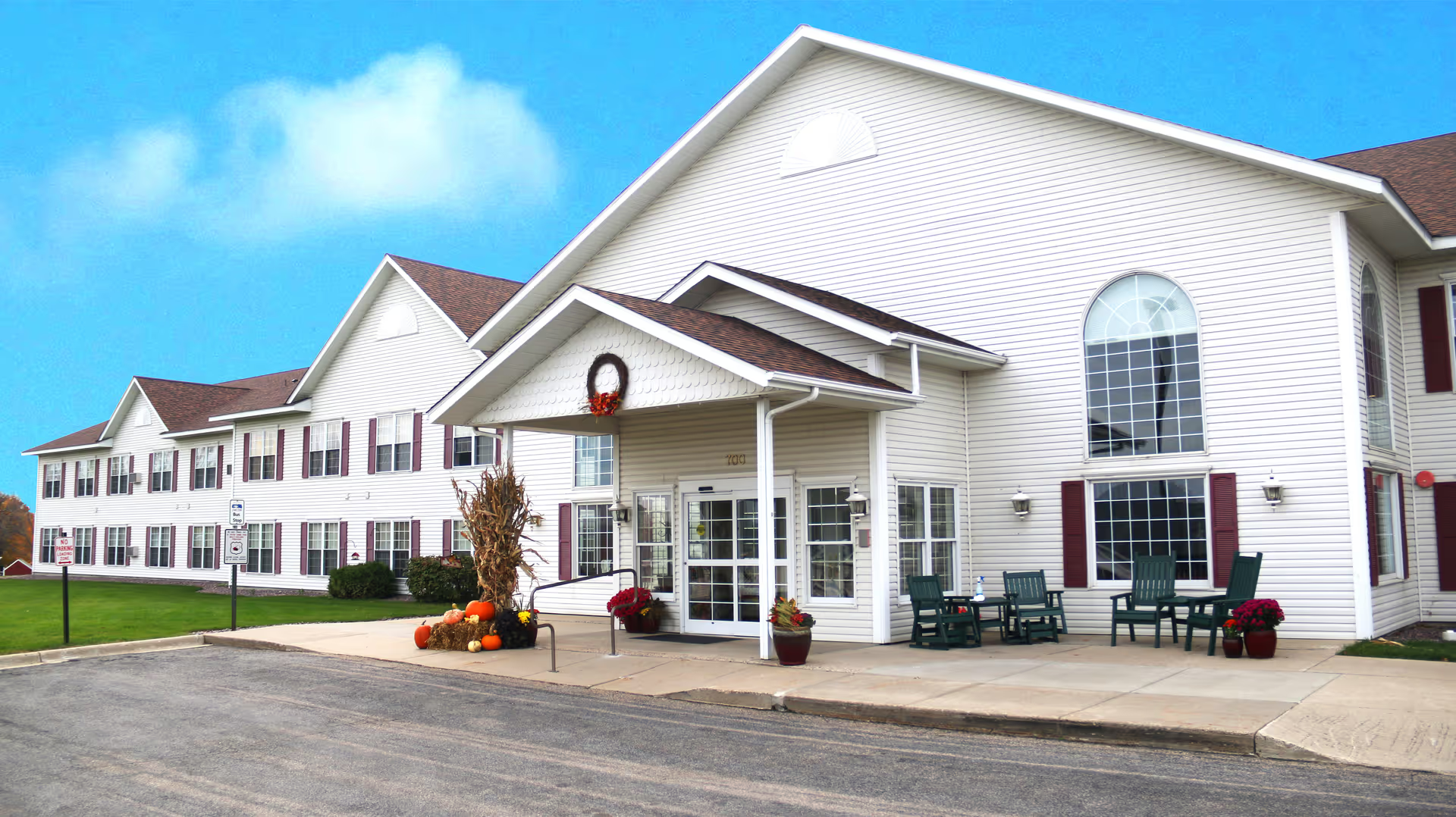
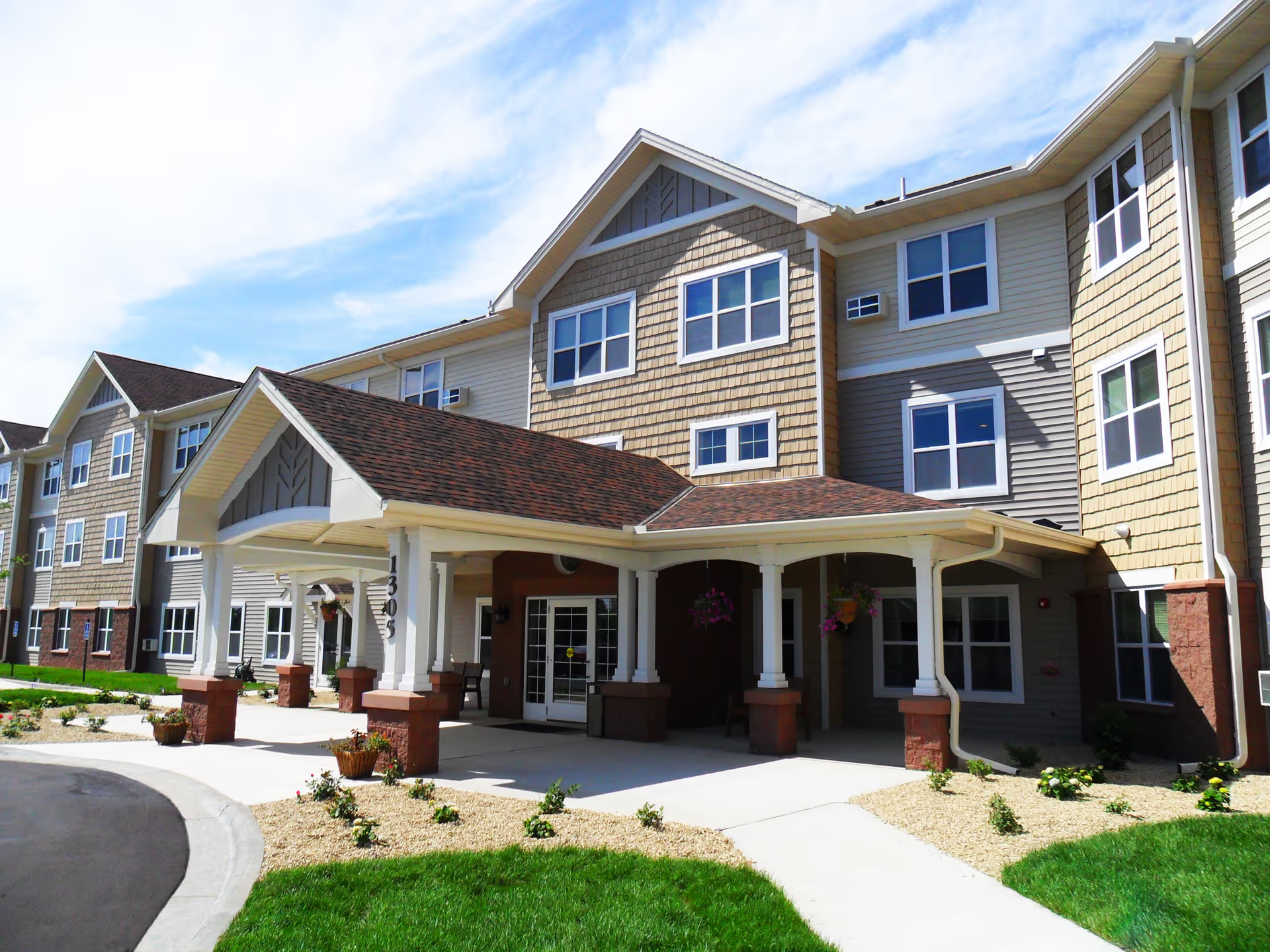
Old Main Village is frequently praised for its historic, well-maintained setting and restaurant-style dining. The building’s architectural features, large dining room with cloth napkins and real table settings, ample natural light, and thoughtfully arranged lounges and outdoor spaces create a strong hospitality-oriented environment. Residents and families commonly highlight the variety of apartment floor plans, in-unit kitchens in many units, on-floor laundry, and a range of indoor amenities such as a pool, therapy pool, fitness areas, library, movie theater and recreational rooms.
Dining and programming are among the facility’s strongest areas. Several families describe chef-driven meals that feel restaurant-quality, frequent live entertainment, regular outings, craft and game offerings, exercise classes, and specialty events. On-site PT/OT and therapy staff receive positive mentions for professional care and rehabilitation support. The community’s activity calendar and transportation services are cited as effective in keeping residents socially engaged and mobile when participation is consistent.
Staff performance elicits mostly positive comments about warmth, helpfulness, and individualized attention. Many reviews emphasize compassionate CNAs, proactive support from admissions and move-in teams, and staff members who create social opportunities for residents. That said, there is a notable pattern of operational concerns tied to staffing variability. Families describe inconsistent coverage by cooks and aides and situations where communication systems (phones, incident notifications) have been unreliable. These patterns suggest that care continuity and timely family notification during clinical events are areas where the facility may need stronger processes.
Operational and management themes recur across reviews. HVAC comfort is described as inconsistent—units can be uncomfortably warm in summer and cool in winter in places—indicating uneven climate control. The facility’s large, complex layout can feel overwhelming for some residents and complicate wayfinding; coupled with a few accessibility limitations (for example, kitchen layouts that are difficult to use with mobility aids), these physical factors may affect day-to-day independence for some people. There are also occasional concerns about billing clarity and enforcement of policies (including a dispute around reimbursement after a notice period), and isolated lapses in security or maintenance procedure during projects.
A smaller set of reviews raise more serious clinical and communication concerns, including end-of-life care coordination and instances where families felt their concerns were not addressed promptly. These items point to opportunities for clearer escalation pathways, more reliable communications infrastructure, and standardized incident-response protocols so families receive timely information and appropriate care actions.
In summary, Old Main Village offers strong hospitality, attractive common spaces, robust programming, and many amenities that appeal to residents who prioritize dining, social engagement, and on-site therapy. Prospective residents and families should weigh those strengths against operational considerations: confirm current staffing ratios and backup coverage, review communication and incident-notification procedures, test HVAC performance in occupied units, verify accessibility features for specific mobility needs, and obtain clear written explanations of pricing and refund policies before committing. Visiting at different times of day and asking for copies of care and emergency-response protocols will help determine whether the operational practices align with a family’s expectations for safety and continuity of care.