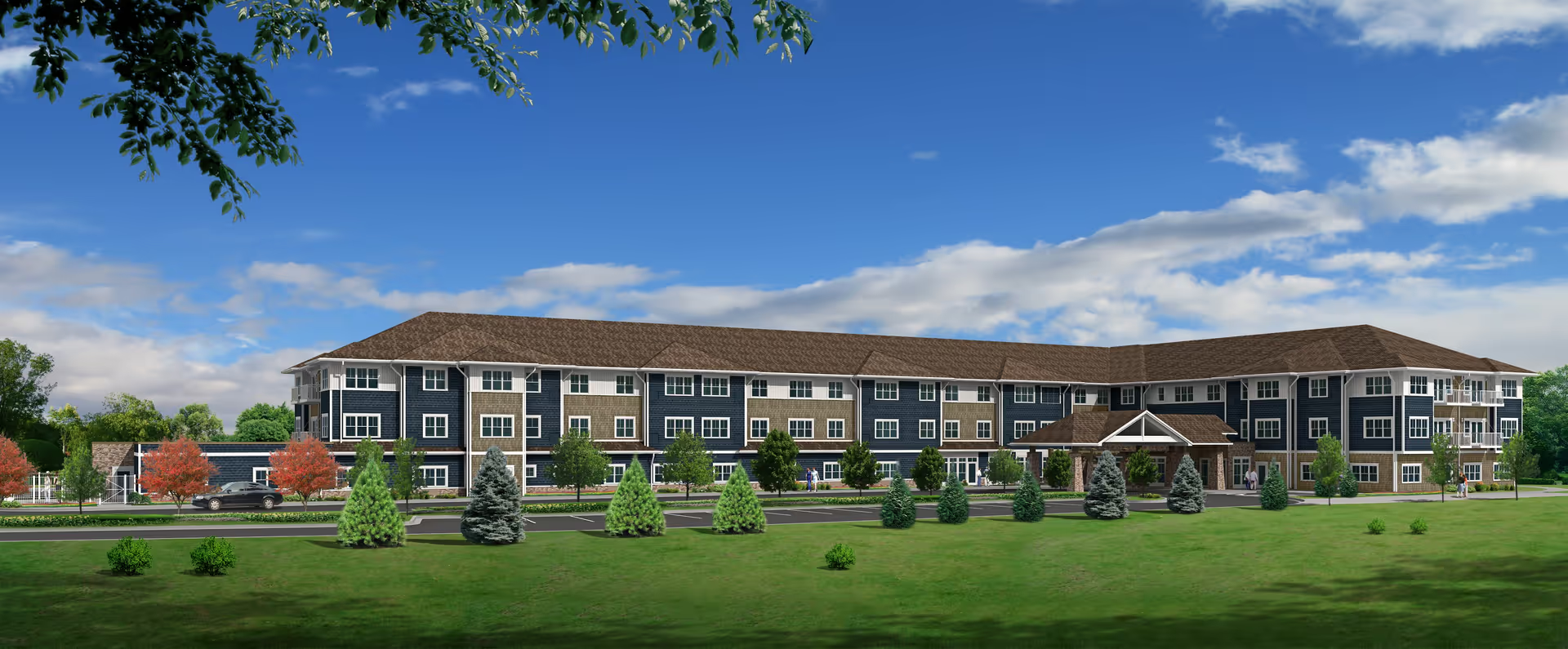
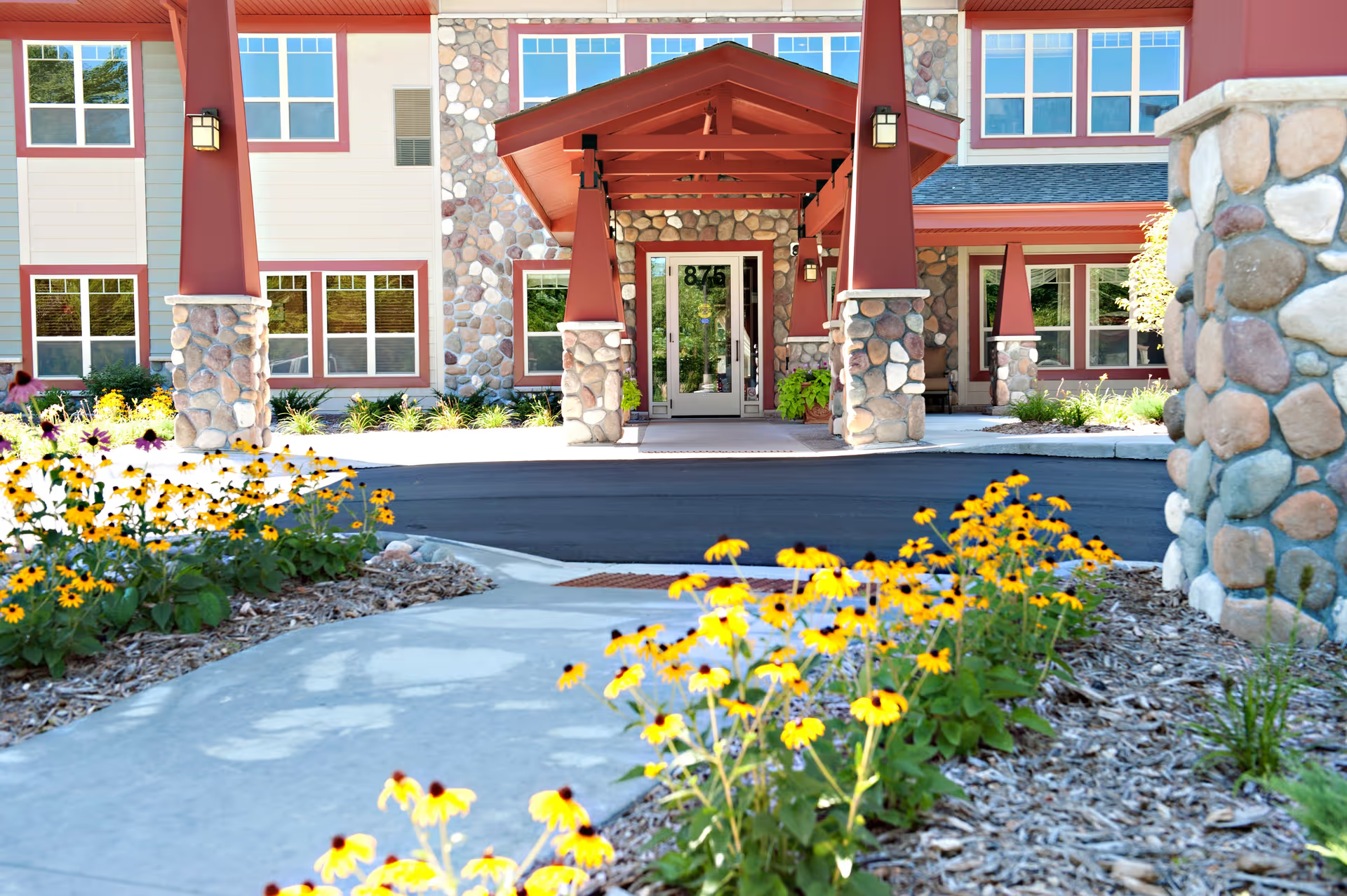
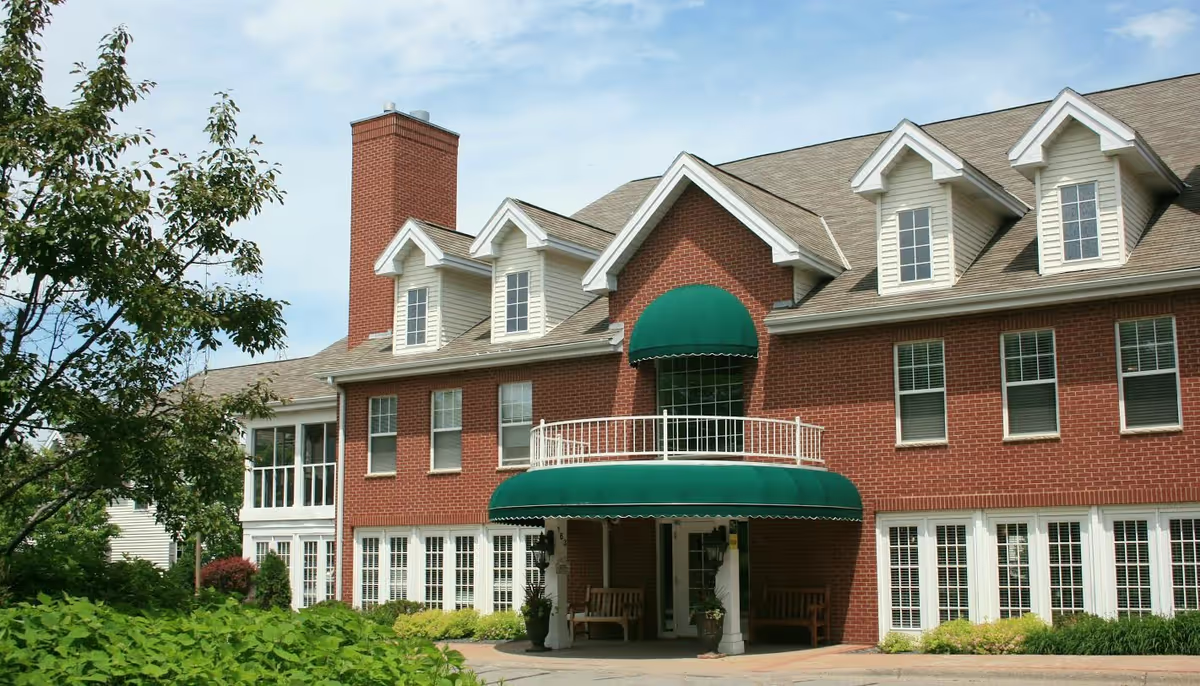
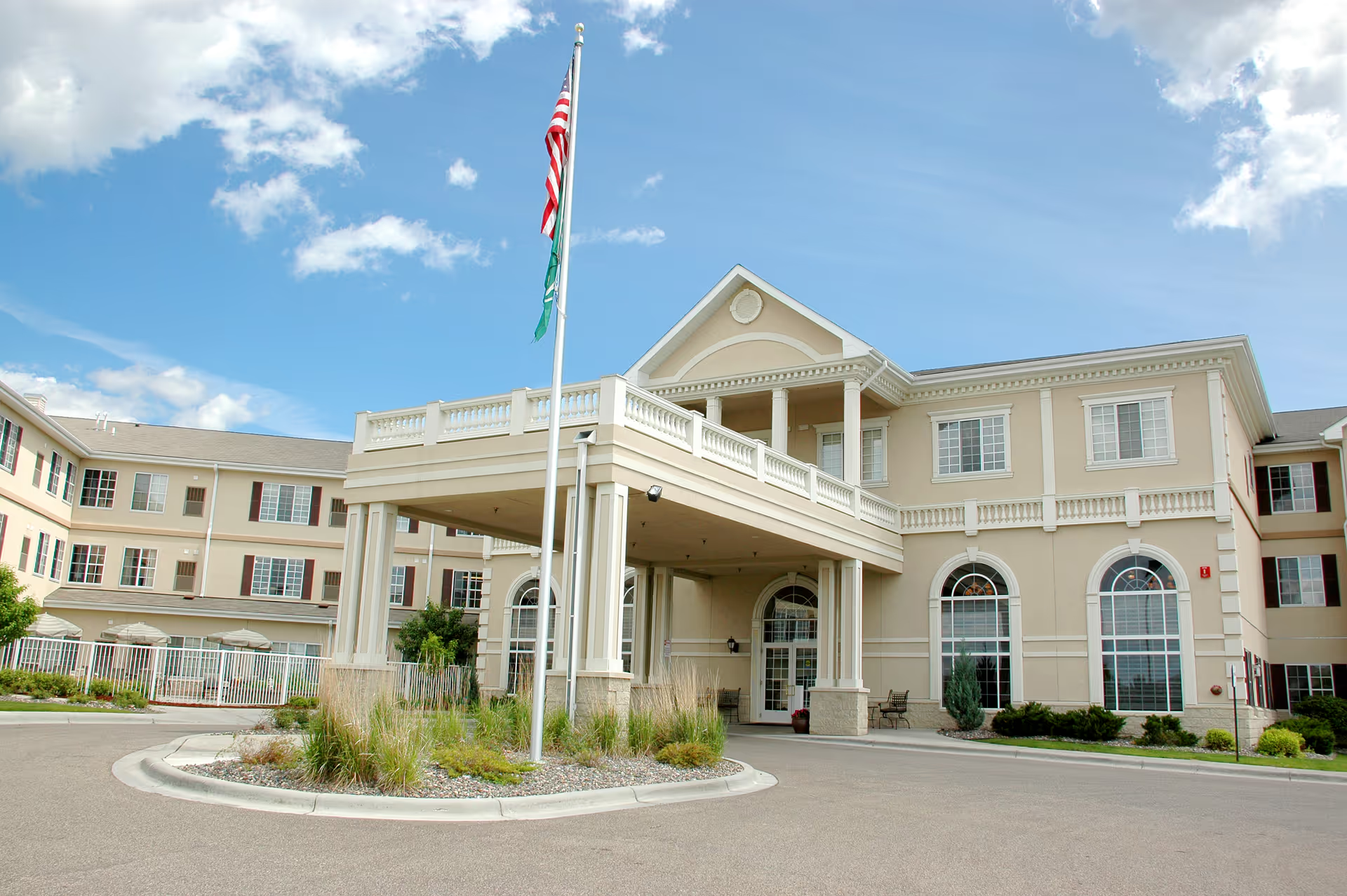
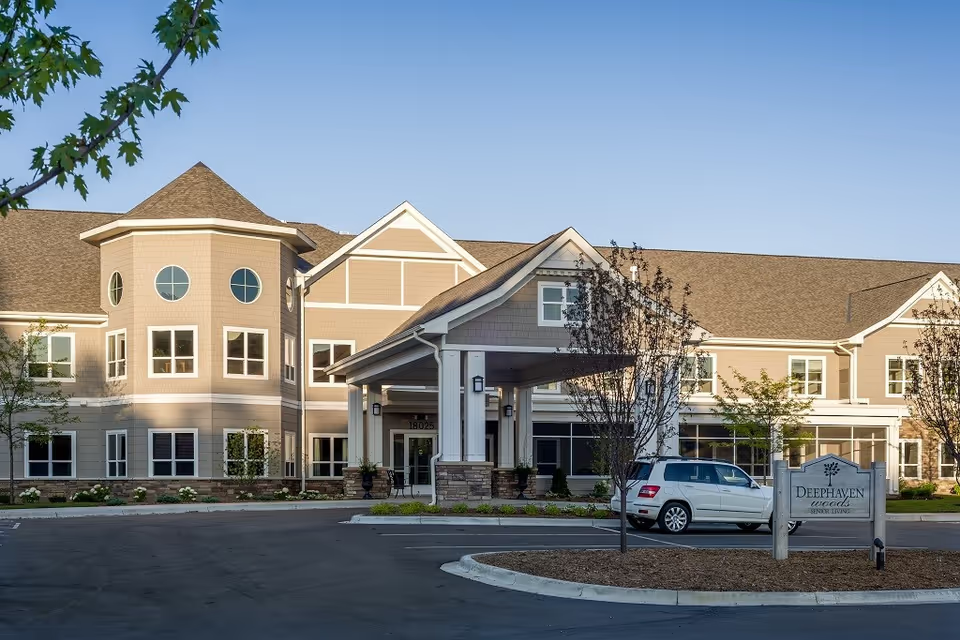
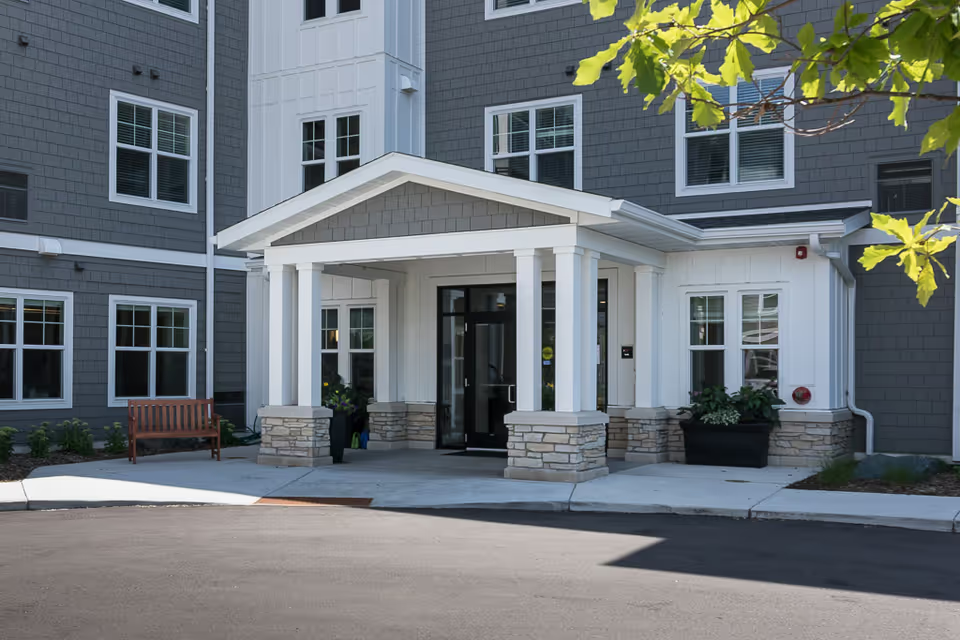
Overall impression: Reviews describe a facility with a largely new, clean, and attractive physical environment and a caregiving team that is frequently praised for compassion and professionalism. The property offers a broad set of amenities — chapel/sanctuary, dining room, library, exercise room, bistro/coffee shop, outdoor deck and fireplace — and many residents and family members highlight pleasant common areas and an up-to-date, homey atmosphere. Pricing and perceived value are noted positively, and furnished, move-in-ready apartment options are available for short- and longer-term stays.
Care and staff: Clinical care and therapy are consistently cited as strengths. Several accounts emphasize strong short-term rehabilitation services, attentive nurses and therapists, and positive interactions with food-preparation and support staff. At the same time, a recurring operational pattern is inconsistent administrative responsiveness and staffing variability. Reviewers described periods of hurried or short-staffed shifts, turnover, and delays in communication that can affect scheduling, family updates, and timely coordination of services.
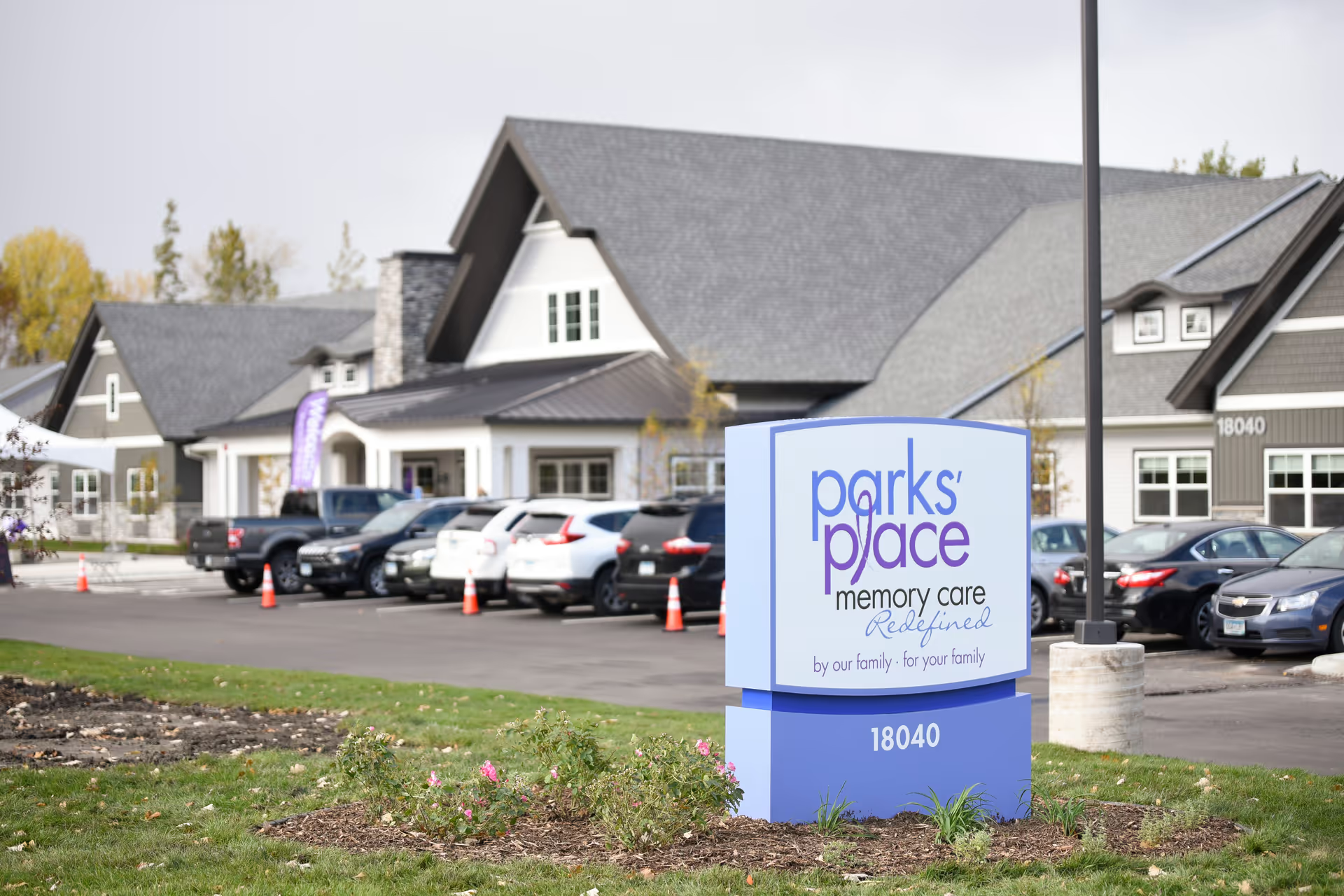
Dementia and memory care: The community maintains a standalone memory-care unit, but reviewers raised concerns about its suitability for residents with advanced needs. Identified issues include limited programming and walking space in the memory-care area and staff skill gaps for higher-acuity dementia care. Families considering memory care should inquire specifically about dementia training, staffing ratios, and the layout available for residents who require more circulation and specialized engagement.
Rehabilitation and clinical coordination: Positive experiences with rehabilitation therapists and nursing were reported, as was an organized short-term rehab unit. However, there are examples of inconsistent coordination — delayed PT/OT scheduling, and assistive equipment being ordered or delivered without family consultation. These point to process gaps in therapy scheduling and discharge/onboarding workflows that can affect continuity of care.
Activities and transportation: The facility offers a varied activity calendar (bingo, movie nights, singing, physical activity classes, book and gardening clubs, Bible study), and an active resident community supports social engagement and fundraising trips. Activity levels appear stronger in general assisted-living areas than in memory care, and weekday programming can be limited. Transportation for outings is available occasionally via shuttle or buses, but reviewers noted a lack of a dedicated in-house bus for frequent excursions.
Management and communication: Management strengths include accommodating staff and caring responses during end-of-life or sensitive family situations. Conversely, persistent themes involve inconsistent follow-through from administration, occasional poor responsiveness to inquiries, and at least one example of problematic customer-service interactions. There are also reports of a waiting list and varying experiences depending on which building or unit a resident occupies; some locations were described as older or smaller and slated for updates, while others were characterized as brand-new.
What to verify on a visit: Prospective residents and families should confirm current staffing ratios and turnover rates, dementia-staff training and memory-care space, therapy scheduling processes and equipment-consultation practices, typical weekly activity calendars for the intended unit, and transportation availability for outings. Ask for examples of recent administrative improvements and for clear points of contact to address communication expectations.
In summary, Haven Homes Assisted Living presents many operational and environmental strengths — especially in rehabilitation, dining, cleanliness, and overall atmosphere — but also exhibits recurring administrative and staffing challenges and limitations in memory-care programming and transportation resources. These mixed patterns suggest the facility offers strong baseline services that can be uneven in execution; a focused tour and specific questions about the areas described above will help families assess fit for their needs.