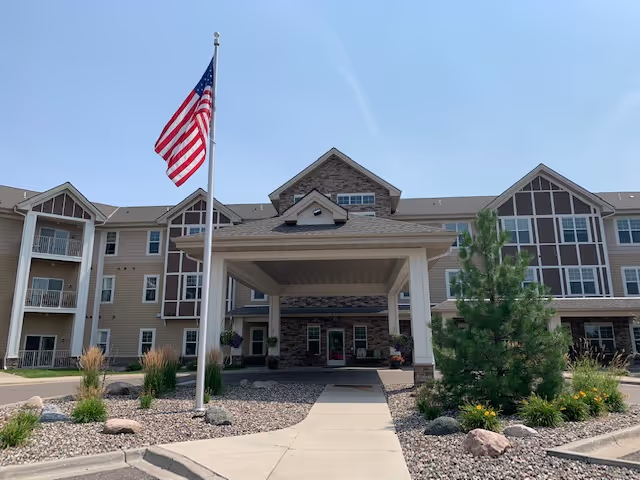
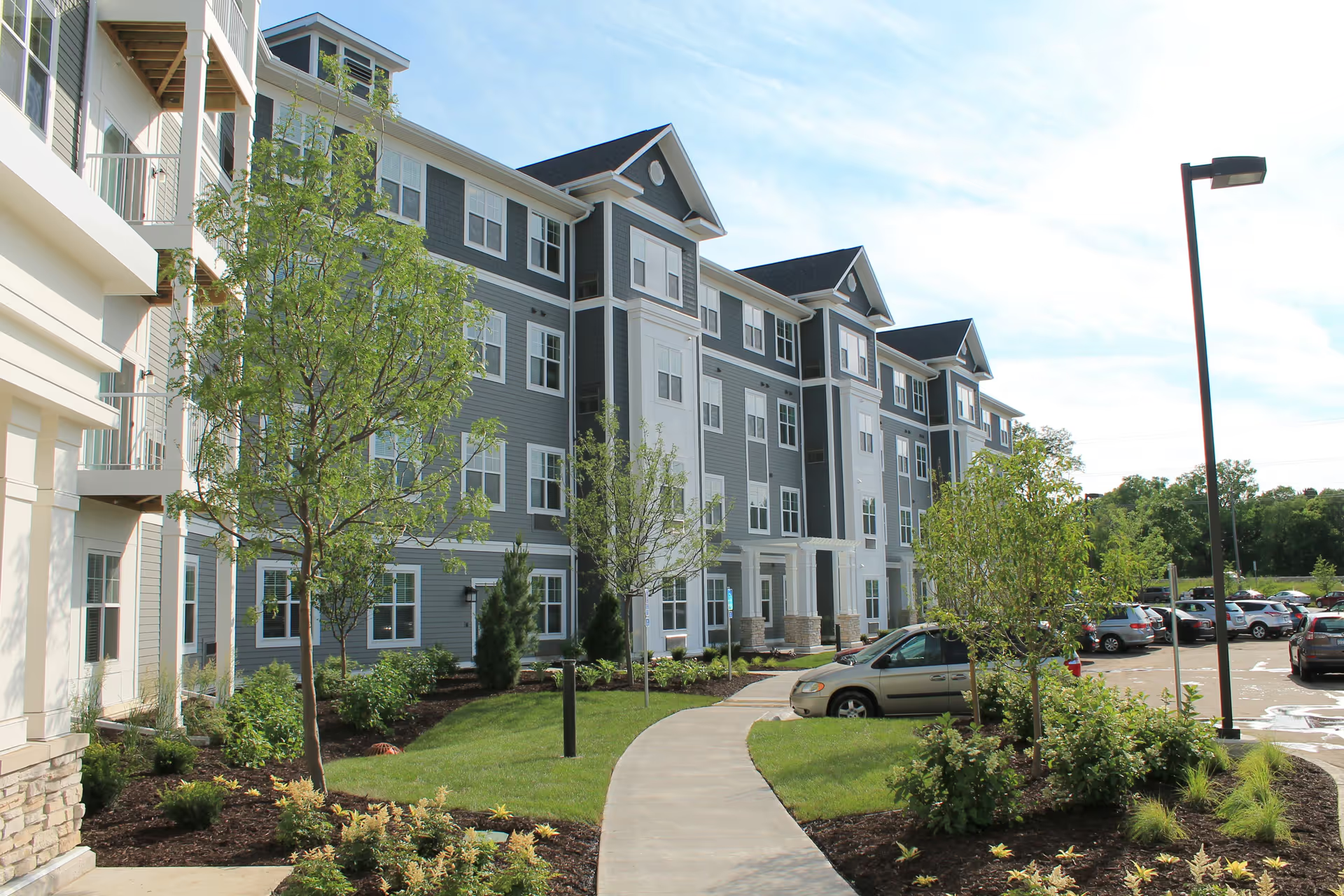
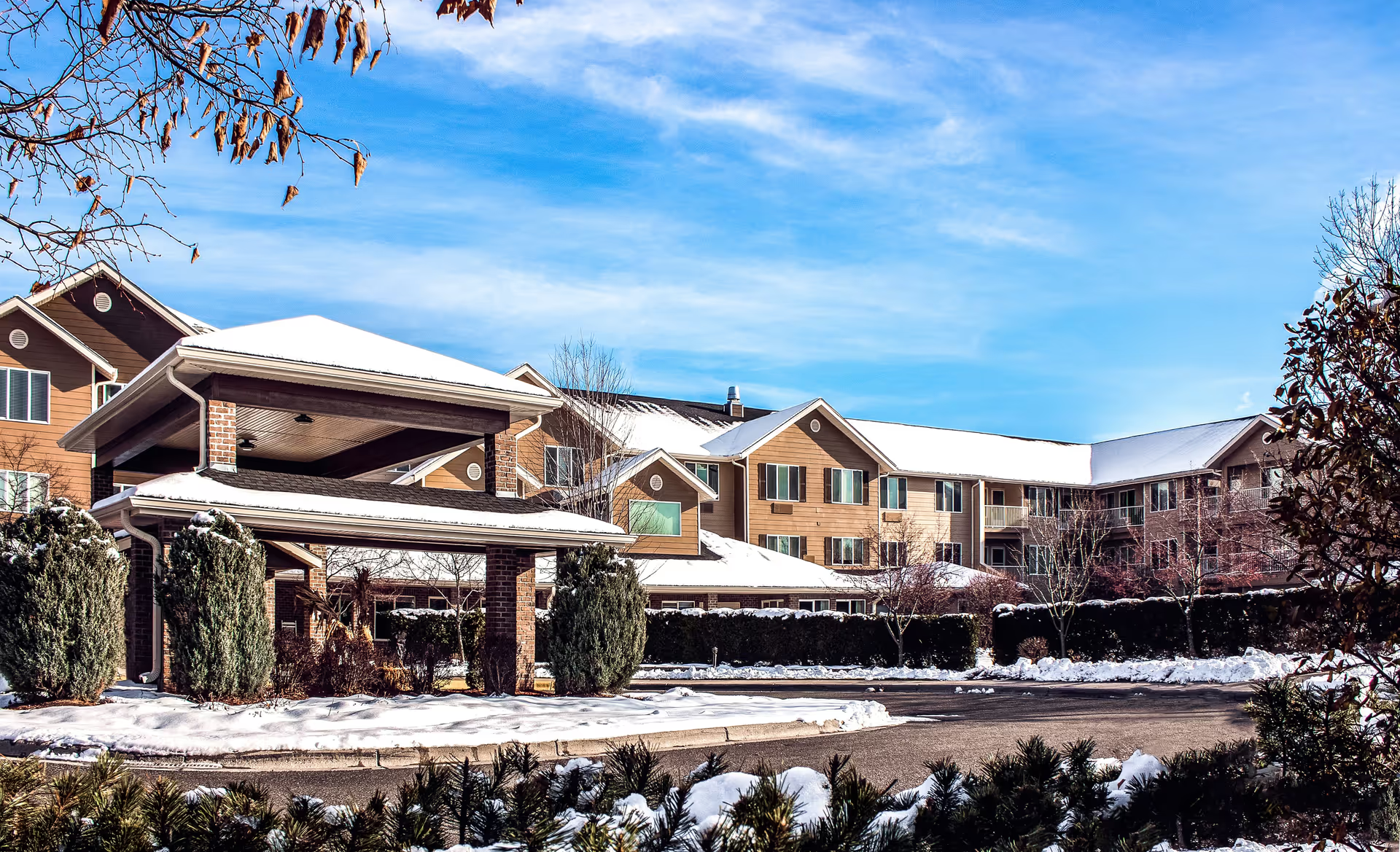
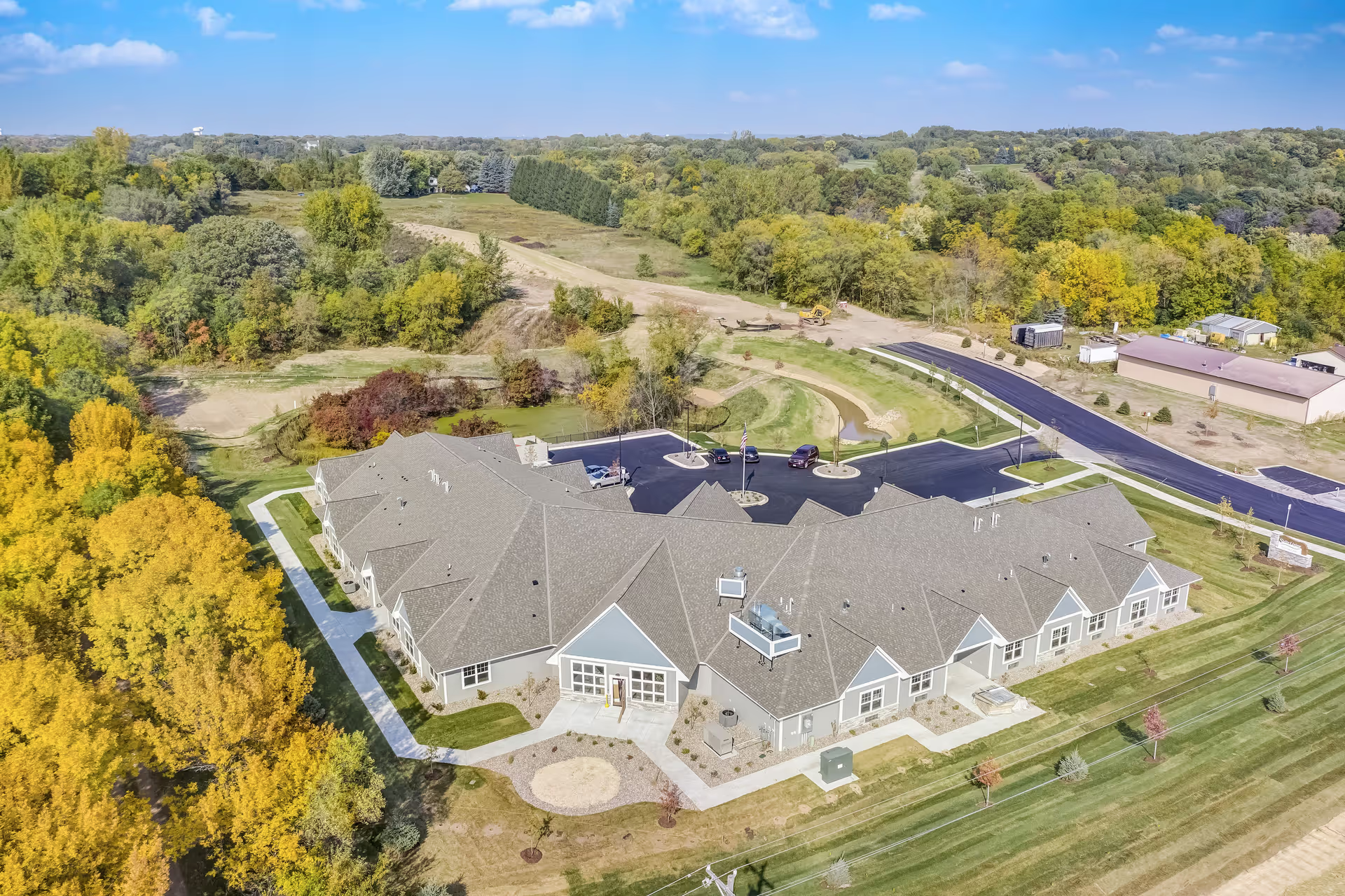
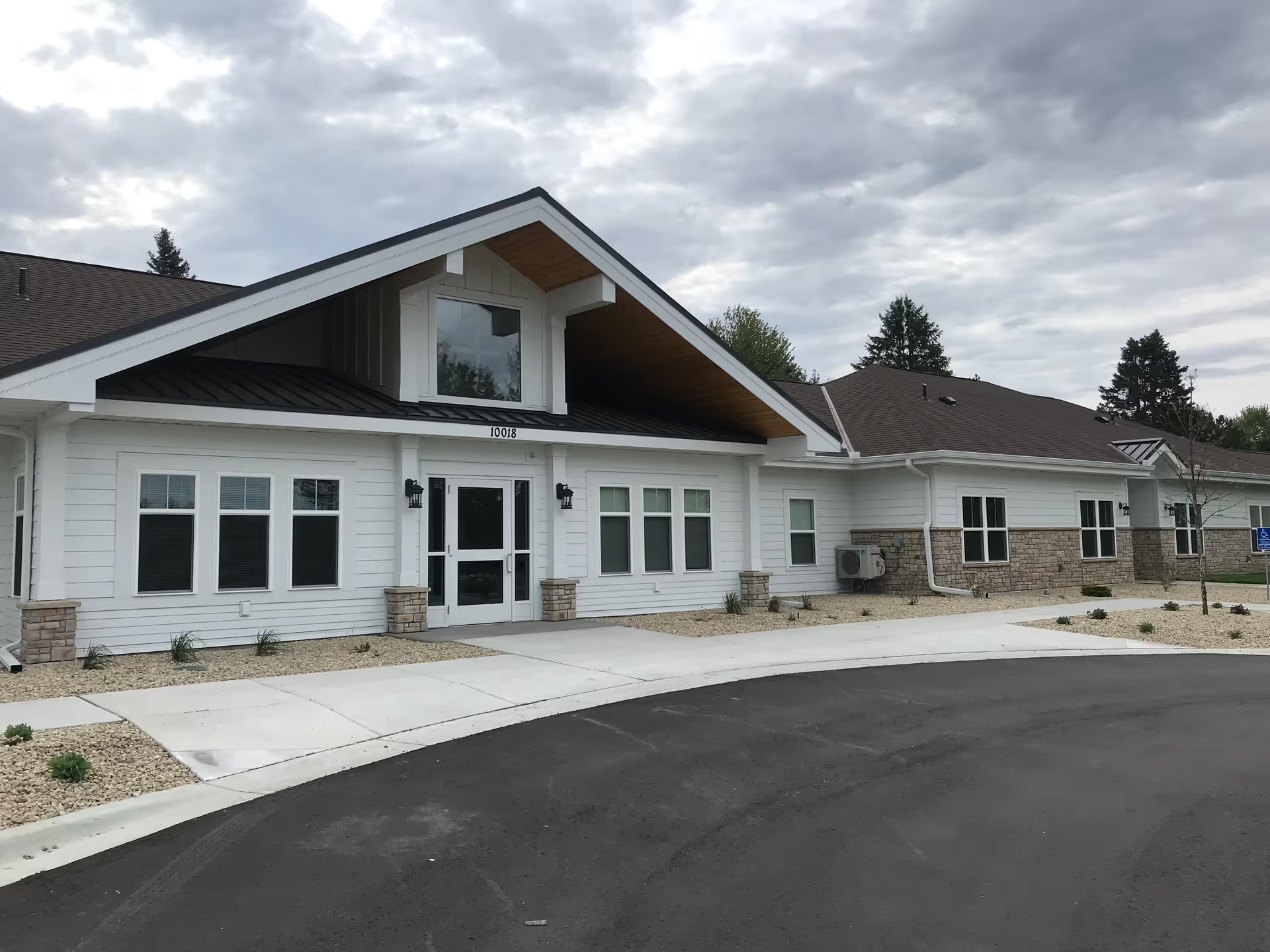
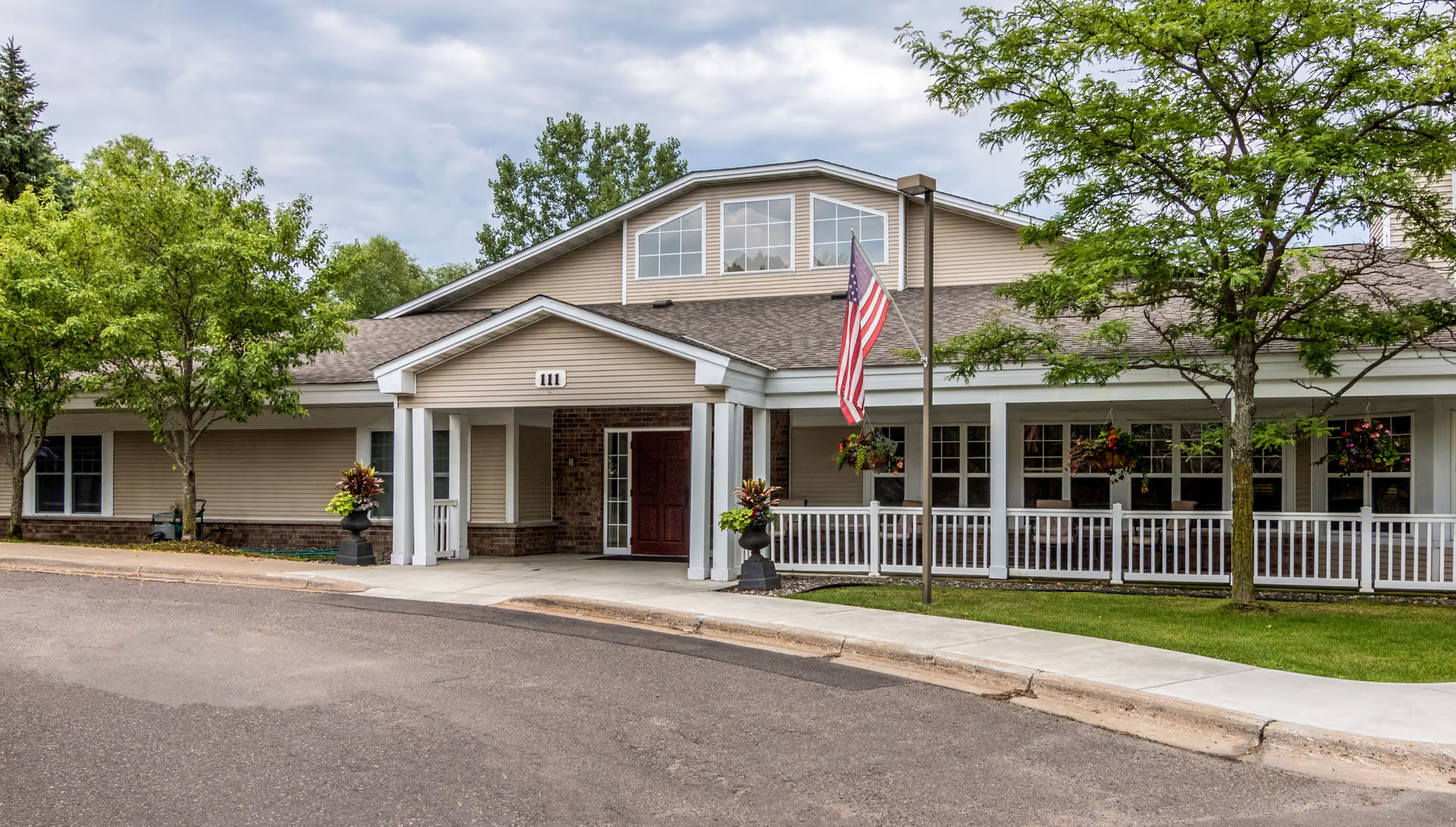
The reviews for Maple Hill Senior Living present a polarized picture: many families and staff describe a bright, well‑appointed facility with an active social program and caring individuals, while other accounts raise significant operational and clinical concerns. Strengths commonly cited include an energetic activities program led by a dedicated Activities Director, on‑site therapy and periodic physician visits, an attractive restaurant‑style dining room, and a range of amenities such as a salon, library, laundry, and enclosed outdoor spaces. Interior common areas are frequently described as clean and inviting, and several reviewers highlighted helpful maintenance staff and a secure building entry.
Care quality and clinical operations are the areas with the most divergent experiences. Positive notes emphasize attentive, individualized care and responsive nursing in many interactions. However, a number of reviews describe inconsistent medication administration, failures to follow physician orders, delayed clinical responses that led to emergency transfers, and concerns following a resident's hospitalization and, in one case, a subsequent death. There are also repeated comments about inconsistent assistance with activities of daily living (bathing, dressing, meal assistance), which families link to staffing patterns and training gaps.
Staffing and management emerge as central drivers of both praise and concern. Several reviewers commend specific aides, nurses, and managers for compassionate, above‑and‑beyond service; others report high staff turnover, understaffing, and inexperienced or inadequately supervised workers. Call‑button responsiveness and night/weekend coverage are particular trouble spots in critical accounts. Management receives mixed evaluations: some note professional leadership and good follow‑through, while others describe poor case management, communication failures, and unresolved billing or refund disputes. A subset of reviews raises serious allegations about staff conduct and mentions regulatory or legal activity; these are significant issues that prospective residents and families should investigate directly.
Dining and activities are generally strong points, though not uniformly. Many reviews praise the food quality, variety, themed events, and restaurant‑style dining. Counterpoints include reports of meal delays, stock shortages, and chef turnover that affected consistency. Activities programming is widely noted as a positive influence on residents’ social engagement and physical activity, with offerings such as group exercise, bowling/Wii bowling, outings, and volunteer visits.
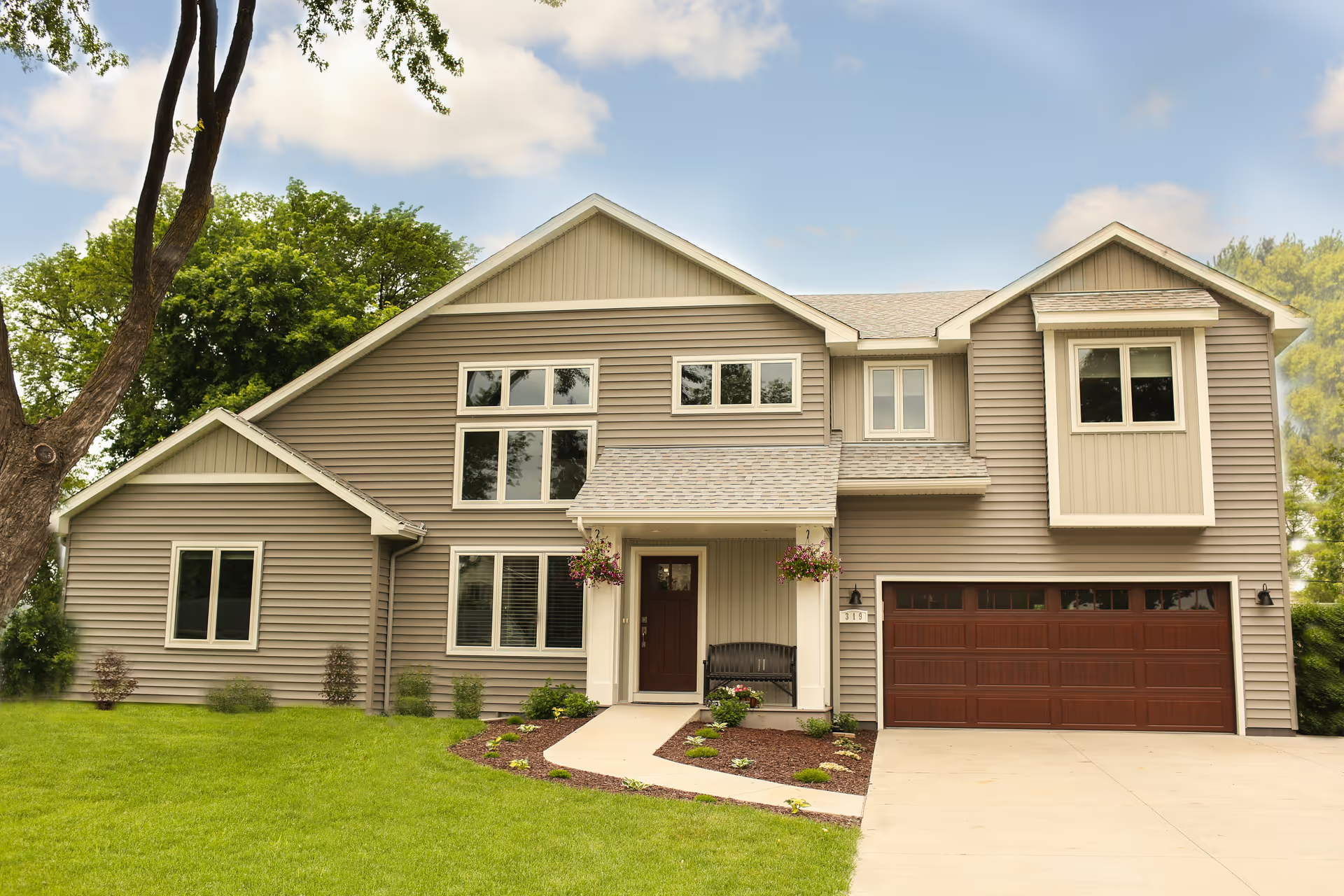
Facility condition and amenities are also mixed. Interiors, common spaces, and landscaping are frequently described as attractive and well‑kept, supporting a home‑like atmosphere for many residents. At the same time, multiple comments call out small apartment footprints, limited in‑room amenities (for example, missing kitchen sinks or motel‑style layouts), exterior maintenance issues, and pest‑control concerns in some areas.
Notable patterns across reviews point to operational weaknesses tied to staffing, clinical oversight, and communication. These seem to underlie many of the more serious clinical and service failures cited. Prospective families should prioritize direct questions during a tour about current staffing levels (including night/weekend coverage), medication‑management protocols, emergency transfer procedures and identification, housekeeping schedules, pest control practices, staff training programs, and the facility’s process for resolving billing or care grievances. Reviewing recent inspection records and contacting family references or ombudsman resources can also help clarify whether the facility’s strengths or its risk areas align with a prospective resident’s needs.