Overall impression: Reviews present a polarized but consistent pattern: many families describe a warm, home-like facility with strong interpersonal caregiving, while other accounts raise operational concerns that may affect higher-acuity residents or families seeking firm administrative communication. The facility's atmosphere, décor, and individualized attention are frequently praised, but issues around staffing, meal service, admission decisions, and management communication recur and warrant verification during a tour.
Care and staff: Numerous accounts praise hands-on caregivers who provide attentive, compassionate care and treat residents like family. Reviewers highlight clear communication when health issues arise and note individualized attention and high standards for resident-focused care. At the same time, there are recurring operational concerns: staffing appears strained at times, with staff described as overworked and occasionally hurried. This contributes to variability in responsiveness and conduct across shifts; while many staff are courteous and go out of their way for residents, some families observed less-engaged interactions, particularly during busy periods.
Dining: Opinions on dining are mixed. Positive impressions focus on pleasant communal mealtimes and a relaxed atmosphere. Conversely, there are specific complaints about inadequate meal portions or missed meal needs, which suggest inconsistent meal-service continuity. Prospective families should clarify meal schedules, portioning, and accommodations for special dietary or caloric needs prior to placement.
Activities and environment: The facility's nostalgic, thoughtfully decorated interior and family-friendly common spaces are consistent strengths. Reviewers frequently describe a quiet, relaxed setting with a variety of activities aimed at evoking memories and supporting social engagement. Rooms with conveniences such as a fireplace, microwave, fridge, and computer access are noted as contributing to a residential feel.
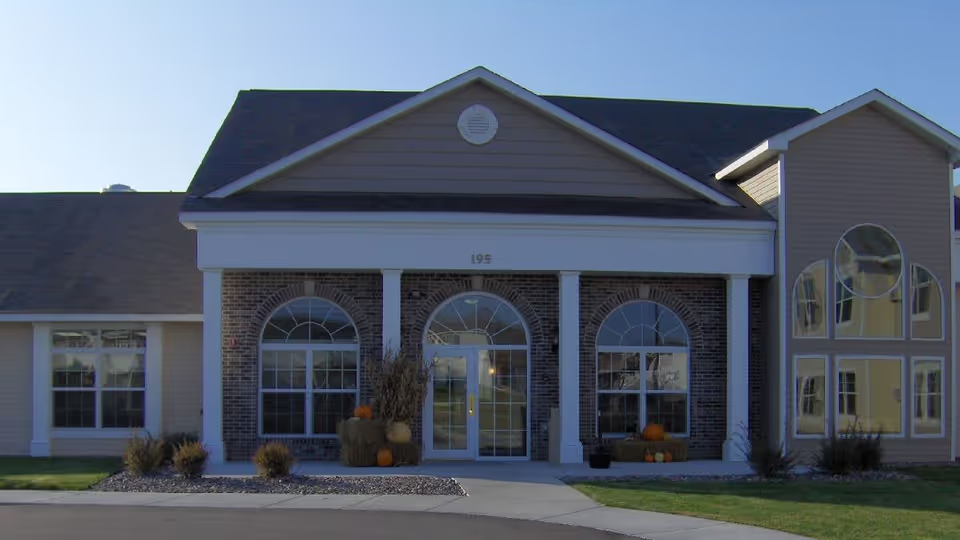
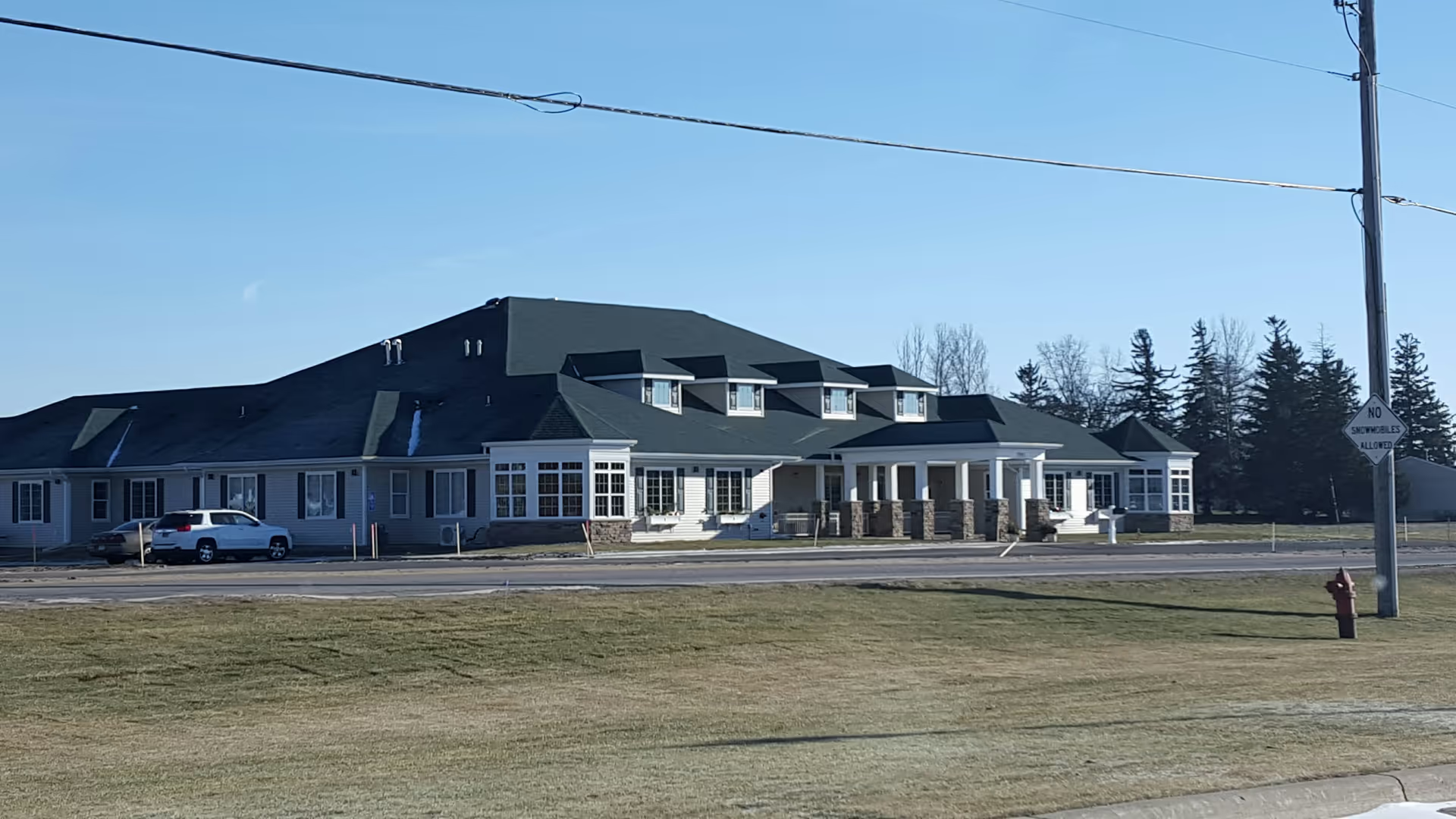
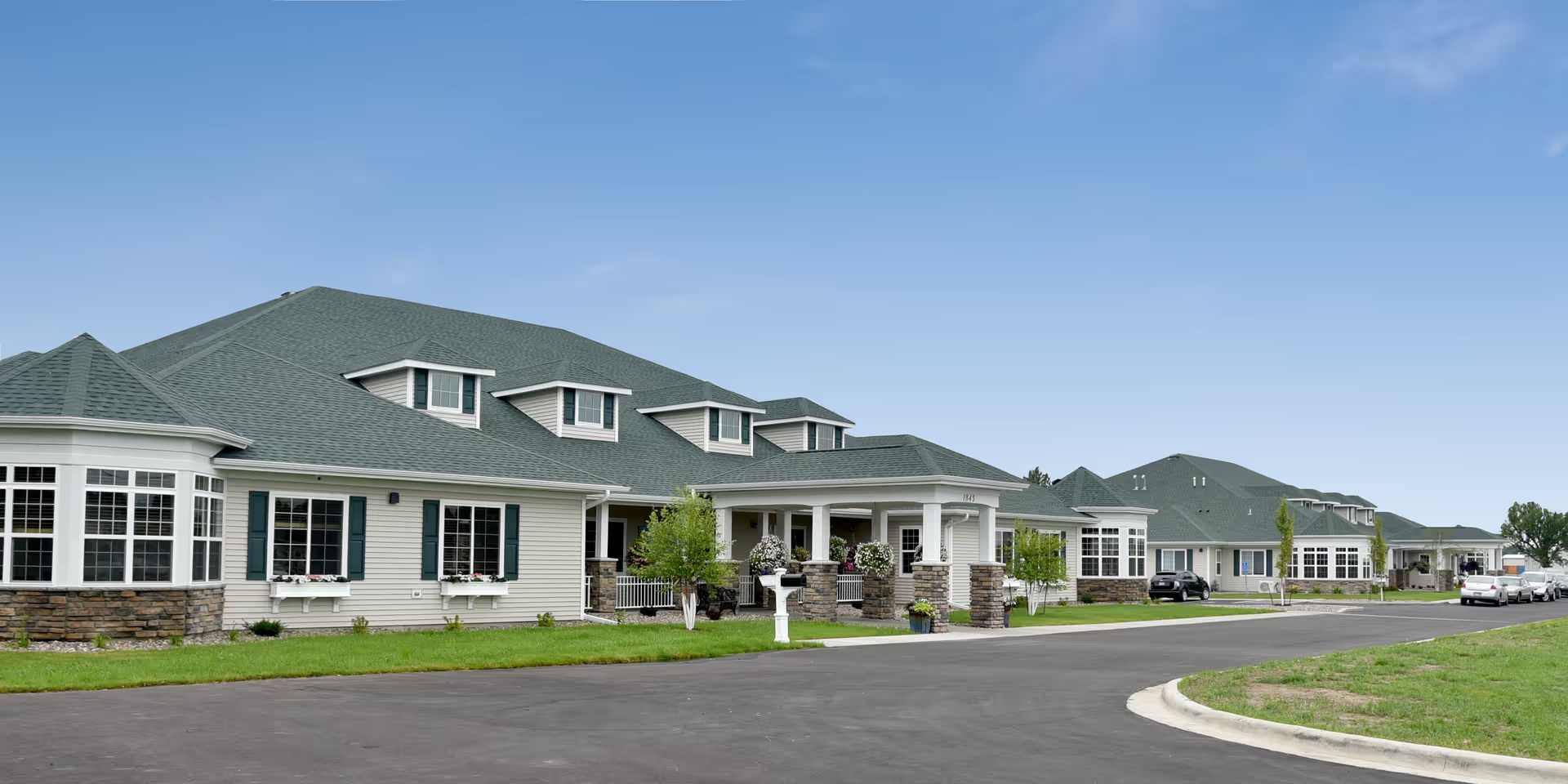
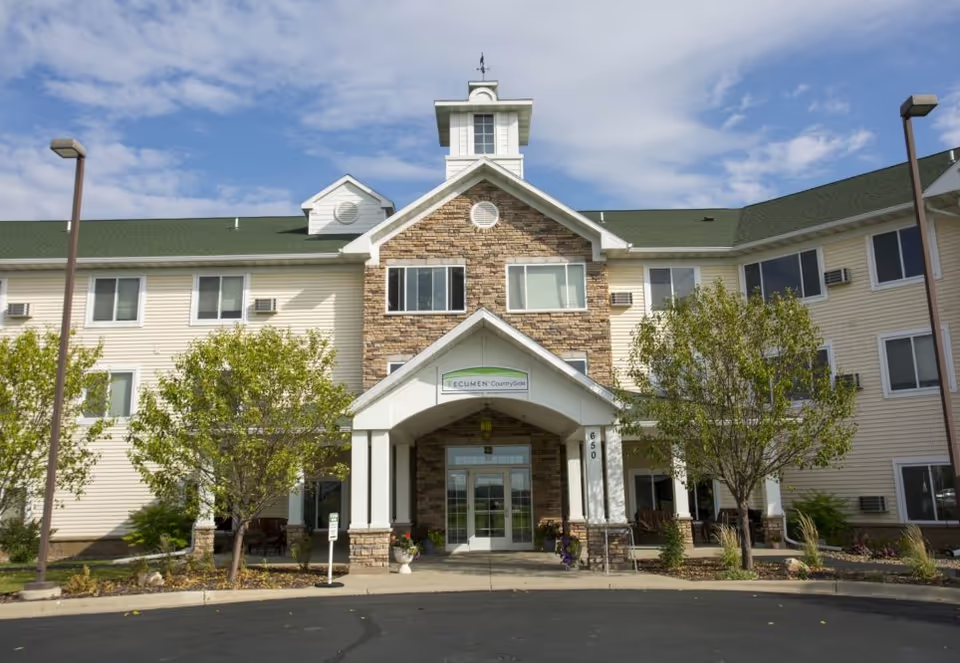
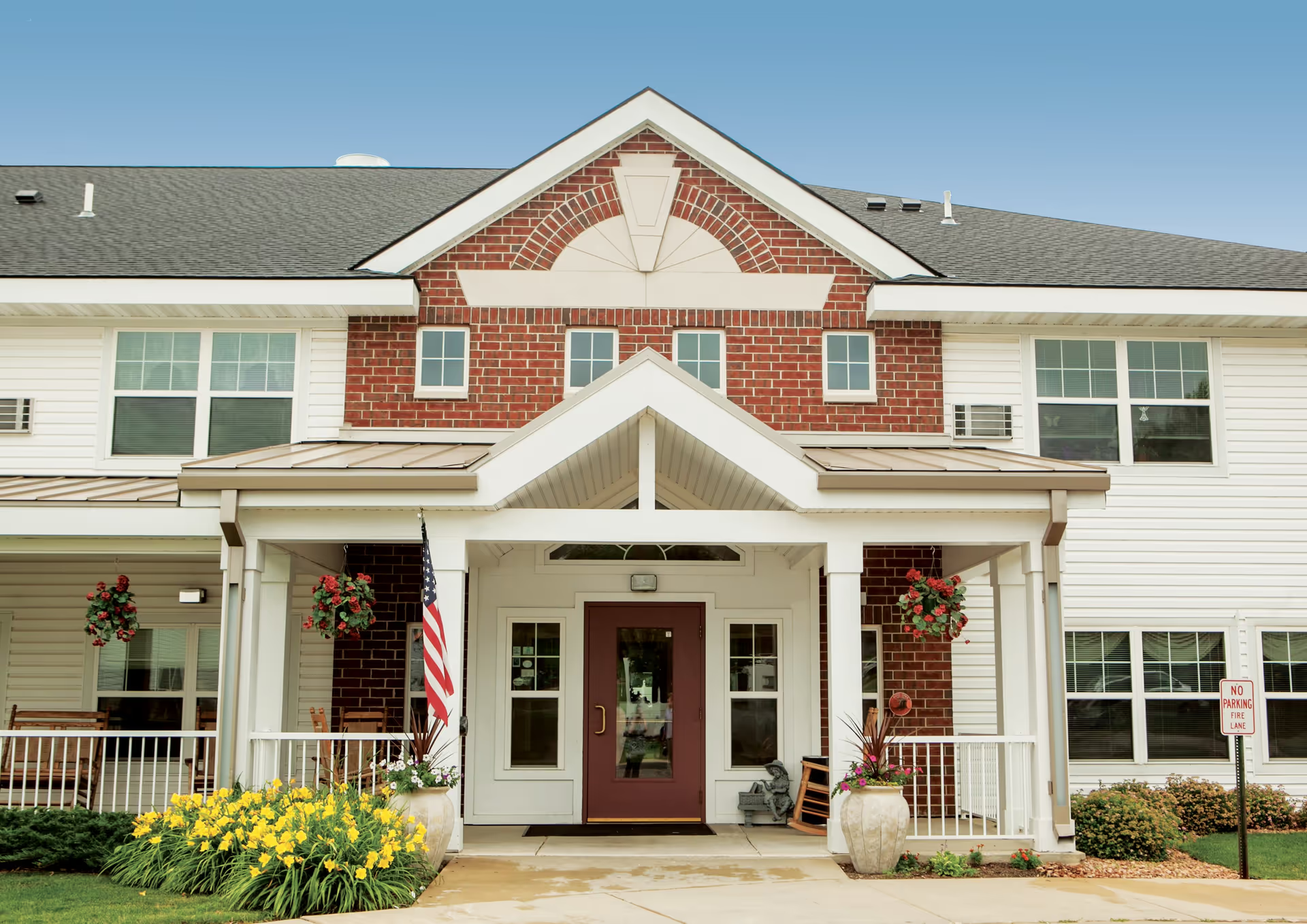
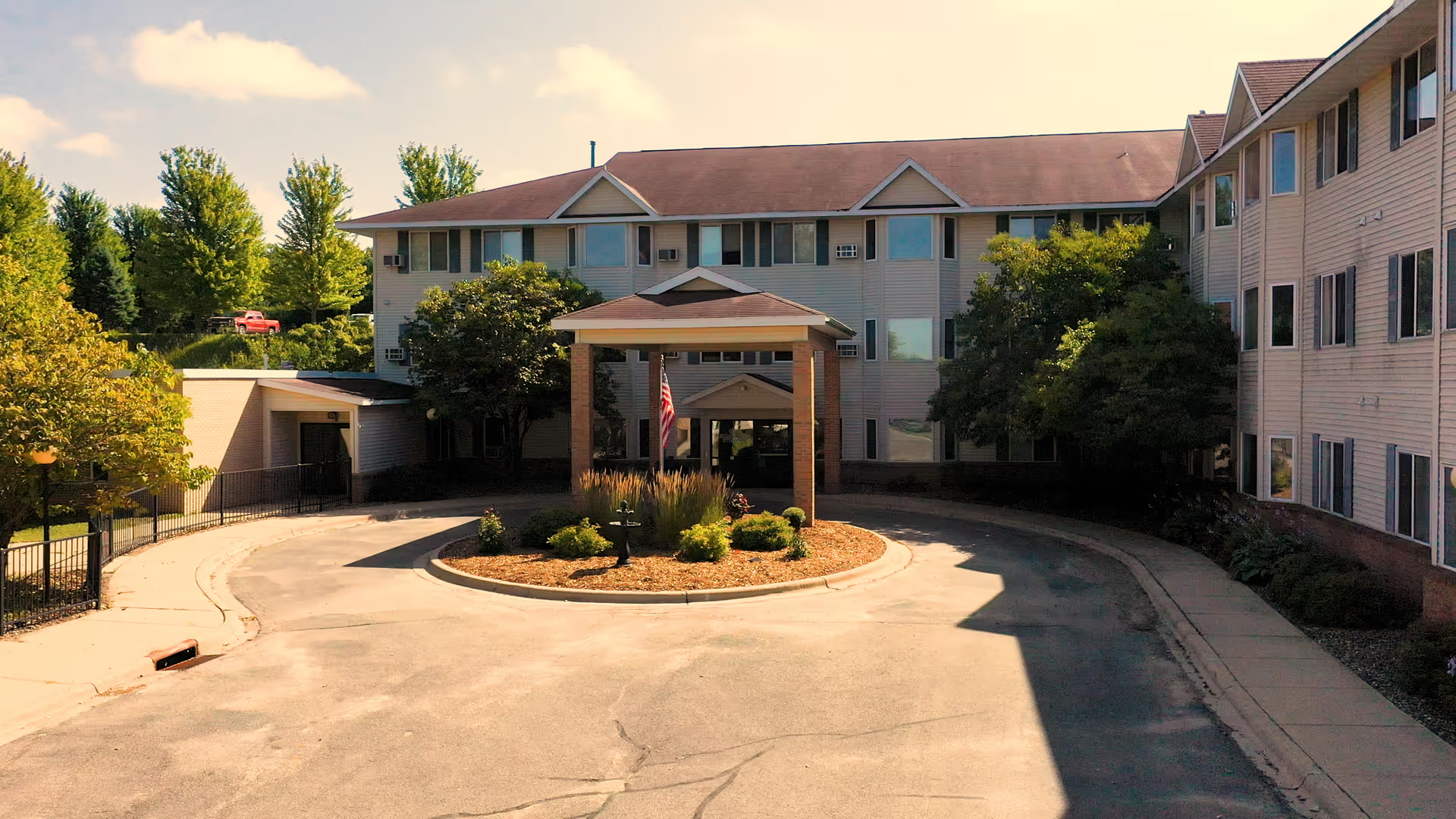
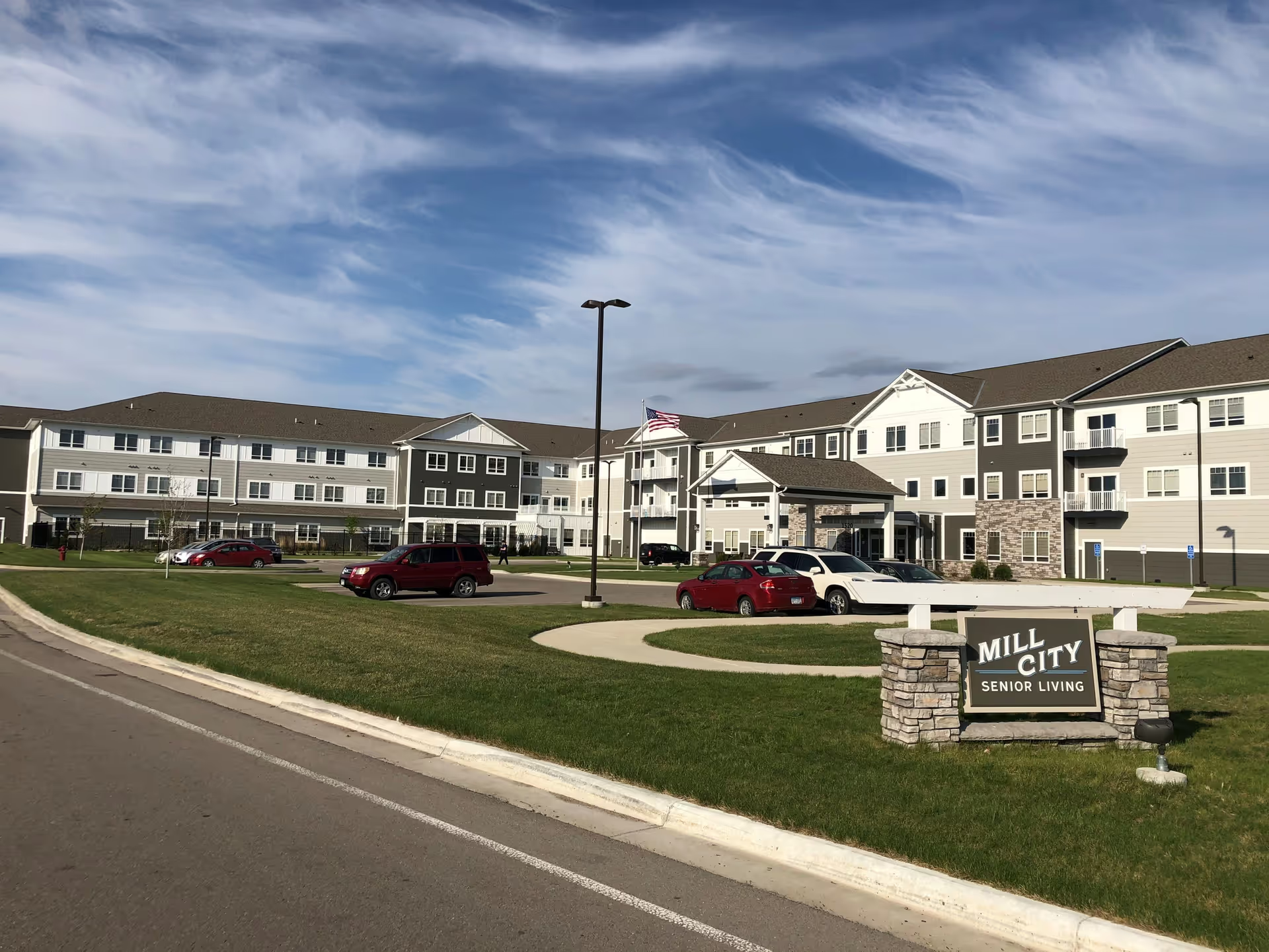
Facilities: Cleanliness and maintenance are generally described positively; the building's charm and attention to décor are strong selling points. The physical environment appears well-suited to a residential model of long-term care, with inviting common areas and private-room amenities that many families appreciate.
Management and policies: Management impressions are mixed. Some families praise courteous owners and an owner-invested culture, while others raise concerns about admission and discharge practices that appear linked to financial or acuity considerations. Several accounts describe abrupt or unsatisfactory communications around admissions and 30-day notices; others describe reluctance to accept certain higher-acuity residents or guidance to seek emergency services instead. There are also comments that an ownership transition has coincided with perceived operational changes and a decline in aspects of care quality for some families.
Notable patterns and recommendations: The dominant positive themes are personalized caregiving, a homelike environment, and active programming. The dominant concerns are operational: staffing strain, inconsistent meal-service reliability, unclear scope for higher-acuity or hospice-level care, and variable management communication. Prospective residents and families should visit at different times of day, observe staff–resident interactions during meals and activities, ask for current staffing ratios and turnover statistics, confirm the facility's policy and capability for hospice and two-person transfers, and review written policies on admission, discharge, and family communication. These steps can help determine whether the facility's strengths align with an individual resident's clinical and social needs.