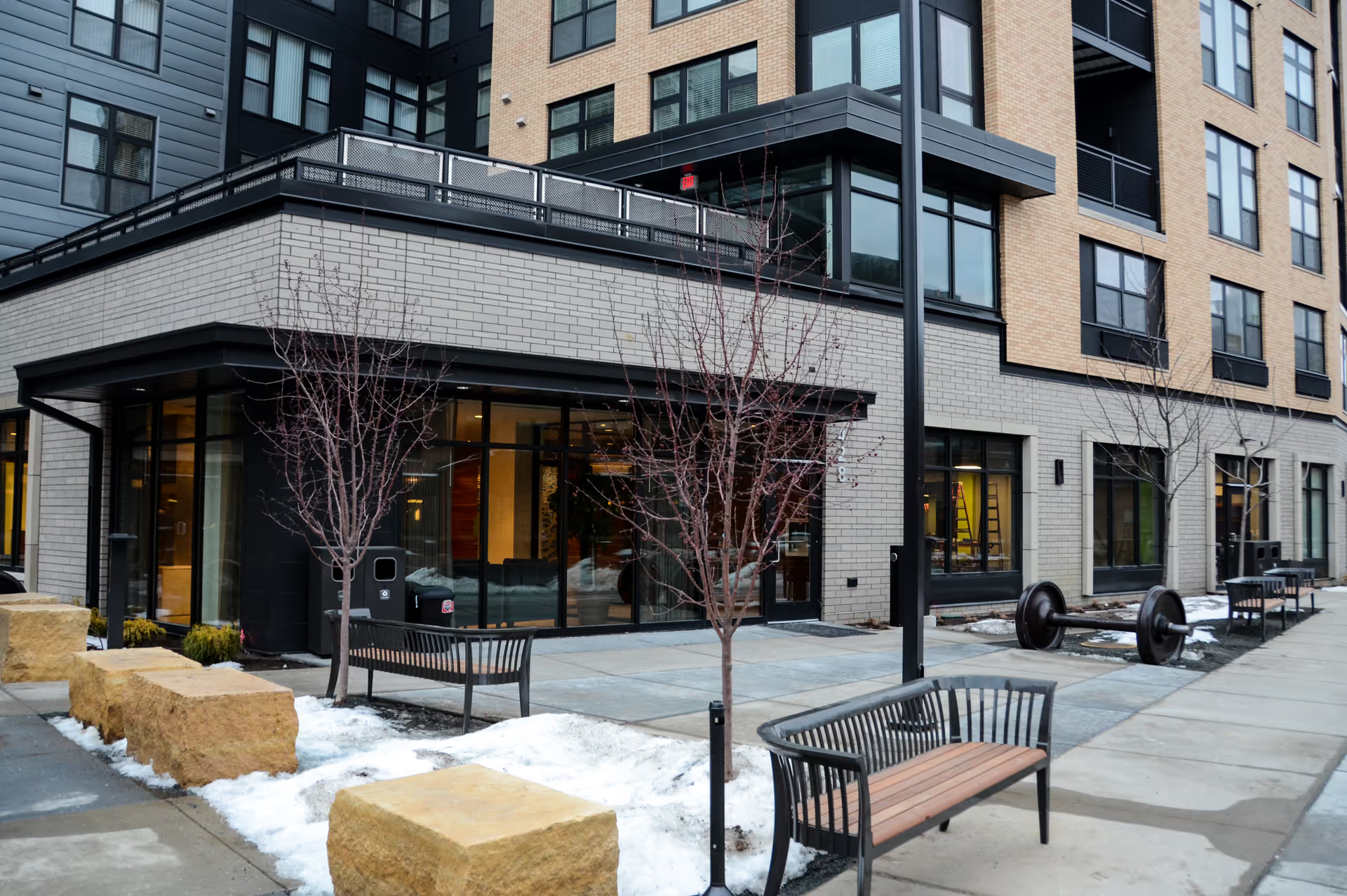
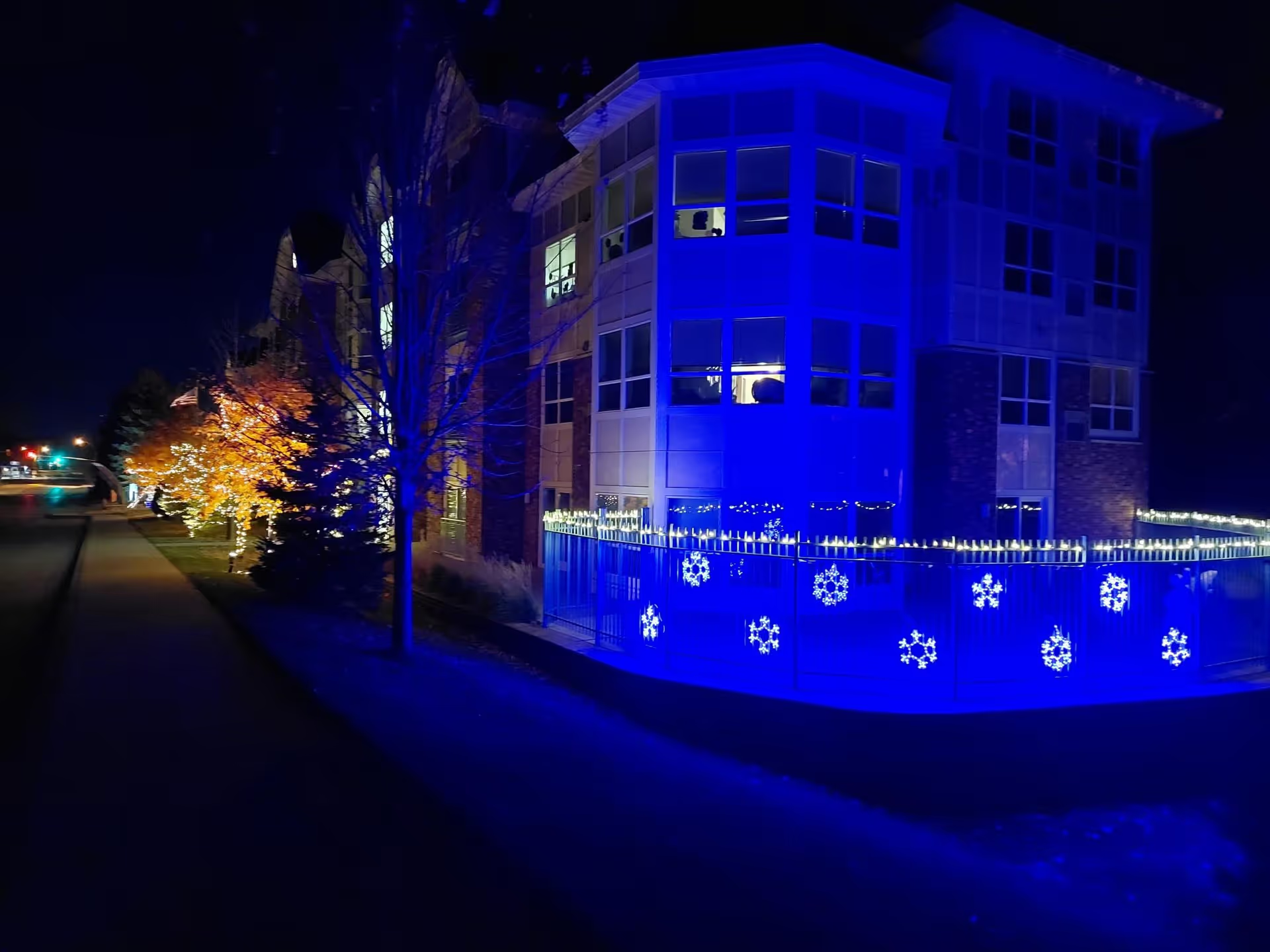
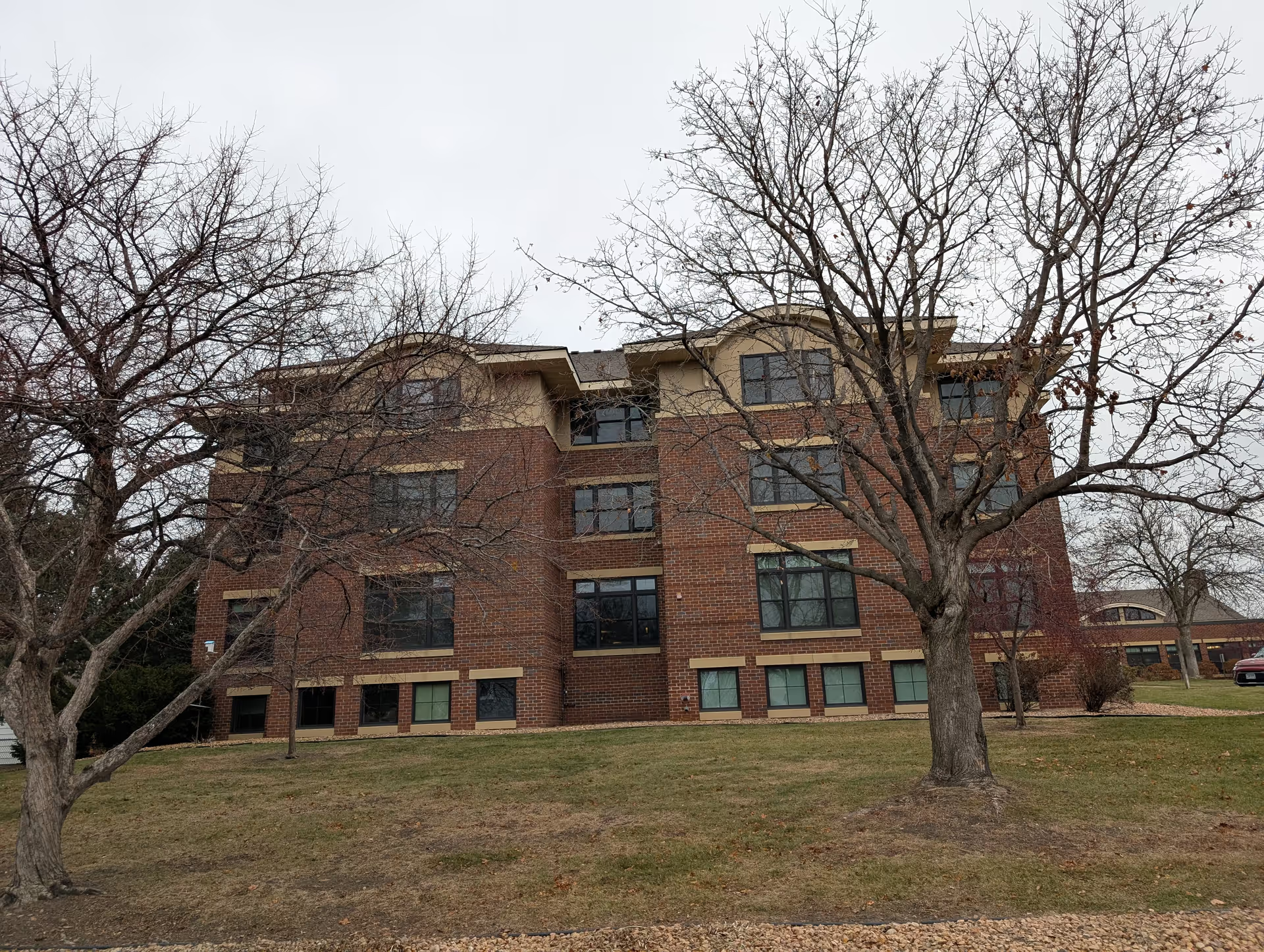
The Pillars of Prospect Park presents as a modern, well-appointed senior living community with many built-in strengths. Reviewers consistently note the facility's contemporary design, bright public spaces, and thoughtful amenities — floor-to-ceiling windows, an atrium with outdoor deck areas, rooftop lounge space, salon, library, exercise room, and underground parking. Apartments and common areas are frequently described as tastefully finished, and the location near transit and neighborhood services is widely regarded as convenient.
Clinical and day-to-day caregiving receives mixed-but-overall-positive commentary. Many accounts highlight a caring, approachable direct-care workforce, visible clinical leadership, and staff described as empathetic and organized. The property offers a full continuum of care (independent living through assisted living and an on-site secured memory-care unit), which reviewers see as an advantage for families seeking continuity. At the same time, several reviewers raised operational concerns that point to unevenness in care delivery: workload pressures on staff, variability in performance between shifts or units, and specific incontinence-care delays and related sanitation concerns. These issues appear as operational weaknesses rather than systemic clinical incompetence; however, they are significant enough that prospective residents and families should inquire about current staffing levels, supervision, and incident-response protocols.
Dining and programming are strong focal points for the community. The culinary program, dining rooms, and special-event meals earn frequent praise for quality and presentation; however, there are also comments describing inconsistent food experiences, suggesting variability over time or by meal. Activities programming is a clear asset: the schedule is broad and intellectually stimulating (gardening groups, book clubs, lectures, outings, exercise classes) and the intergenerational initiatives — an on-site childcare center and university partnerships — are repeatedly noted as enriching for residents. Staff involvement in programming and an inclusive approach to participation are described as deliberate and effective.
Management and administrative responsiveness show a split pattern. Several reviews emphasize hands-on, solutions-oriented leaders and an organized administrative approach that helped make transitions smooth. Conversely, other reviewers cite limited responsiveness from upper management, a perception that public appearance can be prioritized, and frustration when operational lapses occurred. Some concerns trace back to opening-period challenges and COVID-era slowdowns, factors that can produce transitional inconsistencies in service levels.
Overall, the facility is characterized by high-quality design, a broad activity and learning culture, strong intergenerational features, and many instances of attentive care and supportive staff. Notable patterns for prospective residents and families to probe further include current staffing levels and turnover, protocols for incontinence and personal care, consistency of meal service, and examples of how leadership has addressed past operational issues. A focused tour, direct conversation with care leadership, and review of recent staffing and quality metrics will help determine whether the community’s strengths align with an individual’s care needs and expectations.