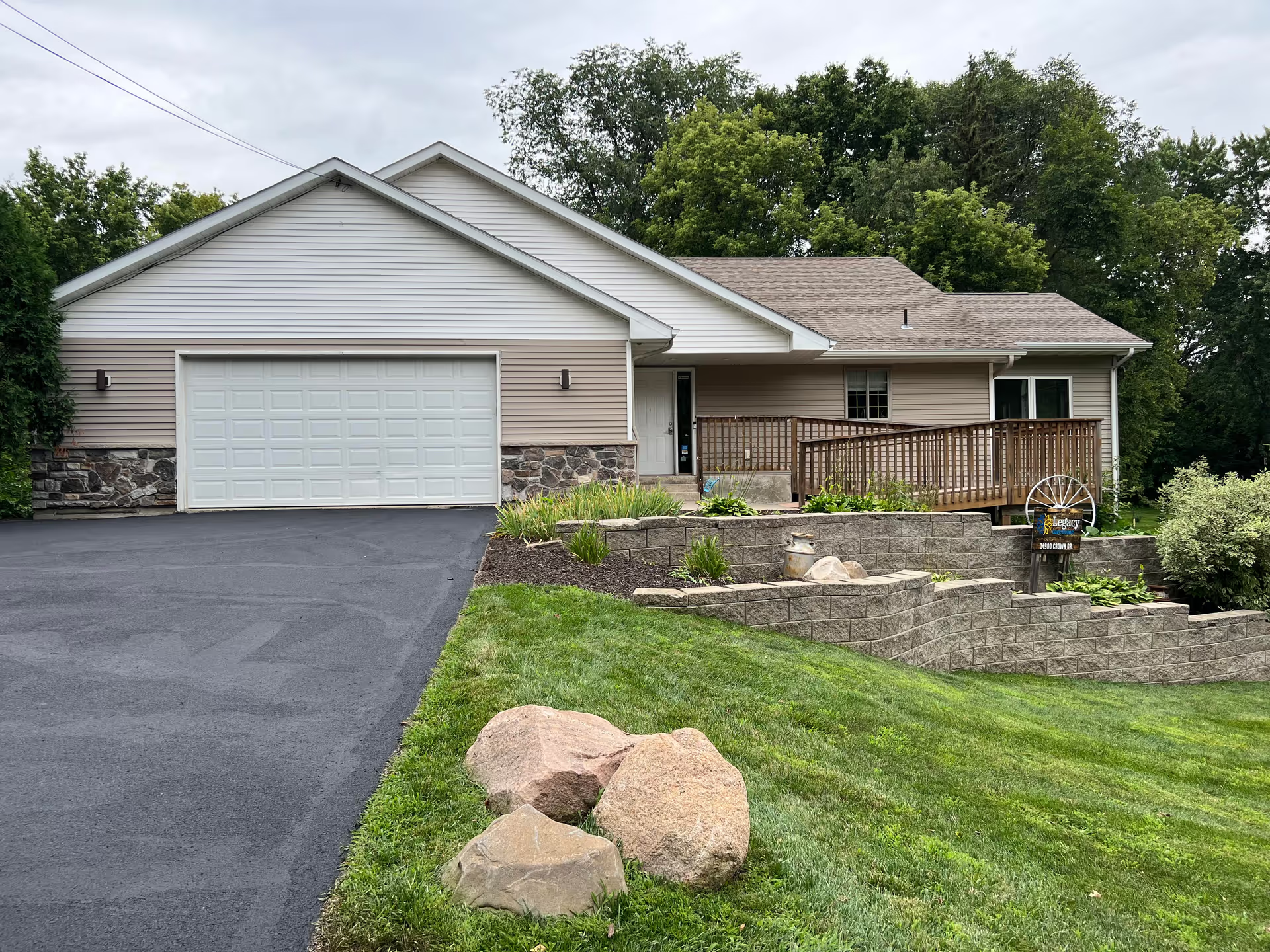
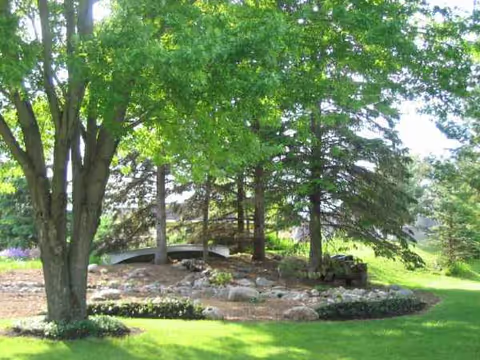
Overall impression: Reviews present a mixed but distinct pattern. Many families and visitors describe a warm, home-like atmosphere with caregivers who are kind, attentive, and focused on individualized needs. Several accounts highlight meaningful staff–resident relationships, a supportive group-home model, and regular outings that include museums, performances, orchard visits, and boat excursions. Outdoor amenities such as a deck and backyard, and a generally safe, residential location, are noted as positive contributors to resident quality of life.
Care and staff: There is consistent praise for compassionate caregiving and for staff who treat residents with respect. Multiple reviewers described highly individualized attention, quick receptiveness to feedback, and a family-style culture that made residents appear content. At the same time, other accounts indicate variability in staff supervision and responsiveness; reviewers described delays in personal-care routines and instances suggesting inconsistent oversight. Some reviewers also raised concerns about informed-consent and clinical-procedure practices in isolated incidents, and questions about restraint and end-of-life decision processes were mentioned. Those items suggest the need for clarity around clinical protocols and consent documentation.
Dining and activities: The facility’s activity program is commonly cited as an asset — regular outings and social engagement are emphasized. Reports on dining are mixed: several families praised mealtime socialization and staff engagement, while others raised issues with meal quality, noting overly salty or processed offerings and occasional lapses in dining-room staff engagement. These accounts point to inconsistent meal preparation standards and uneven dining supervision rather than a uniformly negative or positive dining program.
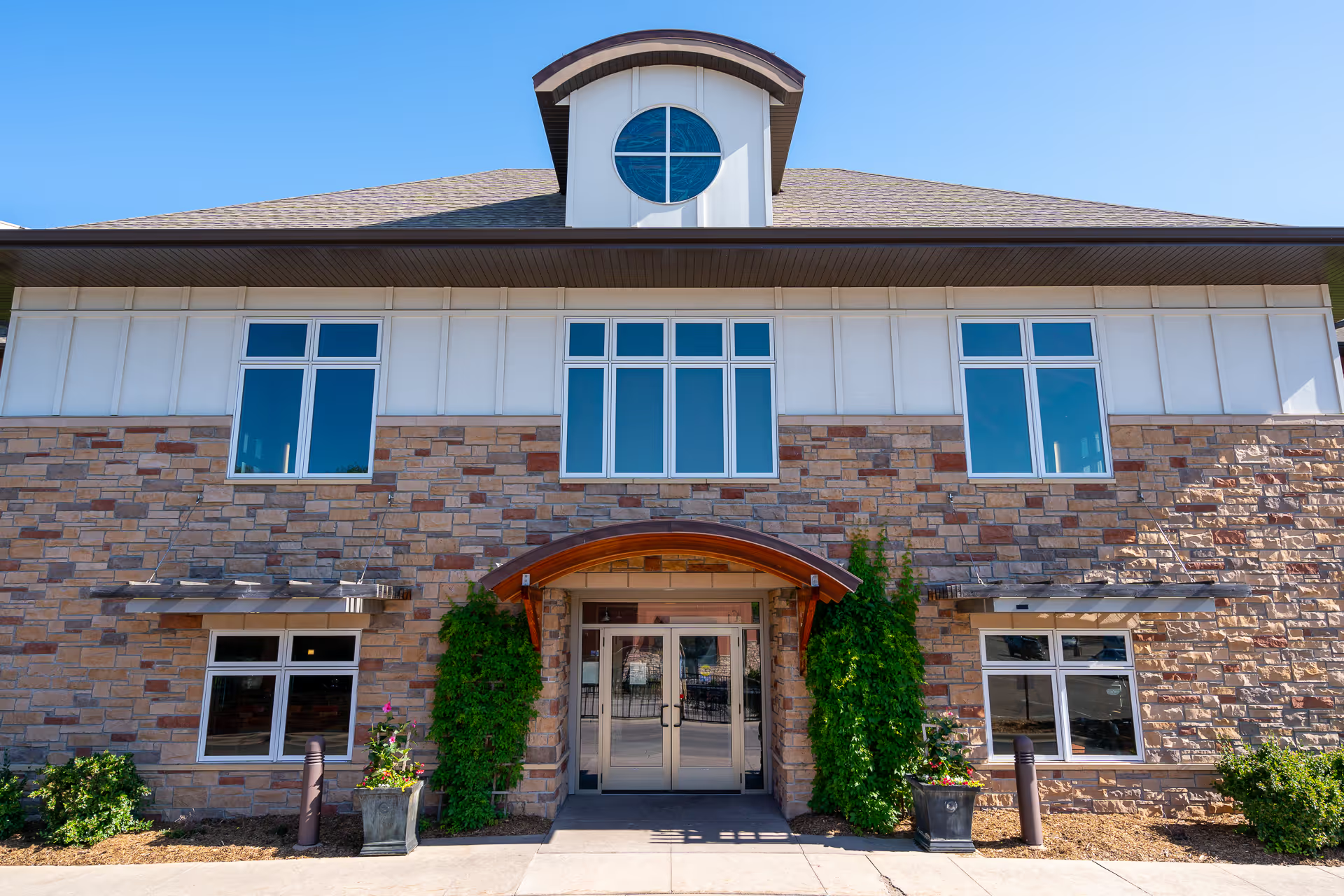
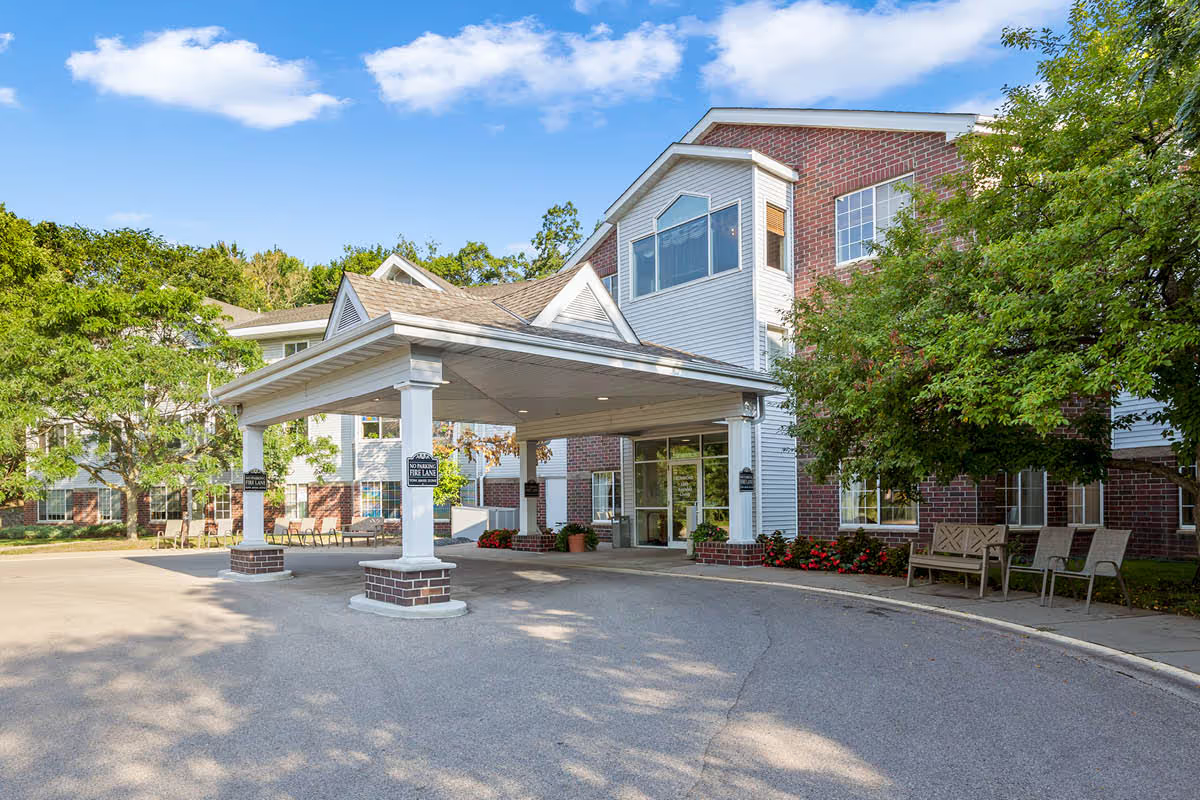
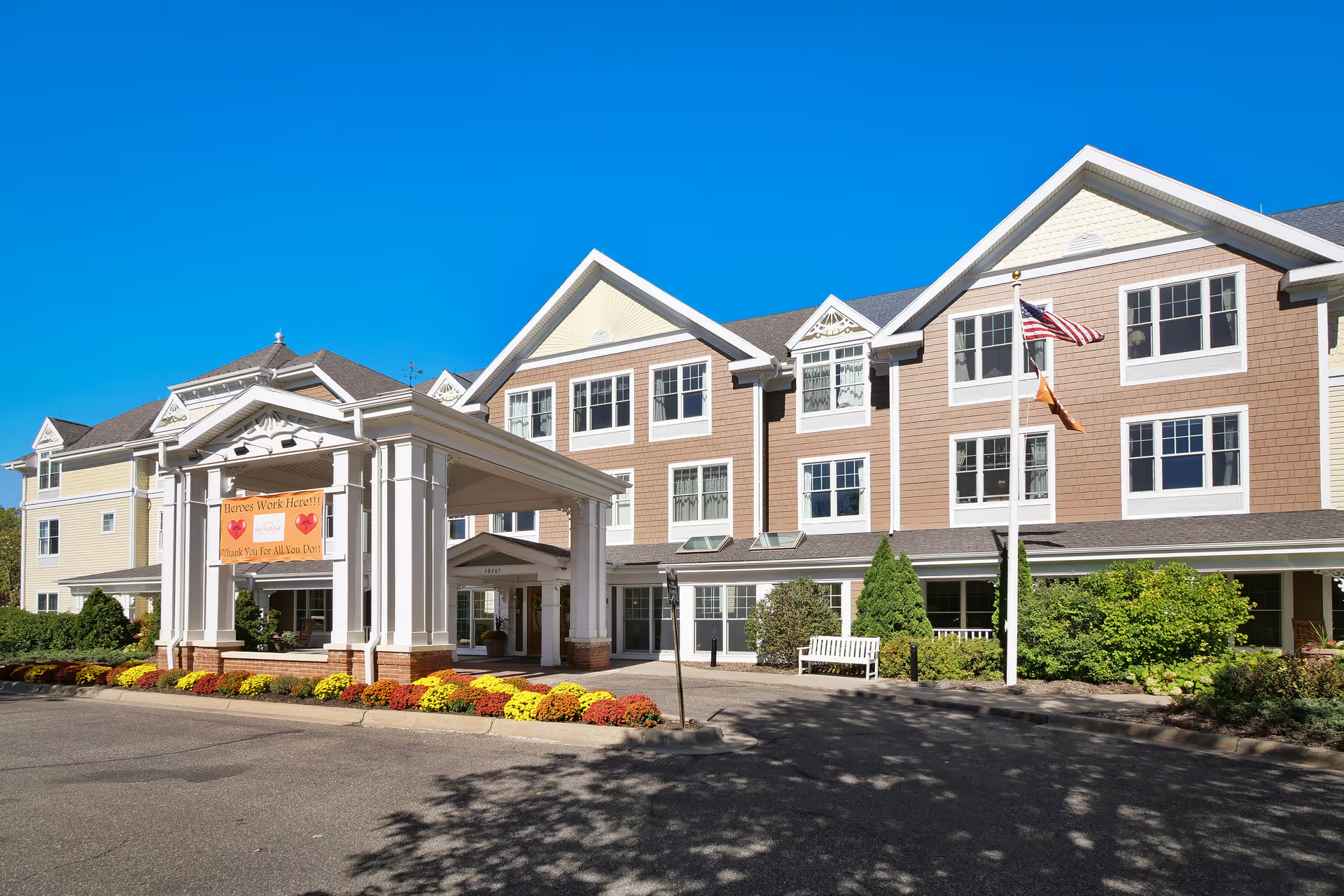
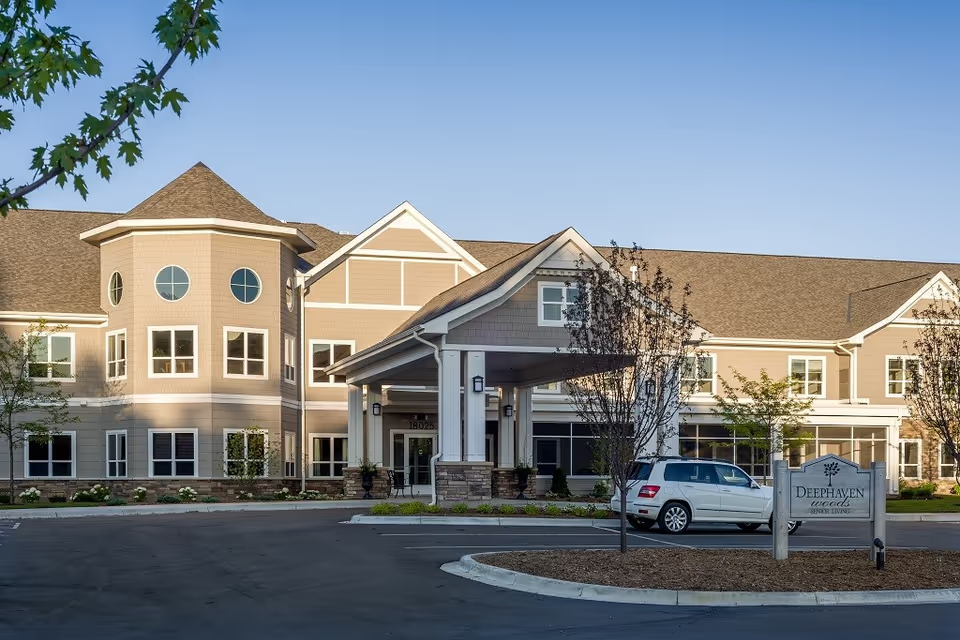
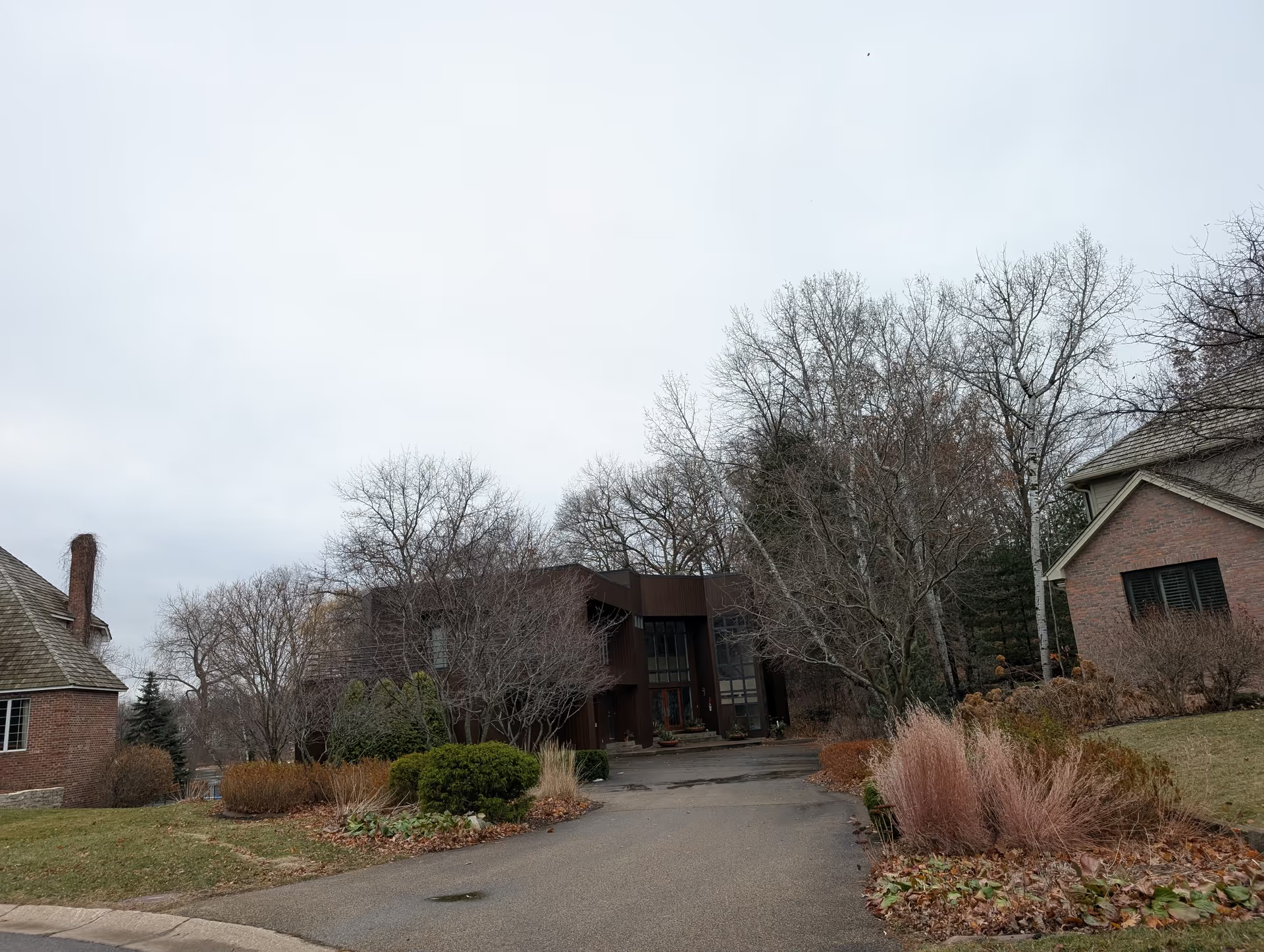
Facilities and management: The physical setting is often described as a pleasant, house-like environment, with a well-kept yard and inviting common spaces. Accessibility limitations (notably the absence of an elevator) and ongoing renovations were raised as practical concerns; reviewers referenced renovation timelines and occasional disruption. Communication and management tone appear inconsistent across accounts: some reviewers found administrative staff responsive and receptive, while others described poor communication, pricing and room-size expectations that did not match reality, and an unfavourable management tone in specific interactions.
Notable patterns and guidance: The strongest, recurring positives are compassionate, individualized caregiving and an engaging activity program in a home-like setting. The recurring operational concerns center on sanitation and personal-care consistency, meal-quality variability, family communication, and clarity of clinical-consent practices. Prospective families should schedule an in-person visit, review current cleaning and staffing protocols, ask for written room dimensions and pricing details, request sample menus, and clarify clinical-consent and behavioral-management policies. Those steps will help assess whether the facility’s strengths align with a prospective resident’s priorities and whether the noted operational gaps have been addressed.